Where to Hang Your Solar Hummingbird Feeder: Balancing Sunlight and Shade
Picture a warm summer afternoon where your handcrafted glass feeder sparkles in the garden, but blazing solar heat turns the sweet sugar nectar inside into a boiling, fermented mess. To keep your nectar fresh while ensuring glowing nighttime illumination, hang your solar hummingbird feeder in an East-facing location that receives 3 to 4 hours of direct morning sun, followed by deep afternoon shade. Position the base 5 feet above the ground and 10 to 15 feet from nearby tree branches to protect visiting birds from ground predators.
Pre-Hanging Location Checklist
- [ ] Location receives 3–4 hours of direct morning sun (6 AM - 11 AM).
- [ ] Location enters deep shade before peak heat (12 PM - 4 PM).
- [ ] Hanging height measured to exactly 5 feet (1.5 meters) above ground.
- [ ] Clear sightline 10–15 feet from tree branches or bushes (predator safety zone).
- [ ] Mounting hook/bracket is rated to support at least 5 lbs (accounts for heavy 32 oz glass + full nectar load).
- [ ] Site is protected from direct high winds and heavy roof eave runoff.
Step-by-Step Guide to Finding and Mounting the Ideal Spot
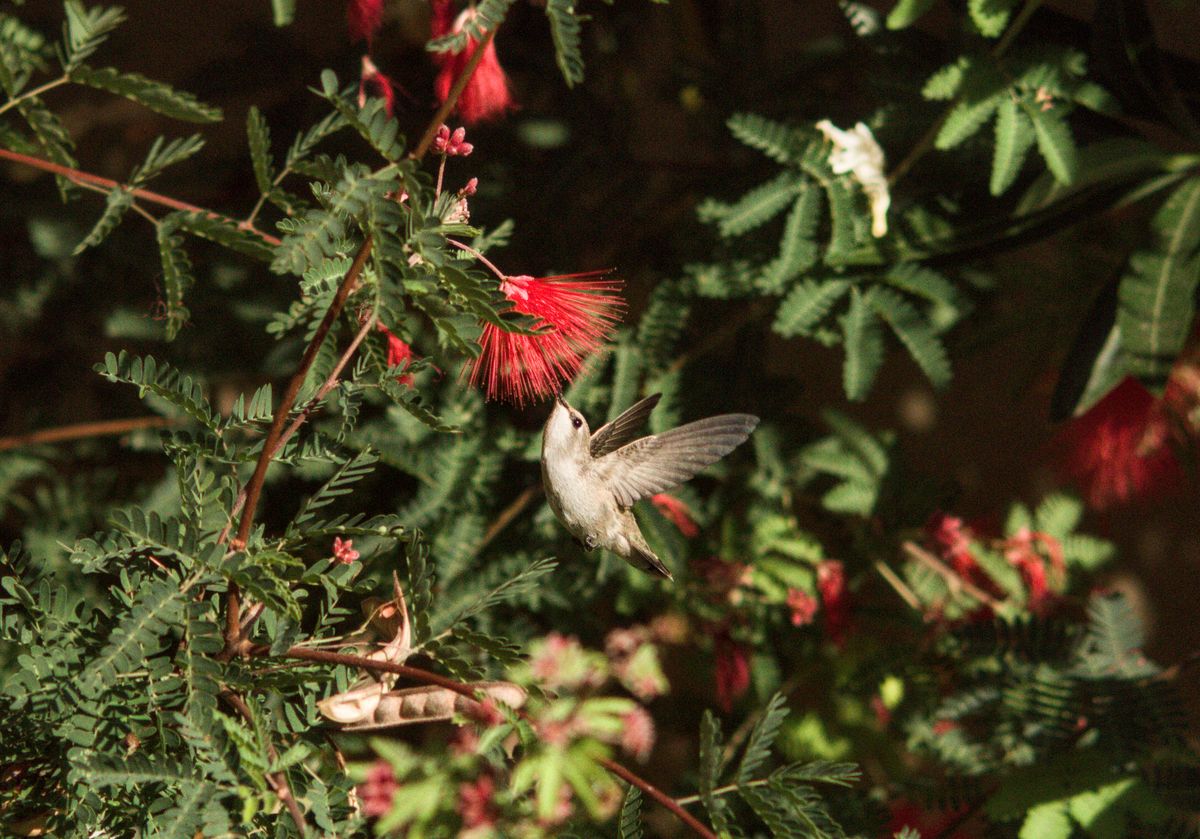
Photo by Jon Champaigne on Pexels
Finding the sweet spot for a solar hummingbird feeder requires solving a unique paradox: the top solar panel demands sunshine to charge its internal battery, while the lower nectar reservoir requires shade to prevent rapid fermentation. Follow these five steps to pinpoint the perfect placement in your yard.
Step 1: Map Your Yard's Morning Sun Path
Spend a sunny morning mapping how light moves across your outdoor space between 6:00 AM and 11:00 AM. Look for East-facing garden borders, patio edges, or tree margins that receive bright, unobstructed sunlight early in the day. This morning light window charges the solar cap's battery without generating intense ambient thermal heat.Step 2: Identify Afternoon Shadow Corridors
Revisit your potential spots between 12:00 PM and 4:00 PM during peak atmospheric heat. Ensure that nearby structures, roof eaves, or mature deciduous trees cast deep, continuous shade over the lower half of your hanging zone. If afternoon sunlight hits the hand-blown glass reservoir, internal temperatures can exceed 100°F (38°C), causing sugar water to ferment within hours and expanding air pockets that force nectar out through the feeding ports.Step 3: Measure Elevation and Predator Safety Clearances
Hummingbirds are exceptionally vulnerable to lurking domestic cats when feeding. Use a tape measure to mark a hanging height of exactly 5 feet (1.5 meters) from the ground to the feeding perches. Maintain a horizontal distance of 10 to 15 feet from dense bushes or low tree branches. This gives tiny flyers enough nearby cover to rest while eliminating leap-off points for climbing predators.Step 4: Install Heavy-Duty Mounting Hardware
Unlike lightweight plastic feeders, high-capacity solar units feature substantial hand-blown glass reservoirs and metal bases. A filled 32 fl. oz. glass feeder can weigh well over 4 pounds. Choose a solid steel shepherd's hook with a minimum 1/2-inch rod thickness and a dual-prong step-in foot, or mount an anti-rust metal wall bracket directly into a wooden deck post or wall stud.Step 5: Position the Solar Cap Free of Overhead Obstructions
Hang the feeder so that the top plastic solar shield sits just below structural overhangs or foliage lines, catching open sky rays at a high angle. Verify that hanging chains or ant moats do not cast continuous, hard shadows over the top solar collector panel.Expert Tip: The Eave Angle Trick for Porches and Decks
If your garden lacks natural shade trees, use your house's architectural roofline to create an artificial microclimate. Mount an extended 24-inch wall bracket onto an East-facing porch post so the top solar cap extends slightly past the roof fascia line into direct morning sky light. As the sun climbs overhead toward noon, the roof overhang automatically casts a cool shadow down over the lower glass reservoir, protecting the nectar all afternoon while your solar battery remains fully charged for an 8-hour evening RGB illumination display.
Feeder Placement Decision Tree
- Does your proposed hanging spot receive direct sunlight between 12 PM and 4 PM? → Yes: Reposition to an East-facing yard border or place under the eastern canopy edge of a shade tree.. No: Proceed to the next evaluation step.
- Does the top solar panel receive at least 3 to 4 hours of morning sun or bright, direct sky light? → Yes: Optimal microclimate confirmed! Check vertical safety clearance.. No: Extend the hanging arm 12 to 24 inches outward from deep roof overhangs to expose the solar cap.
- Is there dense shrubbery or a fence top within 5 feet of the feeding ports? → Yes: Move the hook outward to establish a 10 to 15-foot safety buffer against lurking cats.. No: Your spot is fully optimized for bird safety, solar charging, and nectar preservation!
Core Principles of Solar Feeder Placement
Keep these essential placement guidelines in mind when fine-tuning your garden setup:
Choosing Your Garden Microclimate Location
Targeting 3 to 4 hours of morning sun with complete afternoon shade provides the ideal balance between 8-hour RGB nighttime illumination and fresh, cool sugar water.
Best choice for
- Heavy-Duty Shepherd's Hook — Captures gentle morning sun rays for full solar battery recharge while natural shadows protect nectar from high afternoon heat.
- Extended Deck Arm Mount — Allows the solar top cap to project into open sky light while keeping the main glass reservoir shaded underneath the roof eave.
- Unshaded West or South-facing open lawns where ambient temperatures exceed 90°F (32°C).
- Deeply recessed interior porches where zero sky light reaches the top solar panel cap.
- Dappled Tree Canopy Edge — Filters intense sunlight into moving shade patches throughout the day, providing ambient solar charge without overheating the glass base.
Recommended Setup Gear for Hand-Blown Glass Solar Feeders
To maximize your garden's aesthetic appeal while providing a safe, leak-proof dining station for hummingbirds, pair high-grade mounting hardware with handcrafted solar glass art.
🌟 LUJII Solar-Powered Hand-Blown Glass Hummingbird Feeder 🌟
- Handcrafted Glass Reservoir: Each translucent, 32 fl. oz. glass bottle is individually shaped by glass artists at 2,300°F, creating vibrant color patterns that make monitoring nectar levels effortless.
- Automated Solar RGB Lighting: The top protective solar cap recharges in 3 to 4 hours of sunlight to deliver up to 8 hours of colorful, ambient evening garden lighting.
- Leak-Proof Metal Base: Features a precision-sealed, anti-rust coated metal base with built-in perches that withstand outdoor weather while keeping sweet nectar contained.
- Weatherproof Construction: The protective top cap shields nectar from rain, snow, and direct overhead UV breakdown.
Location Scenario Comparison: Sun Exposure vs. Nectar Longevity
| Location Scenario | Morning Sun (6 AM - 11 AM) | Afternoon Sun (12 PM - 5 PM) | Night LED Illumination | Nectar Refill Frequency | Microclimate Rating |
| --- | --- | --- | --- | --- | --- |
| East-Facing Shepherd's Hook | 3 - 4 Hours | 0 Hours (Deep Shade) | 6 - 8 Hours | Every 3 - 4 Days | Optimal (Golden Zone) |
| Full South-Facing Open Lawn | 5 Hours | 5 Hours (Direct Heat) | 8+ Hours | Daily (High Spoilage Risk) | Poor (Boiling Hazard) |
| Deep Covered Interior Porch | 0 Hours | 0 Hours | 0 - 1 Hour (No Charge) | Every 5 - 7 Days | Poor (No Solar Glow) |
| Deciduous Tree Canopy Edge | 2 - 3 Hours (Dappled) | 1 Hour (Filtered) | 4 - 6 Hours | Every 3 - 4 Days | Good (Balanced Setup) |
Evaluating daily light hours across different garden spots helps you predict both nighttime LED glow duration and required nectar replacement schedules according to guidelines from the Cornell Lab of Ornithology.
Diagram Spec: The Golden Zone – Solar vs. Shade Microclimates
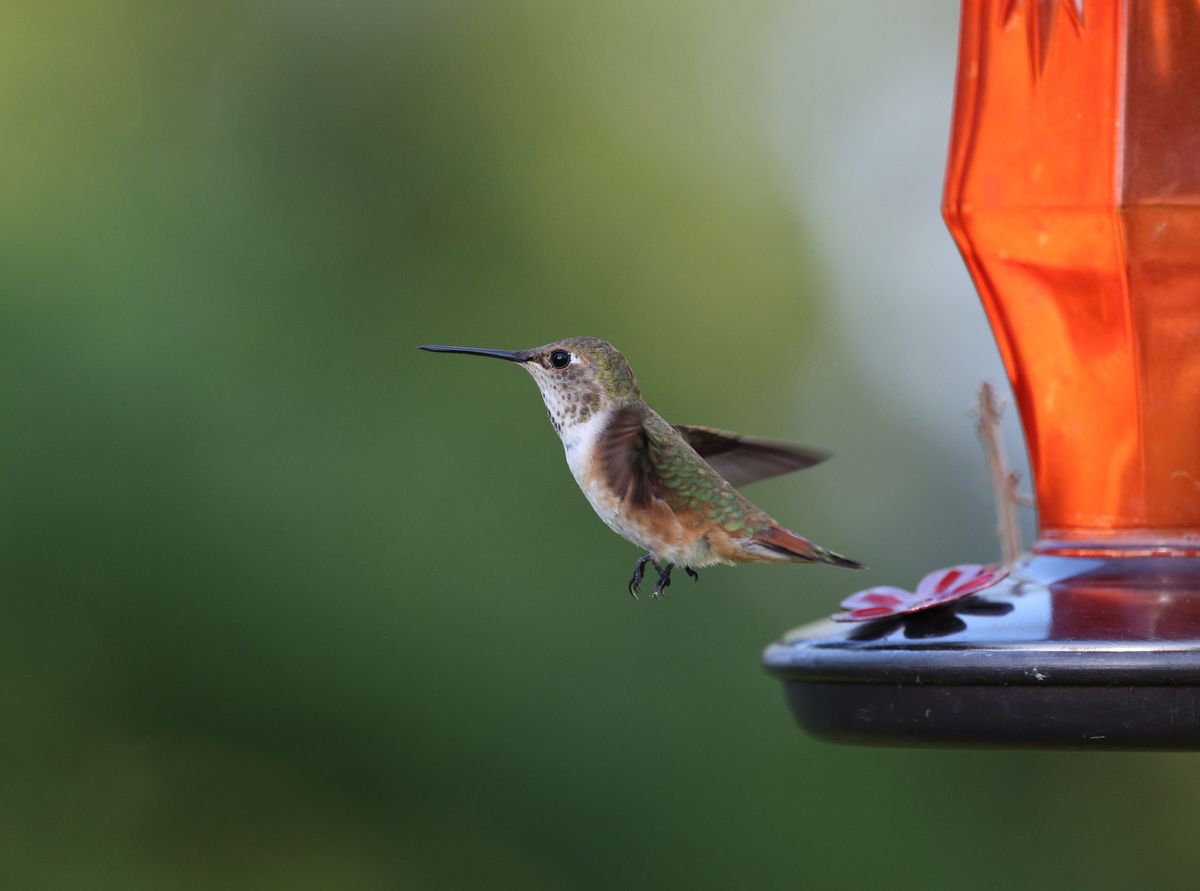
Photo by Veronika Andrews on Pexels
The diagram below illustrates the geometric relationship between daily sun angles, roof overhang shadows, and solar feeder positioning.
Top Placement Mistakes That Ruin Nectar & Block Solar Glow
Avoid these four common yard setup errors that cause nectar fermentation, dark nighttime LEDs, or feeder damage:
- Hanging in Unshaded West-Facing Afternoon Heat: Placing a glass feeder where it absorbs 3 to 5 hours of harsh afternoon sun heats sugar water past safe consumption levels. Extreme heat causes air inside the 32 oz reservoir to expand, forcing liquid out through the ports and attracting wasps and ants.
- Tucking the Feeder Deep Under Porch Roofs: Pushing the feeder far back under a covered patio shields it from rain but deprives the top solar panel of ambient sky light. Without direct morning rays, the rechargeable battery cannot power its RGB LED lights at night.
- Using Flimsy Wire Garden Stakes: Standard thin wire shepherd's hooks bend and sway violently under the weight of a heavy 32 fl. oz. hand-blown glass feeder, causing nectar spills during high winds and potentially breaking against patio pavers.
- Mounting Directly Inside Dense Foliage: Hanging a feeder inside thick bushes makes it easy for predatory domestic cats to hide beneath the branches and spring onto feeding birds.
Seasonal Placement Shift Timeline
- Spring Emergence (April - May) — Position feeders in open morning sun spots. Cool spring ambient temperatures permit longer solar exposure without risking nectar spoilage.
- Peak Summer Heat (June - August) — Shift mounting hooks 2 to 3 feet deeper into afternoon shadow corridors. Inspect nectar every 48 hours as high ambient heat accelerates bacterial growth.
- Autumn Migration (September - October) — Move feeders back into brighter sky exposure to charge solar batteries during shorter daylight hours, providing late-migrating birds with reliable dusk feeding stations.
Frequently Asked Questions About Solar Hummingbird Feeder Placement
Find fast answers to common setup and maintenance questions regarding solar-illuminated glass hummingbird feeders.
Next Steps: Securing Your Setup Against Pests
Your decision: Determine your garden's morning sun path and choose a mounting location that balances solar charging with afternoon shadow cover.
Do this next: Mount a heavy-duty shepherd's hook or eave bracket 5 feet high in an East-facing spot, attach an ant moat, and hang your glass solar feeder.
Related resource: Explore our comprehensive guide on summer storm weatherproofing for glass feeders.🌟 LUJII Solar-Powered Hand-Blown Glass Hummingbird Feeder (32 oz Capacity) with Anti-Rust Metal Base
Now that you have selected the ideal East-facing, shade-protected spot for your solar hummingbird feeder, take proactive measures to guard your sugar water against crawling insects and stormy summer weather.
Related Guides & Pest Control Setup
Link internal cluster content for ant and weatherproofing tactics.
Cover photo by Veronika Andrews on Pexels.