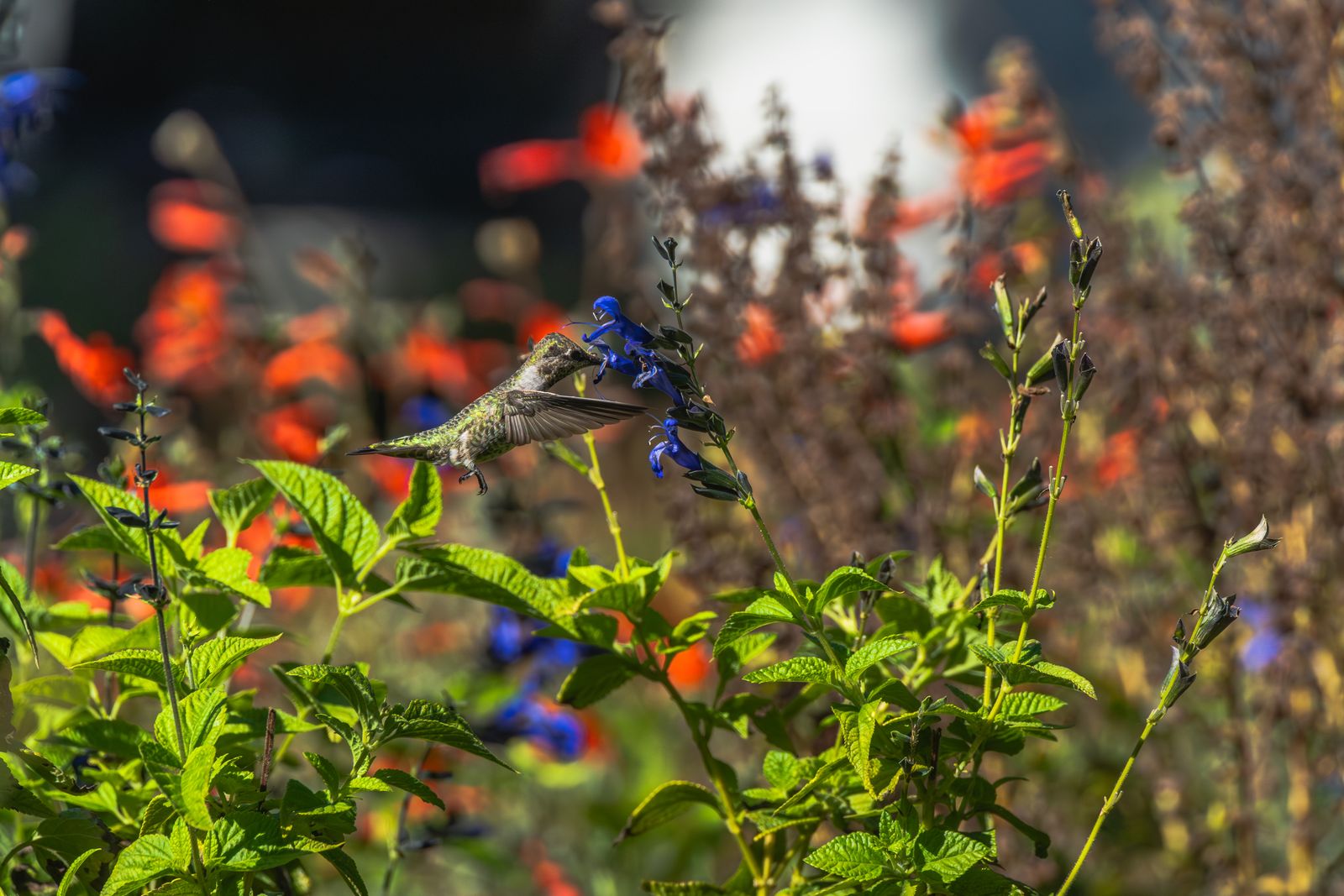
Why Aren't Hummingbirds Finishing Nectar? Troubleshooting Guide
Hummingbirds stop drinking nectar when sugar water ferments in high heat, the fill level exceeds your local flock's daily consumption, or aggressive birds guard the feeder. To fix this, reduce nectar volume to match 48-hour intake, clean the reservoir thoroughly with warm water, and move the feeder to partial shade.
Temperature vs. Nectar Spoilage Rate
- Under 70°F (15°C - 21°C) → Yes: Safe for 5 to 7 days before cleaning and refilling.. No: Check warmer temperature tiers..
- 70°F to 80°F (21°C - 27°C) → Yes: Fermentation begins by Day 4. Replace nectar every 3 to 4 days.. No: Check higher heat tiers..
- 81°F to 89°F (27°C - 31°C) → Yes: Yeast blooms rapidly by Day 3. Flush and refill every 2 days.. No: Check extreme heat tier..
- 90°F+ (32°C+) → Yes: Critical fermentation within 24–36 hours. Refill daily with partial batches (6–8 oz).. No: Re-evaluate ambient shading..
Symptom & Solution Diagnostic Matrix
| Observable Scenario | Underlying Cause | Corrective Action |
| --- | --- | --- |
| Nectar turns cloudy or displays stringy white floaters | Wild yeast spores have metabolized sugar, causing early-stage alcohol fermentation | Discard immediately, flush glass reservoir with warm water, and fill with fresh 4:1 white sugar solution |
| Nectar remains crystal clear, but level drops by only 10% after 4 days | Feeder capacity (e.g., 32 fl oz) far exceeds the total daily caloric needs of local birds | Adopt partial filling (fill only 8–10 fl oz) to eliminate sugar waste while preserving feeder balance |
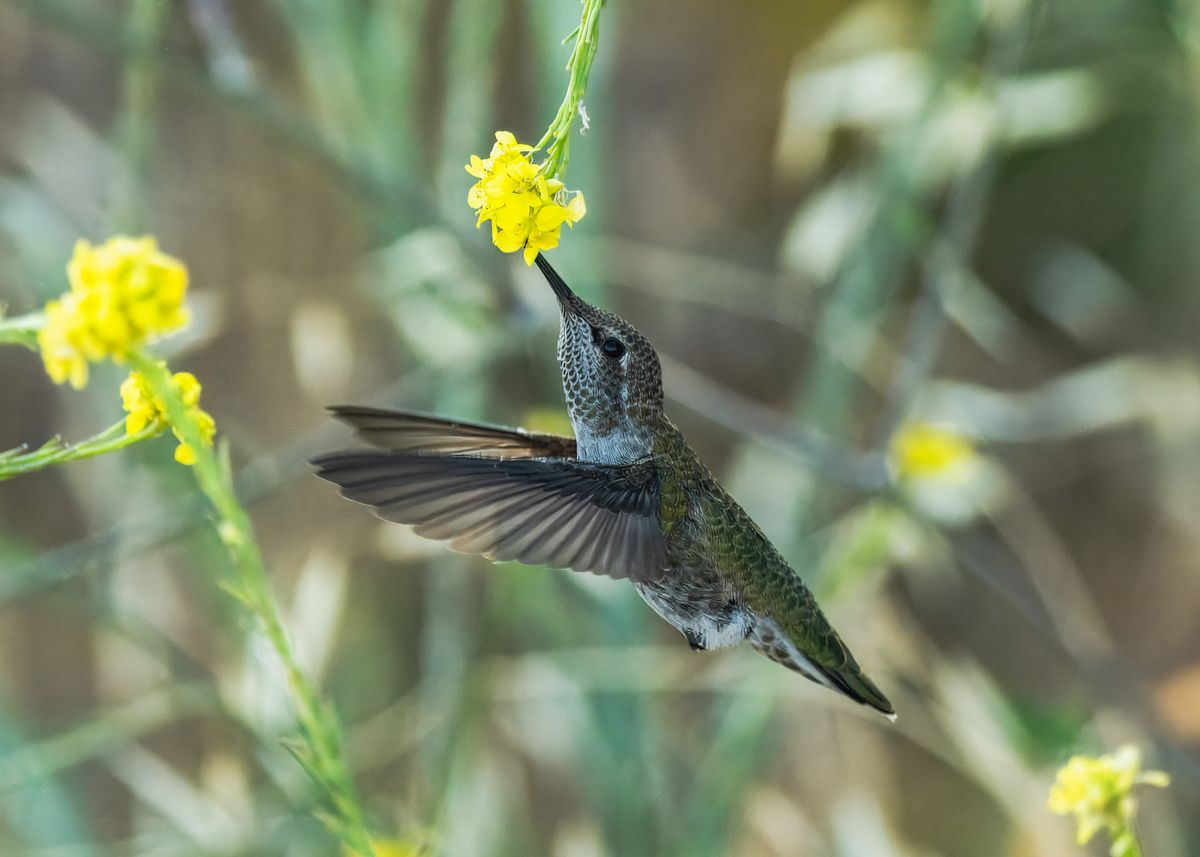
| Hummingbirds hover near feeding ports, touch their beaks, and instantly fly away | Nectar tastes sour due to heat spoilage, or dark mold has developed inside port gaskets | Dismantle base, scrub metal ports with a small tube brush, sanitize, and refill |
| One hummingbird sits on a nearby branch and attacks any bird attempting to land | Territorial dominance ('bully bird') preventing non-dominant birds from finishing nectar | Hang a second feeder out of direct sight line (around a corner or behind shrubbery) |
Locate the exact observable scenario in your garden feeder to identify the underlying cause and apply a fast fix.
Expert Tip: Mastering Partial Fills in 32 oz Reservoirs
Do not feel obligated to fill a large 32 fl.oz reservoir to the top! High-quality hand-blown glass feeders with sealed silicone bases maintain proper vacuum pressure regardless of liquid height. Pouring only 8 to 12 ounces during warm summer months allows you to enjoy the stunning colors of your translucent glass artwork without wasting sugar or feeding spoiled food to your feathered guests.
Hummingbird Nectar Diagnostic Flowchart
- Is the nectar clear and odorless? → Yes: Move to check bird traffic dynamics.. No: Fermentation has occurred. Discard nectar, wash reservoir, and refill with fresh 4:1 solution.
- Are multiple birds fighting over the feeder? → Yes: Territorial bully bird in area. Install a second feeder around a garden corner to increase access.. No: Check feeder placement and solar heat exposure.
- Is the feeder hanging in full direct afternoon sun? → Yes: Relocate feeder to partial shade under a tree canopy or porch edge to slow down thermal breakdown.. No: Feeder volume simply exceeds local flock capacity. Reduce fill to 25% total volume.
Key Takeaways for Nectar Optimization
- Heat accelerates fermentation; summer nectar must be refreshed every 2 to 3 days regardless of remaining level.
- Hummingbirds possess a keen sense of taste and will refuse even slightly sour sugar water.
- Partial filling (8–12 oz) in 32 oz feeders cuts waste, keeps food fresh, and retains feeder stability.
- Clean metal feeding ports with a narrow brush to prevent black spot mold growth.
- Shaded hanging spots preserve nectar freshness up to twice as long as direct sunlight exposure.
Full Reservoir vs. Partial Filling Strategy
| Factor / Scenario | Full Fill Strategy (28–32 fl oz) | Partial Fill Strategy (8–12 fl oz) |
| --- | --- | --- |
| Ideal Season / Climate | Cool spring & fall migration (Under 70°F) | Mid-summer heat waves (80°F+) |
| Local Flock Size | Large colonies (10+ daily visiting birds) | Small local territory (1–4 resident birds) |
| Sugar Waste Risk | High (discarding 20+ oz of fermented nectar weekly) | Minimal (birds drain batch right before standard cleaning) |
| Refill & Clean Frequency | Every 5 to 7 days | Every 2 to 3 days |
| Art Glass Visual Effect | Fully saturated color intensity | Translucent gradient with visible fluid level |
Evaluate how filling strategy impacts nectar freshness, cleaning burden, and sugar waste across seasons.
Decision Support: Matching Fill Volume to Season & Flock
Match your feeder's sugar water volume to ambient weather and local flock density rather than filling large reservoirs to the brim.
Best choice for
- Partial Fill (8–12 fl oz) — Prevents sugar fermentation and waste while requiring cleanings every 2 days.
- Full Fill (24–32 fl oz) — High bird traffic drains the reservoir before spoilage occurs, maximizing feeder efficiency.
- Filling a 32 oz feeder completely full in 90°F weather with only 2–3 regular visiting birds.
- Multi-Feeder Spacing Strategy — Hang two smaller-volume feeders in separate garden areas to break up territorial dominance by aggressive bully birds.
Recommended Solution: LUJII Solar Hand-Blown Glass Hummingbird Feeder
The LUJII Solar Hand-Blown Glass Hummingbird Feeder offers the ultimate combination of garden elegance and practical troubleshooting design. Handcrafted by glass artists at 2,300 degrees, each 32 fl.oz reservoir features vibrant, translucent art glass that lets you monitor nectar clarity and fill level at a single glance.
Equipped with a sealed leak-proof base, anti-rust metal feeding ports, and a weather protective cap, this feeder resists drips and keeps nectar secure. At night, its integrated solar panel powers automatic RGB lights for up to 8 hours, creating a magical glow without heating your nectar.
Feeder Volume & Refill Schedule Specification Matrix
Photo by Veronika Andrews on Pexels
| Daytime High Temp Range | Recommended Fill Volume | Max Safe Standing Time | Cleaning Method |
| --- | --- | --- | --- |
| Below 70°F (21°C) | 16–32 fl oz | 6–7 Days | Warm water flush + mild bottle brush scrub |
| 71°F – 80°F (22°C–27°C) | 12–16 fl oz | 3–4 Days | Warm water + vinegar rinse (1:4 ratio) |
| 81°F – 89°F (27°C–31°C) | 8–12 fl oz | 2 Days | Warm water flush + port tube brush clean |
| 90°F+ (32°C+) | 6–8 fl oz | 1–2 Days | Daily hot water flush + full base dismantle |
Use this benchmark matrix to determine precise liquid targets and maintenance intervals based on local ambient temperatures.
5-Step Feeder Reset Plan
Follow this step-by-step restoration process to eliminate sour nectar, sanitize your reservoir, and welcome hummingbirds back to your garden.
Common Mistakes When Filling Large Reservoirs
Avoid these frequent errors that lead to nectar stagnation and bird avoidance:
Related Nectar Care & Maintenance Guides
- Why Is Your Hummingbird Nectar Turning Cloudy? Troubleshooting Spoilage & Avian Safety
- Why Does Hummingbird Nectar Turn Cloudy? Water Quality Hacks & Mold Fixes
- Why Is Your Nectar Watery? Troubleshooting Rain Dilution and Mold in Backyard Feeders
Frequently Asked Questions
Why are hummingbirds drinking from my feeder suddenly stopping halfway through?
As nectar sits in the sun, heat causes rapid fermentation and mold growth in the bottom ports. Birds taste the early spoilage and abandon the remaining nectar.
Do I have to fill my 32 oz solar glass hummingbird feeder all the way to the top?
No! Filling high-capacity feeders to 25–30% capacity (8–10 oz) is highly recommended during warm weather or when flock size is small, preventing sugar waste while maintaining visual charm.
Will hummingbirds return to my feeder after finding spoiled nectar?
Yes. Hummingbirds regularly re-check feeding spots within their territory. After thorough cleaning and refilling with fresh 4:1 white sugar nectar, birds usually return within 1 to 3 days.
Does the solar RGB light at night heat up the nectar and make it spoil faster?
Not at all. Solar LED lights consume tiny amounts of energy and emit negligible heat, so they do not cause nectar fermentation; ambient daytime heat is the real driver of spoilage.
Find fast answers to common troubleshooting questions about hummingbird drinking behavior and glass feeder care.
Immediate Actions to Fix Nectar Stagnation
Your decision: Determine if your unfinished nectar is caused by overfilling, extreme weather fermentation, or improper feeder placement.
Do this next: Discard remaining nectar, sanitize the glass reservoir with warm water, and refill with only 8–12 oz of fresh 4:1 sugar solution.
- Read next: Hot Weather Nectar Ratios: How to Keep Hummingbird Food Fresh in Summer
- Read next: How to Make Safe DIY Hummingbird Nectar
Upgrade to a LUJII Solar Hand-Blown Glass Hummingbird Feeder featuring a see-through 32 oz reservoir and anti-rust metal base for easy nectar visibility.
Take action today to revitalize your garden feeder and keep local hummingbirds healthy.