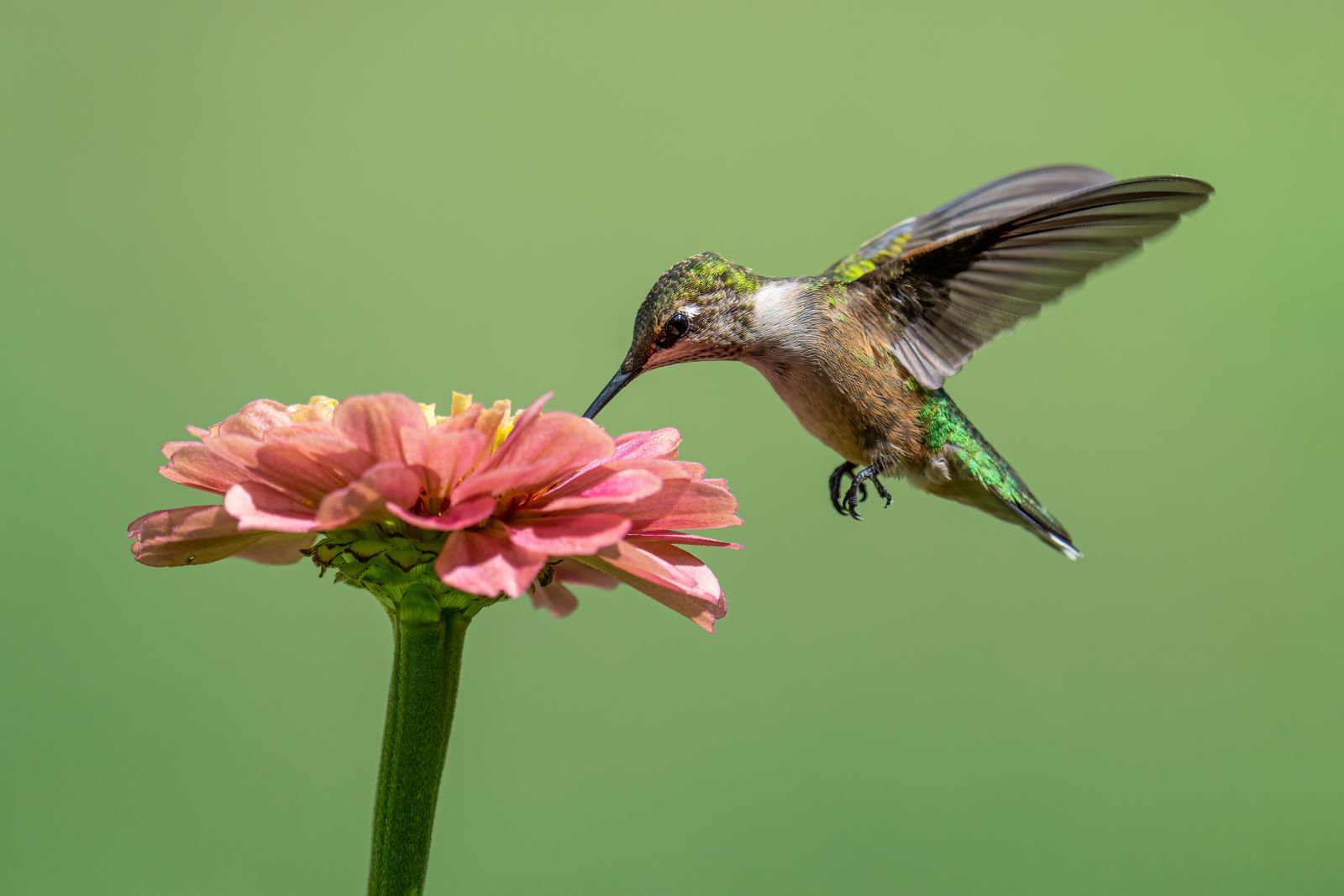
Why Does Hummingbird Nectar Turn Cloudy? Water Quality Hacks & Mold Fixes
Hummingbird nectar turns cloudy primarily due to rapid bacterial growth and wild yeast fermentation fed by ambient heat and sugar. Cloudiness indicates spoilage that can cause fatal fungal candidiasis in hummingbirds. Immediately dump cloudy nectar, sanitize your glass feeder with warm water and white distilled vinegar (4:1 ratio), and brew fresh nectar using purified water boiled for two minutes.
Visual Nectar Spoilage Diagnostic Flow
- Is the nectar milky white or greyish with a faint alcohol/sour odor? → Yes: Wild Yeast Fermentation. High risk of tongue candidiasis! Immediately dump nectar, sanitize glass with 4:1 vinegar water, and move feeder to shade.. No: Check for floating debris or discoloration (Proceed to Step 2)..
- Are there dark specks, floating stringy rafts, or black spots around feeding ports? → Yes: Black Mold (Aspergillus) Outbreak. Extreme hazard! Deep clean feeder using a soft brush and 4:1 vinegar solution. Replace nectar daily.. No: Check water clarity upon initial mixing (Proceed to Step 3)..
- Is the haze present immediately after mixing fresh tap water and sugar? → Yes: Hard Water Mineral Precipitation. High calcium/magnesium levels in tap water reacting with sugar. Switch to filtered or distilled water.. No: Early Bacterial Bloom. Ambient heat exceeding 85°F accelerates microbes. Dump nectar, rinse glass, and adjust refill schedule to every 24-48 hours..
Nectar Condition Diagnostic Matrix
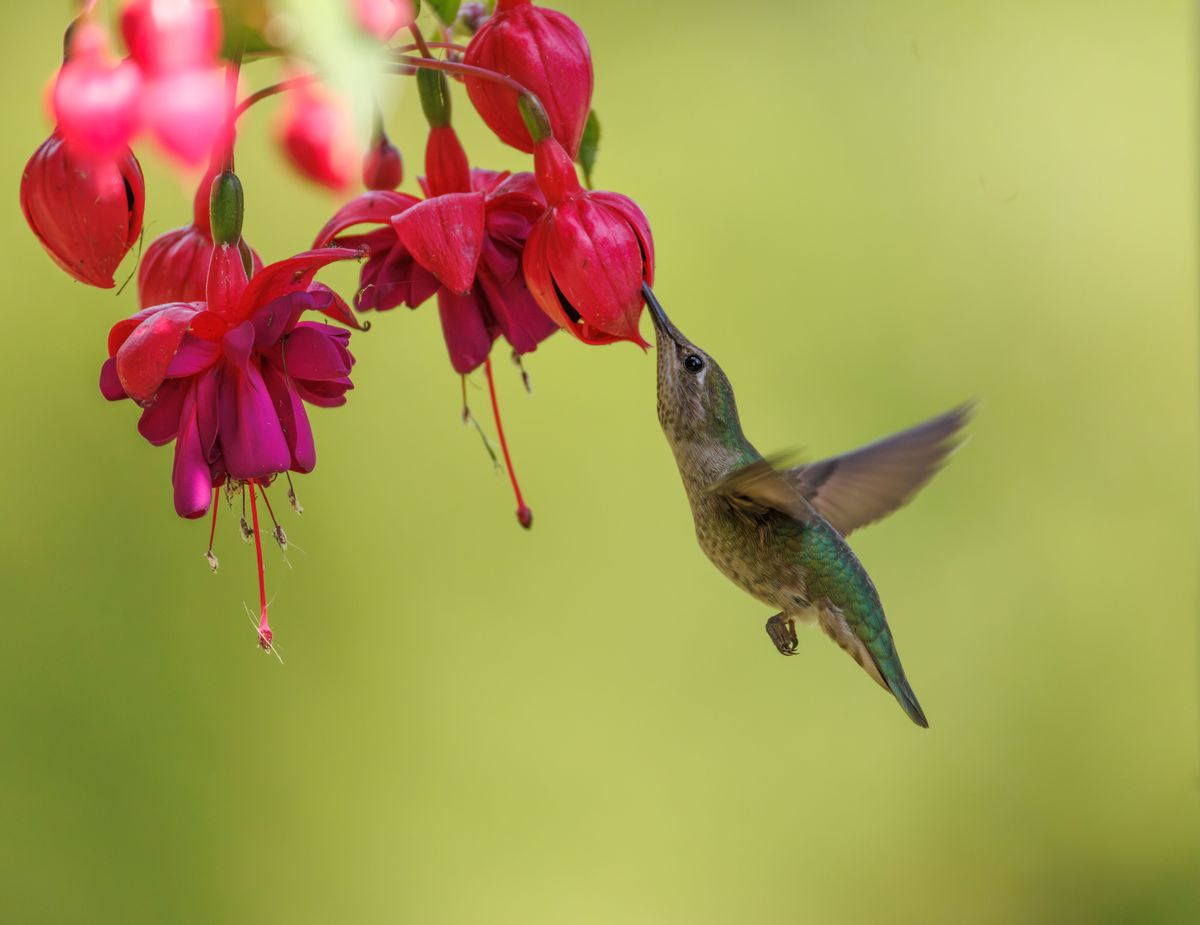
Photo by Veronika Andrews on Pexels
| Scenario Cues | Primary Root Cause | Microbial Toxicity Risk | Immediate Corrective Action |
| --- | --- | --- | --- |
| Milky white haze, sour yeast odor, tiny bubbles rising | Wild yeast spores (Saccharomyces) reacting with warm sugar solution | High — Causes fungal tongue infection (candidiasis), preventing feeding | Dump nectar immediately. Scrub glass reservoir with warm water and white vinegar. Refill with cold boiled water. |
| Black dots on glass walls, fuzzy floating rafts | Mold spores (Aspergillus / Penicillium) introduced by beak contact | Severe — Spores infect avian respiratory tract and air sacs | Perform a 30-minute vinegar soak. Use a bottle brush on narrow neck glass openings. Clean feeding ports thoroughly. |
| Faint cloudy haze immediately after brewing, no odor | Dissolved hard water minerals (calcium carbonate/magnesium) precipitating | Low — Non-toxic to birds, but mineral scale accelerates future mold adhesion | Switch from un-filtered tap water to reverse osmosis or micro-filtered water for future sugar nectar batches. |
| Slight green tinge around base ports, clear glass center | Single-celled airborne algae growth accelerated by direct sun UV exposure | Moderate — Alters nectar flavor, causing hummingbirds to abandon the feeder | Relocate feeder to partial shade. Clean metal base ports with a pipe cleaner dipped in diluted vinegar. |
Identify the exact cause of nectar discoloration or haziness using visual cues, environmental triggers, and immediate safety steps.
Expert Glass Care: Sterilizing Artisan Glass Without Thermal Shock
Hand-blown glass hummingbird feeders are crafted by heating glass at up to 2,300°F, creating vibrant, one-of-a-kind translucent patterns. However, sudden extreme temperature shifts (thermal shock) can crack hand-blown glass. Never pour boiling water directly into a cold glass feeder, and never plunge a sun-baked hot glass reservoir into icy wash water.
Solar Maintenance Note: Always detach the protective solar light cap before washing. Keep electrical housings dry to preserve your feeder's automatic RGB night lighting features.
Foolproof Nectar Safety & Glass Sterilization Checklist
- [ ] Dump all cloudy or murky nectar into the sink immediately—never attempt to boil or reuse spoiled nectar.
- [ ] Remove the top solar light cap and place it on a dry towel to protect electronic wiring from moisture.
- [ ] Soak the hand-blown glass reservoir in warm water combined with white distilled vinegar (4 parts water to 1 part vinegar).
- [ ] Use a non-abrasive bottle brush to remove microscopic biofilm from the interior glass walls without scratching.
- [ ] Rinse the glass reservoir thoroughly with clean, warm water until all vinegar smell completely disappears.
- [ ] Boil purified or filtered water for 2 full minutes before stirring in refined white granulated sugar at a 4:1 ratio.
- [ ] Allow the sugar solution to cool completely to ambient room temperature before pouring it into your transparent glass feeder.
Nectar Replacement Frequency Decision Tree
- Is your local daytime temperature consistently above 90°F (32°C)? → Yes: Replace nectar and rinse glass EVERY 24 HOURS, regardless of visual clarity.. No: Proceed to temperature range check (Step 2).
- Is the average outdoor temperature between 80°F and 89°F? → Yes: Replace nectar EVERY 48 HOURS. Fermentation speeds up dramatically in this heat window.. No: Proceed to shade evaluation (Step 3).
- Is your feeder placed in full morning-to-evening direct sunlight? → Yes: Replace nectar EVERY 2 TO 3 DAYS. High UV rays heat glass reservoirs quickly.. No: For shaded locations under 75°F, replace nectar EVERY 4 TO 5 DAYS max.
Key Takeaways: Water Quality & Nectar Clarity
Essential summary points for every bird watching enthusiast.
5-Step Pure Water & Nectar Preparation Protocol
Eliminate bacterial growth factors by brewing fresh sugar water using this sterile preparation routine.
Critical Mistakes That Accelerate Nectar Cloudiness
Avoid these common pitfalls that compromise hummingbird health and damage decorative feeders.
Frequently Asked Questions About Nectar Spoilage
Clear, expert answers to common questions regarding hummingbird nectar safety and feeder care.
Elevate Your Garden with Artisan Hand-Blown Solar Feeders
Combine bird safety with magical garden illumination. The LUJII Solar-Powered Hummingbird Feeder features handcrafted, high-temperature blown glass paired with a sealed leak-proof metal base. The see-through colorful reservoir lets you inspect nectar clarity at a glance, while the integrated solar cap automatically illuminates your backyard with charming RGB lights for up to 8 hours every evening.
Next Steps for a Safe, Vibrant Bird Sanctuary
Your decision: Determine if your current nectar shows signs of haziness, fermentation, or dark spots.
Do this next: Dump spoiled nectar immediately, sanitize your glass reservoir using a warm 4:1 water-to-vinegar bath (keeping solar electrical cap dry), and brew a fresh 4:1 white sugar batch with filtered boiled water.
- Read next: Hot Weather Nectar Ratios: How to Keep Hummingbird Food Fresh in Summer
- Read next: How to Make Safe DIY Hummingbird Nectar: The Ultimate 4:1 Recipe
LUJII Hand-Blown Solar Hummingbird Feeder with See-Through Glass Reservoir
Take immediate control of your feeder hygiene to protect your visiting hummingbirds.
Recommended Guides on Nectar Care & Garden Safety
Internal linking block targeting same-pillar content.
Cover photo by Skyler Ewing on Pexels.