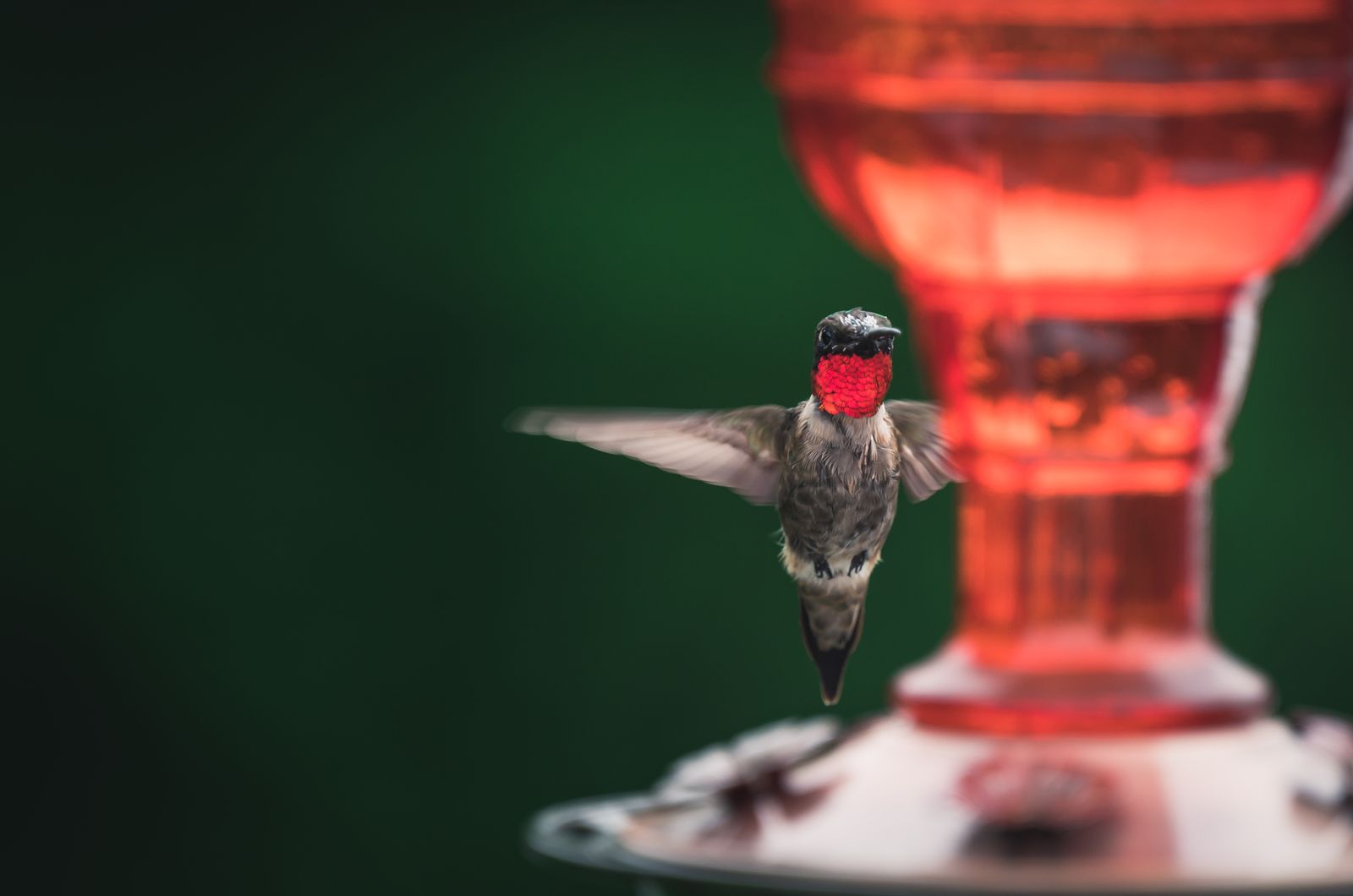
How to Stop Hummingbird Feeder Sticky Residue and Ants: Complete Diagnostic Guide
To stop hummingbird feeder sticky residue and ants, eliminate nectar leaks caused by thermal air expansion by filling inverted feeders with cool liquid, creating a tight vacuum seal, and hanging in partial shade. Deep-clean fermented residue twice weekly with warm water and vinegar, and install a water-filled ant moat.
Feeder Leak & Odor Diagnostic Flowchart
- Where is the sticky sugar residue appearing on your feeder? → Yes: Proceed to Feeding Port Inspection. No: Proceed to Base Thread Inspection.
- Is nectar actively dripping from the bottom feeding ports during sunny afternoons? → Yes: Root Cause: Thermal Air Expansion. Solution: Fill bottle completely with cool liquid and relocate feeder to partial shade.. No: Check for wind sway or overfilling above the seal line..
- Is liquid slowly seeping out from the base where the glass threads meet the metal base? → Yes: Root Cause: Worn Gasket or Cross-Threading. Solution: Inspect rubber O-ring alignment, clean glass threads, and hand-tighten firmly without over-torquing.. No: Check for yeast fermentation overflow or outer glass splash back..
- Is the nectar cloudy, smelling sour, or surrounded by climbing ants without visible drips? → Yes: Root Cause: Yeast Fermentation & Ant Pheromone Trails. Solution: Flush with 1:4 vinegar solution and install a top-hanging water ant moat.. No: Perform daily outer wipe-down with a damp microfiber cloth..
Feeder Leak, Odor, and Ant Attraction Troubleshooting Matrix
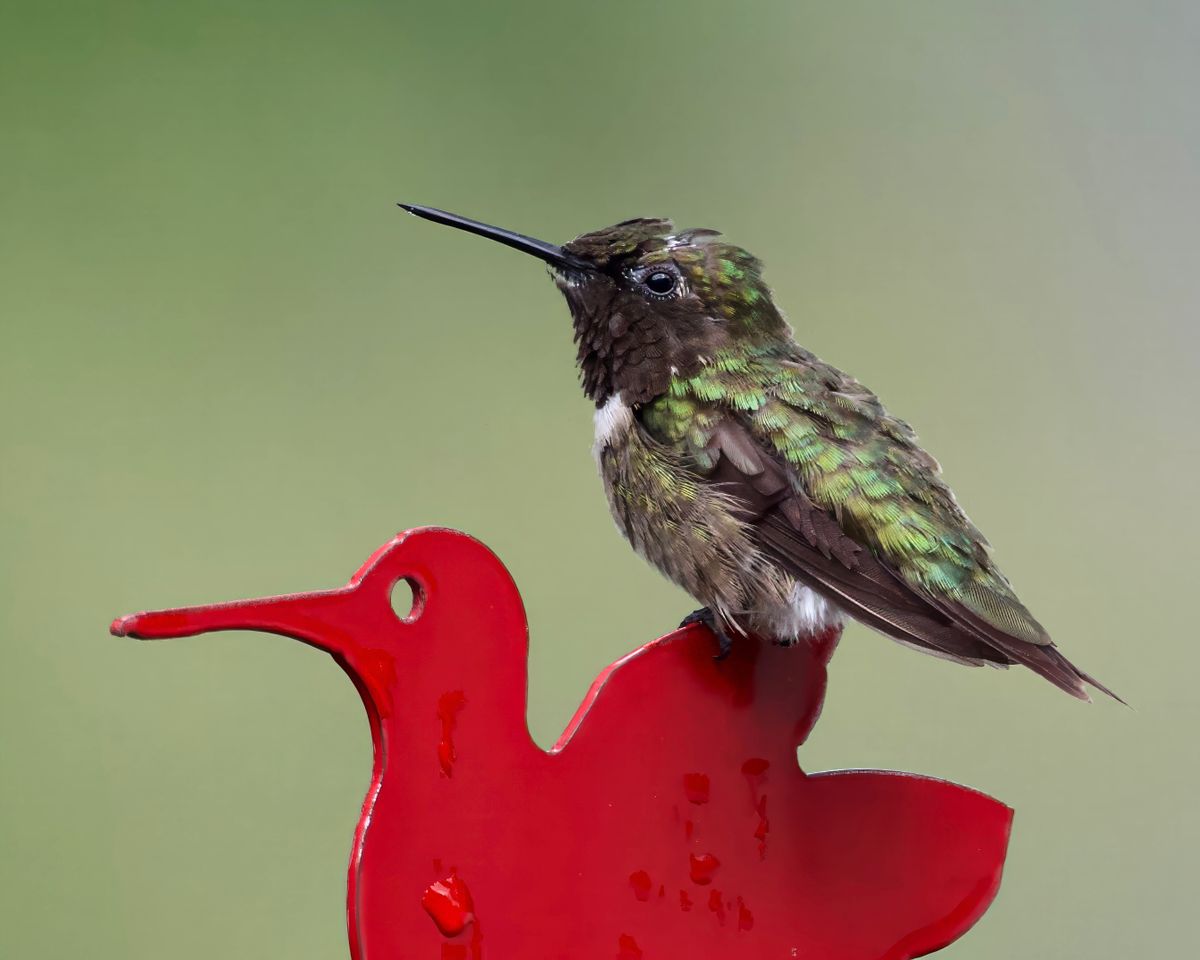
Photo by A. G. Rosales on Pexels
| Symptom Scenario | Root Physical Cause | Immediate Hazard | Corrective Action |
| --- | --- | --- | --- |
| Dripping from feeding ports only during hot afternoons (2:00 PM - 5:00 PM) | Thermal Air Expansion: Sunlight heats trapped air inside the glass reservoir, forcing liquid downward past the ports. | Attracts scout ants, yellowjackets, and bees within hours. | Hang feeder in partial afternoon shade. Fill glass bottle to the top to minimize air pocket space. |
| Continuous slow seep around the metal base connection | Cross-threaded base, dirty threads, or misaligned rubber gasket seal. | Loss of vacuum pressure; whole reservoir empties over 24 hours. | Unscrew base, clean sugar crystals off glass threads, seat rubber gasket flush, and re-thread firmly. |
| Cloudy, thick syrup with white film or black specks inside glass | Rapid yeast fermentation producing alcohol and mold in warm temperatures. | Toxic to hummingbirds (causes tongue swelling and fungal infection). | Discard syrup immediately. Deep-clean reservoir with 1:4 white vinegar to water mix. |
| Ant line streaming down top hanging hook onto solar cap | Ant scout located sugar source via residual scent lines on hanging wire. | Ants drown in nectar ports, driving hummingbirds away. | Install an inline water-filled ant moat above solar cap. Wipe hanging hook with vinegar water. |
| Nectar sloshing out when wind speed exceeds 10 mph | Excessive pendulum swing breaking gravity basin balance. | Syrup splashes onto outer glass art and surrounding ground. | Relocate feeder to a wind-sheltered garden nook or install a rigid hanging shepherd's hook. |
Identify your specific visual symptom below to understand the physical mechanism and implement the exact fix without harming hummingbirds or damaging solar electronics.
Pro Tip: Thermal Expansion & Glass Solar Feeder Care
Understanding internal pressure mechanics is the secret to a zero-drip feeder. Inverted glass hummingbird feeders rely on a delicate vacuum air seal. When ambient temperatures rise from 70°F in the morning to 90°F in the afternoon, the air bubble trapped at the top of the bottle expands dramatically. This expanding air volume pushes nectar downward, overcoming gravity and spilling syrup through the flower feeding ports.
To preserve your feeder's performance:
- Eliminate the Air Pocket: Always fill your reservoir completely to the top with chilled 1:4 plain sugar water. Less air inside means significantly less thermal expansion.
- Protect Solar Electronics: Never submerge the top solar housing in water. Wipe solar panels with a moist microfiber cloth to remove dust so the RGB LEDs receive maximum sunlight during the day.
- Position for Afternoon Protection: Place the feeder where it gets morning sun for solar charging but is shaded by tree canopies or garden pergolas during peak afternoon heat (1:00 PM to 4:00 PM).
Daily & Weekly Anti-Residue Maintenance Checklist
- [ ] Inspect feeding ports for tiny drips or dried sugar crystals.
- [ ] Check hanging wire for ant lines or Scout ants.
- [ ] Verify water level in hanging ant moat (replenish if evaporated).
- [ ] Observe nectar clarity (replace immediately if cloudy or floating specks appear).
- [ ] Wipe outer glass reservoir with a moist microfiber cloth to eliminate landing residue.
Decision Support: Choosing the Right Ant Defense & Leak Fix for Your Setup
- Is your primary problem active ant trails or sticky drips on the outer glass? → Yes: Proceed to Ant Defense Strategy. No: Proceed to Leak & Pressure Strategy
- Are ants climbing down from the tree branch or shepherd's hook? → Yes: Install a top-hanging water moat between the hook and solar cap. Fill with clean tap water daily.. No: Check if plants or grass are touching the bottom metal base and trim vegetation back 12 inches.
- Is nectar leaking even when ambient temperatures are below 75°F? → Yes: Inspect base rubber gasket for cracks, debris, or cross-threading.. No: Relocate feeder to afternoon shade to neutralize thermal air expansion.
Immediate Action Plan & Next Steps
Your decision: Identify the primary source of residue (thermal dripping vs gasket leak) and deploy a non-toxic cleaning and barrier strategy today.
Do this next: Flush the feeder with a 1:4 white vinegar solution, refill with cool 1:4 sugar-water, seal firmly, hang in partial shade, and attach a water-filled ant moat.
- Read next: Best Ant Moats for Hummingbird Feeders: Built-In vs. Hanging Hooks
- Read next: How to Hang Your Solar Hummingbird Feeder to Block Ants and Crawling Insects
LUJII Hand-Blown Glass Solar Hummingbird Feeder (32 oz Leak-Resistant Sealed Base)
Take these concrete steps today to restore your hummingbird feeding station to a clean, safe, and insect-free highlight of your garden.
Core Principles of Leak-Free, Ant-Proof Feeding
Review these essential rule-of-thumb principles to keep your backyard birds safe and your hand-blown glass artwork sparkling clean.
Step-by-Step Deep Sanitation & Vacuum Seal Protocol
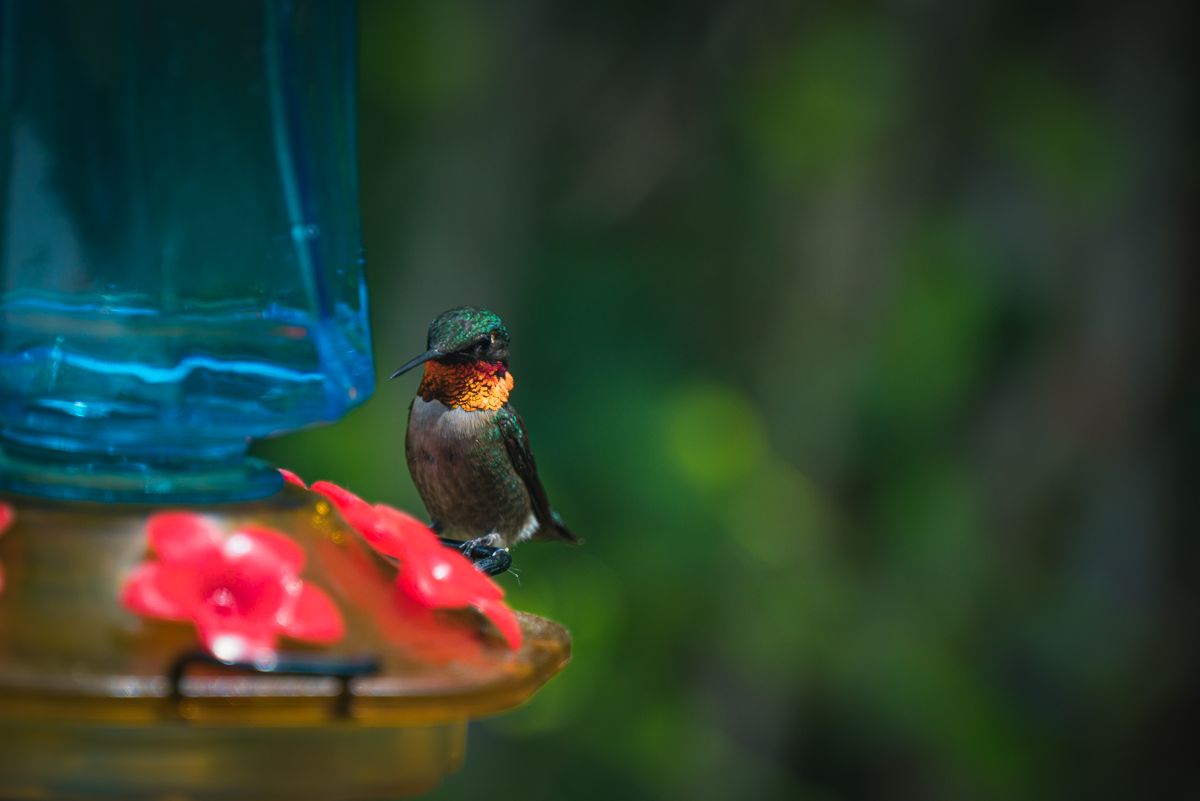
Follow this gentle, non-toxic cleaning routine to completely strip away sticky sugar deposits and recalibrate your feeder's vacuum seal.
Critical Feeding Mistakes That Cause Leaks and Invite Ants
Avoid these frequent maintenance missteps that inadvertently ruin nectar, damage feeder seals, and attract unwanted insects.
Related Pest-Free Feeding Guides
- Troubleshooting Your Solar Hummingbird Feeder: Battery, Lighting, and Nectar Care Tips
- Why Are Bees Swarming Your Hummingbird Feeder? Troubleshooting Leaks, Thermal Drips, and Placement
- Hummingbird Feeder Leak Troubleshooting: Stop Nectar Drips Fast
Frequently Asked Questions About Feeder Residue and Ants
Find fast answers to common troubleshooting questions about solar feeder care, ant barriers, and glass preservation.
Recommended Handcrafted Solar Feeder Solutions
Elevate your backyard sanctuary with artfully designed, leak-resistant solar feeders built for effortless monitoring and long-lasting beauty.