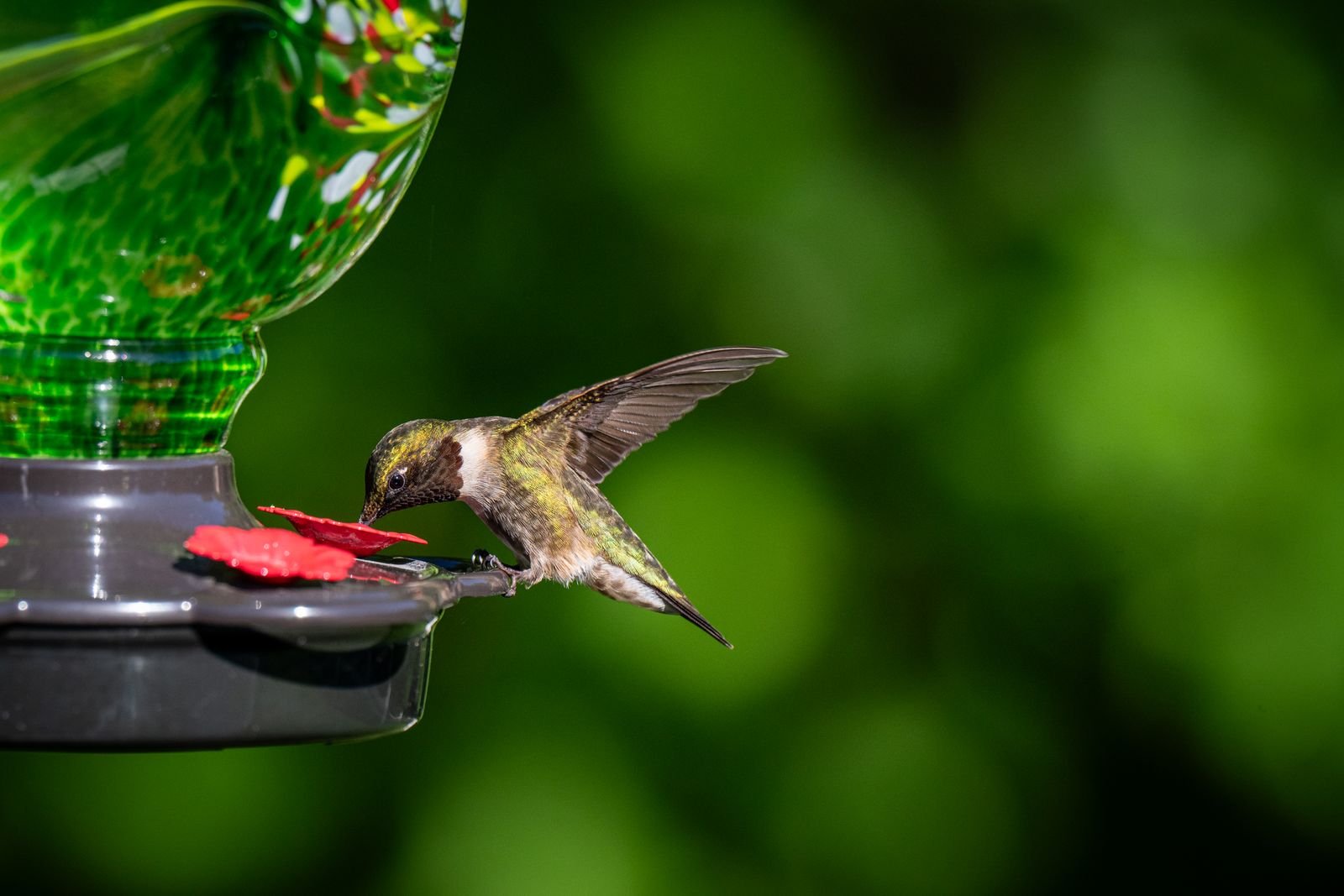
Sustainable Outdoor Garden Decor Ideas for Fall: Blending Heritage Glass with Solar Illumination
Follow the 15-degree rule: tilt solar collectors 15 degrees steeper south starting September 15th to capture low autumn light, and maintain a 4:1 nectar ratio until overnight temperatures consistently drop below 40°F, at which point hand-blown glass should be brought indoors overnight to prevent thermal stress.
Essential Rules for Fall Eco-Friendly Garden Styling
Key rules for balancing sustainable fall aesthetics with wildlife care and solar efficiency:
- 15-Degree Tilt Rule: Adjust solar panels 15° south starting September 15th to maintain 8 hours of evening RGB illumination through shorter autumn days.
- 40°F Thermal Threshold: Hand-blown glass created at 2,300°F is durable, but liquids expand below 40°F—bring reservoirs indoors overnight during frost snaps.
- 14-Day Post-Sighting Buffer: Keep feeders filled with fresh 4:1 nectar for 14 days after seeing your last hummingbird to nourish tired migrators.
- 32 oz Leak-Proof Capacity: A sealed base and high volume reduce refill maintenance and prevent sticky sugar drips from attracting fall yellowjackets.
- Zero Single-Use Plastic: Replace temporary plastic pumpkins with heirloom artisan glass, anti-rust metal bases, and compostable organic gourds.
Fall Garden Transition Timeline: September through November
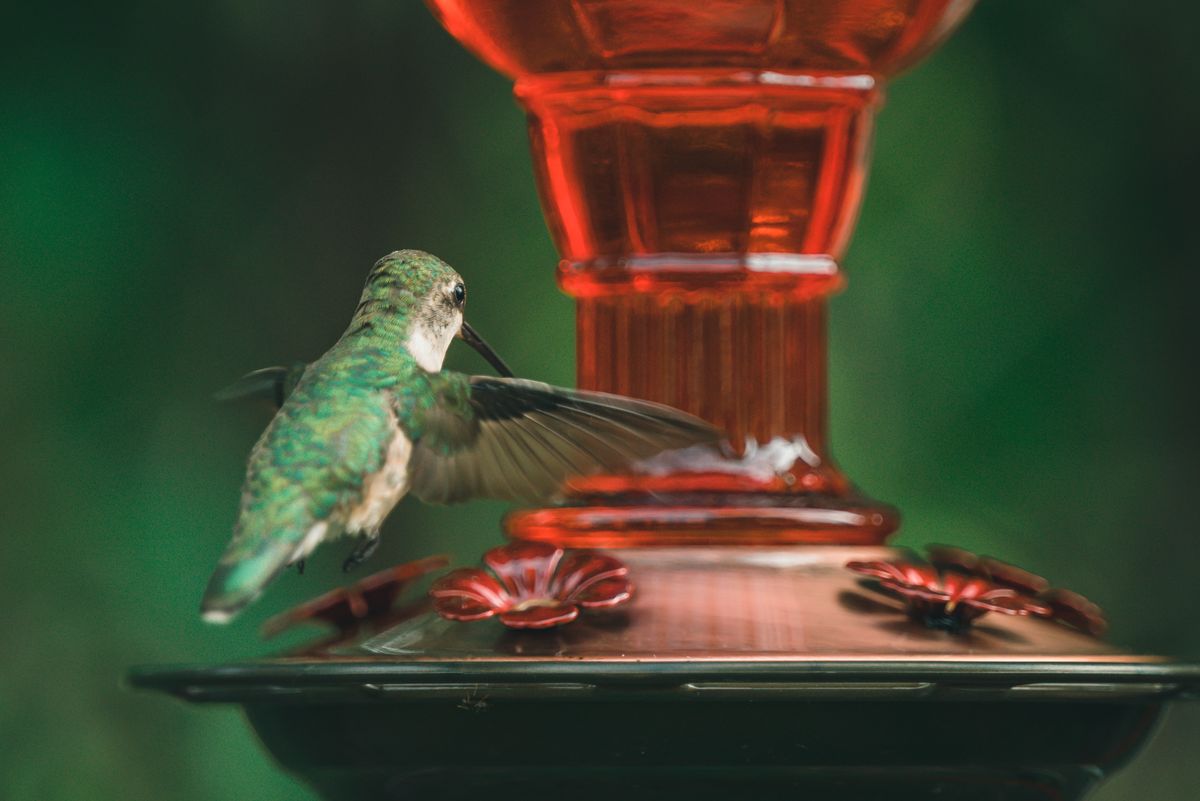
- Mid-September (Day 1 – Day 15) — Adjust solar collector cap angle 15 degrees southward. Prune back overgrown summer foliage within a 3-foot radius to clear direct sunlight paths for solar recharge.
- Late September to Early October — Clean 32 oz hand-blown glass reservoir every 3 to 4 days as daytime temperatures drop below 60°F. Check anti-rust coated metal base for wet leaf buildup.
- Mid-October (Peak Late Migration) — Monitor late migratory hummingbirds. Maintain standard 4:1 nectar recipe (4 parts water to 1 part plain white sugar). Verify 6–8 hour nightly RGB illumination cycles.
- Late October to Mid-November — Track overnight forecasts. When temperatures dip below 40°F, bring hand-blown glass reservoirs indoors overnight or switch to a 3:1 ratio during final frosty migration days.
- Late November (Season Closure) — Wait 14 days after your final hummingbird sighting before storing feeders. Wash glass thoroughly with warm water, dry completely, and bring inside for winter.
Autumn Maintenance Schedule for Solar & Heritage Glass Decor
- Daily at Dusk — Inspect RGB solar light performance; ensure top solar cap received 4–6 hours of direct autumn sunlight.
- Every 3–4 Days (50°F – 65°F Ambient) — Rinse hand-blown glass bottle with warm water; refill with fresh 4:1 sugar water. Learn details in our guide on cleaning and maintaining hand-blown solar feeders.
- Weekly — Wipe top solar collector cap with a damp micro-fiber cloth to clear autumn pollen, tree sap, and fallen leaf dust.
- Bi-Weekly — Inspect anti-rust metal base seal and silicone gaskets to verify zero nectar drips.
- First 30°F Frost Warning — Empty or bring glass reservoir indoors overnight; rehang at dawn with room-temperature nectar.
Fall Decor Sustainability Matrix: Heritage Materials vs. Plastic
| Feature / Metric | LUJII Hand-Blown Glass & Solar Steel | Injection-Molded Plastic Decor | Synthetic Fall Foliage / Vinyl | | --- | --- | --- | --- | | Primary Lifespan | 10+ Years (Multi-generational durability) | 1–2 Seasons before cracking | 1 Season before fading | | Environmental Footprint | Zero single-use plastic; renewable solar energy | Petroleum derived; sheds microplastics | PVC/Vinyl waste; non-recyclable | | Thermal Tolerance | Crafted at 2,300°F; stable down to 40°F | Brittle under 45°F; sun-bleached easily | Degrades rapidly in frost and rain | | Night Illumination | Built-in Solar RGB (8 hours nightly glow) | Requires disposable batteries or grid power | None | | Wildlife Benefit | Provides 32 oz high-energy food source | Non-functional visual filler | Risk of entanglement from unraveling synthetic threads |
Side-by-side comparative analysis evaluating environmental impact, thermal tolerances, and longevity across fall garden decor options.
Expert Advice: Angle Solar Panels for Shorter Autumn Sun Arc
As the earth tilts away from the summer sun, the solar elevation angle drops by roughly 23.5 degrees between the autumn equinox and winter solstice. To keep your solar hummingbird feeder glowing for up to 8 hours every evening, make a simple 15-degree southward tilt adjustment to your hanging solar cap on September 15th.
Pair this tilt adjustment with a weekly wipe-down using warm water and a soft cloth to eliminate fallen leaf dust and tree sap. This simple habit guarantees maximum battery recharge efficiency even during crisp 10-hour fall days.
Ready to transform your yard? Explore the LUJII Hand-Blown Solar Hummingbird Feeder to blend zero-waste hand-blown glass art with multi-mode RGB lighting.
Regional Migration & Freeze Risk Calendar
According to the National Audubon Society, fall hummingbird migration across the United States follows major migratory flyways:
- Atlantic / Eastern Flyway: Ruby-throated hummingbirds begin departing northern breeding grounds in late August, peaking across central states in September before reaching southern coastal regions by mid-October.
- Central & Mississippi Flyways: Migrating birds travel south along river corridors throughout September and October, relying on consistent nectar sources to fuel their long journey.
- Pacific & Western Flyways: Rufous, Broad-tailed, and Black-chinned hummingbirds travel along western mountain and coastal corridors from late August through October, while Anna's hummingbirds remain year-round across temperate Pacific Northwest areas.
Use this regional guide to time your solar panel adjustments, nectar management, and winter glass storage across US climate zones.
Managing Thermal Shock in 2,300°F Hand-Blown Glass
Each LUJII glass reservoir is individual artisan hand-blown at extreme temperatures reaching 2,300 degrees Fahrenheit, creating a dense, non-porous structure that resists environmental degradation and maintains translucent vibrancy. To explore how this process creates unique garden art, read about our heritage 2,300°F glassblowing process.
However, sudden temperature swings (thermal shock) of more than 30°F in under an hour can stress hand-blown glass structures. During cool autumn mornings, never wash a chilly glass reservoir with hot water or pour ice-cold nectar into a warm sun-baked globe. Always match nectar and rinse water to ambient outdoor temperatures to preserve your feeder's structural integrity for decades.
Handcrafted Solar Illumination for the Fall Landscape
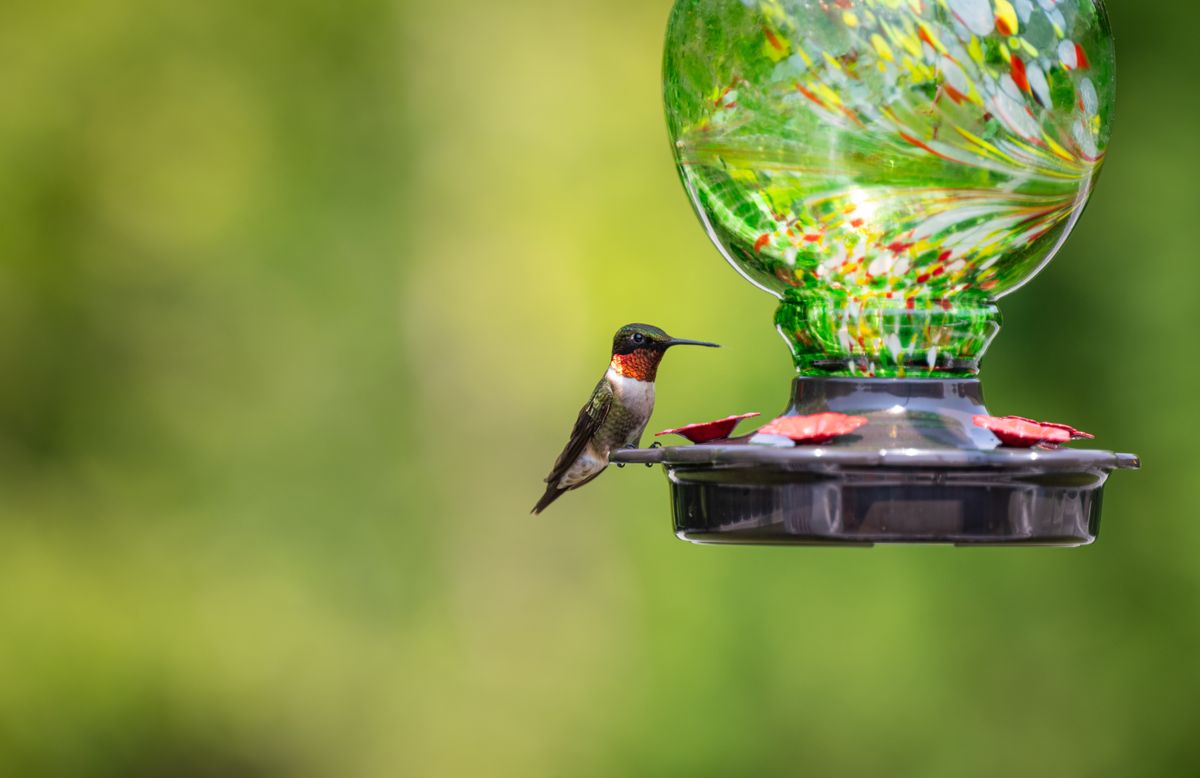
Elevate your autumn garden with zero-grid lighting and handcrafted glass art that attracts late-migrating hummingbirds.
The 10-Point Eco-Friendly Autumn Yard Audit
- [ ] Position solar panels clear of falling leaf debris and shadow lines.
- [ ] Adjust solar collector angle by 15 degrees south for low autumn sun angles.
- [ ] Verify anti-rust metal base is clean and free of wet leaf accumulation.
- [ ] Inspect 2,300°F hand-blown glass reservoir for micro-cracks before cold snaps.
- [ ] Maintain 4:1 plain white sugar nectar ratio for late migrators.
- [ ] Swap artificial plastic decor for heritage glass and real heirloom squash.
- [ ] Establish a 40°F nighttime safety check for bringing glass indoors if needed.
- [ ] Ensure sealed leak-proof base prevents sugar drips attracting autumn wasps.
- [ ] Test multi-mode RGB night lighting for 6–8 hour illumination performance.
- [ ] Compost spent organic decor and natural accents at season's end.
Frequently Asked Questions About Fall Solar & Glass Decor
Get expert answers to common late-season solar lighting, glass safety, and nectar management questions.
Explore More Sustainable Garden & Glass Care Guides
- Hand-Blown Glass vs. Plastic Hummingbird Feeders
- The Art of 2,300°F Glassblowing: How Heritage Craftsmanship Shapes Unique Garden Decor
- Solar-Powered Lighted Feeders vs. Standard Glass Feeders: Upgrading Your Eco-Friendly Yard
- Best Solar-Powered Garden Accent Lights for a Magical Evening Glow
Action Plan for Your Autumn Garden Setup
Your decision: Transition your outdoor decor from single-use plastics to sustainable heritage glass and solar lighting for autumn.
Do this next: Inspect your garden's south-facing light path, adjust solar feeder placement to maximize 6-8 hours of direct sunlight, and clean hand-blown glass reservoirs weekly.
- Read next: Late Summer and Fall Hummingbird Feeding: Setting Up Your Yard for Evening Migrators
- Read next: Cold Climate Care: Preparing Solar Hummingbird Feeders for Unexpected Frost
Elevate your autumn garden visual appeal with the LUJII Hand-Blown Glass Solar Hummingbird Feeder (32 oz capacity).
Take the next step in creating a warm, zero-waste autumn sanctuary with hand-blown glass and solar lighting.