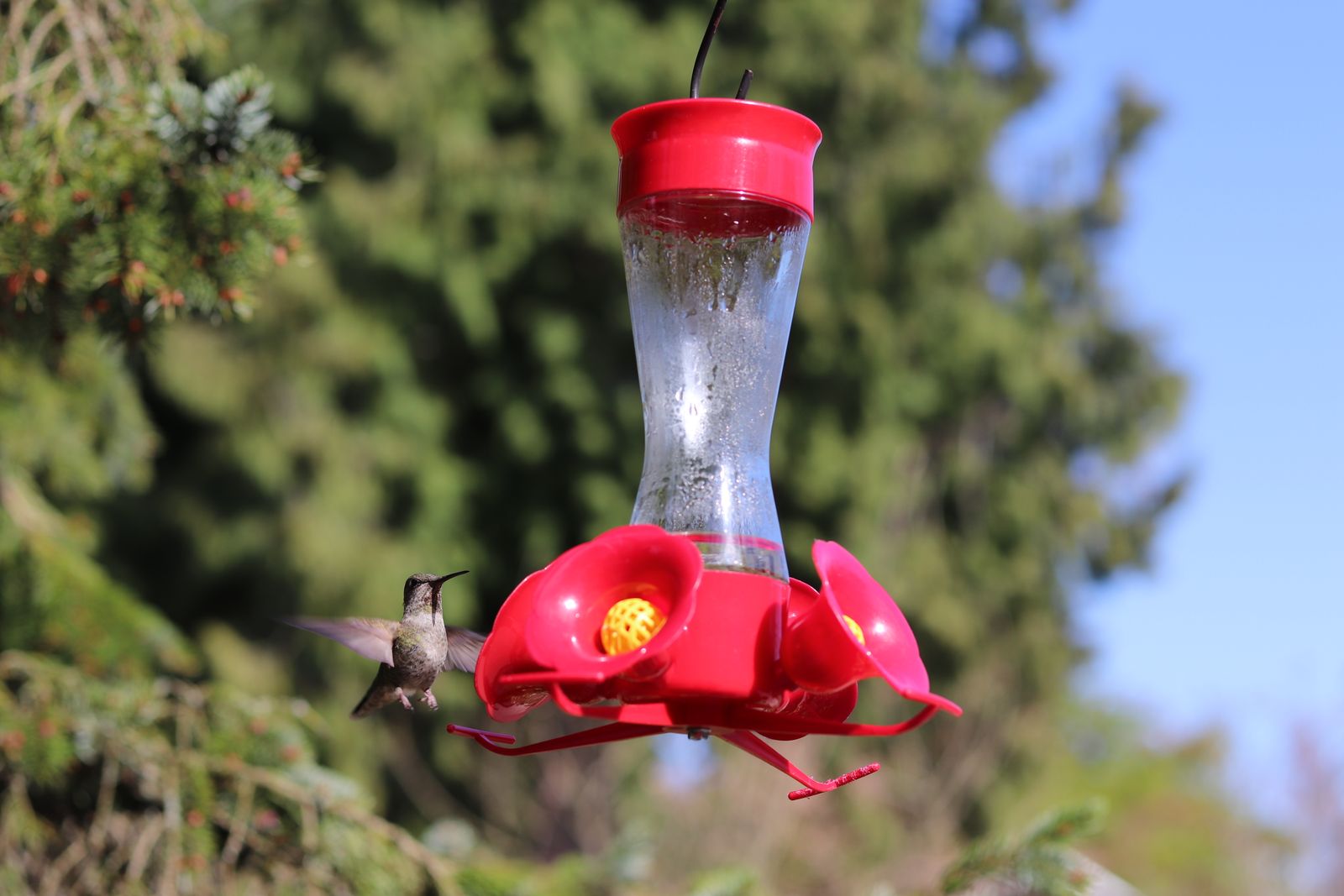
Hand-Blown Glass vs. Plastic Hummingbird Feeders: Why Artisan Craftsmanship Wins
Hand-blown glass hummingbird feeders are superior to plastic because non-porous glass prevents bacterial growth in surface scratches, withstands intense UV solar degradation without yellowing, keeps nectar cooler, and provides heirloom-quality garden decor. While plastic costs less initially, non-toxic 2,300°F craft glass delivers safer bird nutrition and multi-season durability.
Material Side-by-Side: Artisan Glass vs. Molded Plastic
| Evaluation Criteria | Artisan Hand-Blown Glass | Molded Utility Plastic |
| --- | --- | --- |
| Microscopic Surface Structure | Smooth, non-porous fire-polished seal; completely scratch-resistant to standard cleaning brushes. | Soft polymer prone to micro-scratches from cleaning brushes, which harbor mold spores. |
| UV Stability & Fading | 100% UV-immune; translucent glass pigments never yellow, chalk, or fade under direct sunlight. | Degrades under solar UV-A/UV-B radiation, causing embrittlement, cloudiness, and cracking within 1-2 seasons. |
| Chemical Non-Toxicity | Zero chemical leaching or microplastic shed, even when heated by high summer sun. | Potential bisphenol or phthalate off-gassing and microplastic sloughing during heatwaves. |
| Thermal Buffer Capacity | Thick wall glass absorbs heat slowly, delaying nectar fermentation during peak summer afternoons. | Thin plastic walls transfer solar heat rapidly, accelerating sugar water spoilage within hours. |
| Base Threading & Seal Durability | Heavy-gauge metal bases with anti-rust rubber seals eliminate leak paths and sagging. | Plastic threads warp under heat stress, causing seal failures, nectar drips, and ant infestations. |
| Garden Visual & Night Decor | Captures sunlight with optical refraction; ideal ambient diffuser for solar-powered RGB night lighting. | Opaque or cloudy appearance; diffuses light unevenly and dulls garden aesthetics. |
Compare the core structural and health characteristics of handcrafted 2,300°F glass against injection-molded utility plastic feeders.
Trade-offs at a Glance: Glass vs. Plastic
Pros
- Non-porous surface guarantees complete sterilization during routine cleaning.
- Heirloom aesthetic made by master artisans shaping glass at 2,300°F.
- Maintains structural integrity through hot summer sun without chemical leaching.
- Seamless integration with solar RGB lighting for ambient nighttime garden illumination.
- Heavy weight prevents excessive swinging and nectar spills during light summer storms.
- Higher initial investment compared to mass-produced plastic feeders.
- Requires careful handling during cleaning to prevent drops on hard concrete patio surfaces.
Pro Insight: Thermal Mass & Bacteria Control in Nectar
When evaluating nectar safety, material density is just as critical as shade placement. High-density hand-blown glass acts as a natural thermal insulator. In direct sunlight, thin-walled plastic allows internal liquid temperatures to spike past 100°F rapidly, creating an ideal breeding ground for Candida yeast and deadly black mold (Cladosporium). By contrast, handcrafted craft glass moderates internal temperature shifts, giving you a wider safety window between nectar changes.
Featured Craftsmanship: The LUJII Solar Hand-Blown Glass Feeder
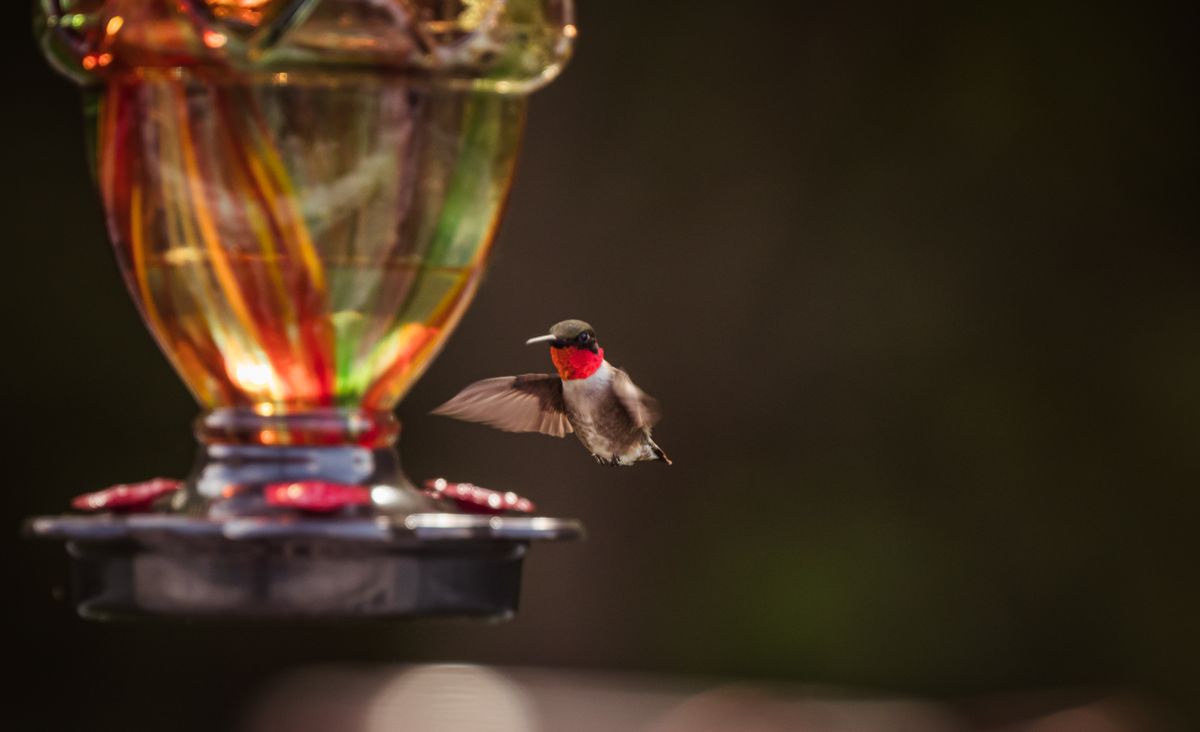
The LUJII Solar-Powered Hand-Blown Glass Hummingbird Feeder represents the gold standard in garden decor and avian health. Every single glass reservoir is individually mouth-blown by heritage artisans working at 2,300°F furnace temperatures, yielding a unique, light-refracting masterpiece.
- 32 fl. oz. Capacity: Generous see-through reservoir with sealed, leak-proof metal base.
- Solar RGB Illumination: Integrated top-mounted solar cap automatically charges by day and casts up to 8 hours of soft, multi-mode night ambient glow.
- All-Weather Protection: Anti-rust coated metal base and waterproof solar housing protect against rain, snow, and UV rays.
Visual Evidence: Microscopic Surface Integrity
Understanding why plastic harbors stubborn mold while hand-blown glass washes clean instantly comes down to surface topography.
Frequently Asked Questions: Glass vs. Plastic Feeders
How do I safely clean a hand-blown glass hummingbird feeder without damaging the artwork?
Hand-blown glass should be soaked in a mild solution of four parts warm water to one part distilled white vinegar, then rinsed thoroughly with clean water. Avoid abrasive metal wire brushes or dishwashers, as rapid thermal shock or harsh detergents can dull the fire-polished surface seal.
Will extreme winter cold or sudden freezing temperatures crack hand-blown glass?
Thick craft glass readily withstands normal outdoor temperature shifts. However, because freezing nectar expands, you should bring glass feeders indoors if temperatures plunge well below freezing (32°F / 0°C) to protect the base seals and glass body.
How does solar-powered lighting attract twilight pollinators without disturbing birds?
Hummingbirds operate strictly on a diurnal cycle and sleep (enter torpor) shortly after sunset. The gentle RGB ambient light powered by the integrated solar cap glows softly for up to 8 hours at night, creating gorgeous garden ambiance without disrupting natural sleeping cycles.
Answers to common reader queries regarding glass cleaning routines, winter freeze risks, and solar lighting dynamics.
Key Takeaways: Why Artisan Glass Outperforms Utility Resin
- Hygiene First: Non-porous glass prevents micro-scratch fungal colonies that thrive inside scrubbed plastic containers.
- UV Resilience: Handcrafted 2,300°F glass never yellow, embrittles, or releases toxic microplastics under summer sun.
- Thermal Balance: Dense glass walls help shield sugar water from extreme temperature spikes, retarding nectar spoilage.
- Dual-Purpose Ambiance: Artfully blown glass acts as a light sculpture by day and diffuses radiant solar RGB illumination by night.
Decision Matrix: Which Feeder Material Suits Your Yard?
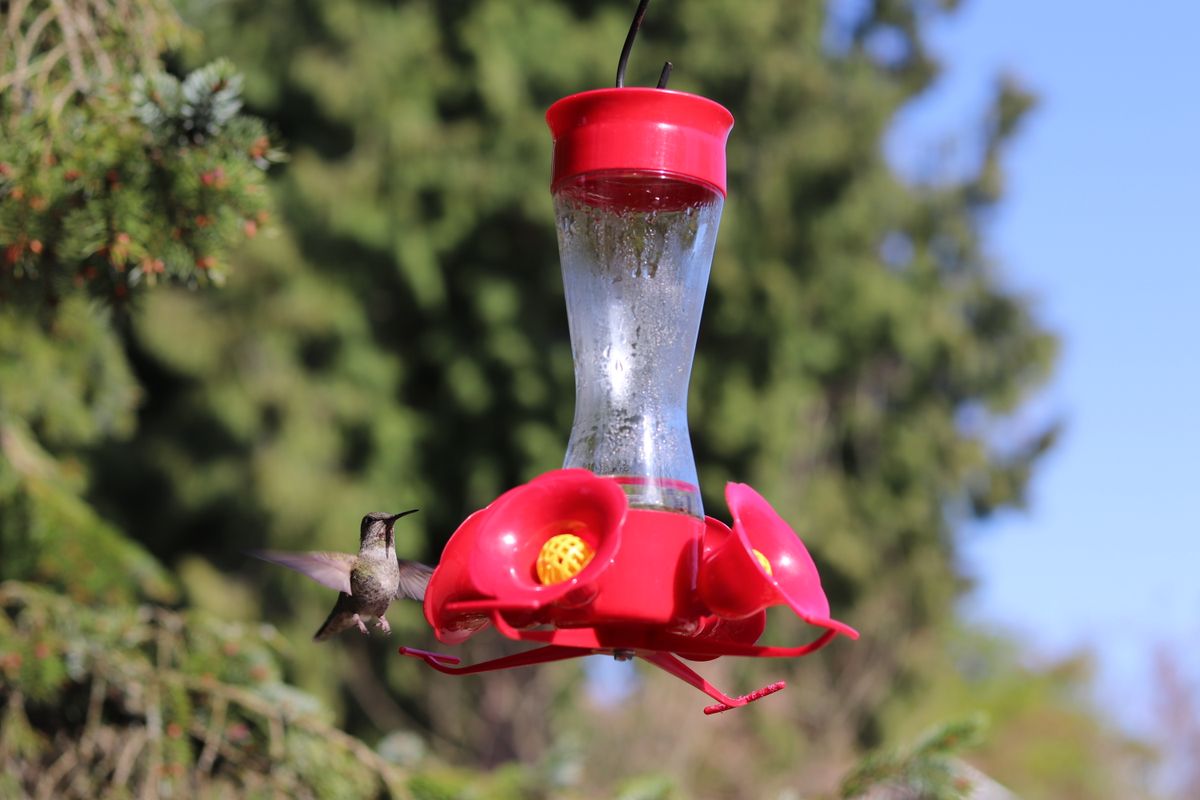
Hand-blown glass is the best choice for long-term durability, hummingbird health, and artistic garden appeal. Plastic serves best as a temporary or hyper-budget emergency option.
Best choice for
- Hand-Blown Glass Feeder — Resists UV fading, eliminates chemical leaching in hot sun, and provides 2,300°F hand-crafted artistic elegance.
- Reinforced Plastic or Padded Hanging Glass — Plastic avoids shattering upon high impact, though heavy-gauge glass on anti-rust metal stands also mitigates risk.
- Avoid plastic feeders if you live in high solar irradiance regions (UV index 8+) where thin resins degrade, cloud, and crack within one season.
- Avoid cheap hollow glass without rust-proof metal bases that leak nectar onto garden ground.
- LUJII Solar-Powered Hand-Blown Glass Feeder — Combines non-porous artisan glass artwork with a sealed leak-proof metal base and auto-charging RGB solar lights.
Real-World Backyard Scenarios: Performance Under Sunlight & Weather
Peak Summer Heatwave (95°F+ direct sun exposure) — Hand-blown glass maintains structural integrity and slows thermal spikes. Plastic feeders frequently warp at base threads, leading to slow leaks that attract yellowjackets and ants.
Frequent High-Humidity Rainstorms — Choose a glass feeder with an anti-rust coated metal base and waterproof plastic solar cap. Mold grows rapidly on scratched humid plastic, whereas glass washes clean effortlessly.
Evening Backyard Entertaining & Patio Lighting — Solar-powered hand-blown glass feeders double as luminous garden art, storing solar energy during the day to emit soft RGB illumination across your garden at night.
Here is how both feeder types perform under actual outdoor conditions across the United States.
To appreciate why seasoned birdwatchers favor hand-blown glass over plastic, one must look closely at how materials interact with natural sunlight, cleaning tools, and avian biology.
Micro-Grooves and Fungal Retention
When you clean a plastic feeder with a standard nylon bottle brush, the brush bristles leave tiny micro-abrasions across the soft interior wall. While invisible to the naked eye, these micro-grooves act as secure anchor points for fungal spores such as Candida reukaufii and Cladosporium. Even after thorough rinsing, bacteria remains trapped inside these microscopic crevices, quickly corrupting fresh sugar water.By contrast, hand-blown glass created at 2,300°F undergoes high-temperature fire polishing. This fuses the silica into an ultra-smooth, non-porous surface. Fungal spores cannot adhere to high-fire glass, allowing a simple soak in a 1:4 white vinegar solution to achieve complete sanitation without scrubbing.
UV Degradation & Microplastic Off-Gassing
In regions across the Sunbelt and high-altitude areas, intense solar UV radiation breaks down polymer chains in molded utility plastic. Over a single summer, plastic feeders lose transparency, turn milky, and become brittle. Under heat stress exceeding 90°F, low-grade plastic can leach organic chemical compounds into acidic sugar solutions.Conversely, translucent glass colored with inorganic metallic oxides is immune to UV degradation. The brilliant ruby, cobalt, and amber hues embedded in hand-blown glass never fade or cloud, maintaining maximum optical brilliance for decades.
For readers interested in master glassmaking techniques, read our detailed feature on the art of 2,300°F glassblowing craftsmanship to discover how heritage artists shape these weather-resistant vessels.
Optical Refraction and Dual-Purpose Night Ambience
Hummingbirds possess extraordinary visual acuity, detecting vibrant colors across long distances. Handcrafted glass features subtle thickness variations and artistic swirls that bend and refract natural sunlight into glittering focal points, attracting migrating birds far more effectively than flat, dull plastic.Furthermore, when paired with modern solar energy storage, glass becomes a captivating nighttime garden accent. Solar-capped glass feeders store sunlight through top-mounted photovoltaic cells and release soft RGB lighting after dusk. Because hummingbirds rest in torpor at night, these subtle glowing accents enhance human garden aesthetics without interfering with natural bird behavior. To learn more about nighttime yard styling, explore our guide on upgrading to solar-powered hummingbird feeders or check out tips on safely cleaning a hand-blown glass feeder.
Explore Heritage Glass & Backyard Solar Care
Expand your knowledge on backyard bird care, seasonal decor styling, and feeder maintenance:Recommended Solar Glass Feeders
Bring handcrafted beauty and reliable solar lighting to your backyard with our top-rated artisan feeder.
Actionable Next Steps for Backyard Bird Lovers
Your decision: Choose hand-blown glass if you prioritize hummingbird health, long-term UV durability, and year-round garden elegance.
Do this next: Upgrade to an artisan glass feeder equipped with anti-rust metal bases and solar lighting to maximize day and night garden enjoyment.
Related resource: Download our printable Hummingbird Nectar Maintenance Calendar for seasonal care guidelines.LUJII Hand-Blown Solar Hummingbird Feeder (32 oz capacity with RGB night lighting).
Take these concrete steps to upgrade your garden setup and safeguard your local hummingbird population.