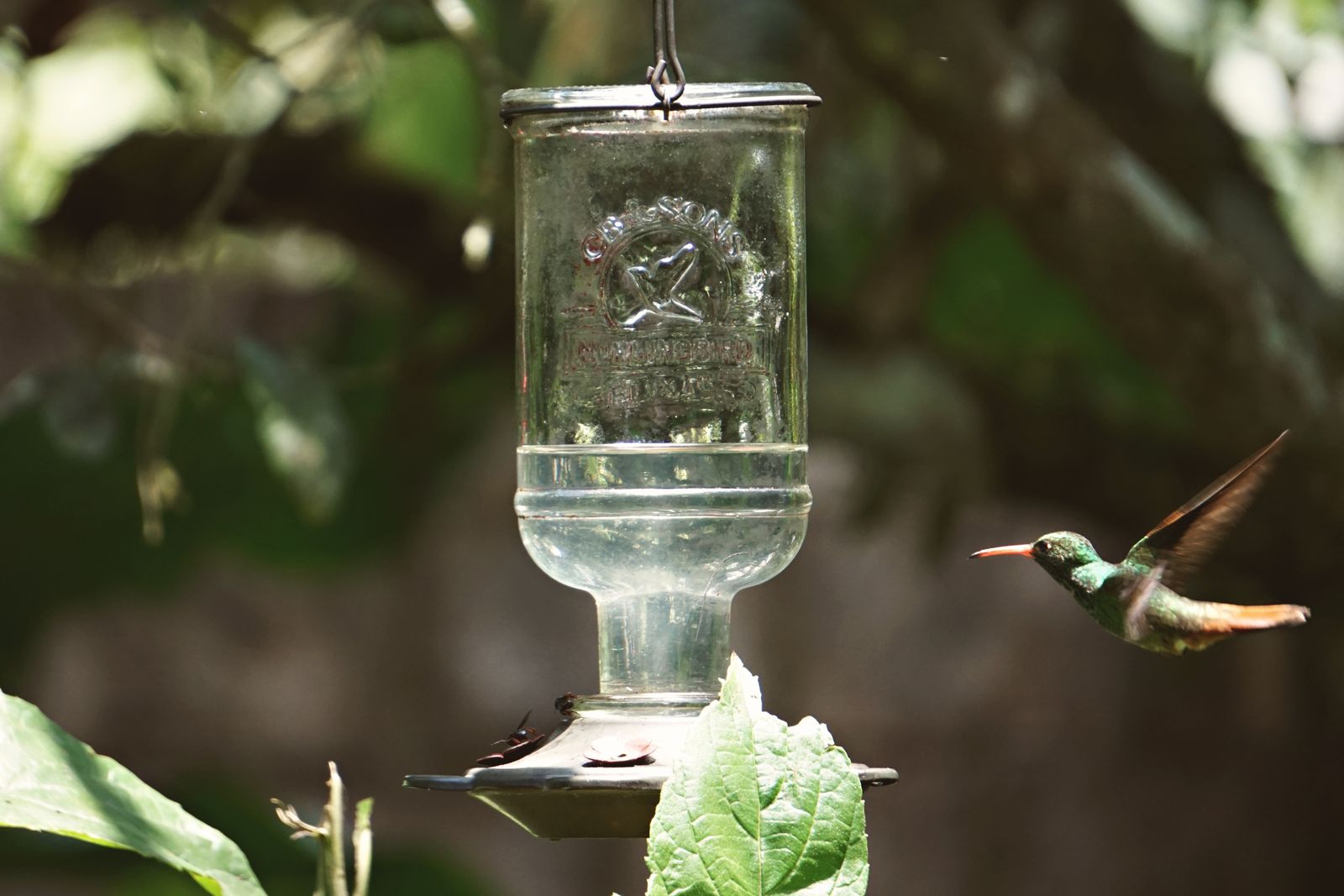
2,300 Degree Hand-Blown Glass Art: History, Science, and Garden Decor Craft
ARTICLE TITLE: 2,300 Degree Hand-Blown Glass Art: History, Science, and Garden Decor Craft ARTICLE MARKDOWN: Should you choose 2,300°F hand-blown glass over standard machine-molded glass or plastic for outdoor garden decor? Yes. Heating silica sand to 2,300°F completely vitrifies raw minerals, permanently fusing rich color pigments directly into the liquid glass matrix. This high-temperature artisan process eliminates peeling paint, resists intense solar UV bleaching, and delivers unmatched optical vibrancy compared to mass-produced alternatives.
Technical Specification Matrix: Hand-Blown Glass Physics
| Technical Parameter | 2,300°F Hand-Blown Glass | Machine-Molded Soda Glass | UV-Polycarbonate Plastic |
| --- | --- | --- | --- |
| Working Furnace Temperature | 2,100°F – 2,300°F (1,150°C – 1,260°C) | 1,400°F – 1,600°F (760°C – 870°C) | 350°F – 500°F (Molding Temp) |
| Color Integration Method | Crushed mineral frit melted into body matrix | Surface spray film or late-stage dip paint | Chemical dyes blended in resin slurry |
| UV Degradation & Fading | Zero fade (permanent elemental mineral bonds) | High (surface paint flakes and bleaches in 1–2 seasons) | Severe (yellows, clouds, and structural embrittlement) |
| Surface Finish & Mold Seams | Seamless organic curves; unique blowpipe pontil finish | Rigid, prominent 2-part vertical machine mold seams | Injection gate marks and raised molding lines |
| Optical Light Transmission | High clarity with refractive depth and color swirls | Uniform, low refractive depth with dull reflection | Translucent initially; degrades into cloudy haze |
| Thermal Shock Tolerance | High (when annealed over 12–24 hours) | Moderate (rapid surface cooling leaves internal stress) | Low thermal stability (warps under direct summer heat) |
Understanding the physical properties of outdoor decorative materials reveals why high-heat artisanal glass outperforms factory-molded alternatives under harsh environmental exposure.
Visualizing the Glassblowing Process: From Molten Furnace to Garden Decor
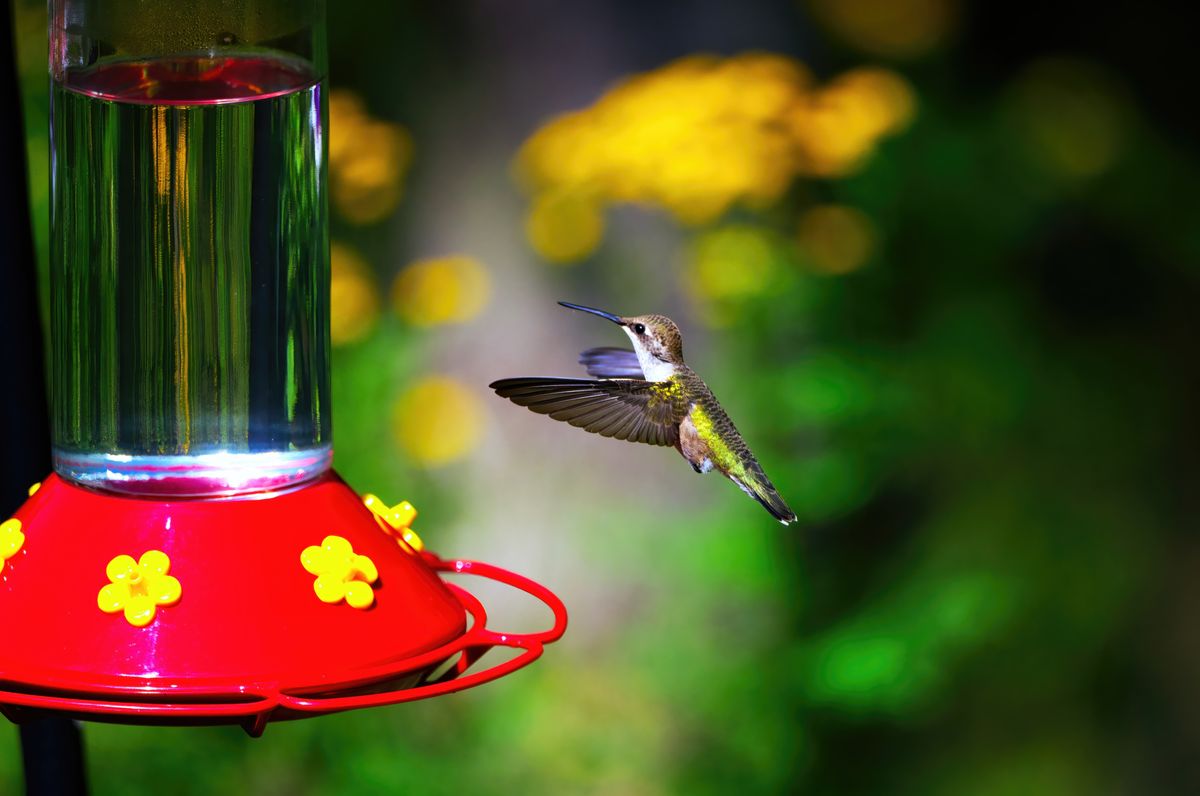
Photo by DANNIEL CORBIT on Pexels
The creation of handcrafted garden glass requires precise timing, thermal management, and generational artisan skill. Below is the structural workflow of shaping 2,300°F liquid silica into outdoor art.
Historical Evolution: From Ancient Kilns to Modern Solar Glass Art
- 1st Century BCE — Syrian glassmakers invent the blowpipe, allowing craftsmen to inflate molten glass into hollow, artistic forms rather than core-molding solid shapes.
- 13th Century CE — Venetian glassmasters on the island of Murano refine high-temperature kiln designs, pioneering clear glass (cristallo) and mineral color integration techniques.
- 19th Century CE — The Arts and Crafts Movement elevates glassblowing from purely functional apothecary jars to decorative outdoor garden features and blown art glass.
- 21st Century CE — Artisans integrate solar micro-photovoltaics and RGB LED engines with 2,300°F hand-blown glass reservoirs, creating self-illuminating outdoor garden decor.
Artisan Tip: Evaluating Hand-Blown Glass in the Field
When evaluating whether a piece of garden decor is authentically hand-blown or a factory imitation, examine the body under direct sunlight. Look for subtle organic swirls and tiny, spherical micro-bubbles (seeds) trapped deep within the glass. Machine-molded glass uses chemical defoamers and rigid two-part molds that leave straight vertical seams along the sides. Genuine 2,300°F hand-blown glass will never possess straight side seams and will display a smooth, seamless exterior with rich, three-dimensional color depth.
Frequently Asked Questions About 2,300°F Hand-Blown Glass Decor
Answers to common questions regarding high-temperature glass crafting, outdoor durability, and weather maintenance.
Core Insights: Why High-Temp Hand-Blown Glass Outlasts Molded Alternatives
Key facts to remember when selecting handcrafted outdoor glass decor for your yard or garden.
Choosing Outdoor Decor: Hand-Blown Glass vs. Molded Glass vs. Acrylic
Hand-blown glass crafted at 2,300°F is best for homeowners seeking unique, fade-proof outdoor art with eternal color clarity. Machine-molded glass or plastic should be avoided if you want non-fading heirloom quality.
Best choice for
- 2,300°F Hand-Blown Glass — Mineral color pigments are fused directly into molten silica at 2,300°F, ensuring colors never peel or fade in full sunlight.
- Translucent Hand-Blown Glass Feeders — Handcrafted variable glass thickness offers rich color depth while maintaining high optical clarity to monitor nectar levels.
- You require uniform factory-identical mass units without minor organic variation or micro-bubbles.
- You leave glass items filled with liquid outside during below-freezing hard winter freezes.
- Machine-Molded Glass — Lower initial cost and uniform shape, but prone to surface paint peeling and visible manufacturing seam lines.
- UV-Stabilized Polycarbonate Plastic — Shatterproof for severe weather, but prone to yellowing, clouding, and scratching over time.
Why Standard Garden Decor Fails in the Elements
Every homeowner who loves garden styling has experienced the disappointment of short-lived outdoor accents. You buy a brightly painted glass ornament or acrylic bird feeder, only to watch it deteriorate after one summer in the American sun.
Standard mass-market outdoor accents suffer from three primary failure modes:
The Science of 2,300°F Molten Glassblowing
The solution to these environmental failure modes lies in traditional high-temperature furnace glassblowing. At 2,300°F (1,260°C), raw silica sand melts into a homogenously liquid state. Glass artists gather this liquid furnace molten glass onto the tip of a hollow steel blowpipe.
To introduce color, the hot gather is rolled over a marver table coated with "frit"—crushed particles of specialized mineral-tinted glass. As the artist reheats the gather in the glory hole, these mineral frits melt directly into the silica matrix:
- Cobalt Oxide yields vibrant, deep blues.
- Copper and Chromium produce emerald greens and turquoise.
- Cadmium and Gold Chlorides create brilliant, non-fading ruby reds and sunset oranges.
Annealing: The Hidden Step in Outdoor Glass Durability
Blowing molten glass into shape is only half the process. If a freshly shaped hand-blown glass reservoir were allowed to cool rapidly at room temperature, the exterior surface would solidify while the interior glass wall remained hot and expanded. This thermal differential creates massive internal mechanical tension, causing the piece to spontaneously shatter upon the slightest bump.
To ensure structural resilience for outdoor garden use, every piece undergoes a rigorous annealing process. Immediately after shaping, the glass piece is placed inside an annealing kiln preheated to approximately 1,000°F (538°C). Over 12 to 24 hours, the furnace temperature is brought down at a strictly controlled rate. This slow thermal decrease allows the molecular network across the variable thickness of the glass to settle evenly, completely relieving internal stresses. The result is a solid, robust hand-blown reservoir capable of enduring hot summer heatwaves and windy garden conditions.
Hand-Blown Glass Art vs. Machine-Molded Glass & Plastic
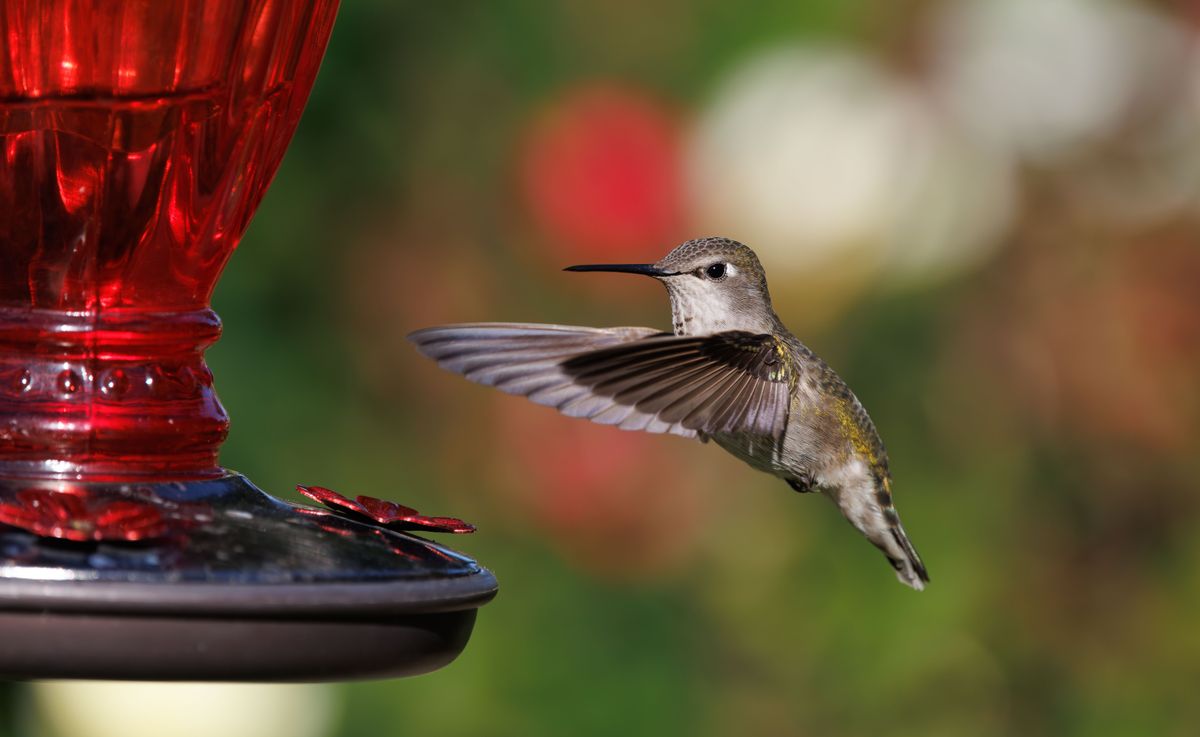
Photo by Veronika Andrews on Pexels
| Evaluation Criteria | 2,300°F Hand-Blown Glass Art | Machine-Molded Glass Decor | Polycarbonate / Acrylic Plastic |
| --- | --- | --- | --- |
| Color Integration & Permanence | Mineral frits fused into 2,300°F body; zero fade or peel | Surface paint spray; flakes off in 1–2 outdoor seasons | Dyes mixed in resin; yellows and bleaches under UV rays |
| Visual Unique Character | 100% unique; organic color swirls and micro-bubbles | Mass-produced identical units with stamped patterns | Uniform industrial mold look with visible flash lines |
| Surface Finish & Seams | Smooth, continuous curves with no mold seams | Sharp vertical 2-part machine mold seams along sides | Raised injection molding seams and gate marks |
| Optical Depth & Reflection | Deep optical refraction; catches solar & ambient light | Flat surface reflection with low color depth | Dull sheen; quickly scratches and clouds over time |
| Eco-Friendliness & Safety | Inert natural minerals; zero chemical leaching | Surface paint can shed micro-paint flakes into garden | Petroleum-based synthetic polymers; prone to micro-scratches |
| Long-Term Value | Heirloom garden art that lasts indefinitely with care | Disposable accent item requiring frequent replacement | Short lifespan item; discolors and embrittles quickly |
A side-by-side evaluation of structural, visual, and longevity criteria across outdoor decor materials.
Outdoor Failure Modes: Why Low-Quality Garden Glass Cracks or Fades
Protect your investment in garden decor by avoiding these common purchasing and maintenance errors:
Explore Related Guides on Glass Care and Garden Decor
Expand your knowledge of outdoor aesthetics, feeder care, and bird-watching setups with our educational guides:
Artisanal Solar Hummingbird Feeders: Hand-Blown Beauty Met with Solar Innovation
Discover how handcrafted 2,300°F glass blowing and modern solar lighting combine to create stunning garden centerpieces.
Your Next Steps in Garden Glass Care and Selection
Your decision: Determine whether you prefer unique, non-fading hand-blown glass art over generic factory-molded outdoor decor.
Do this next: Select a handcrafted 2,300°F solar hummingbird feeder featuring embedded mineral frits and a rust-resistant metal base for your garden.
- Read next: Hand-Blown vs. Factory-Molded Glass Feeders: Why Handcrafted Detail Matters
Check out the LUJII Solar Hand-Blown Glass Hummingbird Feeder (32 oz capacity with RGB night illumination).
Follow these recommended actions to select, position, and care for handcrafted glass art in your outdoor sanctuary.
Cover photo by DΛVΞ GΛRCIΛ on Pexels.