5 Eco-Friendly Garden Decor Ideas to Replace Backyard Plastics with Heritage Materials
The 3:1 Backyard Plastic Rule dictates replacing every 3 short-lived, petroleum-based plastic yard items with 1 heirloom-quality heritage piece crafted from 2,300°F hand-blown glass, anti-rust coated metal, or fired terracotta. Standard polypropylene garden decor degrades after just 12 to 18 months of solar UV exposure, leaching microplastics into garden soil and wild bird nectar. Upgrading to an artisan hand-blown solar glass hummingbird feeder eliminates annual landfill waste, prevents chemical leaching, and delivers up to 8 hours of zero-emission nighttime RGB illumination year after year.
Key Takeaways: Heritage Glass & Metal vs. Flimsy Plastics
- Zero Microplastic Leaching: Hand-blown glass reservoirs withstand intense summer sun without degrading or releasing toxic chemicals into 32 fl.oz nectar supplies.
- 2,300°F Artisan Craftsmanship: Color patterns are fused directly into molten glass at 2,300 degrees Fahrenheit, ensuring vibrant hues that never fade, peel, or scratch off.
- Dual-Purpose Twilight Beauty: Integrated solar caps capture sunlight by day and automatically project RGB lighting for up to 8 hours at night with zero heat emission.
- Weatherproof Anti-Rust Metal: Coated steel and cast iron bases prevent rust stains and withstand rain, snow, and wind far better than lightweight hollow plastic.
- 10-Year Longevity vs. 1-Season Waste: Heritage glass and metal pieces outlast cheap molded plastics by nearly 10x, saving money while protecting local wildlife.
5-Step Plastic Replacement Timeline for Backyard Spaces
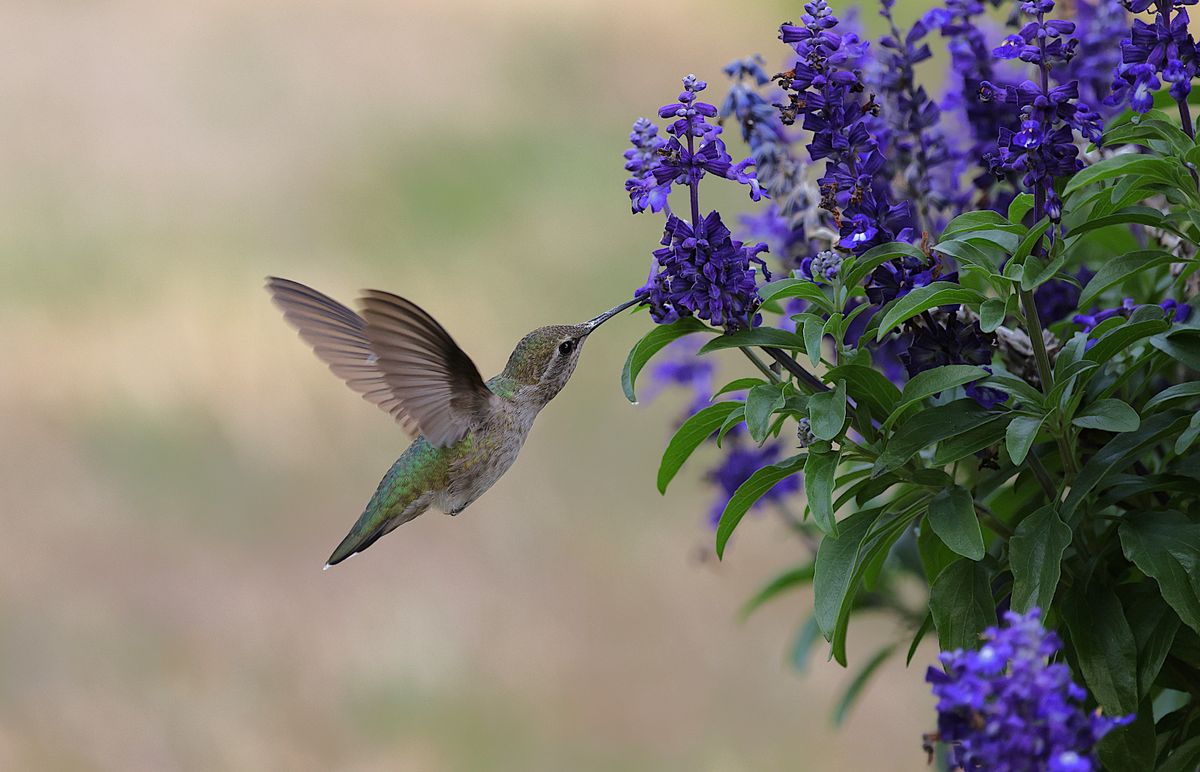
Photo by Veronika Andrews on Pexels
- Week 1: Backyard Plastic Audit — Inspect all outdoor plastic decor, bird feeders, stake lights, and pots for yellowing, micro-cracks, and brittleness caused by UV exposure.
- Week 2: Wildlife Station Upgrade — Replace yellowing plastic nectar feeders with a 32 fl.oz 2,300°F hand-blown glass feeder featuring an anti-rust metal base and leak-proof seal.
- Week 3: Twilight Lighting Swap — Remove battery-powered plastic pathway stakes and replace them with solar-charged glass accents that deliver up to 8 hours of ambient RGB lighting.
- Week 4: Planter & Hardware Upgrade — Swap out cracking plastic nursery pots and nylon hanging cords for natural terracotta planters and heavy-duty powder-coated anti-rust steel hooks.
- Week 5: Freeze & Maintenance Protocol — Establish a quarterly cleaning schedule and prep indoor storage locations for liquid glass decor ahead of sub-freezing winter spells.
Seasonal Heritage Material Care & Cleaning Schedule
- Spring (March – May) — Rinse hand-blown glass with warm water and soft natural brushes. Inspect solar cap silicone seals and deploy 32 fl.oz of fresh 1:4 nectar.
- Summer (June – August) — Wash glass reservoir bi-weekly to prevent mold. Wipe the solar panel collector with a microfiber cloth to ensure 100% light absorption for 8-hour RGB night runs.
- Autumn (September – November) — Clear fallen leaves and debris from solar caps. Maintain clean nectar for late-season migrating hummingbirds until first hard freeze.
- Winter (December – February) — Bring liquid-filled glass decor indoors when temperatures dip below 32°F. Store solar caps near sunny interior windows to maintain battery health.
Expert Tip: Shaded Nectar Protection with Direct Solar Exposure
To maximize both solar light output and nectar freshness, hang your solar feeder beneath a partial tree canopy or eave where the top solar panel receives at least 4 to 6 hours of direct morning sunlight, while the 32 fl.oz glass reservoir stays sheltered from scorching afternoon heat. Modern solar LED caps utilize cool-spectrum lighting that generates zero thermal radiation (0°F heat transfer), ensuring your nectar stays fresh all evening without fermenting or harming roosting hummingbirds.
Visual Breakdown: 5 Heritage Swaps for a Plastic-Free Yard
This visual comparison outlines the 5 key plastic-to-heritage material upgrades for an eco-conscious backyard sanctuary.
Side-by-Side Matrix: Heritage Materials vs. Molded Backyard Plastics
| Performance Metric | Molded Polypropylene Plastic | 2,300°F Hand-Blown Glass | Coated Anti-Rust Metal |
| --- | --- | --- | --- |
| Average Lifespan | 1 to 2 Seasons (12–18 mos) | 10+ Years (Heirloom quality) | 10+ Years (Weatherproof) |
| UV Resistance | Degrades, yellows, and cracks | 100% Impervious to UV rays | 100% Impervious with Powder Coating |
| Microplastic Risk | High chemical leaching in summer heat | Zero Leaching (100% Inert) | Zero Leaching (Non-toxic finish) |
| Color Longevity | Surface paint fades in 90 days | Permanent (Fused into glass at 2,300°F) | Anti-fade powder coating |
| Night Illumination | Fogged plastic lens / battery decay | 8-Hour RGB Solar LED (Cool-burn) | Heavy-duty protective housing |
| 5-Year Cost Outlay | $75–$120 (Frequent replacement) | $35–$45 (One-time purchase) | Included in premium glass build |
Evaluating long-term costs, environmental impact, and material performance reveals why artisan glass and coated metals far outmatch standard backyard plastics.
Four-Season Yard Material Transition & Maintenance Calendar
| Season | Key Plastic Swap Focus | Glass & Solar Maintenance | Wildlife & Nectar Strategy |
| --- | --- | --- | --- |
| Spring | Replace cracked plastic feeders with blown glass | Deep clean hand-blown glass with warm water | Fill 32 fl.oz capacity with fresh 1:4 sucrose solution |
| Summer | Swap brittle plastic stakes for solar glass accents | Check IP65 solar cap seal and rinse reservoir | Refresh nectar every 3 days during heatwaves |
| Autumn | Audit hanging hooks and plastic plant ties | Wipe solar panels to remove dust and leaves | Keep feeder active for late migrating hummingbirds |
| Winter | Store plastic ornaments that crack in cold | Bring liquid glass indoors below 32°F freeze mark | Clean anti-rust metal base for spring deployment |
Coordinate your garden decor swaps with natural seasonal shifts to protect handcrafted glass art and support wild bird migration patterns.
Featured Eco-Friendly Upgrade: LUJII Solar-Powered Hand-Blown Glass Feeder
If you are ready to make your first high-impact heritage swap, the LUJII Solar-Powered Hand-Blown Glass Hummingbird Feeder represents the gold standard in sustainable garden decor.
Why It Outperforms Flimsy Plastic Alternatives:
- Artisan Glass Art: Handcrafted by master glassblowers shaping curves at 2,300°F, ensuring every piece is a one-of-a-kind translucent sculpture.
- 32 fl.oz Capacity & Leak-Proof Base: Slender, sealed design minimizes drips and spills while letting you monitor nectar levels at a glance.
- Solar RGB Night Lighting: Solar cap recharges during the day to deliver up to 8 hours of automatic RGB illumination with zero electrical wiring or battery waste.
- Weatherproof Anti-Rust Metal: Heavy-duty metal base features a protective anti-rust coating built to withstand severe wind and rain.
Actionable Steps for Your Backyard Plastic Transition
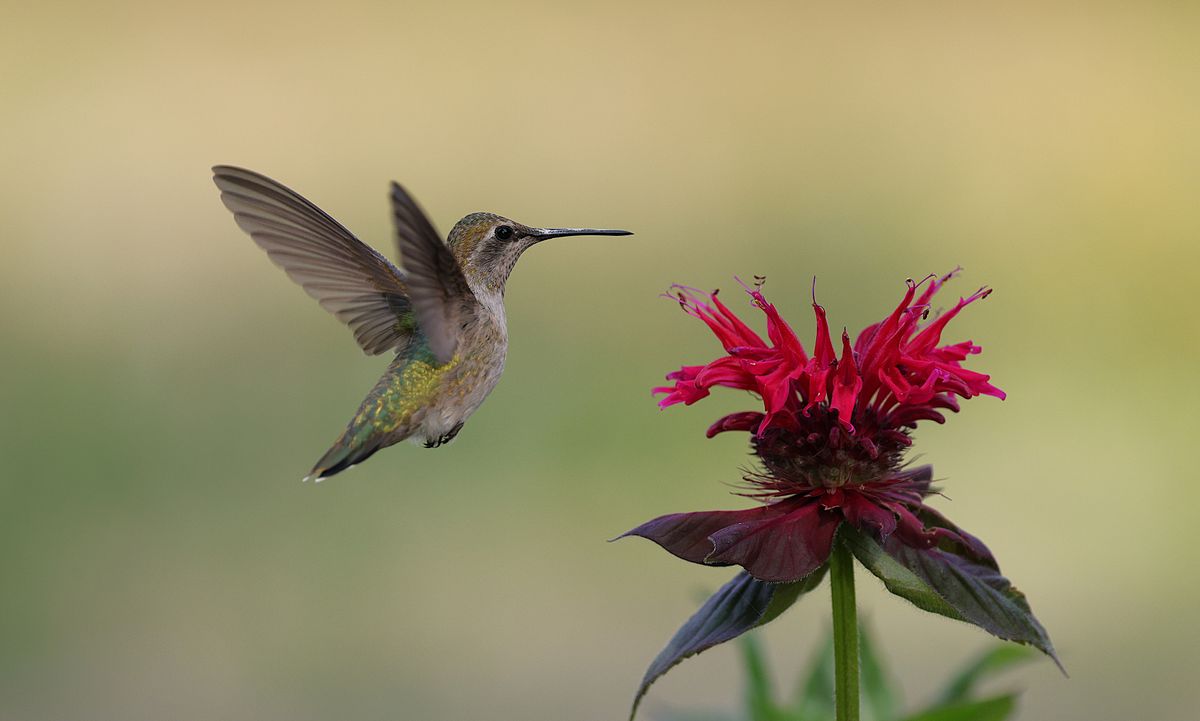
Photo by Veronika Andrews on Pexels
Your decision: Transition your backyard from high-maintenance plastic items to handcrafted heritage glass and metal decor starting with your most vulnerable wildlife feeding stations.
Do this next: Audit your garden using our 10-point checklist, replace cracked plastic feeders with a 32 oz hand-blown solar glass feeder, and store delicate blown glass indoors during sub-freezing winter spells.
- Read next: Hand-Blown Glass vs. Plastic Hummingbird Feeders: Why Artisan Craftsmanship Wins
- Read next: Sustainable Backyard Decor for Fall: Blending Heritage Glass with Solar Illumination
LUJII Solar-Powered Hand-Blown Glass Hummingbird Feeder (32 fl.oz, Anti-Rust Metal Base, RGB Lights)
Take immediate control of your outdoor space by systematically removing brittle plastics and investing in timeless, eco-friendly materials.
Regional Climate Guidance: Protecting Solar Glass in Extreme Weather
Different regions across the United States pose distinct climate challenges for garden decor. Here is how to manage hand-blown glass and solar components in your local zone:
- Northeast & Midwest (USDA Zones 3–6): Hard freezing conditions occur regularly from November through March. While anti-rust metal bases and waterproof solar caps withstand extreme cold, liquid nectar inside hand-blown glass will expand when frozen. Bring glass reservoirs indoors during hard freezes below 32°F.
- Southeast & Gulf Coast (USDA Zones 8–10): High humidity and salt air can accelerate rust on cheap iron. Ensure your decor features heavy-duty anti-rust powder coatings, and clean solar panels monthly to remove pollen build-up.
- Southwest Deserts (USDA Zones 9–11): Intense solar UV radiation breaks down polypropylene plastic within months. Hand-blown glass is 100% UV-impervious. Position feeders where solar panels receive morning sun while glass reservoirs get afternoon shade.
- Pacific Northwest (USDA Zones 7–9): Frequent overcast weather requires efficient solar panels. Place solar caps in open canopy locations to maximize ambient charging for evening RGB lights.
Backyard Plastic Audit & Heritage Swap Checklist
- [ ] Inspect plastic hummingbird feeders for yellowing, micro-cracks, or cloudiness.
- [ ] Check plastic solar stake lights for water intrusion or fogged panels.
- [ ] Examine plastic hanging hooks for signs of bending or solar UV brittleness.
- [ ] Identify plastic plant pots that crack when moved or squeezed.
- [ ] Replace degraded plastic nectar reservoirs with 2,300°F hand-blown translucent glass.
- [ ] Upgrade plastic hanging wires to heavy-duty anti-rust powder-coated metal.
- [ ] Ensure solar caps feature waterproof protective seals over the battery housing.
- [ ] Verify all garden LEDs are cool-burning to avoid transferring heat to food sources.
- [ ] Clean glass nectar reservoirs using warm water and soft natural brushes only.
- [ ] Store liquid-filled glass decor indoors when overnight temperatures drop below freezing.
Frequently Asked Questions
Answers to common questions regarding hand-blown glass durability, solar heat emission, cleaning techniques, and natural pest control.
Related Reading: Sustainable Backyard Decor Series
- Twilight Garden Decor Ideas: Styling Solar Glass & Plants
- 7 Essential Elements Every Hummingbird Friendly Garden Needs
- Best RGB Solar Garden Decor for Evening Ambiance: A Nighttime Aesthetic Guide
Next Steps: Begin Your Sustainable Garden Transformation
Your decision: Transition your backyard from high-maintenance plastic items to handcrafted heritage glass and metal decor starting with your most vulnerable wildlife feeding stations.
Do this next: Audit your garden using our 10-point checklist, replace cracked plastic feeders with a 32 oz hand-blown solar glass feeder, and store delicate blown glass indoors during sub-freezing winter spells.
- Read next: Hand-Blown Glass vs. Plastic Hummingbird Feeders: Why Artisan Craftsmanship Wins
- Read next: Sustainable Backyard Decor for Fall: Blending Heritage Glass with Solar Illumination
LUJII Solar-Powered Hand-Blown Glass Hummingbird Feeder (32 fl.oz, Anti-Rust Metal Base, RGB Lights)
Elevate your outdoor living space today by replacing brittle, disposable plastic items with handcrafted glass, solar illumination, and anti-rust metal accents.
Cover photo by Veronika Andrews on Pexels.