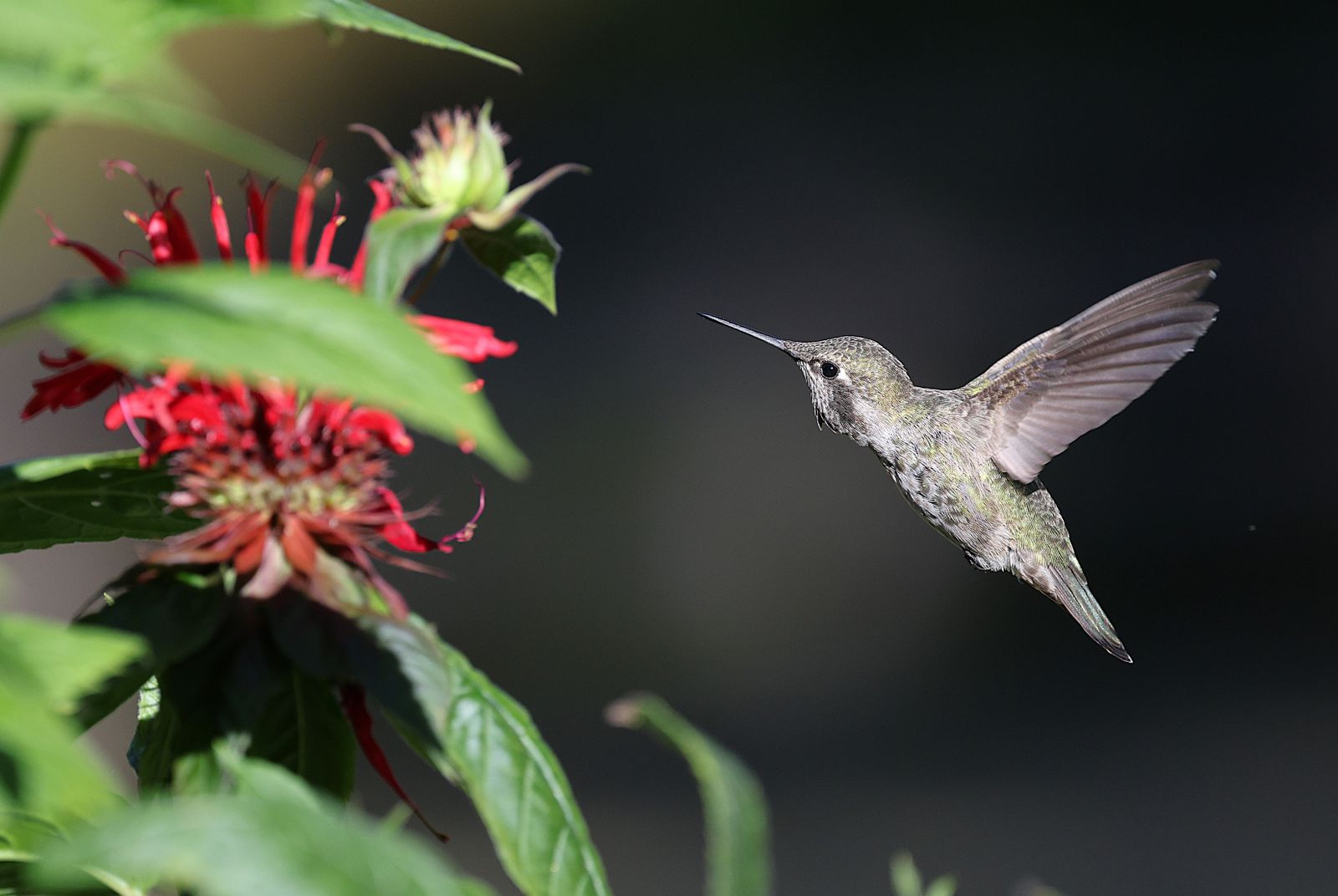
Spring Migration & Sunlight: How Glass Refraction Guides Hummingbirds to Your Garden
14 days before your region's historic arrival date, deploy handcrafted glass feeders at a 45-degree East-Southeast morning sun angle (8:00 AM – 11:00 AM). Translucent hand-blown glass refracts full-spectrum sunlight into prismatic red and ultraviolet flashes that airborne migrants spot from hundreds of feet away, while afternoon shade protects nectar from high-heat fermentation.
Key Spring Migration & Light Refraction Takeaways
- 14 Days Early: Deploy feeders 2 weeks prior to regional scout sightings so migrating birds lock onto your yard as a reliable refueling station.
- 45° Morning Angle: Position hand-blown glass to catch 8:00 AM to 11:00 AM rays; handcrafted curves act as optical prisms targeting high-altitude flight paths.
- 2,300°F Artistry: Translucent multi-tone glass offers superior visual depth and UV light reflection compared to flat, opaque plastic models.
- 8-Hour Night Illumination: Solar RGB LED caps recharge during the day and cast a gentle evening glow that decorates your garden while birds enter torpor.
- 3:1 vs 4:1 Nectar Ratios: Shift from a standard 4:1 water-to-sugar mix to a caloric 3:1 ratio during unexpected early spring cold snaps below 50°F.
Spring Migration Setup Timeline
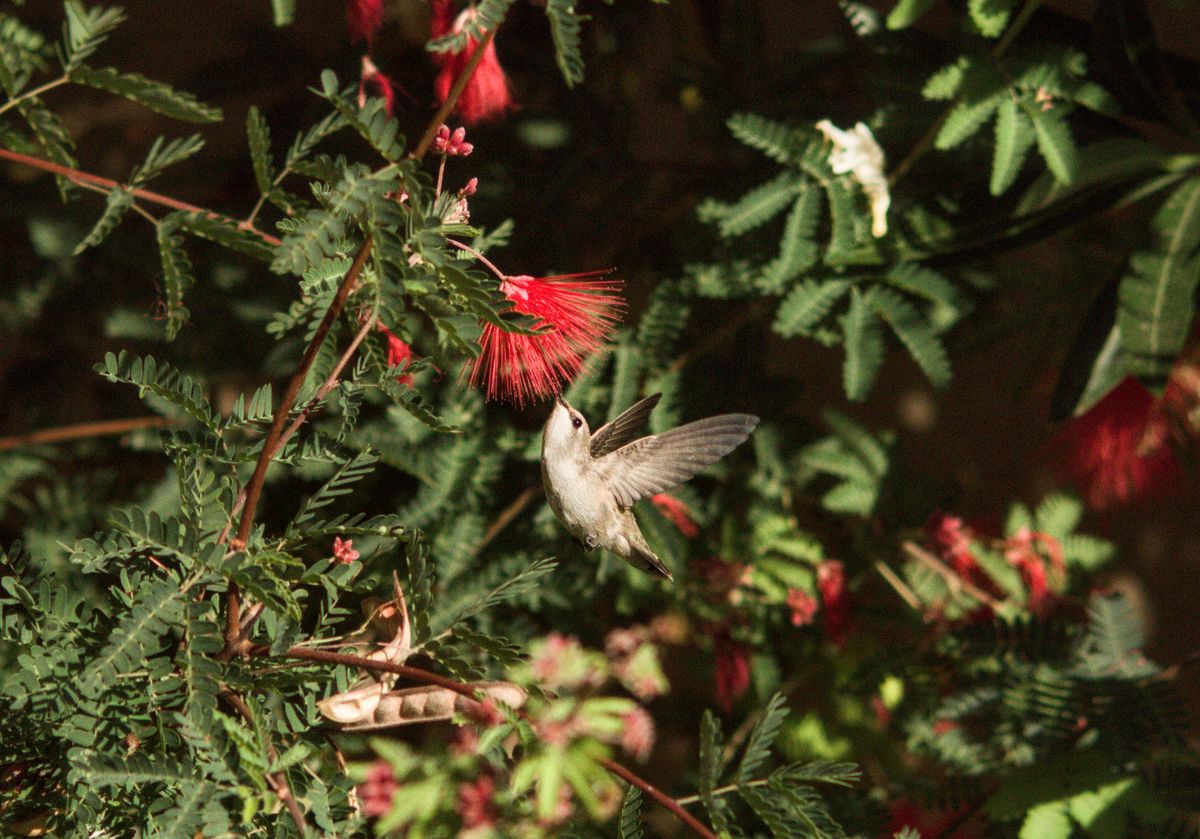
Photo by Jon Champaigne on Pexels
- 14 Days Before Local Arrival — Inspect hand-blown glass for winter micro-cracks. Sanitize with a warm vinegar solution and mount the feeder 5 feet above ground facing East-Southeast.
- 7 Days Before Local Arrival — Fill the 32 oz reservoir with fresh 4:1 nectar. Fill the built-in ant moat with water and test the solar panel's 8-hour charge under direct sunlight.
- Day 0 (First Scout Arrival) — Monitor morning feeding activity between 6:30 AM and 9:00 AM. Ensure morning sun glints off the handcrafted glass pattern to catch passing birds.
- 14 Days Post-Arrival — Establish a strict 3-to-5 day cleaning and nectar replacement cycle as ambient spring temperatures begin to warm above 60°F.
Early-Spring Glass Feeder Cleaning & Nectar Schedule
- Below 50°F (Early Spring Snaps) — Replace nectar every 7 days. Use a caloric 3:1 sugar ratio during heavy frost warnings to fuel high-metabolism migrants.
- 51°F – 60°F (Standard Migration Window) — Replace nectar every 5 days using standard 4:1 ratio. Inspect solar light cap and clean dust off the photovoltaic cell.
- 61°F – 70°F (Mild Spring Days) — Replace nectar every 3–4 days. Rinse hand-blown glass reservoir with warm water; brush out metal feeding ports.
- Above 71°F (Late Spring Heat) — Replace nectar every 2 days. Shift feeder slightly under foliage to block direct 2:00 PM afternoon sun and prevent fermentation.
5 Spring Placement Mistakes That Hide Feeders from Migrants
Avian Optical Science: Refracting Sunlight into Tetrachromatic UV Signals
Hummingbirds possess tetrachromatic vision with specialized retinal cone cells that detect ultraviolet light in the 300–400 nanometer spectrum. Unlike flat plastic feeders that absorb or scatter light diffusely, artisanal glass reservoirs shaped at 2,300°F feature layered, thick-walled curves. When morning sun hits these handcrafted glass patterns at a 45-degree angle, the glass acts as a natural optical lens. It refracts raw sunlight into intense, multi-directional specular highlights and UV prisms that cut through woodland shadows. To an incoming Ruby-throated or Rufous hummingbird cruising at 500 feet, these light flashes signal flowers and fresh food from up to half a mile away.
US Regional Spring Arrival & Sunlight Angle Map
- Zone 1: Gulf Coast & Deep South (Lat 25°-32°N) — Deploy feeders by February 15. Spring sun angles hit 55° by April; position feeders facing East-Southeast to capture gentle 7:30 AM rays before intense midday heat.
- Zone 2: Mid-Atlantic & Lower Midwest (Lat 33°-39°N) — Deploy feeders by April 1. Spring sun elevation averages 45°; mount 5 feet high near deciduous trees for ideal morning glare and afternoon shelter.
- Zone 3: Northern Tier & New England (Lat 40°-45°N) — Deploy feeders by April 20. Cool mornings benefit from South-East exposures that maximize both glass refraction and solar battery charging during short spring days.
- Zone 4: Pacific Northwest & Rockies (Lat 45°N+) — Deploy feeders by April 10 for Rufous migration. Hang within 6 feet of evergreen cover to block damp spring winds while intercepting low-angle morning sunlight.
Optical Physics: How Hand-Blown Glass Refracts Light for Avian Vision
US Spring Migration & Solar Charging Calendar
| US Migration Zone | Target Hang Date | Optimal Sun Window | Night Solar RGB Mode |
| --- | --- | --- | --- |
| Zone 1 (Gulf Coast / South) | February 15 | 7:00 AM – 10:30 AM | Auto RGB Cycle (8 Hours) |
| Zone 2 (Mid-Atlantic / Midwest) | April 1 | 7:30 AM – 11:00 AM | Soft Ambient Glow |
| Zone 3 (Northern Tier / NY / New England) | April 20 | 8:00 AM – 11:30 AM | Full Solar Charge Cycle |
| Zone 4 (Pacific Northwest / West Coast) | April 10 | 7:30 AM – 11:00 AM | Auto RGB Cycle (8 Hours) |
Artisanal Glass & Solar Science: LUJII Hand-Blown Feeder
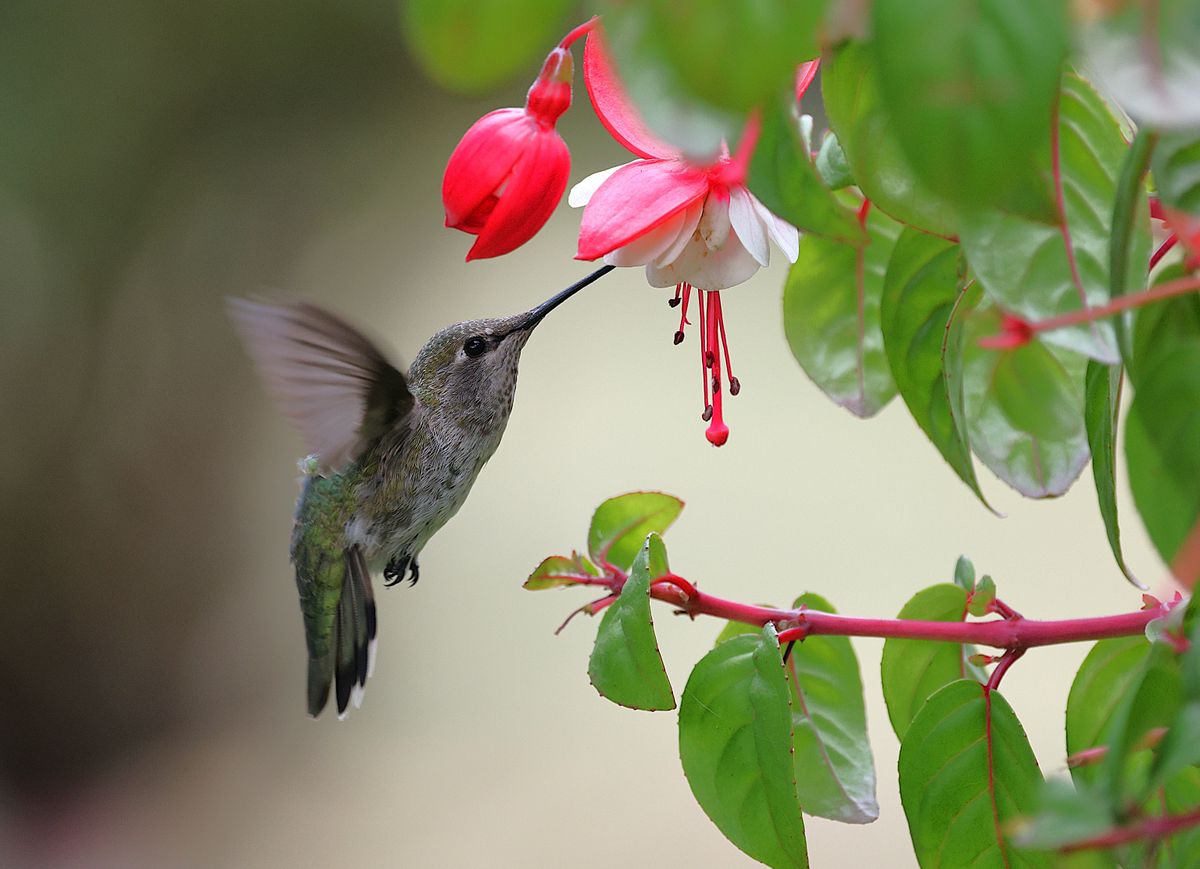
Photo by Veronika Andrews on Pexels
Elevate your spring garden decor while providing a life-saving sanctuary for migrating birds. The LUJII Solar-Powered Hummingbird Feeder pairs 2,300°F handcrafted glass artistry with modern solar technology.
- Hand-Blown Glass Art: Every 32 fl.oz reservoir is individually mouth-blown by master glass artisans. Its translucent, vibrant pigments create brilliant sunlight refraction while making nectar levels effortless to monitor.
- Solar RGB Night Lighting: Features an automated solar cap that charges during the day to deliver up to 8 hours of enchanting color-changing ambient light after dusk.
- Leak-Proof & All-Weather Base: Engineered with a slender sealed silhouette, rust-proof metallic coating, and a protective waterproof solar cap that guards nectar against rain, snow, and UV degradation.
Managing Early Spring Frosts & Temperature Fluctuation
Early spring weather in North America can swing 30 degrees in a single 24-hour cycle. While thick-walled hand-blown glass withstands typical outdoor conditions, thermal shock can occur if liquid freezes solid inside a sealed glass vessel. When local forecasts predict night freezes dropping below 28°F, bring your glass feeder indoors after dusk. Re-hang it at sunrise with fresh, lukewarm nectar. The built-in solar cap retains its internal battery charge, ready to light up your garden the moment spring evenings warm back up.
Spring Migration Readiness Checklist
- [ ] Check local ornithology migration tracking maps to confirm your area's 14-day setup window.
- [ ] Inspect the hand-blown glass reservoir for any winter storage micro-cracks or chipped feeding ports.
- [ ] Sanitize the glass reservoir with warm water and white vinegar (avoid harsh chemical soaps).
- [ ] Mix fresh nectar using 4 parts water to 1 part pure cane sugar (adjust to 3:1 for sub-50°F cold snaps).
- [ ] Select an East-Southeast hanging location receiving 8:00 AM – 11:00 AM morning sun.
- [ ] Ensure afternoon foliage or structure provides shade starting around 1:00 PM.
- [ ] Verify the top solar cap receives 6+ hours of direct daylight for full night RGB performance.
- [ ] Install an ant moat and place the feeder at least 5 feet off the ground, away from climbing pests.
Spring Migration & Glass Feeder FAQ
Your Spring Migration Action Plan
Your decision: Hang your translucent hand-blown glass feeder 2 weeks prior to local spring migration with an East/Southeast sun exposure.
Do this next: Inspect your glass feeder for cracks, clean thoroughly with warm water, prepare a fresh 4:1 sugar solution, and mount it 5 feet above ground.
- Read next: How to Hang Your Solar Hummingbird Feeder to Block Ants and Crawling Insects
- Read next: How to Clean and Maintain Hand-Blown Glass Hummingbird Feeders Without Fading Color
LUJII Hand-Blown Solar-Powered Hummingbird Feeder (32 oz Leak-Proof Handcrafted Glass)
Explore More Glass Art & Hummingbird Guides
Provide internal links to related cluster articles.
Cover photo by Veronika Andrews on Pexels.