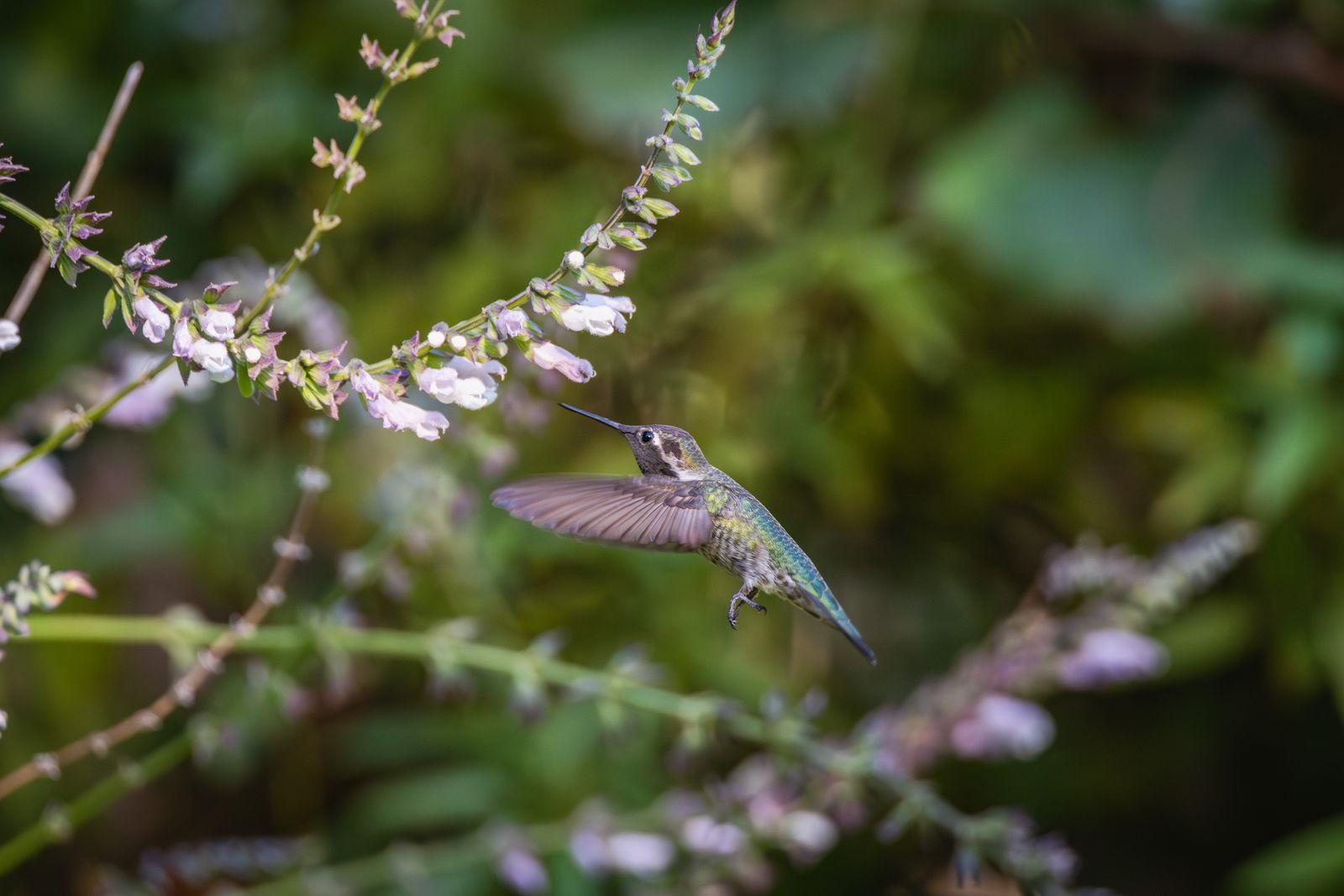
Sunlight Refraction & Solar Placement for Hand-Blown Glass Garden Decor
Should you hang hand-blown glass solar decor in full direct afternoon sunlight?
No. Position hand-blown glass solar decor where it receives 4 to 6 hours of early morning sunlight followed by dappled afternoon canopy shade. This optimal placement provides sufficient solar absorption to power up to 8 hours of evening RGB light while preventing the nectar reservoir from exceeding 85°F—protecting both hummingbirds and optical glass clarity.
Solar Refraction & Thermal Safety Specifications
| Technical Parameter | Recommended Value / Range | Impact on Refraction & Solar Performance |
| --- | --- | --- |
| Solar Charge Window | 4 - 6 Hours Direct Sun | Fully recharges internal lithium battery via top cap for up to 8 hours of evening RGB illumination. |
| Max Thermal Threshold | 85°F (29°C) Nectar Temp | Prevents rapid sugar fermentation, mold growth, and internal vapor pressure buildup in sealed bases. |
| Optimal Incident Sun Angle | 35° to 50° Inclination | Maximizes chromatic spectrum separation across glass swirls, scattering rainbow prisms across foliage. |
| Glass Wall Variance | 3mm to 8mm (Hand-Blown) | Disperses focal points into wide light bands rather than dangerous pinpoint thermal beams. |
| Water Protection Rating | IP65 Sealed Cap | Shields internal solar circuitry, RGB LEDs, and auto-sensors from rain, snow, and sprinkler overspray. |
To maintain structural integrity, maximize light refraction, and protect visiting wildlife, follow these core technical parameters when placing hand-blown glass solar fixtures.
Visual Blueprint: Sunlight Refraction & Angle Placement
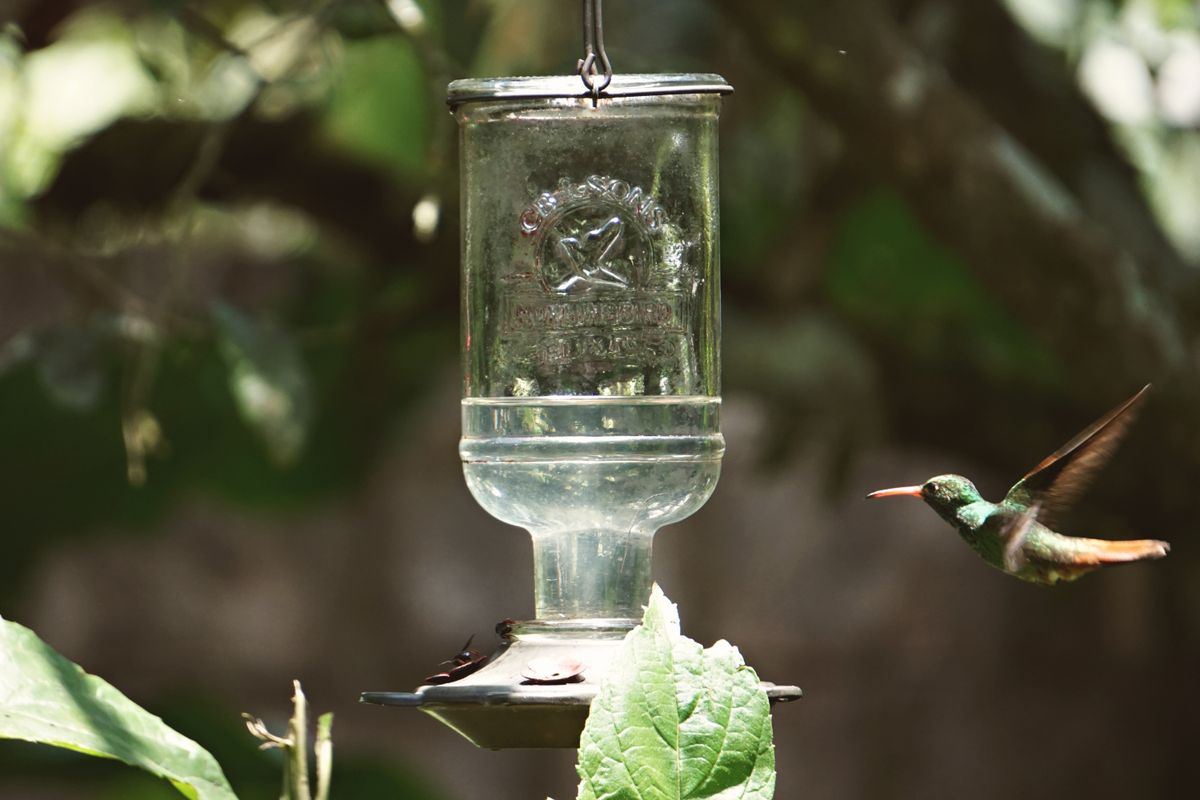
Photo by DΛVΞ GΛRCIΛ on Pexels
This cross-section blueprint illustrates how low-angle sunlight interacts with handcrafted glass curves while direct overhead radiation powers the solar cap.
Artisan Glass Lighting Strategy
> Artisan Insight: "When glass is hand-blown at 2,300°F, microscopic variations in density and thickness naturally form within the translucent swirls. Rather than acting like a flat magnifying lens that focuses heat into a singular spot, these handcrafted curves act as natural diffusers. To get the most striking prism scatter, align the thickest color bands of your feeder toward the east. As the morning sun rises between 8:00 AM and 11:00 AM, light passes through these dense color ribbons, casting dancing jewel-toned reflections across your garden bed when hummingbirds are most active."
Frequently Asked Questions About Solar Refraction Decor
Common questions regarding light physics, solar battery maintenance, and bird behavior.
Core Principles of Outdoor Light Refraction
Key rules for balancing daytime optical beauty with evening solar performance:
Selecting Glass Translucency & Placement Zones
To optimize daylight refraction and solar energy storage, select handcrafted translucent glass with varying wall thickness, positioned where it receives direct early morning sun and filtered afternoon shade.
Best choice for
- Multi-colored translucent hand-blown glass — Maximizes diffuse light scattering and color projection without requiring harsh, direct midday sun.
- East-facing morning sun placement with afternoon shade — Protects nectar from thermal breakdown while capturing peak morning solar radiation for night lighting.
- Hanging glass decor in 100% unshaded full midday sun where ambient temperatures regularly exceed 90°F.
- Suspending fixtures beneath thick, low-hanging evergreen canopies where zero sun reaches the top solar collector.
- Clear smooth molded glass decor — Provides clean visibility, but offers significantly lower spectral color dispersion and prism effects.
- Synthetic acrylic prismatic stakes — Lightweight option, but prone to UV yellowing, surface scratching, and heat warping over single-season outdoor exposure.
Understanding Light Velocity and Snell's Law in Handcrafted Glass
When sunlight strikes an outdoor glass ornament, it transitions from air into a denser medium. According to Snell’s Law ($n_1 \sin\theta_1 = n_2 \sin\theta_2$), the light ray bends toward the normal line based on the material's Index of Refraction (IOR). Standard soda-lime glass possesses an IOR of approximately 1.51 to 1.53. However, handcrafted glass shaped at extreme temperatures of 2,300°F develops subtle, organic fluctuations in wall thickness ranging from 3 millimeters to over 8 millimeters.
Unlike industrial, machine-molded glass—which features uniform wall dimensions that allow light rays to pass straight through with minimal scatter—artisan glass causes incoming white sunlight to split into its component wavelengths. Shorter blue and violet wavelengths bend more sharply than longer red and yellow wavelengths, creating vibrant rainbow prism flare across your surrounding foliage and patio surfaces.
Thermal Dispersion vs. Focal Point Magnification
A primary concern among birding enthusiasts is whether hanging glass in sunlight acts like a magnifying glass, heating the liquid nectar inside or creating hot spots that scorch garden plants. Machine-stamped convex glass bowls can occasionally create narrow focal beams if shaped in perfect parabolic curves.
In contrast, hand-blown glass art disperses light. The subtle, flowing contours created by glass masters break up incoming light waves, scattering them across a wide angular spectrum. This prevents concentrated focal point convergence. While light passes through, radiant thermal energy is diffused, keeping nectar cool when paired with dappled afternoon canopy shade.
``` Incoming Sunlight (White Light) │ ▼ ┌──────────────┐ │ Top Solar │ ───► Captures Direct Overhead UV Energy (4-6 Hours) │ Cap Panel │ └──────────────┘ │ ▼ (Refraction at 45° Angle) ┌──────────────┐ │ Hand-Blown │ ───► Bends Light Wavelengths (Snell's Law) │ Glass Wall │ ───► Scatters Red, Gold, Green & Blue Spectral Prisms └──────────────┘ │ ▼ Diffuse Light Scatter (No Dangerous Hotspots) ```
Avian Vision and the Tetrachromatic Spectrum
Hummingbirds possess extraordinary tetrachromatic vision, meaning their eyes contain four distinct cone types, including specialized ultraviolet photoreceptors. While humans perceive basic RGB color combinations, hummingbirds detect rich UV-blend spectrums that make shimmering, refracted light irresistible.
Far from scaring birds away, the dynamic sparkle generated by sunlight passing through hand-blown colored glass acts as an optical beacon. As morning light hits translucent red, teal, and amber glass swirls, hummingbirds miles away detect the brilliant refractive flashes against green garden foliage, drawing them directly to the feeder's feeding ports.
Glass Color & Thickness vs. Refraction Quality
| Evaluation Criteria | LUJII Hand-Blown Multi-Color Glass | Clear Smooth Molded Glass | Opaque Heavy Fired Glass | Colored Acrylic Plastic |
| --- | --- | --- | --- | --- |
| Refractive Prism Intensity | High — Irregular 2,300°F curves scatter wide rainbow spectrums | Low — Uniform wall thickness projects plain light shapes without color split | None — Opaque walls absorb light with zero optical refraction | Moderate — Synthetic molded facets blur under UV exposure |
| Thermal Hotspot Mitigation | Excellent — Varied wall thickness diffuses focal points | Fair — Smooth convex walls can create focused light beams | Good — Dense material blocks light pass-through entirely | Poor — Retains ambient surface heat under direct exposure |
| Solar Cap Charge Compatibility | 100% — Top-mounted weatherproof collector gets full overhead exposure | 100% — Standard top solar cap integration | 100% — Standard top solar cap integration | 70% — Plastic housings yellow and cloud over time, reducing solar cell yield |
| Avian Optical Attraction | Superior — Tetrachromatic sight responds to dynamic spectral shimmer | Moderate — Lacks multi-hued color flashes across foliage | Low — Static appearance without dynamic daylight reflections | Moderate — Bright initial color that dulls as plastic degrades |
| Long-Term Weathering | Lifetime — High-temp fired glass color never fades, peels, or clouds | High — Glass remains clear under direct UV radiation | High — Fired glazes withstand sun and frost | Poor — Scratches easily and becomes brittle after 1–2 seasons |
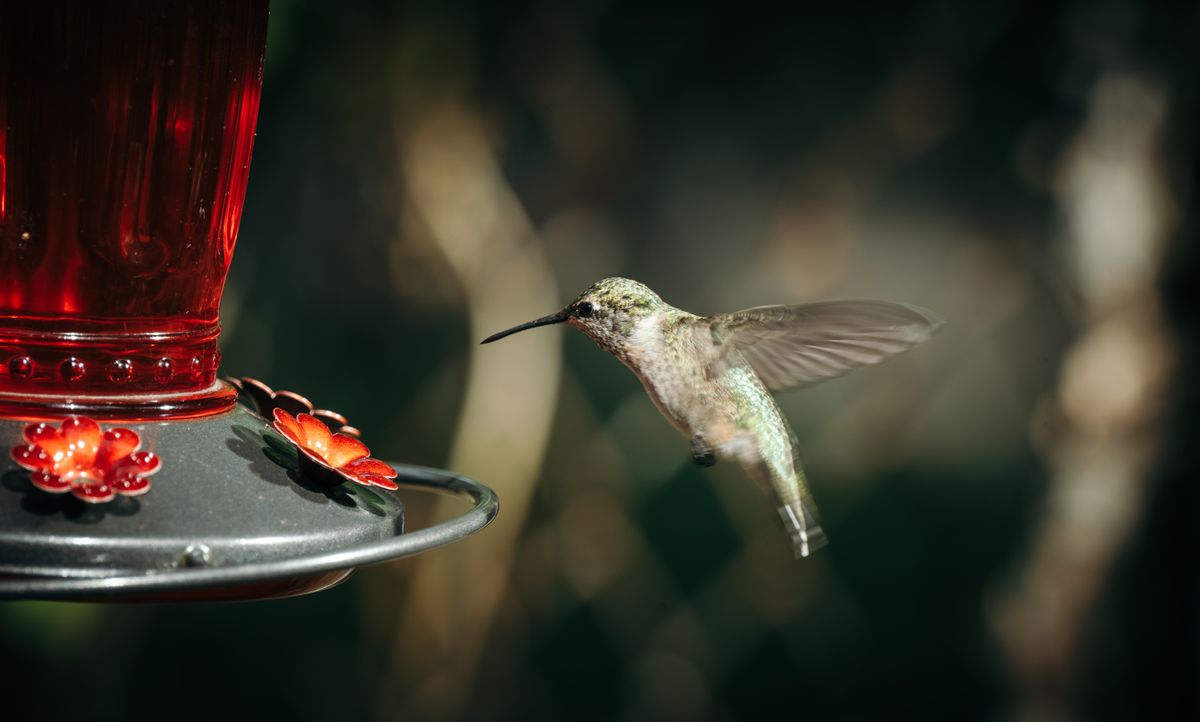
Evaluating how different outdoor decor materials process natural light, handle heat, and interact with solar components.
Failure Modes: Common Refraction & Placement Mistakes
Avoid these critical installation mistakes to preserve nectar freshness and ensure continuous evening illumination.
Featured Hand-Blown Solar Feeder Accent
Bring brilliant daytime light refraction and magical evening illumination to your garden with this artisanal handcrafted feeder.
Action Plan: 4 Steps to Position Your Glass Garden Decor
Your decision: Determine whether your yard layout provides morning sun and afternoon dappled shade for optimal glass light refraction.
Do this next: Audit your garden hooks at 9:00 AM and 2:00 PM to identify 4-6 hour direct sunlight windows that transition into shade before peak thermal heat.
- Read next: Spring Outdoor Styling: Enhancing Natural Sunlight with Vibrant Glass Accents
- Read next: Hand-Blown Glass vs. Plastic Feeders: Which Creates Better Backyard Light & Color?
LUJII Hand-Blown Solar Hummingbird Feeder (32 oz Leak-Proof Base with RGB Evening Glow)
Follow this practical setup sequence to achieve breathtaking optical light refraction and reliable solar charging.
Recommended Guides on Backyard Styling
Provide internal navigation to related cluster articles.
Cover photo by Robert So on Pexels.