How to Display Glass Garden Art: 4-Season Sunlight & Sightline Guide
Position hand-blown glass garden art using the 45-60 Rule: set pieces 15 to 25 feet away at a 45-to-60-degree angle from primary indoor viewing windows. Ensure the top solar panel receives 6 to 8 hours of direct sunlight daily for 8 hours of nocturnal RGB lighting, while elevating the glass 5 feet high to prevent ground splashes and wind hazards.
Essential Placement & Protection Rules at a Glance
- 6 to 8 Hours Direct Sunlight: Maximizes top solar panel charging for up to 8 hours of multi-color RGB night illumination.
- 45-to-60-Degree Viewing Angle: Prevents direct window pane reflection while placing colorful 2,300°F hand-blown glass in your natural sightline.
- 15 to 25 Feet Distance: Optimal visual range from indoor seating to admire translucent color swirls and active wildlife.
- 32°F Freezing Threshold: Water expands by 9% when freezing; empty fluid-filled glass art before first frost to avoid thermal stress fractures.
- 5-Foot Hanging Height: Deter ground pests, keep nectar cool, and align with natural bird flight paths.
Seasonal Sun Trajectory Timeline & Adjustment Dates
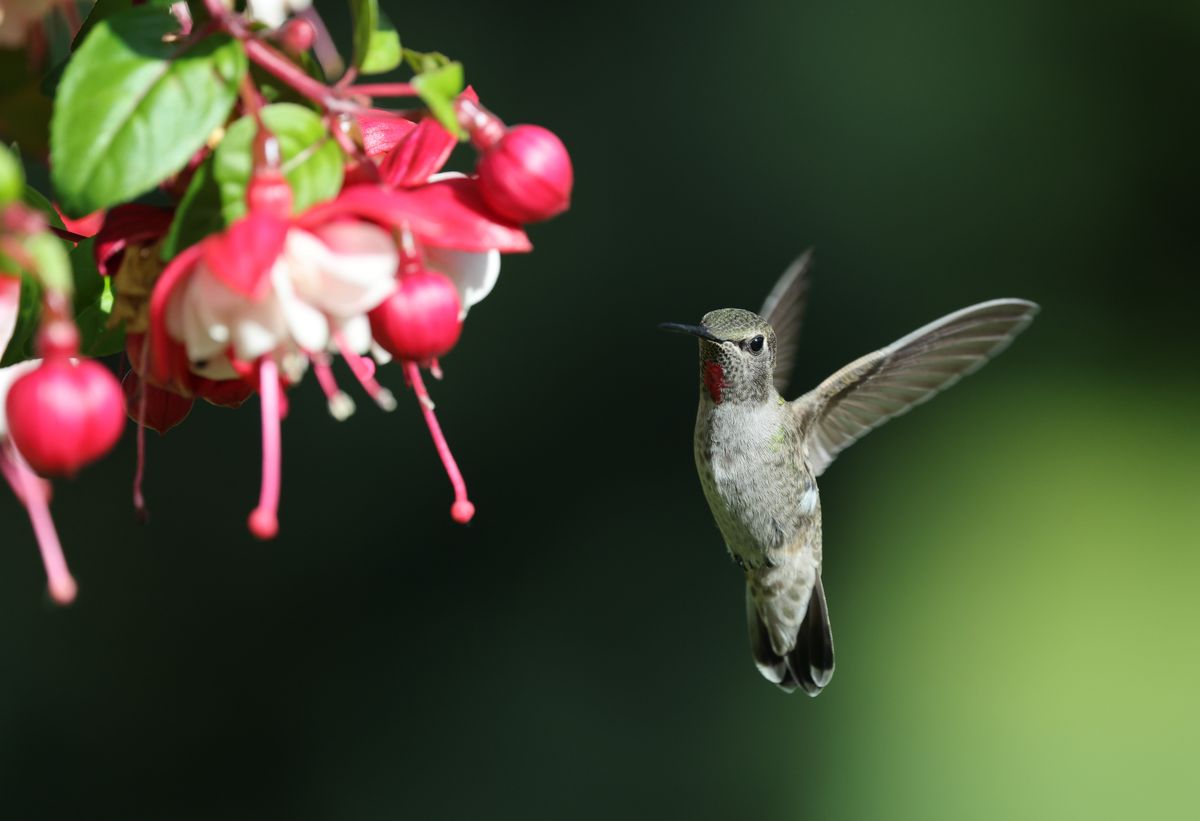
Photo by Veronika Andrews on Pexels
- March 20 (Spring Equinox) — Hang glass 5 feet high on south-southeast garden hooks. Shift placement outward as tree buds emerge to maintain 6+ hours of unobstructed solar exposure.
- June 21 (Summer Solstice) — Position glass under light eastern morning light to avoid intense 90°F+ afternoon heat. High sun angle (65°+) maximizes solar cap charge while reducing nectar fermentation.
- September 22 (Autumnal Equinox) — Relocate glass decor away from dropping leaves and sap. Install rubber grommets on S-hooks to brace against 15+ mph autumn gusts.
- December 21 (Winter Solstice) — Bring liquid-filled glass art indoors when temperatures hit 32°F (0°C). Display dry handcrafted glass in sunny south-facing windows as natural light-catchers.
Year-Round Glass & Solar Maintenance Schedule
- Every 3 to 5 Days (Summer) — Rinse nectar reservoirs with warm water. Refill with fresh sugar water (4:1 ratio) to prevent mold growth in warm weather.
- Monthly — Wipe the top plastic solar cap with a damp microfiber cloth to clean dust and pollen that reduce solar charging efficiency by up to 20%.
- Quarterly — Soak hand-blown glass in a 50/50 warm water and white vinegar solution for 15 minutes to dissolve hard water mineral spots without scratching.
- Seasonally (First Frost Risk) — Inspect anti-rust metal bases, check silicone seals for tightness, and store fluid reservoirs before sub-zero winter temperatures.
Visual Blueprint: 4-Season Sun Trajectory & Sightline Map
Understanding how seasonal sun angles interact with home sightlines ensures your glass art catches direct light year-round.
4-Season Display & Care Reference Matrix
| Season | Sunlight Orientation | Indoor Sightline Strategy | Weather Risk & Protection | Solar RGB Lighting Duration |
| --- | --- | --- | --- | --- |
| Spring | East / Southeast (Morning Sun) | Align with living room window at 45° angle (15-20 ft distance) | Late spring freezes; monitor 32°F drop | 6 to 8 Hours |
| Summer | Direct Overhead / Morning Only | Position 20-25 ft away; clear view past heavy tree leaves | Heat fermentation; shade nectar base after 12 PM | 8 Hours (Full Night Runtime) |
| Autumn | South / Southwest | Move closer (12-15 ft) as foliage thins out | High wind gusts; add rubber S-hook dampers | 5 to 7 Hours |
| Winter | South-Facing Window (Indoors) | Place on indoor windowsill for direct room enjoyment | Sub-zero freezing (9% water expansion crack risk) | 3 to 5 Hours (Indoor Sun dependent) |
Compare key placement variables across all four seasons to optimize light refraction, solar charge, and structural safety.
Featured Artisan Accent: LUJII Hand-Blown Solar Hummingbird Feeder
Transform your garden into an enchanted sanctuary day and night with the LUJII Hand-Blown Solar Hummingbird Feeder. Handcrafted by master glassblowers at 2,300°F, each piece features unique, vibrant color swirls fused directly into translucent glass that will never fade in intense UV light.
- 32 fl. oz Capacity: Generous reservoir reduces refill frequency while showcasing clear nectar levels.
- Dusk-to-Dawn Solar RGB Lights: Recharges during the day to deliver up to 8 hours of enchanting multi-color nighttime illumination.
- Leak-Proof & Weatherproof: Built with a sealed precision base and protective plastic solar cap over an anti-rust metal housing.
- Ideal Garden Decor & Gift: A captivating centerpiece for bird lovers, garden enthusiasts, and outdoor entertaining spaces.
Regional Climate Considerations: Freeze Risks & High-Wind Zones
Displaying glass garden art across varied US regions requires adapting to localized weather patterns and temperature extremes.
Northern & Mountain Regions (USDA Zones 3–6)
Freeze risks present the single greatest danger to outdoor glass art. Because water expands by 9% upon freezing, liquid stored inside glass reservoirs exerts immense outward pressure, leading to micro-fractures. Always bring fluid-filled glass pieces inside before the first autumn freeze. During winter, display dry glass art indoors near south-facing windows to catch low winter sun rays.Southern & Sunbelt Regions (USDA Zones 8–11)
In high-heat environments where summer temperatures routinely exceed 95°F, direct mid-day sun can accelerate nectar fermentation in under 48 hours. Position your feeder where the top solar cap catches direct sun, but the lower hand-blown glass bowl receives ambient afternoon shade from nearby structures or light branch foliage.Coastal & High-Wind Corridors
Coastal breezes and flat prairie winds above 15 mph can cause hanging decor to swing violently into shepherd hooks. Anchor shepherd hooks 12 inches deep into soil at a slight 5-degree counter-lean. Slide high-friction rubber grommets onto S-hooks to dampen vibration and restrict sway amplitude to under 3 inches.The 10-Point Glass Garden Art Display Checklist
- [ ] 1. Measure sightline distance: Position glass 15 to 25 feet from main indoor viewing windows.
- [ ] 2. Check horizontal angle: Set placement 45 to 60 degrees off-center from window pane to reduce glass glare.
- [ ] 3. Verify solar clearance: Ensure top solar cap has 6 to 8 hours of unobstructed sky access.
- [ ] 4. Audit canopy density: Confirm spring leafing won't block direct morning or mid-day light.
- [ ] 5. Inspect mounting hardware: Use heavy-duty anti-rust steel hooks with a minimum 20 lbs load rating.
- [ ] 6. Add gust dampers: Install rubber bumpers or S-hooks to prevent glass-on-metal collision in winds above 15 mph.
- [ ] 7. Check ground clearance: Maintain at least 5 feet of height from ground level to deter pests and splashing dirt.
- [ ] 8. Test ambient night lighting: Position away from bright porch floodlights that prevent automatic solar light sensors from activating.
- [ ] 9. Evaluate freeze risks: Monitor local forecast; bring fluid-filled glass art indoors when temps approach 32°F (0°C).
- [ ] 10. Inspect seal integrity: Ensure leak-proof base gasket is seated tightly to prevent nectar drips.
Frequently Asked Questions About Displaying Glass Garden Art
Answers to common questions on preserving, displaying, and maintaining hand-blown solar glass art.
Your Immediate Action Plan for Garden Placement
Your decision: Determine whether your glass garden art needs repositioning based on current tree leaf coverage and seasonal sun trajectory.
Do this next: Measure a 15-to-25-foot distance from your primary indoor window at a 45-degree angle, verify 6 hours of unshaded sky above the solar cap, and hang your glass piece using a weather-rated hook.
Related resource: Explore our complete Hand-Blown Glass Craftsmanship Guide to learn more about 2,300°F artisan glass production.
Elevate your garden's day-and-night charm with the LUJII Solar-Powered Hand-Blown Glass Hummingbird Feeder featuring handcrafted glass art and 8-hour RGB lighting.
Take these simple steps today to optimize your outdoor space for radiance and bird activity.
Continue Exploring Backyard Artistry & Care
Provide internal links to relevant cluster guides and pillar topics.
Cover photo by Veronika Andrews on Pexels.