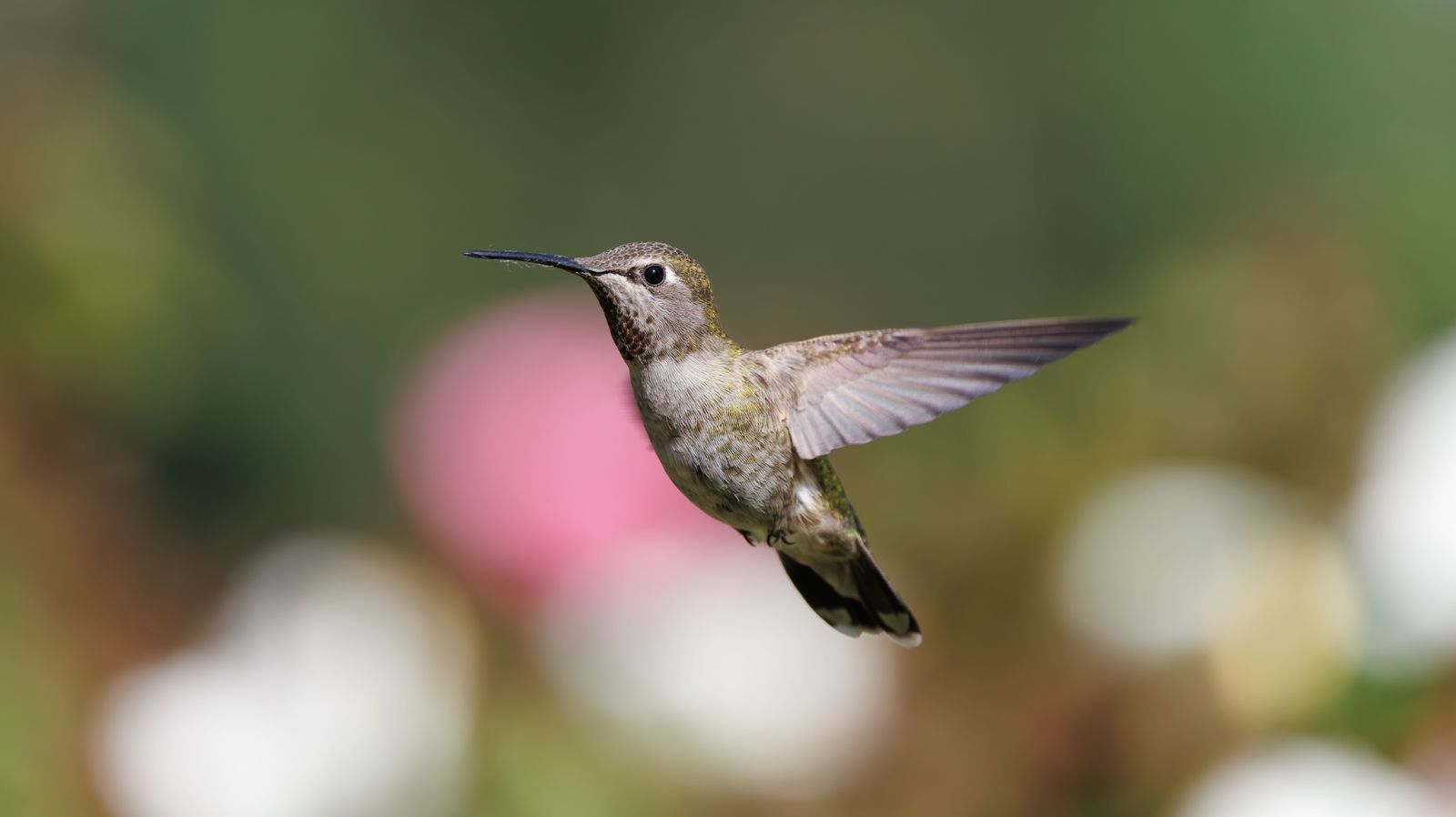
The Spectrum of Attraction: What Glass Colors Do Hummingbirds Love Most?
Should you stick strictly to traditional red feeders, or do other colored glass options attract hummingbirds just as effectively? While red triggers an innate biological foraging response, hummingbirds possess tetrachromatic vision—allowing them to perceive ultraviolet light and an extended spectrum beyond human capability. Translucent hand-blown glass in bright red, violet, orange, and turquoise creates high visual contrast and refracts natural sunlight, attracting hummingbirds reliably without artificial red dye.
Visual Wavelength & Glass Attraction Matrix
| Glass Color / Finish | Wavelength Peak (nm) | UV Reflectance Level | Foliage Contrast Ratio | Attraction Rating |
| --- | --- | --- | --- | --- |
| Vibrant Red Art Glass | 620–750 nm | High | 10:1 (Superior against dark green) | 5/5 (Primary Signal) |
| Multi-Color Swirl (Red/Yellow/Blue) | 400–700 nm (Broad Spectrum) | Very High | 9.5:1 (Dynamic shimmer effect) | 5/5 (Highest Curiosity Trigger) |
| Deep Violet / Purple Glass | 380–450 nm (Near-UV) | Maximum | 7.5:1 (Strong in bright sunlight) | 4.5/5 (Excellent Secondary) |
| Turquoise / Teal Glass | 490–520 nm | Moderate-High | 6:1 (Moderate against foliage) | 4/5 (Best with Red Accents) |
| Clear Artisanal Glass | 390–700 nm (Full Pass-Through) | Reflective | 3:1 (Low contrast alone) | 3.5/5 (Requires Colored Ports) |
Understanding how light wavelengths pass through hand-blown artisan glass helps garden enthusiasts choose feeder finishes that maximize avian visibility across varying garden backdrops.
How Hummingbird Tetrachromatic Vision Sees Artisanal Glass
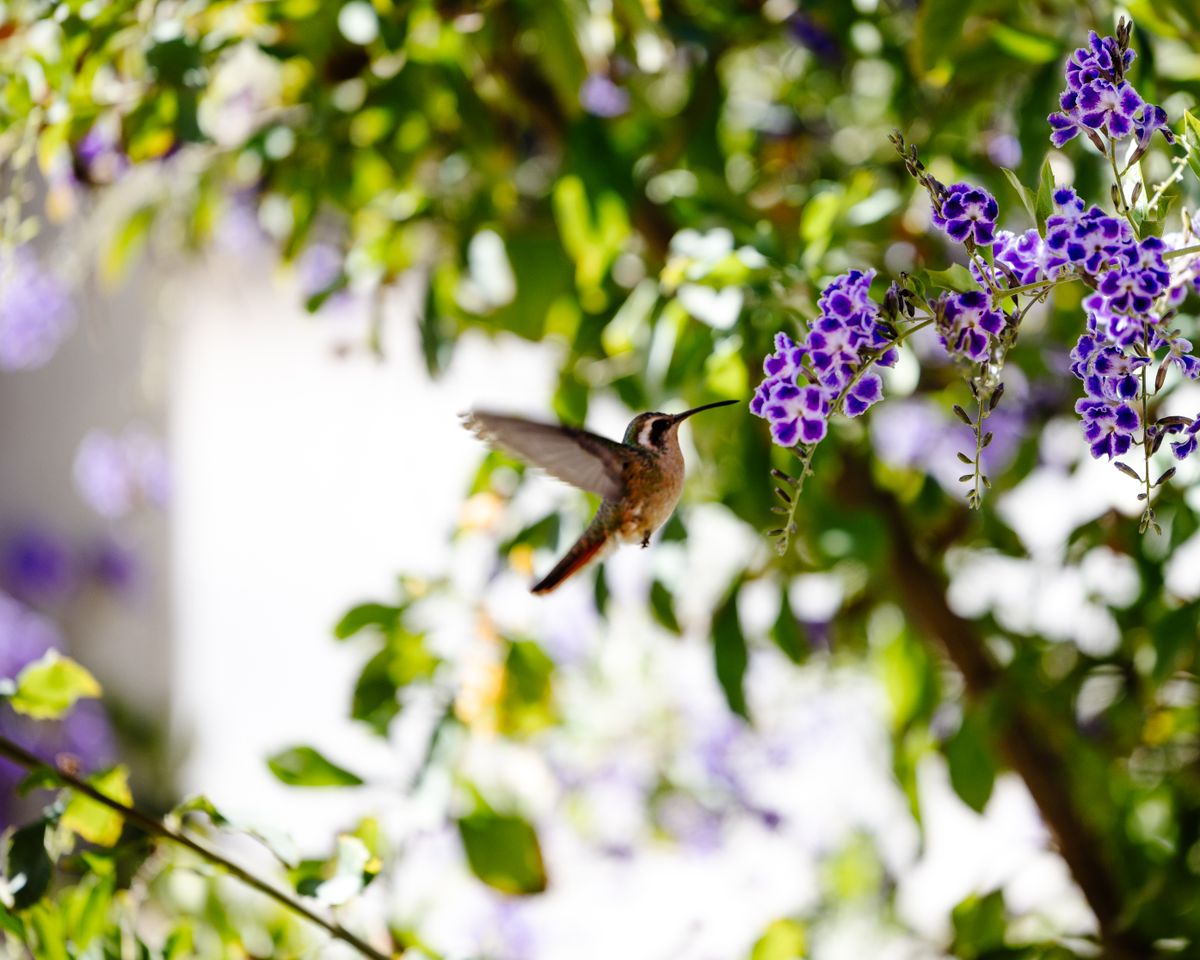
Photo by Josh Withers on Pexels
Humans perceive the world using three color receptors (red, green, blue), whereas hummingbirds utilize four distinct retinal cone types, including specialized ultraviolet/violet cones.
Visualizing the Glass Color Attraction Hierarchy
Not all colors act equally in every garden setting. This hierarchy ranks artisan glass colors by distance visibility and natural contrast.
Pro Tip: Sunlight Refraction vs. Flat Opaque Paint
When selecting an artisan feeder, prioritize high-translucency hand-blown glass over flat, factory-painted glass or opaque plastic. Hand-blown glass formed at 2,300°F embeds rich mineral oxides directly within the glass matrix. As sunlight passes through translucent colored curves, it magnifies and refracts ambient light like a beacon across your garden, creating dynamic prismatic flashes that hummingbirds spot from hundreds of yards away.
Frequently Asked Questions About Glass Colors & Hummingbird Attraction
Answers to common long-tail questions about nectar safety, twilight behavior, and solar-illuminated feeder care.
Mid-Guide Action Plan: Choosing Your Ideal Feeder Color
Your decision: Select a translucent, multi-hued hand-blown glass feeder that offers maximum visual contrast against your specific backyard background.
Do this next: Select a handcrafted solar-powered glass feeder with red or multi-color swirls, fill with plain 1:4 sugar water (no dye), and hang near high-visibility foliage.
- Read next: Is Red Dye Safe for Hummingbirds? Myths, Dangers, and Safe Nectar Alternatives
- Read next: How to Clean and Maintain Hand-Blown Glass Hummingbird Feeders Without Fading Color
LUJII Solar Hand-Blown Glass Hummingbird Feeder (32 oz Leak-Proof Sealed Base with RGB Twilight Accent Lighting)
Follow these practical steps to choose and position your colored glass feeder for optimal backyard performance.
Core Takeaways: The Visual Science of Hand-Blown Glass
Key insights to remember when matching feeder styling with hummingbird visual biology.
Color Selection Guide: Matching Glass Hues to Your Garden Environment
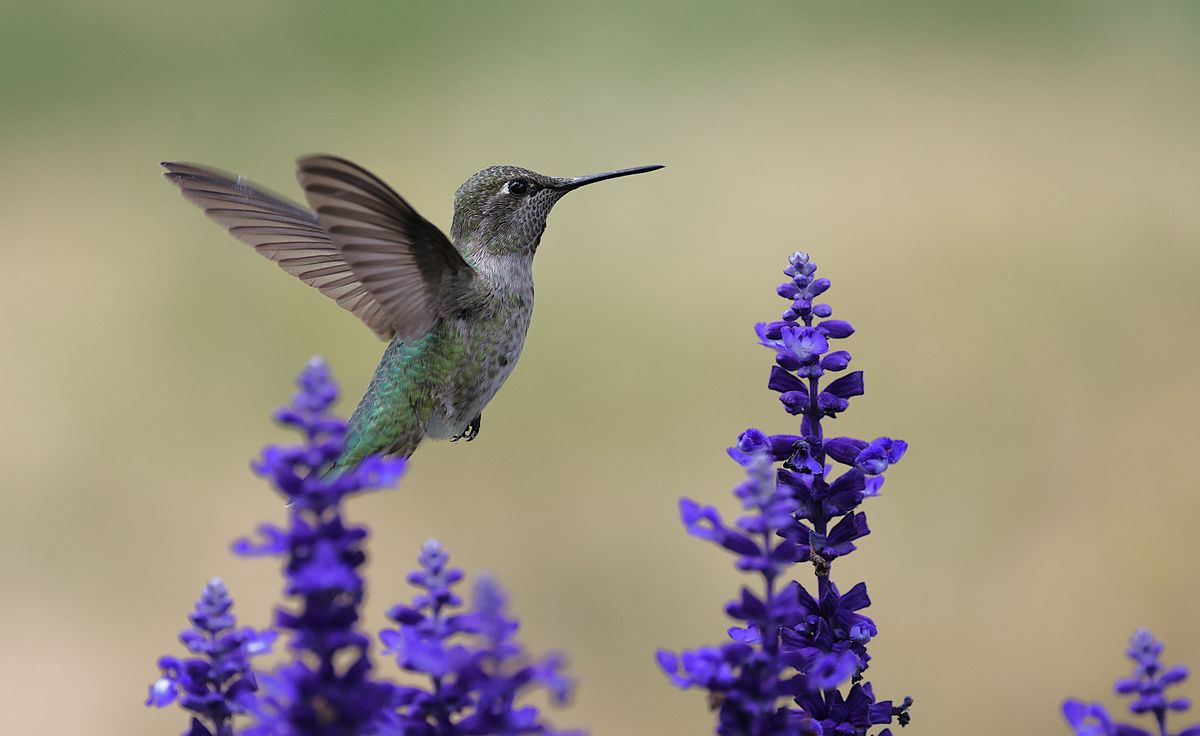
Photo by Veronika Andrews on Pexels
Select glass color pairings based on background contrast rather than relying solely on monolithic red paint.
Best choice for
- Multi-Color Swirl or Red-Yellow Glass — Provides the highest luminance contrast against dark green foliage.
- Deep Purple, Turquoise, or Amber Glass — Complements warm neutral tones while refracting bright midday light effectively.
- Avoid placing green or dark clear glass feeders directly inside dense green shrubbery where visual contrast falls below 3:1.
- Hand-blown glass with integrated red floral feeding ports — Allows you to choose cooler reservoir glass colors (like teal or violet) while maintaining an unmistakable red target at the nectar source.
To understand why multi-colored glass art feeders are so remarkably effective, we must examine the biological mechanics of avian vision. Hummingbirds belong to a group of animals with tetrachromatic visual systems. Unlike humans, who possess three types of retinal cone cells (sensitive to red, green, and blue light wavelengths between 400 and 700 nanometers), hummingbirds possess a fourth cone type specifically attuned to ultraviolet radiation (370 to 400 nanometers).
In nature, co-evolved hummingbird-pollinated flowers (ornithophilous blossoms) frequently feature bright red hues because bees and other insects cannot easily detect long red wavelengths, leaving nectar reserves protected for hummingbirds. However, hummingbirds themselves possess exceptional sensitivity across the entire visual spectrum. They are naturally drawn to high-contrast visual signals rather than red in isolation.
The Prismatic Advantage of Hand-Blown Glass
When light strikes a factory-molded plastic feeder or flat painted glass, much of the visual spectrum is absorbed or reflected uniformly. In contrast, artisanal hand-blown glass produced at 2,300 degrees Fahrenheit incorporates metallic mineral oxides within its molten structure. These oxides alter the refractive index of the glass body.
As daylight shifts from morning to afternoon, sunlight refracts through the undulating, handcrafted glass curves, casting shimmering light patterns into the air. To a hummingbird flying at 30 miles per hour, this dynamic visual flash signals a high-energy focal point. Furthermore, because translucent art glass lets light pass directly through the nectar reservoir, birds can judge nectar depth while garden owners effortlessly monitor capacity.
Twilight Aesthetics: Solar RGB Illumination
As daylight fades into dusk, hummingbirds begin searching for roosting spots to enter night torpor (a deep energy-conserving metabolic state). Feeder visibility drops dramatically for standard glass or plastic models. Modern solar-powered glass feeders bridge this transition seamlessly. Featuring an integrated waterproof solar cap and recharge system, these feeders automatically illuminate internal RGB lights at nightfall for up to 8 hours.
Because twilight lighting activates after feeding hours conclude, solar RGB illumination transforms the hand-blown glass reservoir into glowing backyard art without disrupting natural roosting or sleeping cycles.
Glass Color Spectrum Attraction Comparison
| Criteria | Vibrant Red Glass | Multi-Color Swirl Art Glass | Deep Purple / Violet Glass | Turquoise / Teal Glass | Clear Glass with Accents |
| --- | --- | --- | --- | --- | --- |
| Visual Distance Perception | Exceptional (Up to 300 ft) | Maximum (Dynamic Shimmer) | High in direct sun | Moderate-High | Moderate (Relies on Ports) |
| Contrast Against Green Foliage | 10:1 (Highest) | 9.5:1 (Broad spectrum) | 7.5:1 (Strong contrast) | 6:1 (Subtle contrast) | 3:1 (Requires backdrop offset) |
| Light Refraction Quality | Warm Prismatic Glow | Multi-Spectral Flash | Cool Violet Prism | Bright Aquatic Reflection | Clear Crystalline Pass-Through |
| Dusk Twilight Decor Value | Rich Amber/Red Glow | Vibrant Multi-Color Art | Deep Royal Amethyst Glow | Soft Emerald/Cyan Glow | Bright White Prism Glow |
| Recommended Backyard Backdrop | Dense Green Trees & Bushes | Any Garden / Open Patio | Sunlit Brick or Stone Walls | Warm Earth-Tone Fences | Flowerbeds with Vivid Blooms |
Evaluate five popular glass feeder color styles against key optical, decorative, and performance criteria.
Common Visual Failure Modes That Repel or Hide Feeders from Hummingbirds
Avoid these critical mistakes when choosing, filling, and positioning your glass hummingbird feeder.
Explore Related Guides on Hand-Blown Glass & Avian Care
Deepen your knowledge of hummingbird behavior, feeder maintenance, and garden styling with these authoritative resources:
Handcrafted Solar Glass Feeders Designed for Optimal Attraction
Bring the perfect union of avian optical science, hand-blown craftsmanship, and twilight garden ambiance to your backyard.
Transform Your Garden Today
Your decision: Choose a handcrafted solar glass feeder featuring vibrant red or multi-color swirls to establish an instant feeding sanctuary.
Do this next: Order your LUJII Solar-Powered Hand-Blown Glass Hummingbird Feeder, place it 3-5 feet from natural foliage, and watch your garden come alive day and night.
- Read next: Is Red Dye Safe for Hummingbirds? Myths, Dangers, and Safe Nectar Alternatives
- Read next: How to Clean and Maintain Hand-Blown Glass Hummingbird Feeders Without Fading Color
LUJII Solar Hand-Blown Glass Hummingbird Feeder (32 oz Leak-Proof Sealed Base with RGB Twilight Accent Lighting)
Ready to turn your backyard into a hummingbird paradise? Select your favorite hand-blown glass color palette, prepare fresh 1:4 sugar water, and enjoy the magical presence of nature right outside your window.
Cover photo by Veronika Andrews on Pexels.