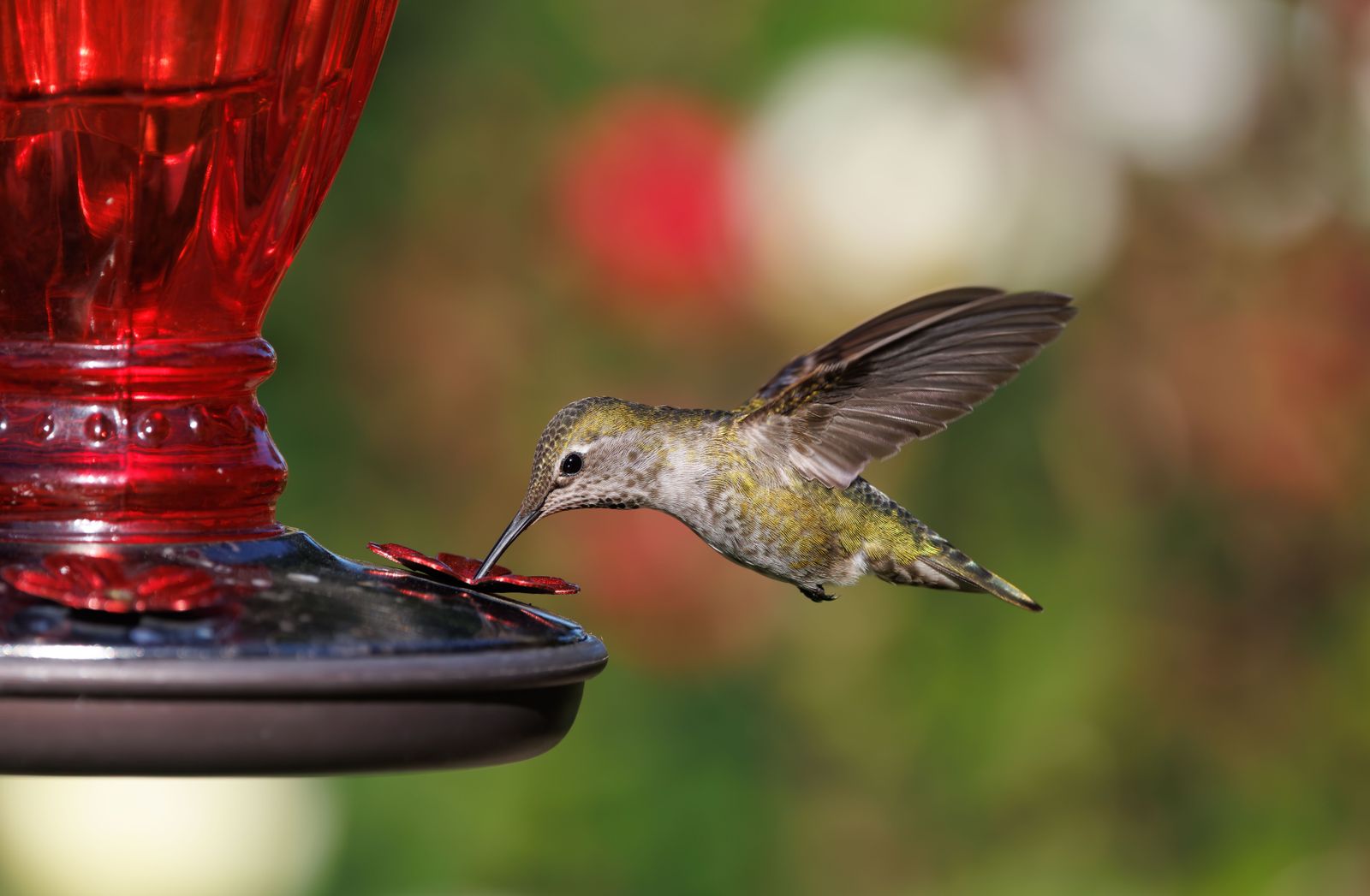
Summer Storm Protection: Weatherproofing Your Glass Solar Hummingbird Feeder Setup
When a sudden summer squall rolls through your backyard with heavy rain and gusty winds, your delicate feeder needs proper protection. To weatherproof a solar glass hummingbird feeder, install a clear 12-to-14-inch acrylic rain guard 2 to 4 inches above the solar cap, secure the top loop with a locking carabiner on an H-base shepherd's hook, and keep the 32 oz reservoir at least half full to maintain low-center ballast.
Pre-Storm Inspection & Hardware Checklist
- [ ] Verify clear rain baffle is positioned 2-4 inches above the solar panel top.
- [ ] Ensure rain guard is 100% clear acrylic/polycarbonate to permit full solar cell battery charging.
- [ ] Check that S-hooks are replaced or retrofitted with locking rubberized carabiner clips.
- [ ] Confirm shepherd's hook H-base is pressed at least 6-8 inches deep into firm soil.
- [ ] Inspect the anti-rust metal base to ensure threads are fully sealed against water intrusion.
- [ ] Ensure liquid nectar level is at least half full (16-32 oz) to provide low-center stability.
Step-by-Step Installation: Weatherproofing Solar Glass Feeders for Rain & Wind
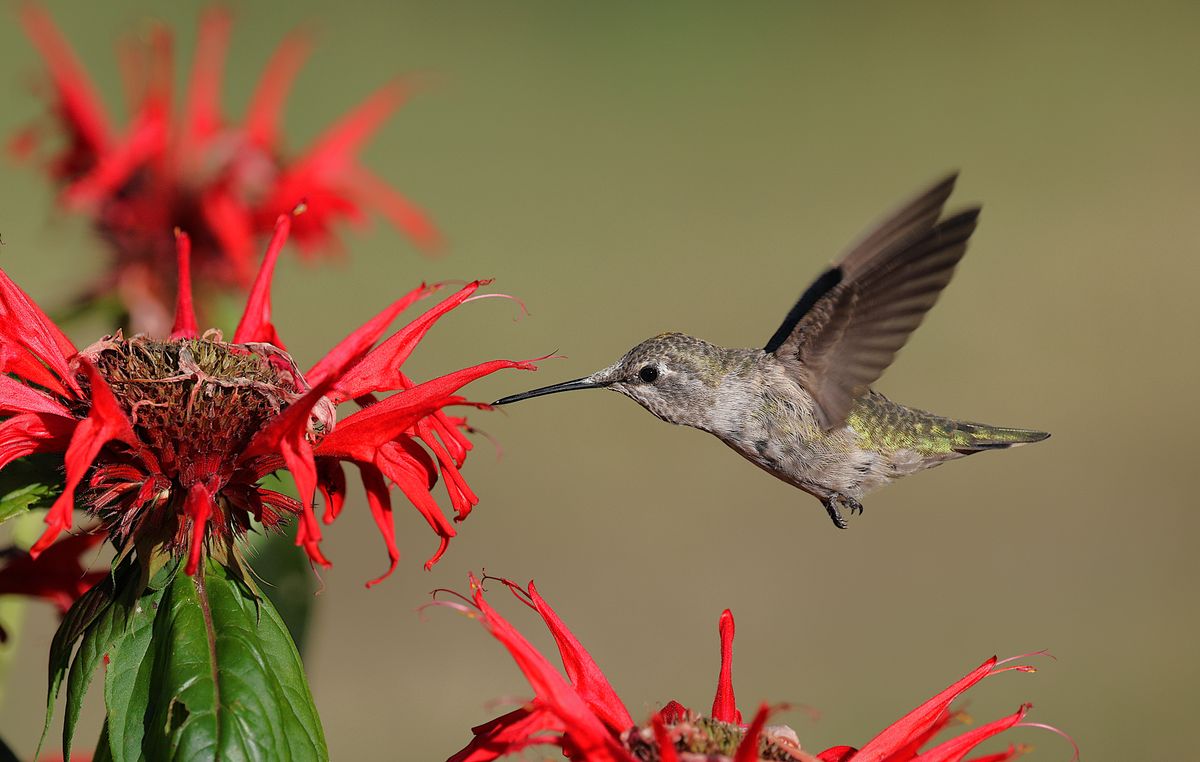
Photo by Veronika Andrews on Pexels
Protecting a solar-illuminated glass feeder requires balancing structural mounting, electronics shelter, and sunlight access. Follow these steps to prepare your garden setup for severe summer weather.
Step 1: Position a 100% Clear Acrylic Baffle Above the Solar Cap
Mount a 12-to-14-inch clear dome baffle directly onto your hanging chain or pole, positioning it 2 to 4 inches above the solar panel cap. Using an opaque or metal rain shield will shade the solar module, preventing the internal battery from achieving a full daytime charge. Clear UV-resistant acrylic sheds heavy downpours sideways while allowing ambient sunlight to strike the solar cells uninterrupted.Step 2: Retrofit Hanging Loops with Locking Carabiners
Standard open S-hooks can unhook when severe wind gusts bounce a hanging feeder up and down. Swap all open hooks with rubberized, screw-locking carabiner clips. Connect the top loop of your feeder directly to the locking carabiner attached to your shepherd's hook or eave bracket to prevent violent wind lift off.Step 3: Anchor the Pole Foundation in Garden Soil
Single-prong shepherd's hooks wobble and tilt as summer rain saturates garden soil. Upgrade to a heavy-duty pole featuring a multi-prong H-base foot. Step down firmly on the base step-plate until all prongs penetrate at least 6 to 8 inches into firm ground. For soft or freshly mulched garden beds, place a heavy decorative stepping stone across the ground prongs to prevent shifting.Step 4: Maintain Minimum Nectar Ballast
Liquid nectar acts as a natural stabilizer. A full 32 fl.oz reservoir adds approximately two pounds of downward weight at the bottom of the assembly, significantly lowering the center of gravity and dampening pendulum motion in 25–35 mph winds. Keep your reservoir at least half full when thunderstorm activity is forecasted.Step 5: Seal and Thread the Anti-Rust Metal Base
Before hanging, verify that the hand-blown glass reservoir is smoothly threaded into its leak-proof metal base. Ensure the silicon rubber gasket sits flush inside the threaded collar to prevent rainwater from creeping into the feeding ports or dilute the 4:1 sugar-water mix.Pro Tip: Preserving Solar RGB Night Lighting While Blocking Torrential Downpours
Do not cover your feeder's solar cap with dark umbrellas or heavy metal shields! Solar-powered glass feeders rely on top-mounted photovoltaic cells to charge their internal lithium battery during daytime hours. To enjoy up to 8 hours of automatic RGB illuminated light at dusk, clean the clear acrylic rain guard weekly with mild water and a microfiber cloth. Dust, sap, and hard water spots on the rain dome can reduce light transmission by 15% to 25%, shortening your nightly light display.
Essential Takeaways for Storm-Resilient Hummingbird Feeding
- Clear Domes Are Essential: Always use crystal-clear acrylic rain guards over solar caps so daylight penetrates to charge RGB lighting batteries.
- Lock Your Connections: Replace open S-hooks with screw-locking carabiners to avoid wind-driven drops and glass breakage.
- H-Base Anchors Win: Multi-prong ground bases hold deep in rain-soaked soil where single-prong stakes pull free.
- Weight Prevents Sway: Keeping a 32 oz glass vessel half-full or higher provides weight to reduce wild pendulum swinging.
- Protect Nectar Integrity: Rainwater dilution leads to rapid fungal mold growth; replace diluted nectar immediately after major storm events.
Feeder Hanging Mount Stability Comparison Under Severe Weather Scenarios
| Severe Weather Scenario | Single-Prong Shepherd Hook | Multi-Prong H-Base Hook | Deck Clamp Bracket | Tree Branch Strap |
| --- | --- | --- | --- | --- |
| Passing Summer Shower (Light Rain, 5-15 mph Wind) | Stable; minimal movement in firm ground. | Fully stable; zero tilt or movement. | Fully stable; excellent rigid support. | Stable; gentle swinging under leaf canopy. |
| Sustained Rain Squall (1-2 Inches Rain, 20-35 mph Wind) | High Risk: Soil softens and single prong tilts or falls. | Stable: Multi-prong footprint distributes load in wet soil. | Stable: Rigid steel frame withstands wind loads. | Moderate Risk: Branch movement causes wide pendulum swing. |
| Severe Thunderstorm Warning (Heavy Downpour, 40+ mph Gusts) | Unsafe: Pole drops; glass collision risk. | Moderate Risk: Glass vessel sways violently; require locking carabiner. | Stable: High structural stability near building wall. | Unsafe: Collisions against tree trunks can shatter glass. |
Different garden mounting locations react differently when exposed to summer squalls, heavy rainfall, and soft soil conditions.
Choosing the Right Rain Shield & Anchor for Your Regional Climate
Selecting proper mounting hardware depends on whether your yard experiences open prairie wind gusts, coastal humidity, or sudden woodland downpours.
Best choice for
- Multi-Prong H-Base Shepherd's Hook with 14-inch Clear Acrylic Rain Shield — Provides full 360-degree solar exposure for RGB charging while stabilizing the pole in loose garden soil.
- Heavy-Gauge Steel Deck Rail Clamp with Rubberized Locking Carabiner — Eliminates ground soil saturation risks completely while anchoring heavy glass decor near building structures.
- Do not use dark, frosted, or painted metal weather baffles directly over top-mounted solar caps.
- Avoid light-duty plastic suction cup window mounts for heavy 32 oz hand-blown glass feeders during storm season.
- Covered Porch Eave Hook — Offers complete overhead rain protection, but requires angled indirect sunlight or morning solar exposure to charge night lights.
Storm-Tested Solar Hummingbird Feeder Gear
When selecting a solar glass hummingbird feeder designed to handle the elements while transforming your twilight garden, construction quality makes all the difference.
🌟 LUJII Solar-Powered Hand-Blown Glass Hummingbird Feeder 🌟
- Handcrafted Glass Art: Every reservoir is individually shaped by glass artisans at 2,300°F, creating a vibrant, translucent vessel that makes monitoring nectar levels easy.
- Weatherproof Solar Cap & RGB Illumination: Features a protective waterproof solar top that shields internal electronics from rain, snow, and UV rays while automatically lighting up at night for up to 8 hours with captivating RGB color modes.
- Leak-Proof Metal Base: Built with an anti-rust coated metal base and slender sealed reservoir to minimize drips, prevent leaks, and withstand wet garden weather.
- Generous 32 fl.oz Capacity: Offers ample volume so you don't have to refill constantly, while providing natural low-center weight ballast during windy summer storms.
Weather Resistance & Load Specifications for Solar Glass Feeders
| Specification / Feature | Standard Plastic Feeder | LUJII Solar Hand-Blown Glass Feeder | Engineering Purpose |
| --- | --- | --- | --- |
| Reservoir Material & Heat Origin | Molded Lightweight Plastic | 2,300°F Hand-Blown Translucent Glass | Thick wall glass adds mass ballast against wind sway. |
| Nectar Capacity & Wet Load Weight | 12 – 16 fl oz (approx. 1.1 lbs) | 32 fl oz (approx. 2.8 lbs fully loaded) | Higher downward mass lowers center of gravity on hooks. |
| Base Construction | Snap-fit Plastic Base | Anti-Rust Coated Threaded Metal Base | Resists oxidation and structural cracking under moisture. |
| Solar Electronics Protection | Unsealed / None | Waterproof Protective Cap Housing | Prevents rain intrusion to battery circuit board. |
| Night Lighting Endurance | None | Up to 8 Hours RGB Auto Illumination | Charges via daylight; auto-activates at dusk. |
| Wind Gust Safe Threshold | Up to 20 mph (flips easily) | Up to 35 mph (with locking carabiner & H-base) | Prevents structural detachment during summer squalls. |
Understanding physical tolerances helps you determine when to leave your feeder outside and when to bring glass decor indoors.
Anatomy of a Storm-Resilient Solar Glass Feeder Setup
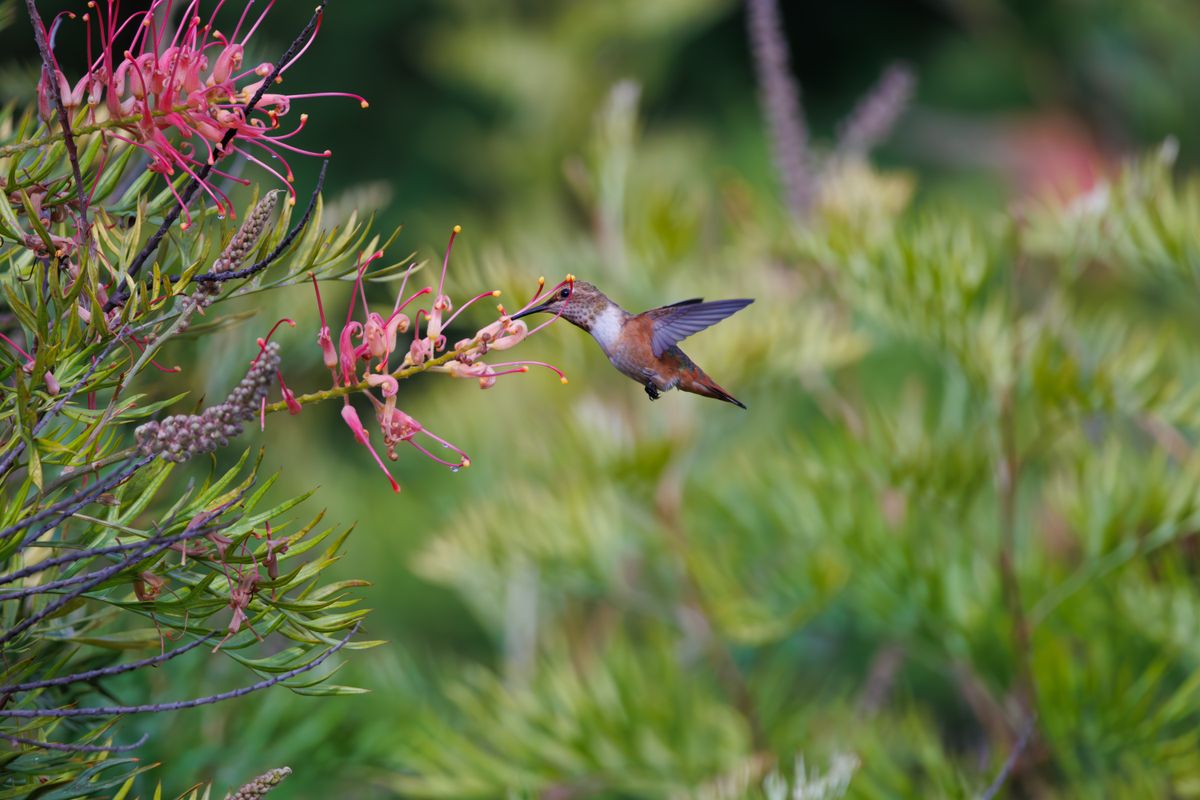
Photo by Ant Armada on Pexels
This diagram illustrates the correct vertical arrangement for shielding top-mounted solar electronics while securing handcrafted glass against high wind loads.
Critical Mistakes That Cause Shattered Glass and Shorted Solar Circuits
Avoid these common setup errors that lead to glass damage, diluted nectar, or dark solar lights:
Seasonal Weatherproofing Timeline: Spring Setup to Mid-Summer Squall Season
- Early Spring (Setup & Installation) — Drive multi-prong shepherd hook 6-8 inches into soil; install clear acrylic rain guard and test locking carabiner clips.
- Late Spring (Pre-Storm Inspection) — Inspect anti-rust metal base threads and silicone sealing ring; wipe solar cap lens with a damp cloth to ensure full sun absorption.
- Mid-Summer (Squall & Heatwave Season) — Check soil firmness around pole base after heavy rains; inspect nectar for water dilution or cloudy mold growth following downpours.
- Autumn / Freeze Prep — Clean glass reservoir with warm water and soft brush; store handcrafted glass indoors before first hard frost to prevent ice expansion cracks.
Related Backyard Birding & Weatherproofing Guides
- Can Solar Hummingbird Feeders Get Wet? Weatherproofing, Rain, & Sun Protection Guide
- Solar Glass Hummingbird Feeder FAQ: Color Durability, Solar Care, and RGB Lights
- Why Choose a Solar Glass Hummingbird Feeder?
Frequently Asked Questions About Weatherproofing Solar Glass Hummingbird Feeders
Find quick answers to common questions about managing rain, wind, and solar charging in your garden.
Next Steps for Your Garden Sanctuary
Your decision: Determine your garden's wind exposure level and soil stability before summer thunderstorm season peaks.
Do this next: Install a 14-inch clear acrylic rain guard and swap open S-hooks for locking carabiners on your solar glass feeder.
- Read next: Hot Weather Nectar Ratios: How to Keep Hummingbird Food Fresh in Summer
- Read next: The Ultimate Buying Guide to Weather Baffles and Shields for Solar Feeders
Upgrade to the LUJII Solar-Powered Hand-Blown Glass Hummingbird Feeder featuring a leak-proof metal base and protective waterproof solar cap.
Ready to transform your garden into an inviting refuge for hummingbirds day and night? Follow these actionable next steps.
Cover photo by Veronika Andrews on Pexels.