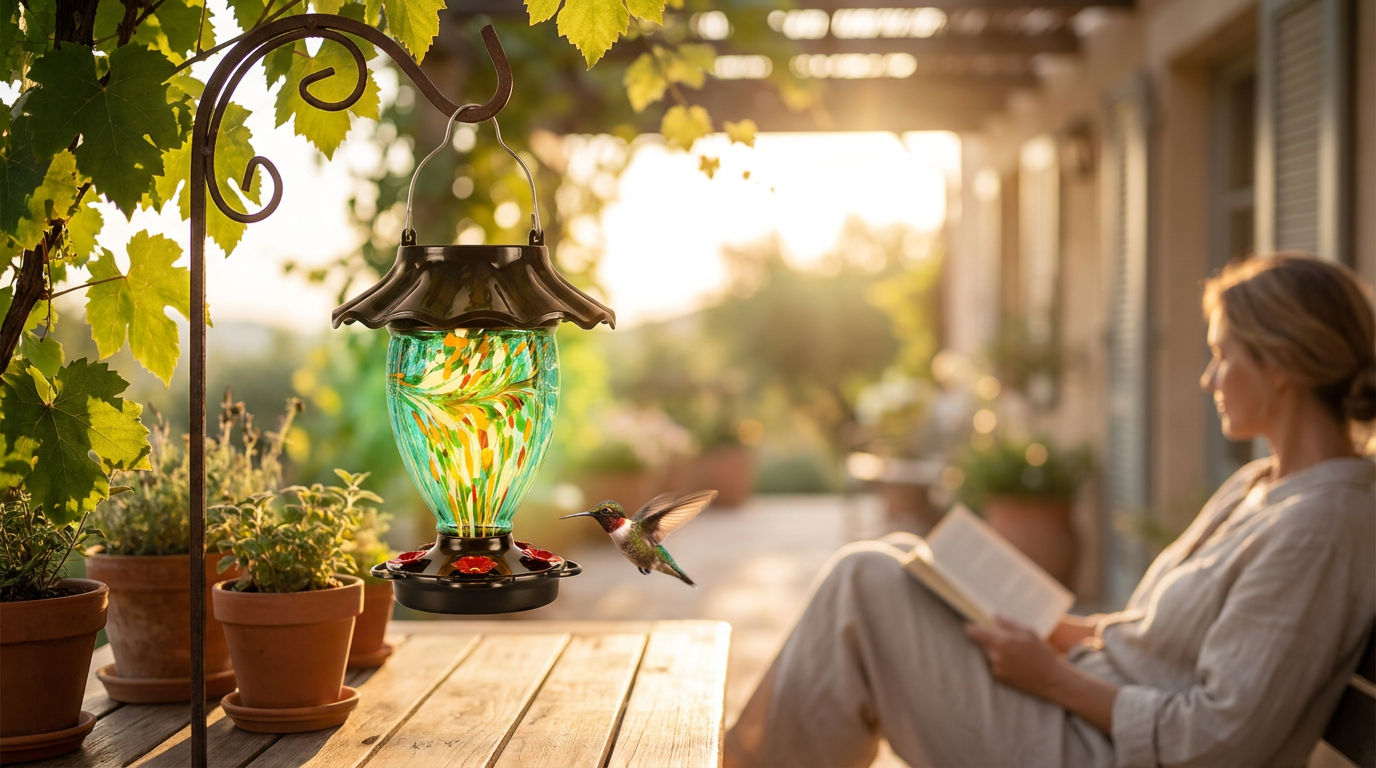
Why Choose a Solar Glass Hummingbird Feeder?
 Priya RamanSenior Analyst
July 21, 2026 — Choosing a solar glass hummingbird feeder requires balancing aesthetic illumination with the physiological needs of birds, specifically ensuring the glass reservoir does not overheat the nectar during daylight hours.
Homeowners often struggle to reconcile the desire for decorative garden lighting with the practical requirements of a functional bird sanctuary. Two axes matter here: the material thermal properties of the glass and the structural ergonomics of the feeding ports. Think of it as a matrix of visibility and utility where the glass serves as both a beacon for the birds and a protective vessel for their food source.
How does glass quality impact solar hummingbird feeder performance?
High-quality hand-blown or thick-walled glass provides superior UV resistance and thermal stability compared to plastic alternatives, ensuring the nectar remains viable for longer periods. The decision rule is to prioritize glass thickness and color density, as darker or thicker glass can mitigate rapid temperature spikes that lead to fermentation. According to The Birdhouse Chick, premium solar glass hummingbird feeders often utilize a hand-blown glass base and top paired with a 18 oz. nectar capacity, providing enough weight to remain stable in moderate winds. Once you see it this way, the glass is not just decorative; it is a specialized insulator. While a hanging glass solar bird feeder provides visual appeal, the chemical inertness of glass prevents toxins from leaching into the sugar water, a common risk with lower-grade polycarbonate models. Furthermore, glass surfaces are easier to sterilize during routine maintenance, which is critical for preventing avian diseases.
Does integrated LED lighting affect hummingbird feeding behavior?
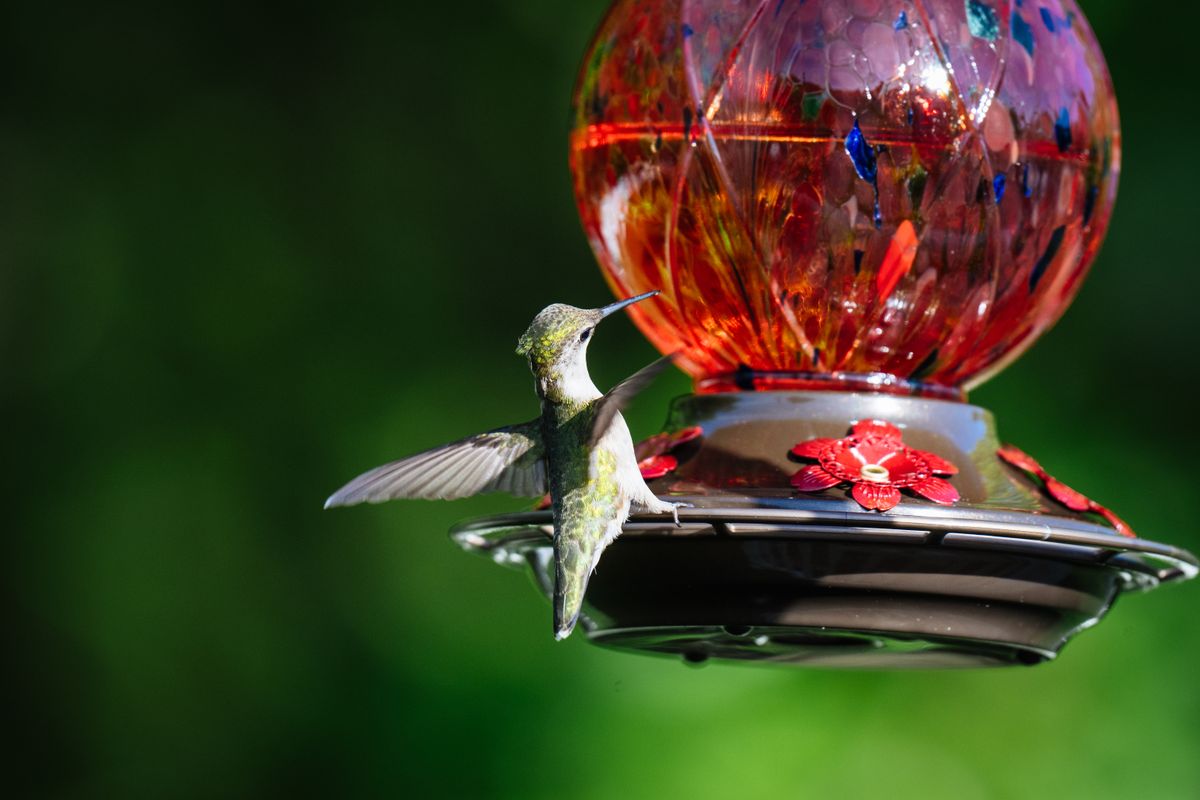
Integrated LED lighting in solar feeders primarily serves a human aesthetic purpose during nocturnal hours and does not negatively impact the feeding patterns of diurnal hummingbirds, provided the light does not generate significant heat near the feeding ports. The solar components are typically housed in the lid, charging during the day to power a soft glow at night. Nature's Way Birds notes that hummingbirds possess tongues that can extend up to twice the length of their beak, meaning they can efficiently access nectar in dish-style glass feeders even if the solar housing slightly modifies the lid's shape. When evaluating these units, ensure the lighting element is fully sealed to prevent moisture ingress, a topic covered in depth regarding weatherproof solar hummingbird feeder maintenance. The primary benefit of the solar element is locating the feeder in the landscape after dark, which serves as a decorative anchor when selecting a solar hummingbird feeder for backyard lighting.
Quick answers
Q: What is the average nectar capacity for a glass solar feeder? A: Most standard models, such as those from The Birdhouse Chick, hold approximately 18 oz., though larger high-capacity reservoirs like those from LUJII can hold up to 32 fl.oz. for high-traffic gardens.
Q: Can the solar light be turned off to save battery? A: Most solar glass hummingbird feeders feature an under-cap toggle switch that allows the user to disable the LED during the winter or during periods of extended storage.
Q: How long does the illumination typically last on a full charge? A: A standard Solar Hummingbird Feeder equipped with a monocrystalline panel typically provides 6 to 8 hours of illumination after a day of direct sun exposure.
Learn more about Solar Hummingbird Feeder at https://solarhummingbirdfeeder.com.
Sources
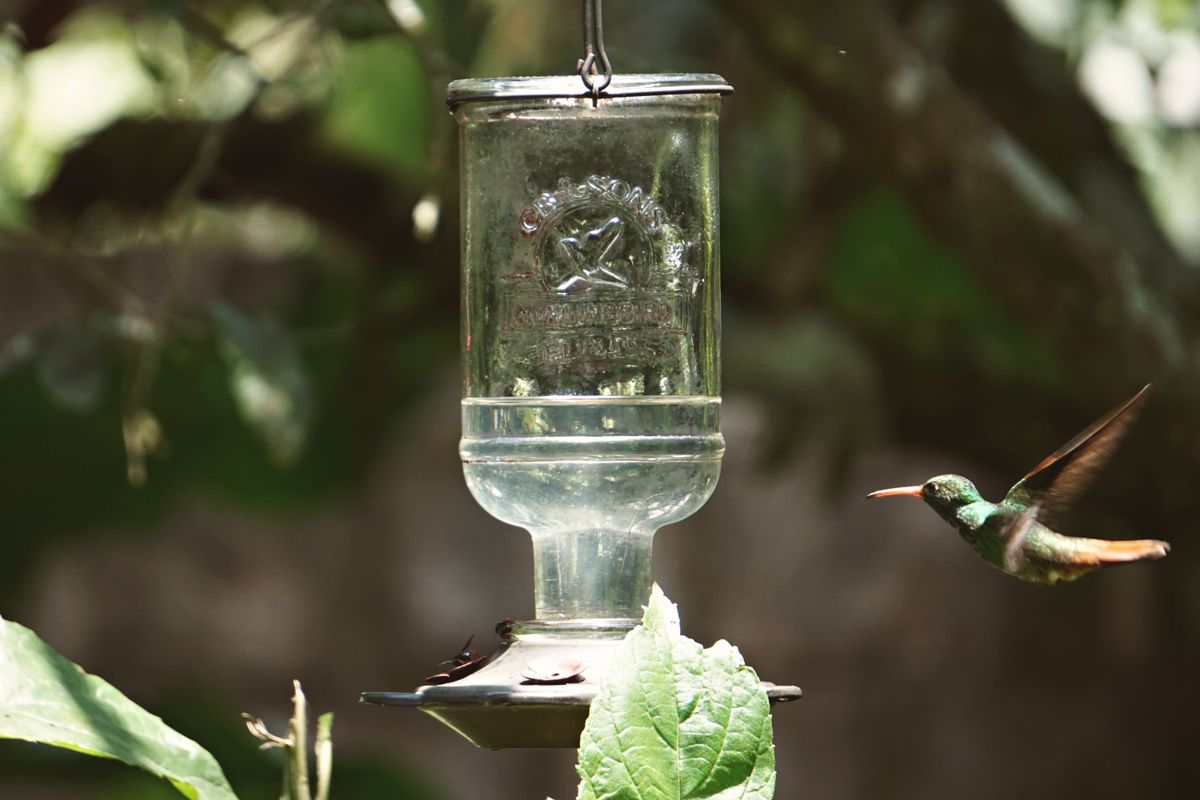
Photo by DΛVΞ GΛRCIΛ on Pexels
- Spring Rain Illuminated Handblown Glass Top-Fill Hummingbird ...
- Solar Glass Hummingbird Feeder with Perch - The Birdhouse Chick
- Solar Hummingbird Feeders - lujiigarden