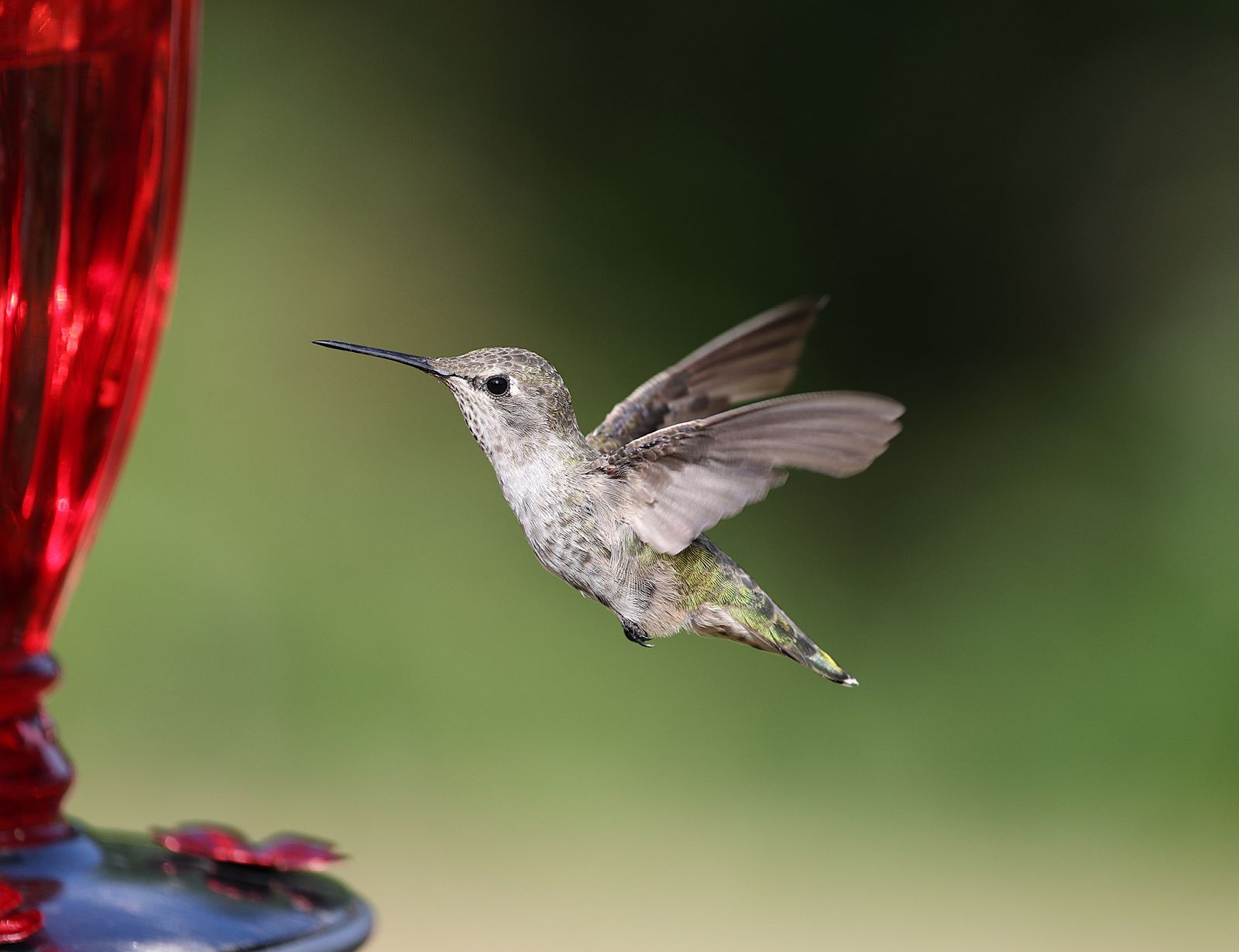
Solar Glass Hummingbird Feeder FAQ: Color Durability, Solar Care, and RGB Lights
Contrary to a common garden myth, hand-blown solar glass hummingbird feeders do not fade in direct sunlight, nor do their solar lights disturb hummingbirds. Mineral pigments fused at 2,300°F retain lifetime color, while dusk-activated RGB solar LEDs illuminate only after birds have roosted for the night. For a leak-free experience, choose a 32 fl. oz sealed vessel with an anti-rust metal base.
Is an Artisan Solar Glass Feeder Right for Your Garden?
Choose a hand-blown solar glass feeder if you want permanent UV color vibrancy, dual day-and-night backyard beauty, and leak-proof reliability.
Best choice for
- 2,300°F Hand-Blown Fused Glass — Mineral pigments are fused directly into molten glass, preventing UV peeling, sun fading, or color degradation over years of direct sunlight.
- RGB Solar-Powered Light Cap — Captures ambient daytime sunlight to power up to 8 hours of subtle, color-changing LED glow starting right at dusk after birds roost.
- Sealed Base with Rubber Gasket — Provides a low center of gravity and a tight silicone seal that keeps 32 fl. oz of nectar securely contained during summer winds.
- You live in sub-freezing winter weather and intend to leave liquid nectar outdoors without bringing glass inside.
- Your desired hanging location sits under deep, 24-hour tree shade with zero direct sunlight to recharge solar panels.
- Standard Molded Clear Glass Feeder — Offers simple nectar monitoring at a lower initial cost, but lacks integrated automatic nighttime illumination and artisanal color artistry.
- Lightweight Polycarbonate Plastic Feeder — Shatter-resistant for high-activity child play areas, but prone to UV yellowing, surface scratches, and solar cap degradation over time.
Featured Garden Highlight: LUJII Solar Hand-Blown Glass Feeder
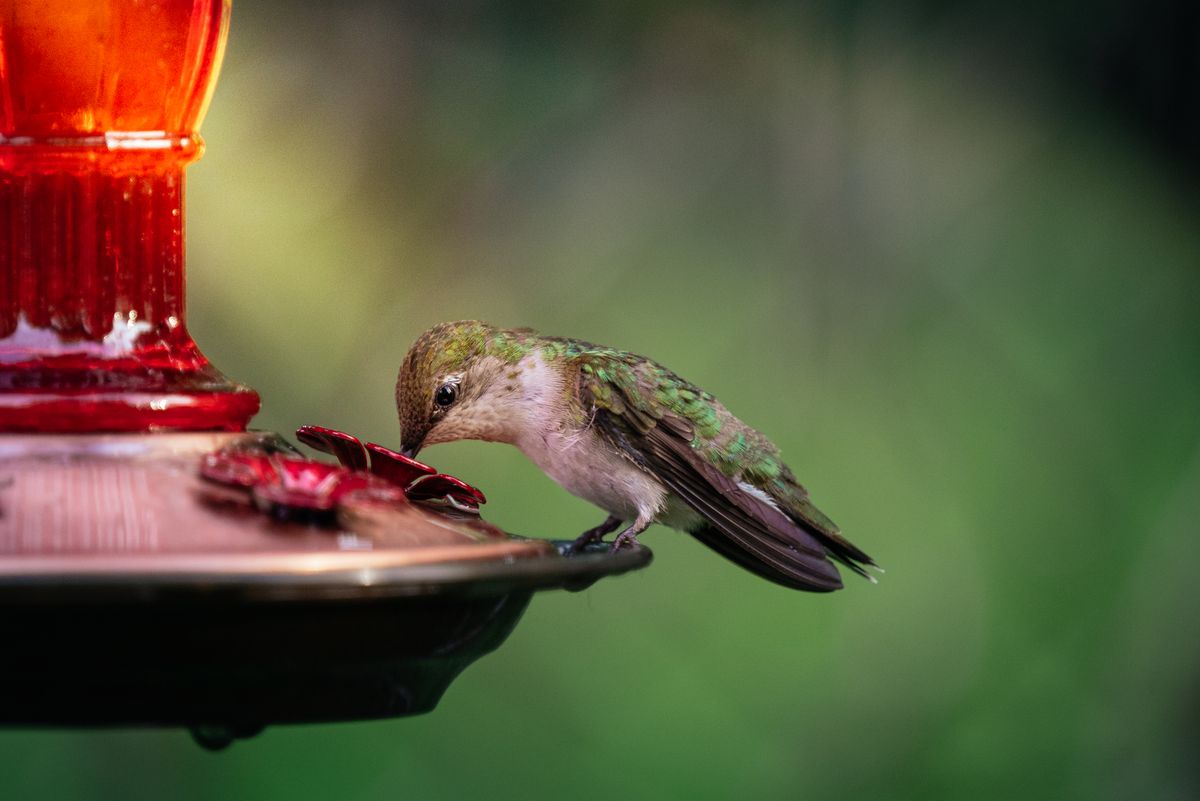
Bring magical radiance and joyful hummers to your yard with the LUJII Solar-Powered Hand-Blown Glass Hummingbird Feeder. Hand-crafted at 2,300°F, each unique glass reservoir pairs artisan beauty with high-performance solar technology.
Expert Tip: Maximizing Solar Charge & Glass Brilliance
To keep your solar cap operating at peak efficiency and your glass sparkling like a jewel, follow these insider maintenance secrets:
- The Wipe-Down Habit: Every time you refill nectar, wipe the top solar panel with a soft, damp microfiber cloth. Microscopic pollen, water spots, and dust can reduce solar absorption by up to 30% over a month.
- Seasonal Sun Tracking: In late spring and autumn, as the sun's angle changes, re-check your hanging spot to ensure the panel receives 4 to 6 hours of unshaded sunlight.
- Gasket Seating Check: Always wipe the threaded glass lip dry before screwing on the metal base. A dry silicone gasket forms a tighter vacuum seal, completely eliminating drips when inverted.
Material Performance Matrix: Fused Glass vs. Painted Glass vs. Plastic
| Scenario / Requirement | LUJII Hand-Blown Fused Glass | Factory Surface-Painted Glass | Molded Polycarbonate Plastic |
| --- | --- | --- | --- |
| Direct Summer UV Exposure | 100% Fade-Proof; color oxides are permanently embedded inside glass matrix. | Prone to flaking, bubbling, and sun-fading within 1 to 2 seasons. | Susceptible to yellowing, clouding, and brittle stress cracks over time. |
| Hot Water & Bottle Brush Cleaning | Scratch-resistant surface handles warm water and bottle brushes safely. | Abrasive brushes can scrub off painted motifs and external clear coats. | Soft plastic scratches easily, creating microscopic grooves where mold hides. |
| Wind Resistance & Leak Protection | Heavier glass vessel + rubber gasket seal maintains balance and prevents drips. | Lightweight glass without silicone seals can wobble and leak nectar in gusts. | Ultra-light weight causes swinging; snap-on bases often drip under pressure. |
| Nighttime Garden Aesthetics | Translucent glass diffuses internal RGB solar LEDs into a soft ambient glow. | Opaque painted layers block solar light, creating dim or uneven illumination. | Lacks solar integration or relies on harsh, unshielded plastic bulbs. |
Not all glass feeders are crafted equal. Here is how handcrafted 2,300°F fused solar glass compares to mass-produced painted glass and plastic alternatives across key environmental conditions.
Key Takeaways: Solar Glass Feeder Care at a Glance
Keep these essential facts in mind as you enjoy your hand-blown solar glass hummingbird feeder:
- Permanent Color: Mineral oxides melted at 2,300°F mean your glass pattern will never peel or fade under harsh sunlight.
- Hummingbird-Safe Lighting: Automatic solar RGB lights turn on only after dark, well after diurnal hummingbirds have gone to sleep in sheltered roosts.
- Leak-Proof Mechanics: A slender 32 fl. oz design paired with a seated rubber gasket creates a tight seal against drips.
- Easy Monitoring: Translucent glass makes checking nectar levels effortless at a glance.
- Protect the Tech: Always unscrew and remove the solar cap before washing the glass body with warm water.
Pre-Hang Inspection & Setup Checklist
- [ ] Unscrew the solar cap and verify the internal power switch is switched to the 'ON' position.
- [ ] Place the solar cap in full, direct sunlight for 6 to 8 hours before its first nighttime illumination cycle.
- [ ] Inspect the translucent glass reservoir to ensure it is clean and free of shipping packaging residue.
- [ ] Check that the silicone rubber sealing ring sits perfectly flush inside the anti-rust metal base.
- [ ] Fill the reservoir with fresh 4:1 water-to-sugar nectar (pure white cane sugar; strictly no red dye).
- [ ] Screw the base on firmly, invert the feeder smoothly over a sink, and check that no drips escape the feeding ports.
Feeder Cleaning & Solar Care Schedule
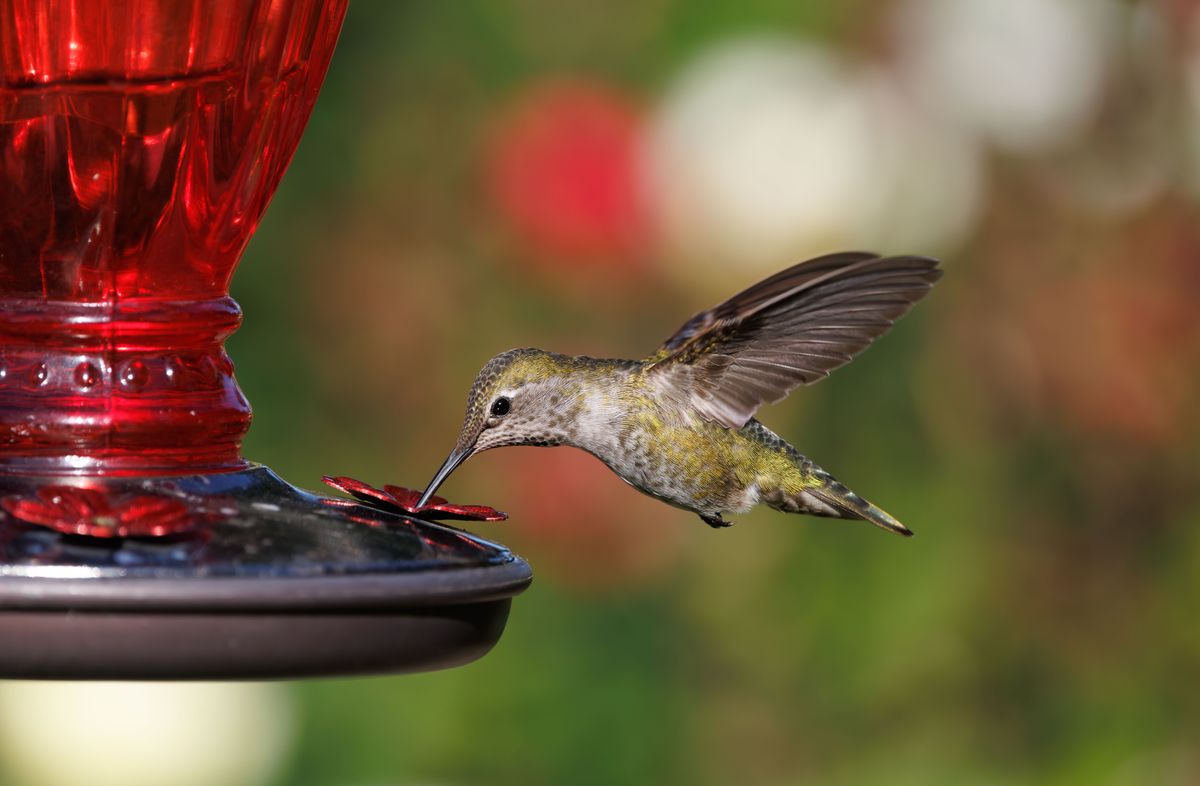
Photo by Veronika Andrews on Pexels
- Every 2 to 3 Days (Summer) — Empty remaining nectar, rinse glass vessel with warm water, and refill with fresh 4:1 sugar water. (In cooler spring weather, refresh every 4 to 5 days).
- Weekly Maintenance — Unscrew solar cap and set aside. Wash the glass reservoir and metal base with warm water and a soft bottle brush. Wipe solar panel top with a damp microfiber cloth.
- Monthly Checkup — Inspect the rubber gasket ring for debris or wear. Clean feeding ports with a small port brush to remove any dried sugar buildup or pollen.
- Seasonal Transition (Late Fall / Winter) — Before temperatures drop below 32°F (0°C), bring glass vessel indoors. Clean thoroughly, switch solar cap to 'OFF', and store in a cool, dry place to protect glass from freezing thermal shock.
5 Mistakes to Avoid with Solar Glass Hummingbird Feeders
Avoid these common pitfalls to protect your artisan glass, preserve solar battery life, and safeguard visiting hummingbirds.
Explore More Hummingbird & Garden Styling Guides
Expand your knowledge on backyard bird care, garden lighting techniques, and hand-blown glass artistry with these recommended resource topics:
- How to Clean and Maintain Your Hand-Blown Solar Hummingbird Feeder — Step-by-step cleaning routines to keep artisan glass spotless and streak-free.
- Hand-Blown vs. Molded Glass Feeders: Why Detail Matters — Learn how ancient glassblowing methods create resilient, one-of-a-kind outdoor art.
- Spring Outdoor Styling: Enhancing Natural Sunlight with Glass Accents — Placement tips for catching morning light and creating magical backyard reflection spots.
- Do Hummingbirds Feed at Night? Understanding Dusk Behavior — Discover how hummingbirds transition to torpor at dark while nocturnal garden visitors enjoy your RGB glow.
Frequently Asked Questions: Color, Care, and Solar Lights
Got questions about your solar glass hummingbird feeder? Here are detailed, expert answers to the most common queries from garden enthusiasts.
Your Next Steps for a Vibrant Solar-Lit Garden
Your decision: Invest in a handcrafted, 2,300°F fused solar glass feeder to eliminate color fading and enjoy dual day-and-night backyard aesthetics.
Do this next: Select your favorite hand-blown color pattern, inspect the solar gasket upon unboxing, fill with a fresh 4:1 nectar recipe, and hang in a location receiving 4 to 6 hours of direct sunlight.
- Read next: How to Clean and Maintain Your Hand-Blown Solar Hummingbird Feeder
- Read next: Hand-Blown vs. Molded Glass Feeders: Why Detail Matters
🌟 LUJII Solar-Powered Hand-Blown Glass Hummingbird Feeder (32 oz, RGB Lighting, Anti-Rust Metal Base)
Ready to transform your garden into a colorful sanctuary for hummingbirds by day and a glowing oasis by night?
Cover photo by Veronika Andrews on Pexels.