How to Keep Ants and Bees Off Hummingbird Feeder (Safe Guide)
To keep ants and bees off your hummingbird feeder, install a water-filled ant moat to block crawling insects, relocate the feeder to 100% afternoon shade to stop thermal nectar leaks, and use a sealed glass feeder with micro-ports. Never apply petroleum jelly, oils, or chemical insecticides near bird feeding areas.
Pest Diagnostic Flowchart: Identifying Your Yard Invaders
- Are insects crawling down the hanging wire or pole to reach nectar? → Yes: Target Crawling Pests: Install a hanging water ant moat directly above the feeder. Ensure no overhanging tree leaves touch the glass body to eliminate secondary insect bridges.. No: Proceed to evaluating flying pests at the feeding ports..
- Are yellowjackets, honeybees, or wasps swarming around the feeding ports? → Yes: Target Flying Pests: Move feeder to full shade to eliminate heat-induced pressure drips. Ensure ports are bright red without yellow accent covers.. No: Inspect feeder seals for physical cracks or nectar buildup on the metal base..
Summer Nectar Pest Troubleshooting Matrix
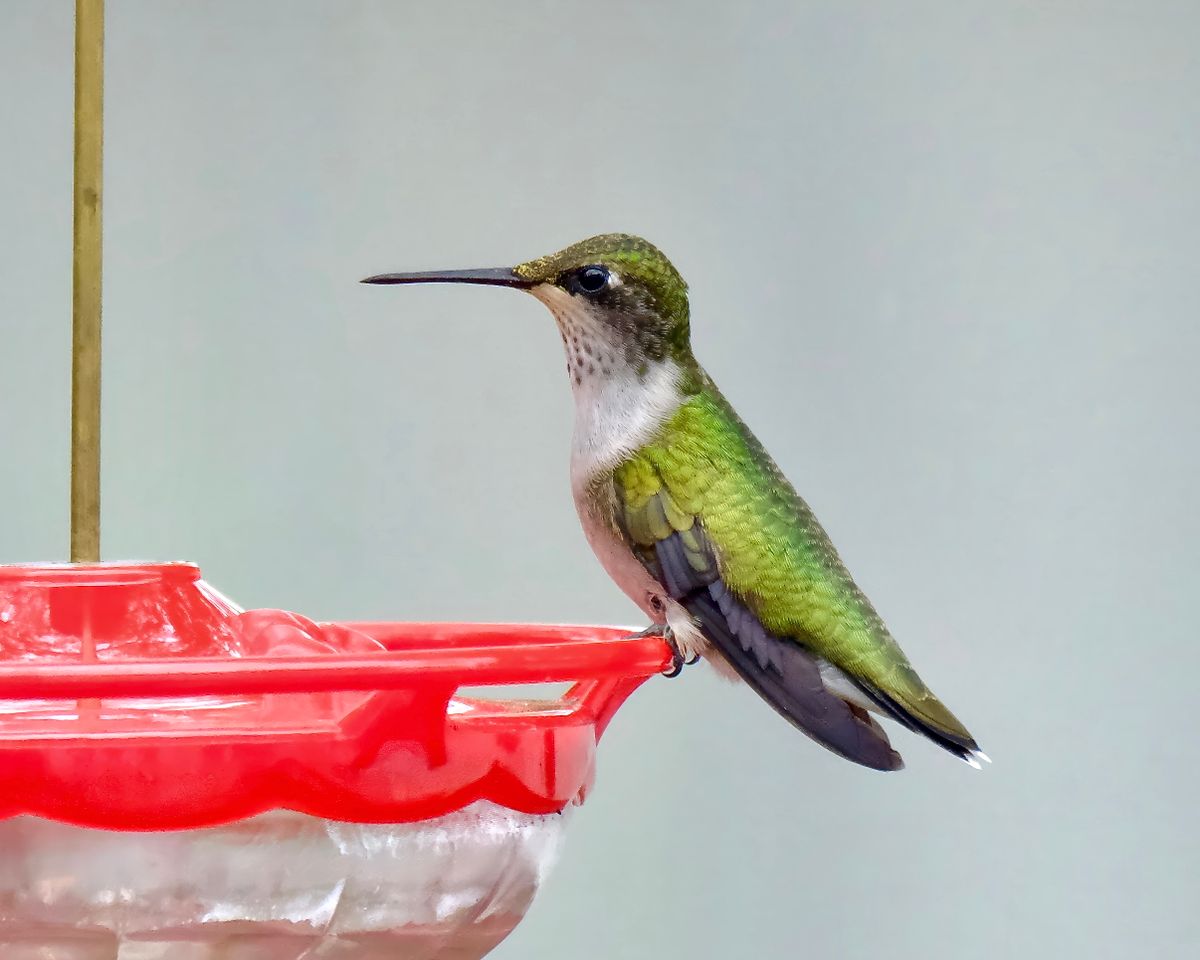
Photo by A. G. Rosales on Pexels
| Garden Scenario / Symptom | Primary Pest Threat | Root Cause | Wildlife-Safe Remedy |
| --- | --- | --- | --- |
| Ant march forming along hanging deck wire | Nylanderia & Argentine Ants | Unprotected hanging hardware creates a direct trail from tree branches. | Hang a 3-inch water ant moat above the feeder hook; top off water weekly. |
| Yellowjackets aggressively blocking ports at 3:00 PM | Wasps & Hornets | Direct sunlight causes internal air expansion, forcing nectar out of ports. | Relocate feeder to 100% afternoon shade; wash outer metal base with plain water. |
| Honeybees hovering continuously around feeder base | European Honeybees | Yellow decorative port guards or shallow nectar levels accessible to bee tongues. | Switch to red micro-ports; maintain strict 4:1 sugar water ratio with zero red dye. |
| Sticky sugar drips coating bottom of hand-blown reservoir | Mixed Crawling & Flying Swarms | Overfilling 32 oz reservoir during extreme 90°F+ heat waves. | Fill reservoir only half-full during heat waves and clean every 48 hours. |
Use these scenario-based diagnostic steps to address specific insect behaviors quickly without disrupting your visiting hummingbirds.
Expert Tip: Thermal Placement & Shade Defense
Physics plays a massive role in keeping feeding stations pest-free! Hand-blown glass hummingbird feeders feature sealed air pockets above the nectar line. When intense afternoon sunlight hits the translucent glass, that trapped air expands rapidly, pushing liquid nectar out through the bottom feeding ports. Bees and wasps can detect atomized sugar water from hundreds of feet away. By hanging your feeder in 100% afternoon shade, you maintain cooler internal air temperatures, prevent liquid expansion leaks, and keep nectar fresh and inviting for hummingbirds.
Safe vs. Hazardous Deterrents Audit
- [ ] ✓ Install a plain water ant moat at least 3 inches wide above the hanging hook.
- [ ] ✓ Hang feeders in full shade during peak daytime heat.
- [ ] ✓ Choose micro-ports that keep nectar level deeper than 1/2 inch from insect mouthparts.
- [ ] ✓ Clean feeding ports every 2 days when outdoor temperatures top 85°F.
- [ ] ✗ NEVER coat hanging wires or poles with petroleum jelly, Vaseline, or mineral oil.
- [ ] ✗ NEVER add essential oils (peppermint, eucalyptus) to nectar or feeder surfaces.
- [ ] ✗ NEVER spray commercial insect repellents or pesticides near bird feeding stations.
- [ ] ✗ NEVER mix dish soap directly into nectar or moat water where birds might drink.
Pest Control Decision Tree by Garden Setup
- Is your solar glass feeder mounted on a metal Shepherd's Hook or hanging from a tree branch? → Yes: Tree Branch Mounting: Ants easily trek down bark. You MUST use an inline water ant moat and trim foliage within 12 inches of the glass reservoir.. No: Check deck pole or wall bracket mounting setup.
- Is the feeder attached to a wooden deck rail or patio pergola? → Yes: Deck Rail Mounting: High horizontal foot traffic for ants. Mount a physical water moat barrier and ensure solar cap gets morning sunlight before shifting into afternoon shade.. No: Wall Mount: Ensure wall bracket extends at least 18 inches away from house siding.
Key Nectar Safety Takeaways
Keep these four fundamental rules in mind whenever managing summer bird stations:
- Water is the Ultimate Ant Barrier: A simple water-filled moat creates an impassable moat for crawling insects without introducing chemicals.
- Shade Prevents Leaks: Thermal expansion from direct sun is the primary cause of dripping nectar, which calls in bees and wasps.
- Avoid Yellow Accents: Honeybees are naturally drawn to yellow spectrum cues; stick to vivid red hand-blown glass and clear ports.
- Sticky Fats Kill Birds: Never put Vaseline or grease on poles. If oil rubs onto a hummingbird's feathers, they lose insulation and the ability to preen, which is fatal.
Feeder & Pest Guard Selection Guide
To effectively deter summer pests without harming birds, combine physical water barriers for ants with a shaded, leak-proof hand-blown glass feeder designed to keep nectar recessed away from flying insects.
Best choice for
- Top-Mounted Water Ant Moat — Provides a non-toxic liquid barrier that ants cannot cross, keeping your hanging hardware completely clean.
- Sealed Glass Base with Recessed Micro-Ports in Full Shade — Prevents thermal pressure drips while keeping nectar depth well out of reach of short insect tongues.
- Avoid feeders with yellow plastic flower guards, as yellow strongly attracts honeybees.
- Avoid applying grease, oils, or sticky gel traps anywhere near bird perches or hanging hardware.
- Saucer-style glass feeders — Keeps nectar pooled low in the base, making it physically impossible for bees to reach through top ports while long hummingbird bills reach easily.
Recommended Solution: LUJII Sealed Solar Glass Feeder
Upgrade your garden defense with handcrafted artistry that naturally deters pests while lighting up your twilight landscape.
Deterrent Methods by Summer Scenario
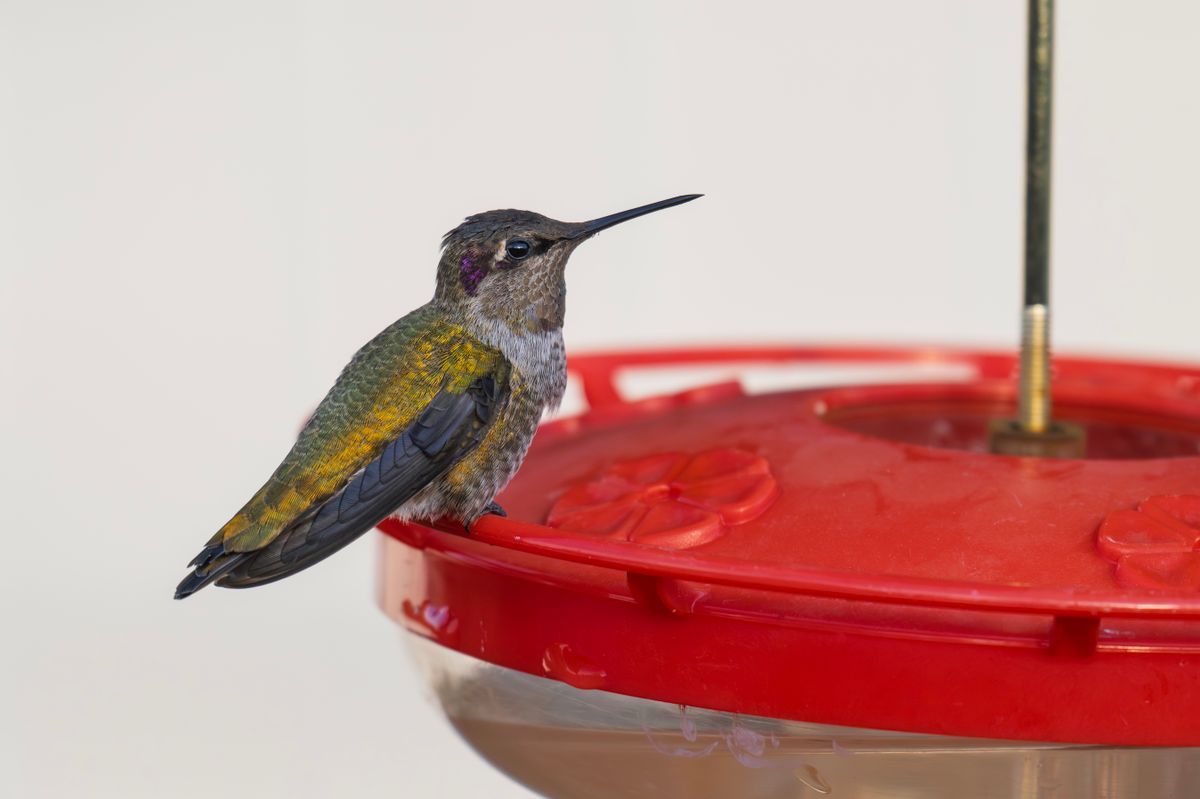
Photo by Frank Cone on Pexels
| Summer Garden Scenario | Method: Water Ant Moat | Method: Shade Relocation | Method: Petroleum Jelly (UNSAFE) | Method: Fake Wasp Nest |
| --- | --- | --- | --- | --- |
| High Heat Wave (90°F+) | High Effectiveness (Check water level daily) | Maximum Effectiveness (Stops internal pressure leaks) | Hazardous (Melts onto perches and bird feathers) | Low Impact on Heat Drips |
| Heavy Branch Hanging | Maximum Effectiveness against crawling ants | Moderate (Depends on tree canopy shade) | Hazardous to wildlife | Moderate against territorial paper wasps |
| High Wind Area | Requires deep moat cup to avoid splashing | High Effectiveness when hung near porch eaves | Hazardous (Blows onto glass surfaces) | Low Effectiveness |
Compare popular pest control tactics across key environmental conditions to see why physical barriers perform best.
Step-by-Step Feeder Optimization for Pest Defense
Follow this simple 4-step protocol to reset your feeding station and eradicate pest swarms within 24 hours.
Dangerous DIY Pest Deterrent Mistakes
Avoid these common internet traps that threaten hummingbird health and ruin feeder performance:
Related Nectar Care & Solar Decor Guides
- How to Keep Ants Off Hummingbird Feeder: Safe & Easy Solutions
- How to Keep Bees Away from Hummingbird Feeder (Humane & Safe)
- How to Keep Ants and Wasps Off Your Solar Hummingbird Feeder Safely
Frequently Asked Questions
Answers to common questions about keeping your feeder pest-free and safe for visiting hummingbirds.
Immediate Nectar Reset: Action Plan
Your decision: Choose a non-toxic physical water barrier combined with a leak-proof solar glass feeder design.
Do this next: Flush current nectar, clean the glass reservoir with warm water, install a top water ant moat, and hang the feeder in full afternoon shade.
- Read next: Hot Weather Nectar Ratios: How to Keep Hummingbird Food Fresh in Summer
- Read next: Best Ant Moats for Hummingbird Feeders: Built-In vs. Hanging Hooks
LUJII Hand-Blown Solar Hummingbird Feeder with Leak-Proof Metal Base
Take these quick steps today to transform your feeding station into a safe, insect-free haven for your local hummingbirds.