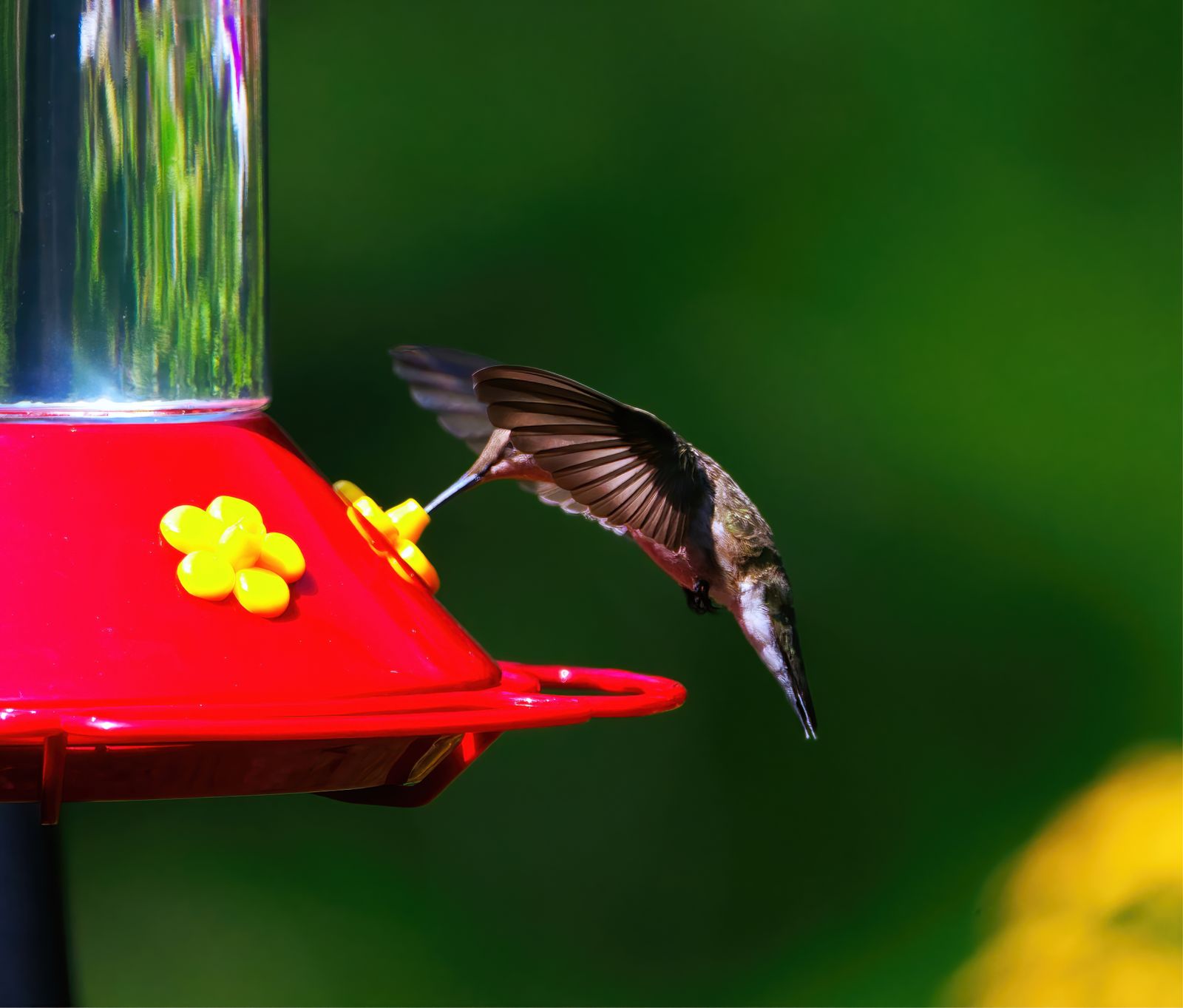
How to Restore a Rusted Metal Hummingbird Feeder Base Safely
To restore a rusted metal hummingbird feeder base safely, disassemble solar and glass components, scrub away rust with steel wool or vinegar, apply a zero-VOC exterior food-grade metal sealer or cured outdoor acrylic, and allow a full 7-day cure before contact with nectar.
Visual Restoration Process Flowchart
- 1. Isolate Component: Unscrew hand-blown glass reservoir and mask solar cap with painter's tape. → Yes: Proceed to Rust Assessment. No: Do not spray or sand until solar cells and glass are completely isolated..
- 2. Assess Rust: Is rust superficial (surface spot/edge peel) or structural (perforated through metal)? → Yes: Superficial: Proceed to Mechanical & Vinegar Scrub. No: Structural Pitting: Replace metal base or upgrade feeder..
- 3. Clean & Sand: Scrub with 0000 steel wool, soak in white vinegar 30 mins, rinse, and dry completely. → Yes: Proceed to Non-Toxic Coating. No: Re-scrub if orange oxide flakes remain..
- 4. Apply Coating: Spray 2 thin coats of Zero-VOC exterior sealer or acrylic, keeping ports clear. → Yes: Proceed to 7-Day Cure Window. No: Avoid heavy pooling near threads or ports..
- 5. 7-Day Cure & Scent Check: Allow full 168-hour off-gassing. Is base 100% odorless and rock-hard? → Yes: Safe to reassemble, fill with nectar, and hang outdoors!. No: Wait additional days until zero chemical smell remains..
Base Damage & Rust Troubleshooting Matrix
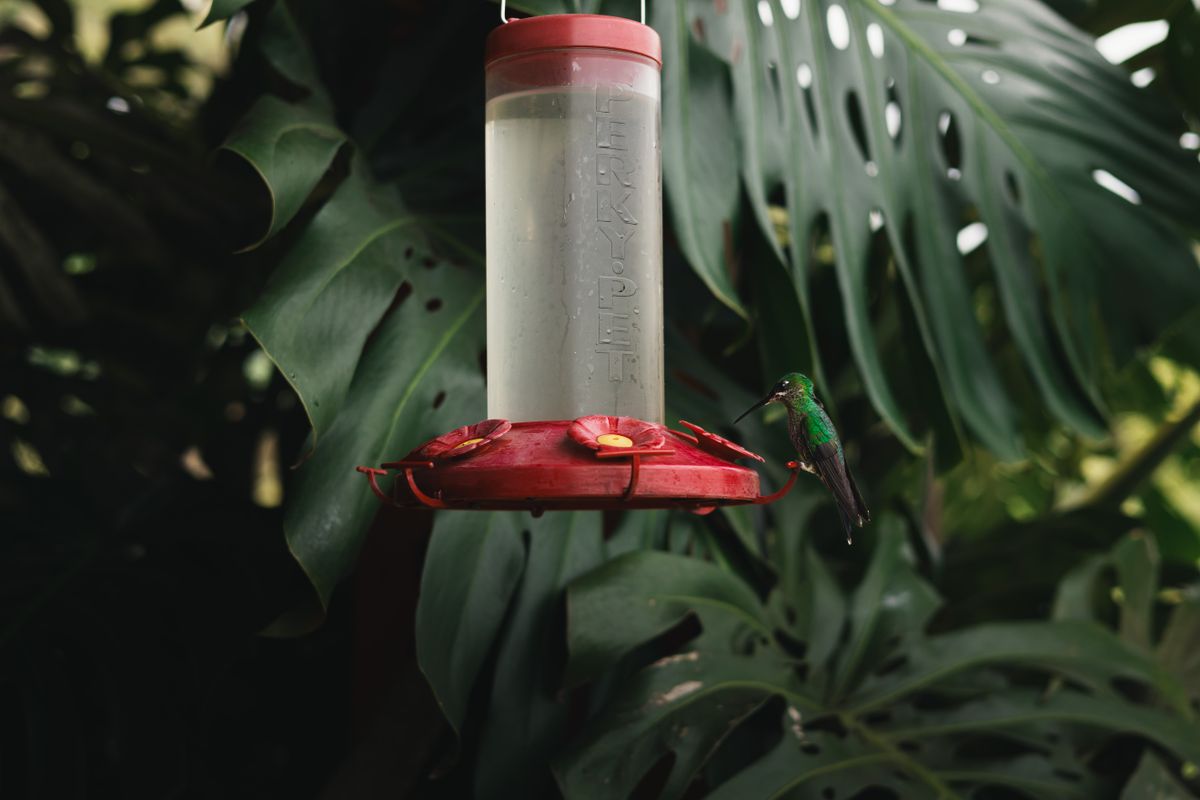
Photo by Dante Muñoz on Pexels
| Damage Scenario | Severity Level | Recommended Bird-Safe Fix | Coating / Treatment Type | Wildlife Safety Warning |
| --- | --- | --- | --- | --- |
| Surface Flash Rust (Light orange dusting on outer rim) | Minor / Cosmetic | Scrub with 0000 fine steel wool and distilled white vinegar soak for 20 minutes. Rinse and dry. | Food-grade mineral oil wipe (temporary) or Zero-VOC exterior clear acrylic spray | Ensure surface is completely dry before sealing; trapped moisture causes hidden corrosion beneath clear coats. |
| Flaking Base Rim Coating (Chipped powder coating exposing raw steel) | Moderate | Feather edges with 220-grit sandpaper until smooth, clean with isopropyl alcohol, and spot-seal. | Low-VOC Exterior Acrylic Enamel Paint (fully cured 7 days) | Never hang painted metal while wet to touch or off-gassing chemical scents; volatile organic compounds damage avian respiratory tracts. |
| Deep Pitting near Nectar Feeding Ports | High / Hazardous | Scrub deep pits with brass wire brush. If pitting creates rough jagged edges inside nectar ports, replacement is required. | Food-Grade 100% Silicone Sealant (for seam sealing) or Complete Base Replacement | Jagged rusted crevices host deadly Candida albicans yeast and bacterial colonies that infect hummingbird tongues. |
| Corroded Threads at Glass Reservoir Junction | Critical | Scrub threads lightly with toothbrush and baking soda paste. Do not use heavy abrasives that warp thread tolerance. | Thread Lubricant (Food-grade silicone spray applied via cotton swab, avoided near nectar path) | Leaking nectar onto exposed rusted threads accelerates metal degradation and attracts stinging wasps. |
Identify your metal base issue below to determine the precise bird-safe repair strategy, non-toxic coating selection, and safety precautions.
Pro Tip: Masking Solar Electronics and Hand-Blown Glass
When restoring an illuminated solar feeder, protecting delicate elements is paramount. Water-based paint overspray or harsh abrasive dust can permanently mar artisan hand-blown glass and cloud the plastic protective dome over solar charging cells.
Wrap the entire glass body in heavy-duty aluminum foil or thick plastic wrap, securing the seam at the neck with high-tack painter's tape. For the top solar housing, apply overlapping strips of blue painter's tape across the solar panel face and light sensor, using a razor blade to trim precisely around the metal perimeter. This ensures your feeder retains its automatic dusk-to-dawn RGB light output while the metal base gets a brand-new, rust-proof shield.
Bird-Safe Metal Restoration Supplies Checklist
- [ ] Fine steel wool (0000 grade) or brass wire brush for gentle rust removal
- [ ] White distilled vinegar (natural, chemical-free rust dissolver)
- [ ] Blue painter's tape and plastic wrap (to mask solar panel and glass threads)
- [ ] Zero-VOC exterior non-toxic paint or food-safe clear metal sealer
- [ ] Mild dish soap and warm water for deep cleaning prior to sanding
- [ ] Microfiber towels and hair dryer for 100% moisture elimination
- [ ] Nitrile gloves (prevents skin oils from transferring to prepared raw metal)
Decision Tree: Restore vs. Replace Your Metal Feeder Base
- Is rust present inside or directly touching the nectar reservoir/ports? → Yes: Has rust caused metal flaking or deep jagged pitting inside ports?. No: Is rust strictly on external decorative metal parts?
- Has rust caused metal flaking or deep jagged pitting inside ports? → Yes: REPLACE BASE / FEEDER: Crevices harbor dangerous mold/bacteria that cannot be fully disinfected.. No: RESTORE: Thoroughly scrub with vinegar/steel wool and seal with food-safe coating.
- Is rust strictly on external decorative metal parts? → Yes: Is the metal structurally sound without holes or thin spots?. No: Evaluate overall structural integrity.
- Is the metal structurally sound without holes or thin spots? → Yes: RESTORE: Sand, mask solar components, paint with zero-VOC exterior paint, and cure for 7 days.. No: REPLACE BASE: Thin perforated metal will collapse under the weight of a 32 oz glass reservoir.
Step-by-Step Guide: Restoring Your Feeder's Metal Base
Follow these six meticulous steps to eliminate rust, apply a durable protective finish, and preserve your feeder's solar and aesthetic charm.
Critical Mistakes That Endanger Hummingbirds
Avoid these dangerous restoration errors to protect fragile avian health and maintain your feeder's longevity.
Frequently Asked Questions About Metal Feeder Repair
Photo by Veronika Andrews on Pexels
Clear answers to common questions regarding rust safety, paint selection, and component protection.
Recommended Replacement Base & Feeder Solutions
If your current feeder base is pitted beyond repair or compromised structurally, upgrading to an artisan-crafted, rust-resistant feeder ensures years of magical garden visits.
Key Takeaways for Safe Feeder Base Restoration
Keep these primary rules in mind when tackling metal repair on your outdoor garden decor.
Immediate Actions After Metal Base Treatment
Your decision: Determine if your feeder base rust is superficial (restoration recommended) or structural/internal (replacement recommended).
Do this next: Disassemble the feeder, isolate the metal base, scrub with fine steel wool, mask solar panels, and apply a non-toxic sealer following the mandatory 7-day cure window.
- Read next: Hummingbird Feeder Gasket and O-Ring Maintenance: FAQs for a Drip-Free Garden
LUJII Hand-Blown Glass Solar Hummingbird Feeder with Anti-Rust Metal Base
Complete your maintenance routine and ensure leak-free operation before hanging your restored feeder back in the garden.