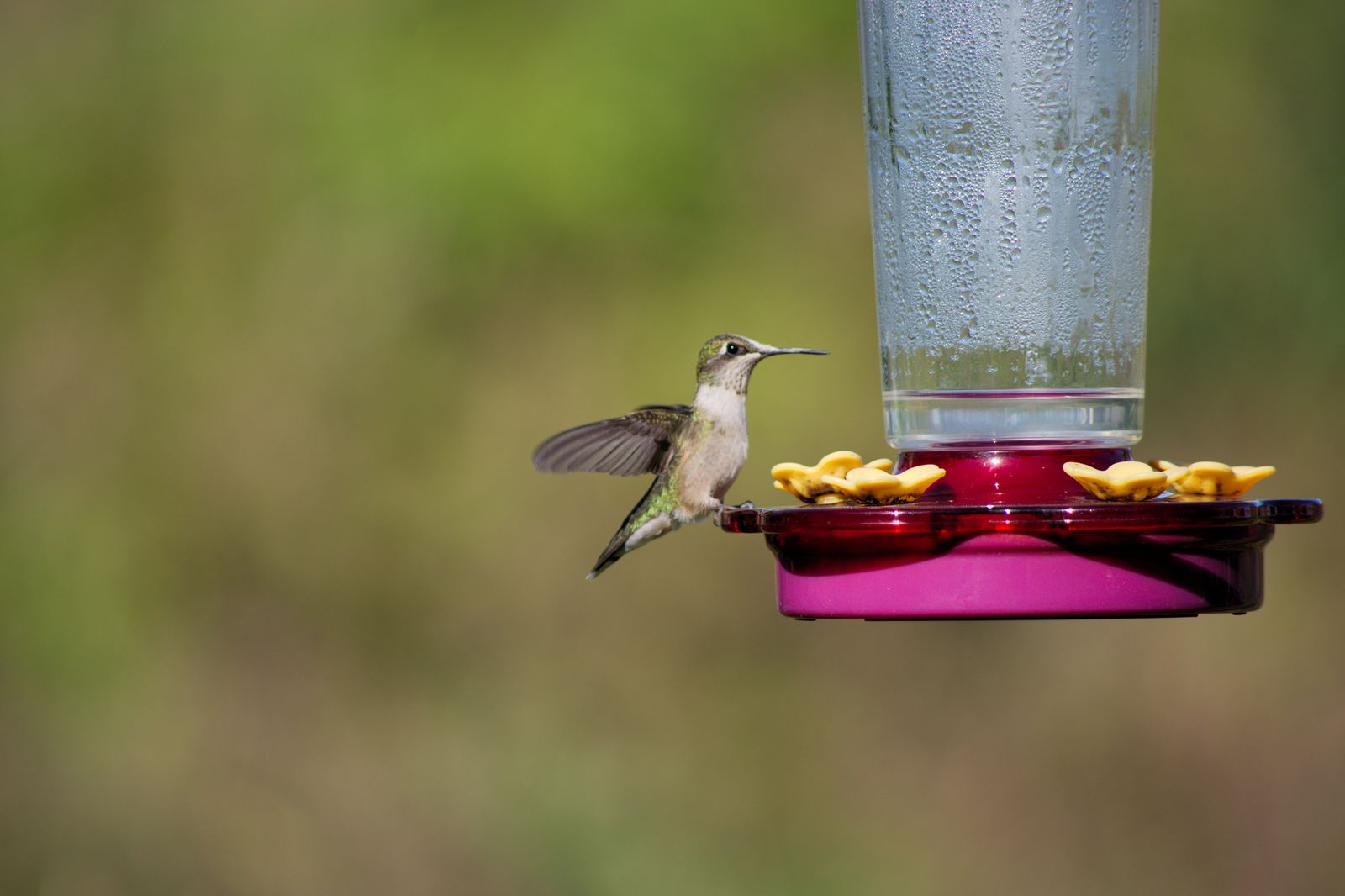
How to Keep Ants Off Hummingbird Feeder: Safe & Easy Solutions
To keep ants off your hummingbird feeder, install a water-filled ant moat above the feeder on its hanging wire to create an impassable physical barrier. Water prevents crawling ants from reaching the nectar without posing any risk to avian health. Never apply petroleum jelly, motor grease, or sticky tape to hanging hooks; these substances rub off onto tiny hummingbird wings, destroying feather waterproofing and rendering birds unable to fly or regulate body temperature.
Visual Ant Defense Flowchart: Diagnosing Your Infestation
- 1. Where are ants accessing your feeder? → Yes: Crawling down the hanging wire or chain -> Go to Question 2. No: Dropping from overhead foliage or climbing from the ground -> Go to Question 3.
- 2. Is there a water barrier installed above the hanging loop? → Yes: Ants are bridging the water moat -> Refill moat daily, clean debris, or upgrade to a wider 3-inch hanging water moat.. No: Install an external water-filled ant moat directly above the top hanging hook..
- 3. Is the feeder touching tree branches, porch railings, or garden walls? → Yes: Ants bypass hooks via leaves -> Prune all branches back to maintain at least 12 inches of open-air clearance around the feeder.. No: Ants are climbing up a ground pole -> Install a smooth pole baffle on the shepherd's hook and check for nectar leaks at base seals..
Ant Invasion Scenarios & Bird-Safe Fixes
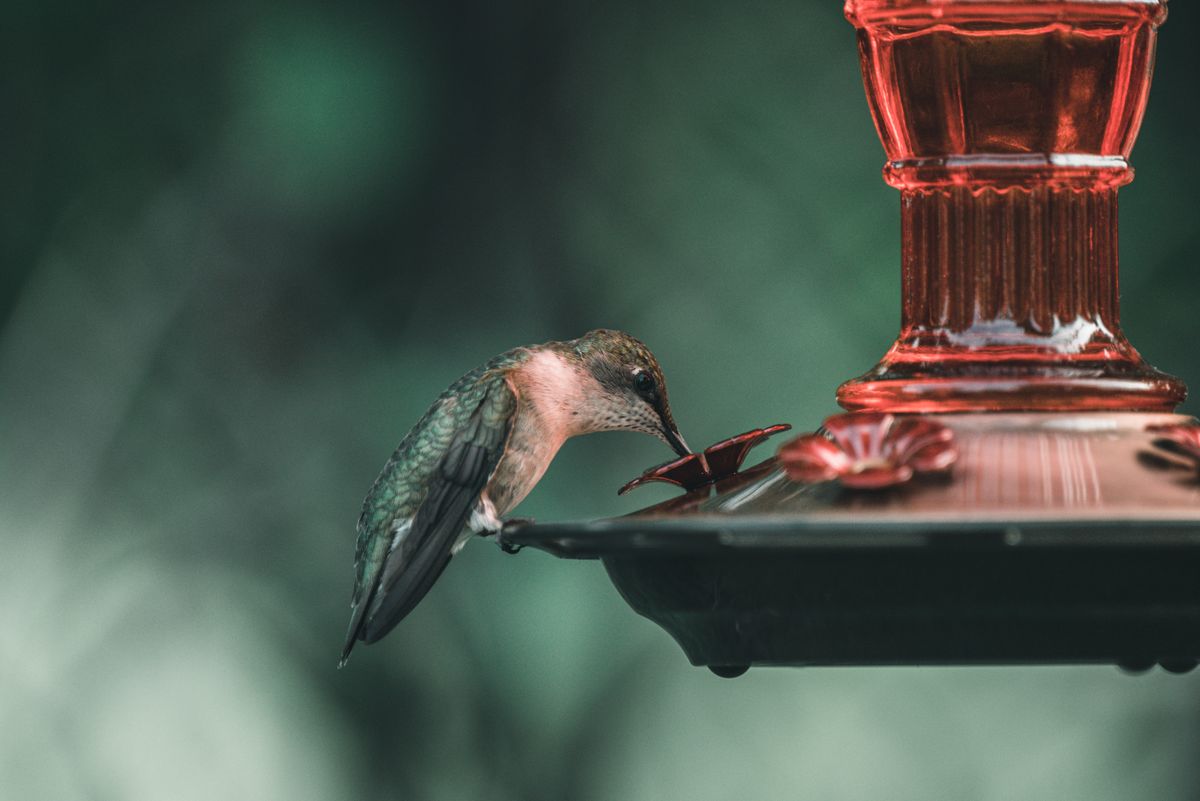
| Scenario | Root Cause | Immediate Bird-Safe Fix | Long-Term Prevention |
| --- | --- | --- | --- |
| Ants marching down overhead hanging wire or chain | Scout ants located the sweet scent and followed the solid metal wire down to the top cap. | Hang a 3-inch water-filled ant moat between the tree hook and feeder loop. | Top off moat water daily during hot summer weather to prevent total evaporation. |
| Ants swarming up a shepherd's hook ground pole | Ground colonies detected sugar runoff or traced the vertical pole upwards. | Install a wide, downward-facing slippery pole baffle 4 feet above ground level. | Sprinkle dry ground cinnamon around the pole base on the soil (never on the feeder). |
| Ants bridging onto glass reservoir from nearby leaves | Overhanging foliage creates a physical bridge that bypasses top wire barriers. | Prune back surrounding foliage to ensure at least 12 to 18 inches of open space. | Relocate shepherd's hook to a semi-shaded open garden bed away from tree canopies. |
| Ants drowning inside the sugar water reservoir | Thermal expansion or poor base seals caused sweet nectar to drip onto outer ports. | Dump nectar, sanitize feeder with hot water, and inspect silicone base gaskets. | Switch to a leak-proof hand-blown glass feeder with a sealed anti-rust metal base. |
Identify your exact feeder setup and ant entry point to apply an instant, non-toxic solution.
Top Recommended Fix: External Water-Filled Ant Moat
An external hanging water moat is the gold standard for bird safety. Constructed as a small cup positioned directly above your feeder's hanging loop, it creates a moat of plain tap water that crawling ants cannot swim across.
Because ants cannot navigate open water, they turn back without touching the nectar reservoir. Water moats require zero chemicals, zero sticky residues, and zero risk to fragile hummingbird feathers. For heavy, decorative glass feeders, select a solid metal or high-impact resin moat capable of supporting 32 ounces of liquid without bending.
Upgrade to a Leak-Proof Solar Glass Feeder
If your current feeder drips in afternoon heat, scout ants will continue searching for spills on the ground. The LUJII Hand-Blown Solar Hummingbird Feeder pairs old-world glass art with an engineered leak-proof metal base and sealed base gaskets. Its 32 fl.oz translucent reservoir keeps nectar locked inside while illuminating your garden at night with solar-powered RGB lights. Explore the LUJII Solar Hummingbird Feeder Collection.Pro Tip: Prevent Thermal Expansion Leaks with Strategic Shade
Direct, intense sunlight causes air inside glass feeder reservoirs to expand, pushing sweet nectar out through the feeding ports. These microscopic drips land on the ground or outer port perches, sending out a scent signal that invites scout ants from dozens of yards away.
Hang your feeder in a spot that receives morning sun and afternoon shade. This simple microclimate adjustment keeps nectar cool, prevents gas expansion leaks, slows down fermentation, and keeps water moats from evaporating quickly during midsummer heat waves.
Ant Barrier Decision Tree: Choosing the Right Protection
- Is your feeder hanging from a shepherd's hook or tree branch? → Yes: Go to Question 2. No: Wall-mounted or deck-mounted -> Install an inline hanging water moat between the mount arm and feeder hook.
- Is your feeder made of heavy hand-blown glass (over 2 lbs filled)? → Yes: Choose a heavy-duty steel or brass external water moat with reinforced S-hooks rated for 5+ lbs.. No: Lightweight plastic feeder -> An integrated built-in top moat cup or standard resin hanging moat is sufficient.
- Do summer temperatures in your region exceed 90°F regularly? → Yes: Use a deep-reservoir 4 oz water moat to prevent rapid daily evaporation.. No: Standard 2 oz to 3 oz water moats will keep ants blocked with weekly top-offs.
Essential Ant Control Rules for Hummingbird Feeders
- Water is Your Best Friend: A simple water barrier stops 100% of crawling ant species without chemical exposure.
- Say NO to Petroleum Jelly: Never use Vaseline, motor grease, or oil on hooks. Grease destroys hummingbird feather alignment, preventing flight and preening.
- Fix the Drips: Keep feeder base gaskets tight and maintain a clean 4:1 water-to-sugar nectar ratio (never use store-bought red dye).
- Maintain Clearance: Ensure branches and leaves stay at least 12 inches away from the feeder glass so ants cannot jump or bridge across.
- Clean Infested Feeders Immediately: Dead ants release oleic acid, which contaminates sugar water and deters hummingbirds from visiting.
5-Step Ant Infestation Reset Protocol
Follow this exact sequence to purge ants from your feeding station and secure it against future scout ants.
Hazardous Ant Hacks to Avoid At All Costs
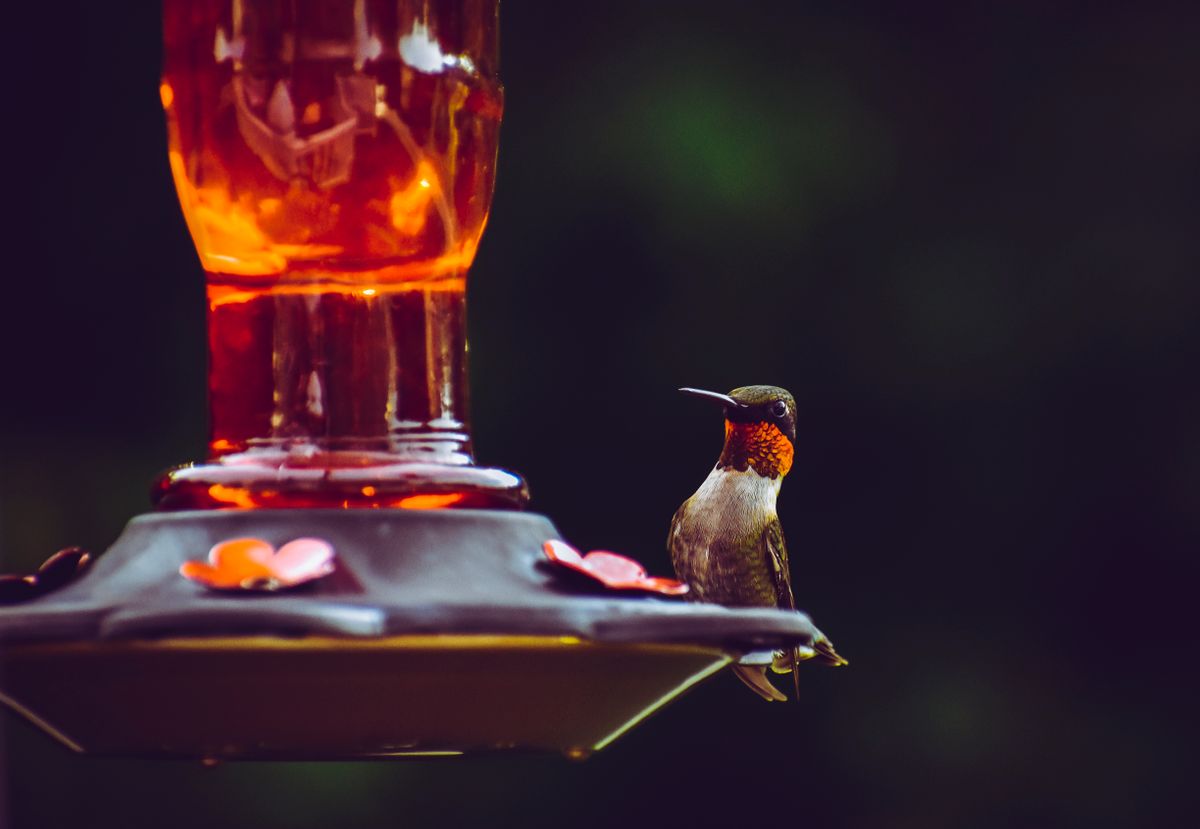
Social media and viral garden blogs frequently promote quick DIY hacks that are deadly to hummingbirds. Here is why you must avoid these dangerous internet trends:
1. Petroleum Jelly (Vaseline) or Motor Grease on Poles
Applying grease or petroleum jelly to hanging wires or shepherd's hooks is one of the most common—and destructive—mistakes birders make. When a hummingbird hovers near the hook or lands on the wire, its wing and tail feathers brush against the sticky grease. Grease breaks down the natural barbules of avian feathers, destroying their waterproofing and flight mechanics. Birds cannot preen grease off their feathers; ingesting it during preening causes internal poisoning, and matted feathers lead to fatal hypothermia.2. Double-Sided Tape & Fly Paper
Wrapping sticky adhesives around hanging poles creates an active physical trap for tiny birds. Hummingbirds possess delicate, hollow bones and paper-thin skin. If a hovering hummingbird's wing touches sticky tape, it can rip out flight feathers or trap the bird entirely.3. Essential Oils & Peppermint Sprays
Applying peppermint oil or essential oils directly to feeder ports or caps irritates hummingbirds' sensitive respiratory tracts and contact points. Essential oils burn avian skin upon contact and alter the scent and taste profile of the sugar water, causing birds to abandon the feeder.4. Insecticides & Chemical Bug Sprays
Spraying household ant killer, perimeter sprays, or raid near your hummingbird feeder introduces neurotoxins into the feeding zone. Hummingbirds have extremely rapid heart rates and miniature organs; even microscopic chemical droplets drift into nectar ports and prove fatal.Further Guides for Backyard Birding Success
To build a thriving, vibrant backyard bird sanctuary, explore these core guides on feeder maintenance, garden lighting, and hummingbird behavior:
- How to Clean and Maintain Your Hand-Blown Solar Hummingbird Feeder
- How to Hang Your Solar Hummingbird Feeder to Block Ants and Crawling Insects
- Hand-Blown Glass vs. Plastic Hummingbird Feeders: The Complete Guide
- Creating Magical Nighttime Garden Decor with Solar RGB Lighting
Frequently Asked Questions About Ants & Hummingbird Feeders
Expert answers to common questions about ant management and bird safety.
Handcrafted Solar Feeders with Built-In Ant Protection
Enhance your outdoor sanctuary with feeder designs that combine artistic beauty, leak-proof engineering, and effortless ant prevention.
Action Plan: Reclaiming Your Feeder Today
Your decision: Determine whether ants are climbing up your ground pole or descending down an overhead branch.
Do this next: Discard ant-contaminated nectar, wash your feeder with hot water, and install an external water-filled ant moat above the top hanging loop.
- Read next: How to Clean and Maintain Your Hand-Blown Solar Hummingbird Feeder
- Read next: How to Hang Your Solar Hummingbird Feeder to Block Ants and Crawling Insects
LUJII Hand-Blown Solar Hummingbird Feeder with Sealed Leak-Proof Base
Follow these steps to eliminate ants, protect your hummingbirds, and upgrade your garden setup.
Cover photo by Sean Ewing on Pexels.