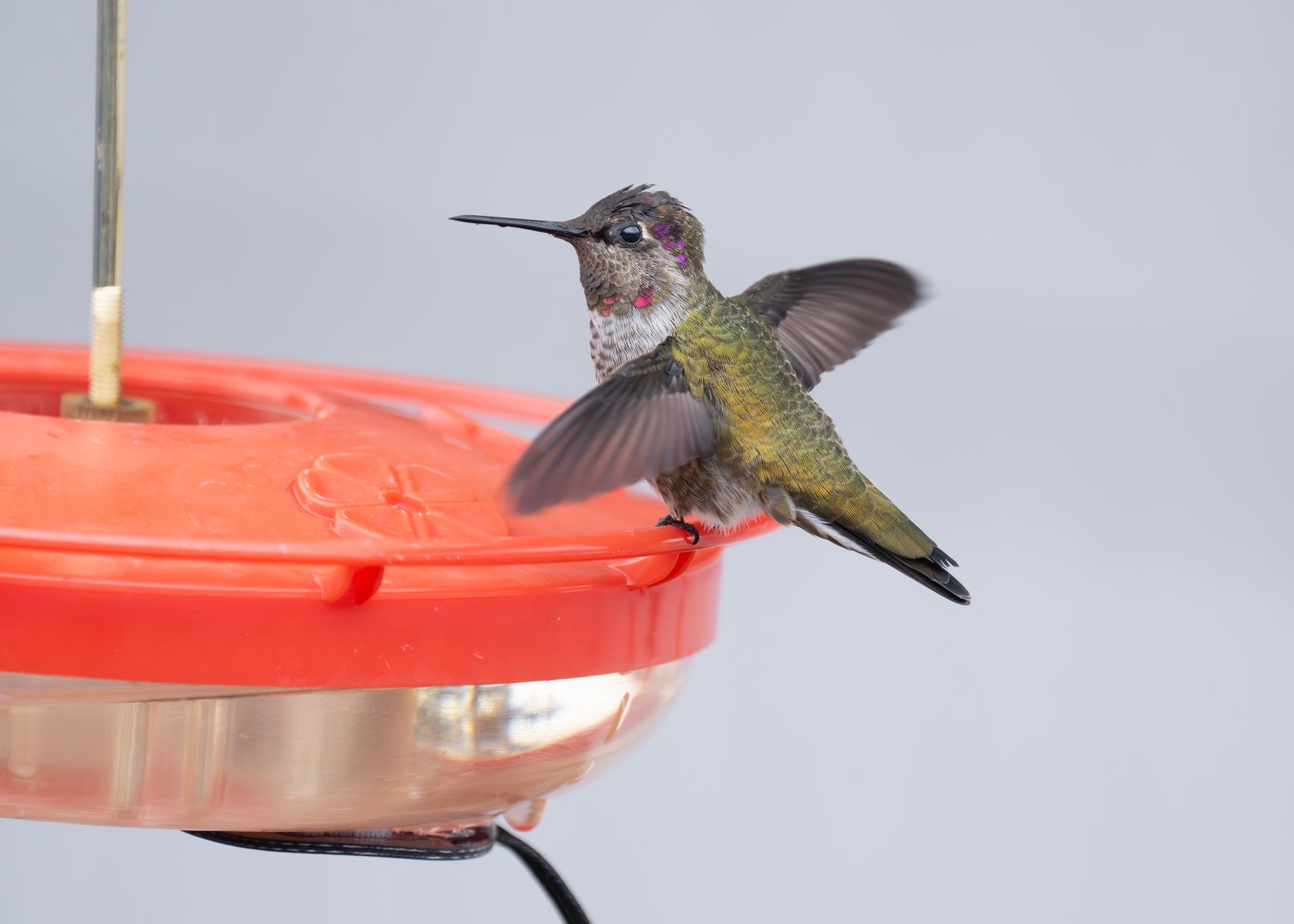
How to Keep Ants and Wasps Off Your Solar Hummingbird Feeder Safely
To keep ants and wasps off your solar hummingbird feeder, attach a water-filled ant moat above the solar cap, shift placement to partial shade to stop pressure-induced drips, and maintain a strict 4:1 water-to-refined-white-sugar ratio. Never apply petroleum jelly, oils, or insecticidal sprays, as they degrade solar plastic housings and cause fatal feather mats on hummingbirds.
Anatomy of a Pest-Proof Solar Glass Feeder Setup
- Step 1: Hanging Hook or Shepherd Pole → Yes: Proceed to Step 2. No: Install strong outdoor shepherd hook away from jumping surfaces.
- Step 2: Top Water Ant Moat → Yes: Proceed to Step 3. No: Hang 3-inch water moat above solar housing to block crawling insects.
- Step 3: Solar Housing Cap & RGB Sensor Clearance → Yes: Proceed to Step 4. No: Ensure moat hangs suspended above solar panel without casting full daytime shadow.
- Step 4: Hand-Blown Glass Reservoir & Sealed Base → Yes: Pest-Proof Setup Complete. No: Tighten leak-proof gasket and place feeder in afternoon shade.
Feeder Pest Diagnostic Matrix
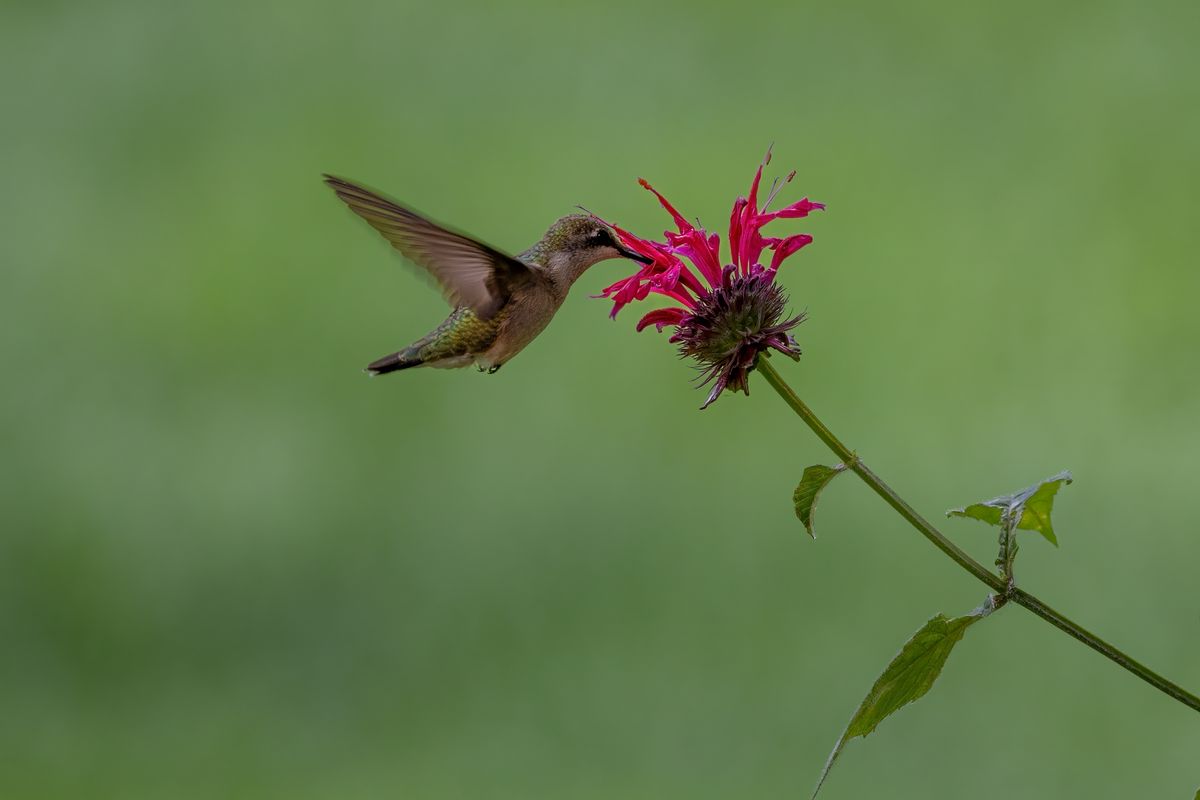
Photo by Mohan Nannapaneni on Pexels
| Symptom / Scenario | Root Cause | Safe Immediate Solution | Solar Cap & Glass Precaution |
| --- | --- | --- | --- |
| Ants forming a steady line down hanging wire and drowning in nectar | Crawling insects attracted to sweet scent via structural bridges | Install a top-mounted water ant moat above the hanging loop | Do not fill moat with oil; use clean water to protect solar cap plastic |
| Wasps and yellowjackets swarming flower ports during afternoon heat | Thermal expansion pushing nectar out of ports, creating sticky drips | Move feeder to partial shade and wipe base with clean damp cloth | Shade preserves battery life and reduces liquid expansion inside glass reservoir |
| Sticky residue accumulating on outer glass art and metal base | Overfilled 32 fl.oz reservoir spilling when tilted by heavy birds or wind | Fill reservoir to 80% capacity to leave air expansion gap at top | Rinse hand-blown glass with warm water only; avoid harsh chemical soaps |
| Night moths hovering around feeder after dark | Automatic RGB solar LED lights illuminating surrounding foliage | Harmless nocturnal activity; no action needed as wasps remain dormant at night | Ensure solar panel receives 6-8 hours of direct daytime light for full nighttime display |
Identify your specific pest scenario below to apply the correct non-toxic fix while keeping your feeder's solar components and handcrafted glass safe.
Wildlife Rehabilitation Warning: Why Oil and Gel Hacks Harm Birds
Popular internet hacks often recommend smearing petroleum jelly (Vaseline), motor oil, or Vicks VapoRub on shepherd hooks to stop ants. Please never do this.
When a hummingbird hovers near a greased pole, its delicate wing feathers touch the oil. Hummingbirds cannot preen heavy hydrocarbons out of their feathers. The grease destroys their feather barbules, rendering them unable to fly, regulate body temperature, or escape predators. Additionally, thermal heat melts these greases, causing them to drip down onto the solar cap, clouding the light sensor and degrading the plastic housing seal. Stick strictly to water-filled physical moats.
Ant vs. Wasp Troubleshooting Decision Tree
- Are the pests crawling (ants) or flying (wasps, yellowjackets, bees)? → Yes: Crawling Pests (Ants). No: Flying Pests (Wasps/Bees)
- For Crawling Pests: Is there an ant moat installed above the solar cap? → Yes: Check moat water level and clear floating debris daily. No: Add a 3-inch top-hanging water moat directly between hanging hook and solar loop
- For Flying Pests: Is the feeder dripping or exposed to direct afternoon sun? → Yes: Relocate feeder to afternoon shade to stop heat expansion drips. No: Set up a decoy sugar trap 15+ feet away and verify 4:1 white sugar ratio
Immediate Action Plan for Feeder Setup
Your decision: Identify whether your primary threat is crawling ants or flying wasps.
Do this next: Install a top-mounted water moat for ants, and move your feeder to partial shade to reduce internal pressure leaks that attract wasps.
- Read next: How to Hang Your Solar Hummingbird Feeder to Block Ants and Crawling Insects
- Read next: How to Clean and Maintain Your Hand-Blown Solar Hummingbird Feeder
🌟 LUJII Hand-Blown Glass Solar Hummingbird Feeder with Leak-Proof Metal Base
Follow these recommended steps to secure your garden feeder setup immediately.
Essential Rules for Pest-Proofing Solar Feeders
- Use Water Moats Only: Hang a dedicated water ant moat above the solar cap. Never fill moats with oil or soap.
- Protect Solar Electronics: Keep sticky juices and cleaning solutions away from the top solar panel and RGB light housing.
- Beat Thermal Expansion: Hand-blown glass expands air pockets under direct sun, forcing nectar out of feeding ports. Hang feeders in afternoon shade.
- Stick to the 4:1 Ratio: Mix 4 parts water to 1 part refined white cane sugar. Extra sugar ferments rapidly and lures yellowjackets.
- Zero Essential Oils: Essential oils burn avian eyes and respiratory systems. Rely on physical barriers and strategic relocation.
Choosing the Right Pest Barrier for Your Garden Setup
To eliminate feeder pests without toxic chemicals or feather damage, physical water moats work best for ants, while shade relocation and leak-proof bases solve wasp issues.
Best choice for
- Top-Mounted Water Ant Moat — Creates an impassable water barrier above the solar cap without introducing oils or toxic substances.
- Feeder Relocation & Nectar Ratio Adjustment — Moving feeder to shade reduces solar heat build-up that causes pressure drips while lowering wasp visibility.
- Avoid petroleum jelly, oils, or sticky gels applied directly to hangers or solar tops, as they transfer to bird wings and melt onto solar cap electronics.
- Decoy Wasp Trap 15+ feet away — Lures yellowjackets and wasps away from the main hummingbird feeding zone using a higher-concentration sugar decoy.
Recommended Pest-Proofing & Feeder Gear
To maintain a vibrant, pest-free garden sanctuary, equip your backyard with handcrafted, leak-resistant feeding fixtures built to withstand outdoor elements.
🌟 LUJII Solar-Powered Hand-Blown Glass Hummingbird Feeder 🌟
- Hand-Blown Glass Art: Each 32 fl.oz reservoir is handcrafted by master artisans at 2,300°F, creating translucent color patterns that make monitoring nectar levels effortless.
- Leak-Proof Metal Base: Features a slender, sealed anti-rust metal base with a precision gasket that minimizes drips and prevents flying insects from feeding on leaks.
- Solar Powered RGB Lighting: Automatically illuminates for up to 8 hours at night after a full solar charge, adding a magical glow to your garden without attracting diurnal wasps.
- Weatherproof Protective Cap: The heavy-duty plastic solar cap shields the nectar from direct sunlight, rain, and snow, keeping food fresh longer.
Pest Defense Methods Compared for Safety & Solar Integrity
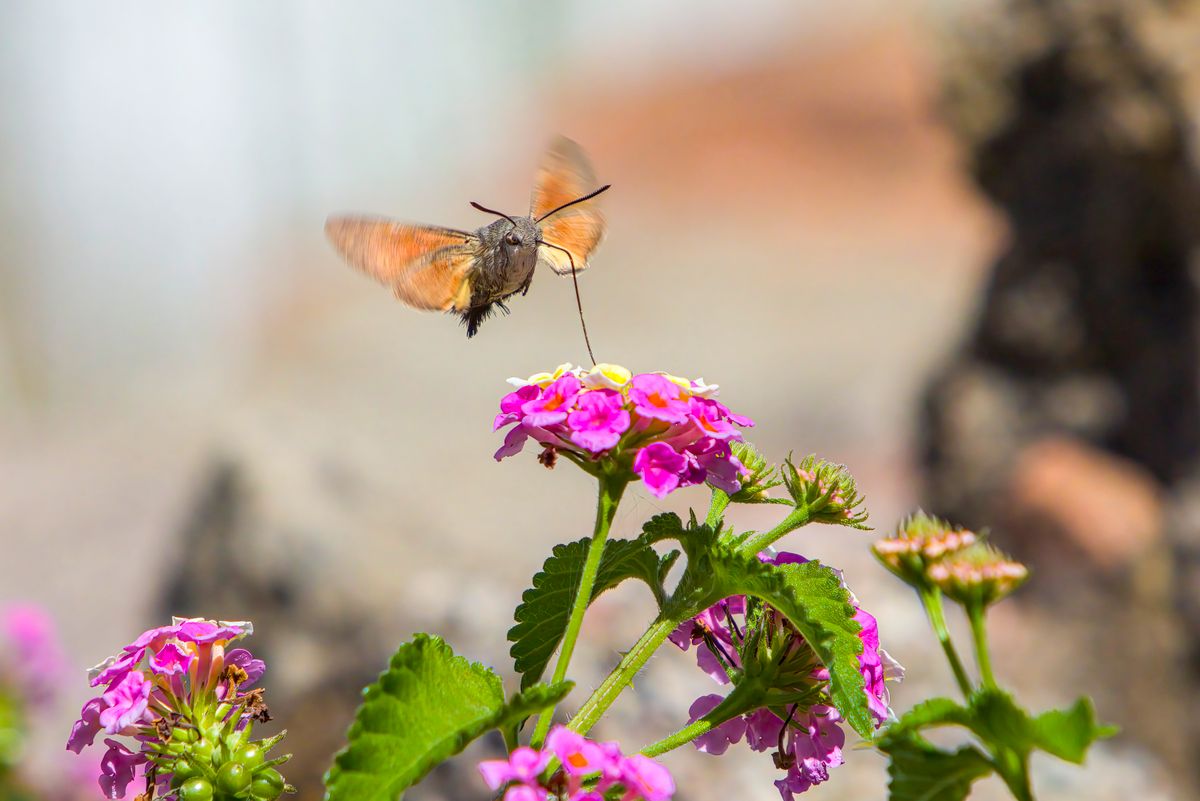
Photo by Erik Karits on Pexels
| Method | Target Pest | Bird Safety Rating | Solar Cap Safe? | Maintenance Level |
| --- | --- | --- | --- | --- |
| Water Ant Moat | Crawling Ants | 10/10 (100% Safe) | Yes (Protects Cap) | Low (Top off water weekly) |
| Partial Shade Relocation | Wasps & Bees | 10/10 (100% Safe) | Yes (Extends Battery Life) | None (One-time move) |
| Decoy Sugar Trap (15ft away) | Yellowjackets | 10/10 (100% Safe) | Yes | Medium (Refill decoy bait) |
| Petroleum Jelly / Grease | Crawling Ants | 1/10 (FATAL RISK) | No (Melts onto solar panel) | High (Creates sticky mess) |
| Essential Oil Sprays | Wasps | 2/10 (Causes Tissue Burns) | No (Degrades plastic seals) | High (Reapply daily) |
Compare popular pest control methods to evaluate their safety for hummingbirds and compatibility with solar-powered feeders.
Step-by-Step Guide to Pest-Proofing Your Solar Feeder
Dangerous Hacks & Common Mistakes to Avoid
- Applying Vaseline or Oil to Shepherd Hooks: Greasy substances coat hummingbird feathers during hover feeding, causing flight failure and hypothermia.
- Spraying Mint or Cinnamon Essential Oils: Essential oils contain volatile aromatic compounds that irritate avian respiratory tracts and eye membranes.
- Using Insecticidal Sprays Near Feeding Stations: Chemical sprays contaminate nectar ports and are toxic to hummingbirds even in tiny doses.
- Adding Extra Sugar or Honey: Concentrated sugar solutions ferment rapidly in heat, attracting yellowjackets and fostering dangerous fungal growth (Candida albicans) in bird tongues.
- Filling Moats with Vegetable Oil or Soap: Wind gusts can splash moat contents onto the feeder's solar charging cap, breaking plastic seals and clouding the light sensor.
Recommended Guides & Further Reading
Explore additional guides on maintaining handcrafted glass hummingbird feeders and outdoor garden illumination:
- How to Hang Your Solar Hummingbird Feeder to Block Ants and Crawling Insects
- How to Clean and Maintain Your Hand-Blown Solar Hummingbird Feeder
- Hummingbird Feeder Gasket and O-Ring Maintenance Guide
Frequently Asked Questions About Solar Feeder Pests
Get answers to common questions about managing insects around solar-powered artisan feeders.
Next Steps for a Pest-Free Garden
Your decision: Choose bird-safe physical barriers and leak-free artisan solar feeders to keep pests away.
Do this next: Equip your yard with a top water ant moat and position your handcrafted solar glass feeder in afternoon shade.
- Read next: How to Hang Your Solar Hummingbird Feeder to Block Ants and Crawling Insects
🌟 LUJII Hand-Blown Glass Solar Hummingbird Feeder with Leak-Proof Metal Base
Ready to transform your garden into a safe, glowing haven for hummingbirds?
Cover photo by Frank Cone on Pexels.