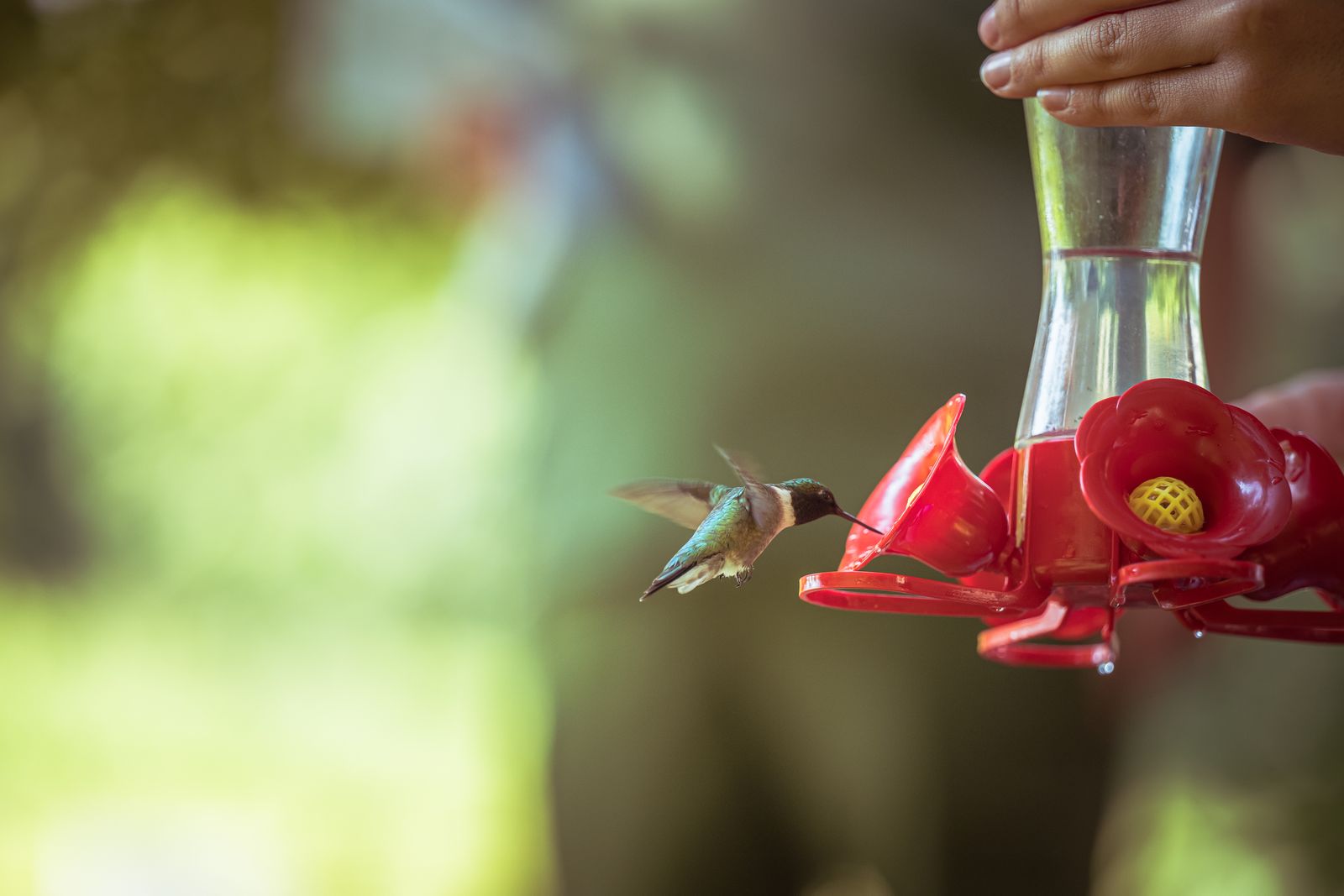
Hummingbird Feeder Pest Control FAQ: Safe Solutions for Ants, Bees, and Night Visitors
To safely control hummingbird feeder pests, install a water-filled ant moat above the feeder, use nectar guard tips for bees, maintain a strict 4:1 water-to-sugar nectar ratio, and avoid petroleum jelly or chemical sprays that harm feathers or degrade hand-blown glass solar components.
Visual Pest Identification & Action Flowchart
- Where are you observing the primary pest activity on your feeder? → Yes: If pests are crawling down the S-hook or hanging wire -> Go to Crawling Pest Path.. No: If pests are hovering around ports or flying nearby -> Check time of activity..
- Is the flying activity occurring during daylight hours or after dusk? → Yes: Daylight hours (Bees, Wasps, Yellow Jackets) -> Go to Flying Daytime Path.. No: After dusk (Moths, Beetles, Mosquitoes around Solar RGB Glow) -> Go to Nocturnal Light Path..
- Crawling Pest Path Solution: → Yes: Install an external water moat above the solar cap. Inspect the 32 oz glass base seal to confirm zero nectar leaks.. No: Never apply grease, petroleum jelly, or essential oils to hanging hardware..
- Flying Daytime Path Solution: → Yes: Confirm nectar recipe is strictly 4:1 (water to white sugar). Install flexible silicone nectar guards and shift feeder into afternoon shade.. No: Set up a decoy 3:1 sugar dish 20 feet away to lure aggressive yellow jackets..
- Nocturnal Light Path Solution: → Yes: Position feeder 8–10 feet away from dense porch light clusters. Enjoy the ambient RGB LED glow without worry—hummingbirds sleep soundly in nearby trees in torpor.. No: Wipe solar top cap regularly with a damp microfiber cloth to keep sensors functioning cleanly..
Comprehensive Pest Troubleshooting Matrix
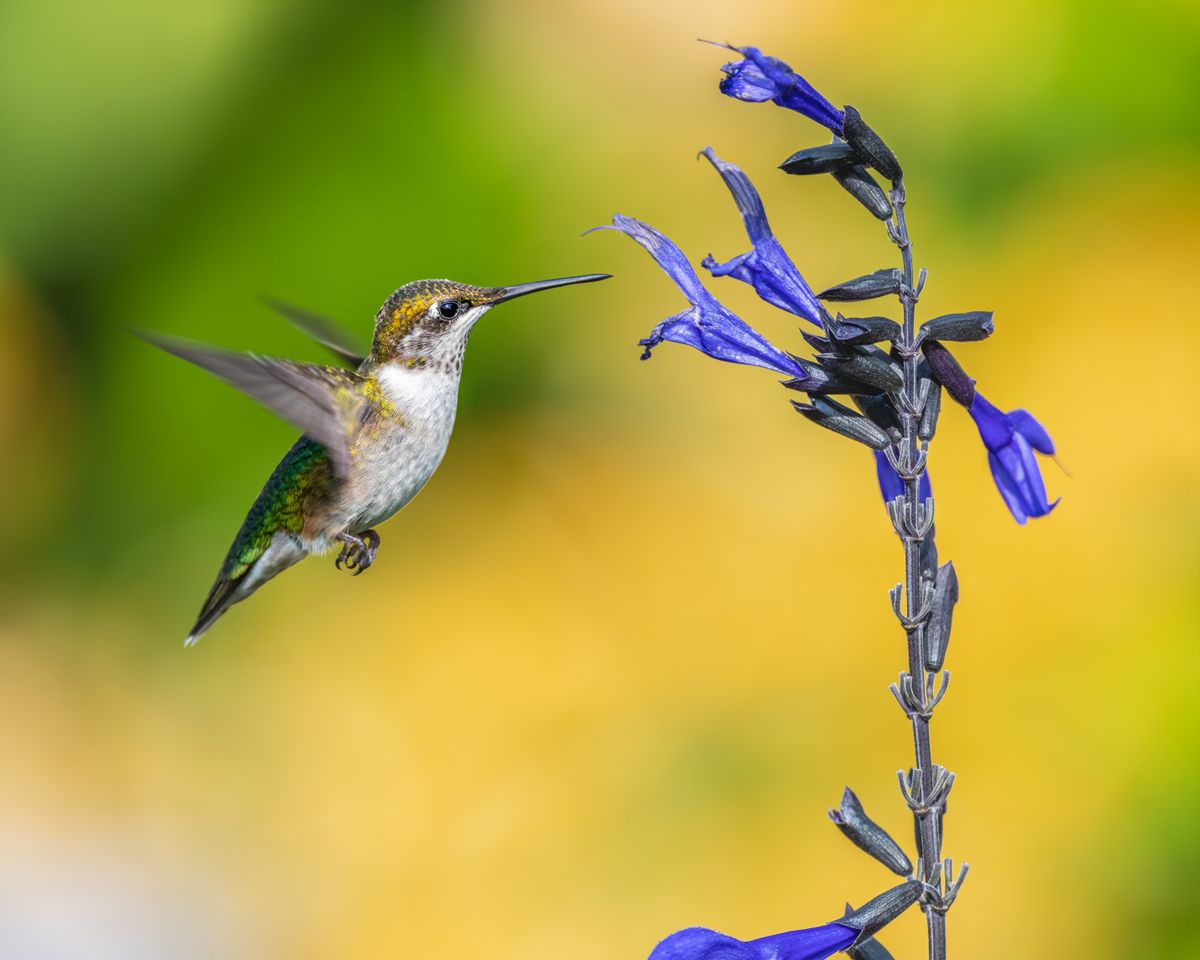
Photo by Skyler Ewing on Pexels
| Scenario / Symptom | Root Cause | Bird-Safe Action | Solar & Glass Precaution |
| --- | --- | --- | --- |
| Ants marching down S-hook and clogging feeding ports | Nectar drips on base or dry land bridge along hanging wire | Hang a plain water ant moat above the solar cap; wipe exterior glass clean with warm water | Ensure moat hangs high enough so water cannot splash onto the solar panel during heavy winds |
| Yellow jackets and honeybees swarming feeding ports and chasing away birds | Nectar concentration too sweet (e.g., 3:1) or sugary residue spilled on outer ports | Reset nectar ratio strictly to 4:1 water-to-sugar; install flexible rubber nectar guards | Avoid citrus oils or vinegar sprays near ports; high acidity can etch hand-blown glass glazes |
| Night moths and beetles swarming the solar LED lights at dusk | Bright RGB ambient glow attracting phototactic nocturnal insects | Elevate feeder 5+ feet high and 10 feet away from bright porch floodlights | Do not spray bug spray near solar cap; aerosol propellants cloud plastic solar covers |
| Nectar turning cloudy with dark specks within 24–48 hours | Fermentation accelerated by direct midday sun and insect debris | Relocate feeder to partial afternoon shade; flush glass reservoir every 2-3 days | Hand-blown glass withstands thermal shifts, but hand-wash with mild soap instead of harsh dishwashers |
Match your specific feeder scenario with bird-safe interventions that protect handcrafted glass reservoirs and delicate solar housing.
Pro Tip: Protecting Hand-Blown Glass & Solar Caps from Chemical Damage
It is tempting to try popular internet hacks like slathering petroleum jelly on hanging hooks or spraying essential peppermint oil around feeding ports. Please refrain! Sticky lubricants transfer onto a hummingbird's tiny flight feathers when they hover, leaving them unable to fly or preen effectively. Furthermore, synthetic oils and solvent-based bug sprays degrade anti-rust coatings on metal bases and permanently cloud plastic solar cap covers. A simple, physical water barrier—like a hanging water ant moat—is 100% bird-safe and protects your hand-crafted glass artwork effortlessly.
Decision Tree: Selecting the Right Pest Deterrent Method
- Is your primary issue ants or flying insects? → Yes: Ants -> Proceed to Moat Evaluation.. No: Flying Insects -> Proceed to Nectar & Shade Assessment.
- Moat Evaluation: Does your feeder have a slender silhouette and sealed metal base? → Yes: Yes -> A standard top-hanging water moat completely isolates the feeder from crawling ant columns.. No: No -> Ensure base seals tightly to eliminate nectar drips before adding a moat.
- Nectar & Shade Assessment: Are yellow jackets aggressive during hot afternoon hours? → Yes: Yes -> Move feeder into dappled tree shade, verify 4:1 sugar ratio, and add a decoy feeder 20 feet away.. No: No -> Install soft silicone port guards to keep small bees from accessing internal nectar.
Immediate Action Checkpoint for Your Nectar Station
Your decision: Identify your primary pest threat and implement physical water barriers rather than chemical sprays.
Do this next: Install a top-hanging water ant moat, verify your nectar recipe is strictly 1 part white sugar to 4 parts water, and wipe down the glass reservoir with warm soapy water.
- Read next: Twilight Nectar Care FAQ: Does Nighttime Solar Light Affect Nectar Freshness?
- Read next: How to Hang Your Solar Hummingbird Feeder to Block Ants and Crawling Insects
Consider upgrading to the LUJII Hand-Blown Glass Solar Hummingbird Feeder featuring a leak-proof metal base and anti-rust finish that naturally eliminates nectar drips.
Take these three immediate steps today to restore peace and safety to your hummingbird sanctuary.
Core Principles of Safe Feeder Pest Management
- Physical barriers over chemical repellents: Water moats stop crawling ants without exposing birds to toxic substances.
- Strict 4:1 sugar ratio: Higher sugar concentrations (3:1 or 2:1) attract aggressive yellow jackets and wasps while risking bird dehydration.
- Zero grease on hardware: Petroleum jelly and cooking oils coat bird feathers, causing fatal flight disruption.
- Protect artisan components: Clean hand-blown glass (crafted at 2,300°F) with warm water and soft cloths to preserve translucent beauty and anti-rust metal finishes.
- Solar night harmony: Decorative RGB LED lighting shines for up to 8 hours without disturbing sleeping hummingbirds resting in torpor.
Choosing Your Deterrent Strategy: Moats vs. Guards vs. Relocation
Effective hummingbird feeder pest control relies on physical barriers (water moats), precise nectar recipes (4:1 ratio), and strategic placement rather than chemical repellents.
Best choice for
- Built-in or External Water Moat — Water creates an impassable barrier for crawling insects without sticky residues that endanger bird feathers.
- Nectar Guards & Strict 4:1 Ratio — Prevents insect mouthparts from reaching nectar while keeping outer port surfaces dry.
- RGB Mode Adjustments & Elevated Hanging — Reduces direct attraction of night moths to feeding ports without dulling garden light.
- Using petroleum jelly, vegetable oils, or sticky traps on hanging wires (transfers to wings and causes fatal feather damage).
- Applying insecticides or synthetic insect sprays near feeder ports or solar panels.
- Increasing sugar concentration above 4:1 (attracts bees and dehydrates birds).
- Decoy Sugar Trap Feeder — Place a plain, higher-concentration (3:1) feeder 20 feet away to lure wasps away from your primary glass solar feeder.
Pest-Resistant Feeder Features to Look For
When selecting a new feeder, choose designs that naturally mitigate leaks and structural pest access while lighting up your evening yard.
Deterrent Methods Comparison: Effectiveness & Solar Glass Safety
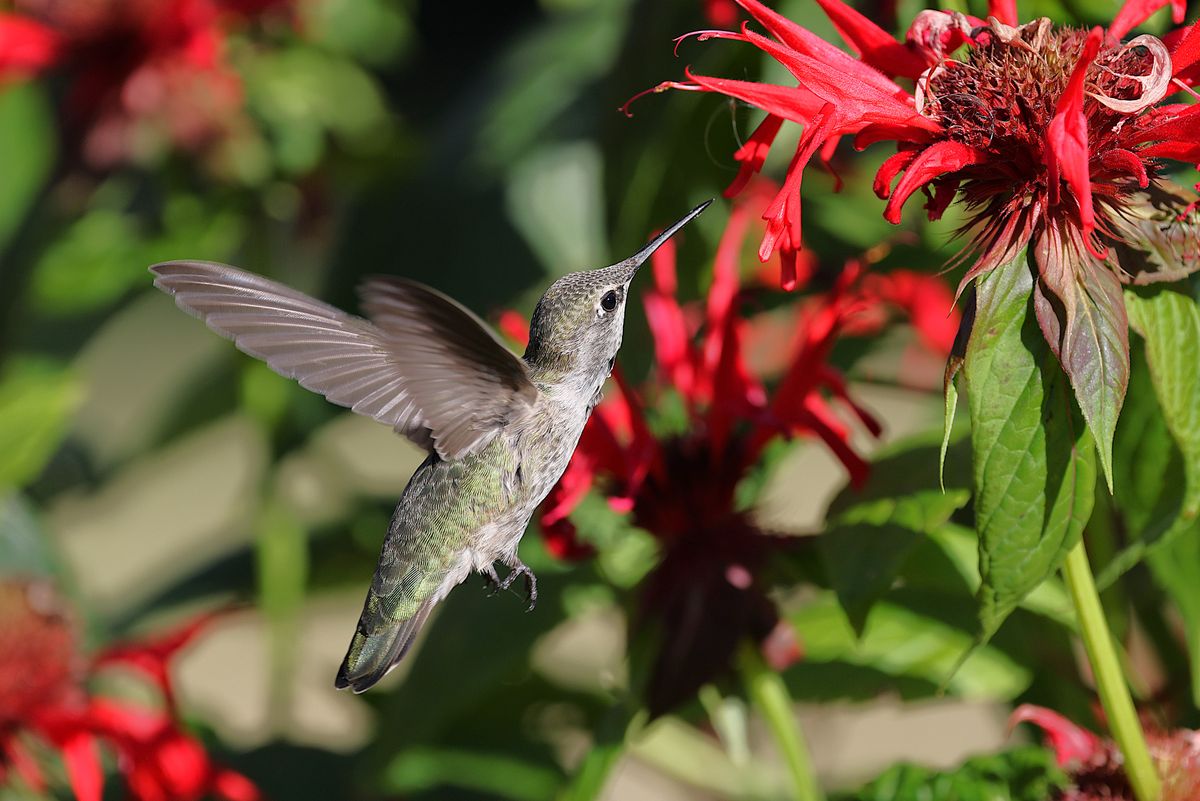
Photo by Veronika Andrews on Pexels
| Pest Scenario | Primary Solution | Bird Safety Rating | Solar & Glass Precaution |
| --- | --- | --- | --- |
| Ants on Hanging Hardware | Water-Filled Ant Moat | High (10/10) | Safe for all glass and metal finishes; keep water level below solar panel lip |
| Wasps & Yellow Jackets | Silicone Port Guards & 4:1 Nectar | High (10/10) | Maintains dry port exterior; preserves anti-rust metal base coating |
| Grease / Sticky Barriers on Wires | Petroleum Jelly or Oils | Dangerous (0/10) | DO NOT USE: Coats feathers, destroys bird flight, stains hand-blown glass finish |
| Insect Sprays / Aerosols | Chemical Pesticides | Hazardous (0/10) | DO NOT USE: Toxic to birds; clouds plastic solar cap and damages glass glaze |
Compare common pest management methods across bird safety, solar cap compatibility, and structural longevity.
Step-by-Step Guide to De-Bugging Your Solar Nectar Station
Follow this thorough 5-step maintenance routine to clean sticky residue, set physical barriers, and keep your solar feeder performing beautifully.
Dangerous Pest Solutions to Avoid at All Costs
Beware of internet DIY advice that inadvertently harms wild birds or destroys decorative outdoor glass fixtures:
Frequently Asked Questions: Hummingbird Feeder Pest Control
Will night lights on my solar feeder keep hummingbirds awake or stress them out?
No, hummingbirds enter a deep sleep state called torpor at night in roosting trees away from feeders. Decorative solar LED lights illuminate the glass art without disrupting their sleep cycles.
How do I clean sticky ant residue off hand-blown glass without dulling the color?
Soak the glass reservoir in warm water with mild dish soap. Avoid abrasive scrubbers or harsh chemical solvents that could scratch the handcrafted glass or damage the anti-rust metal coating.
Does nectar ratio (e.g., 4:1 vs 3:1) affect how attracted bees are to the feeder?
Yes. Stronger concentrations (like 3:1) highly attract honeybees and wasps. Stick strictly to a 4:1 ratio (4 parts water to 1 part white sugar) to feed hummingbirds while minimizing bee interest.
Find fast answers to common questions about managing bugs around illuminated glass feeders.
Final Checklist for Your Pest-Free Solar Sanctuary
Your decision: Determine which pest is disrupting your feeder and select a bird-safe physical barrier solution.
Do this next: Install a water ant moat, verify your nectar recipe is strictly 4:1 water to refined white sugar, and thoroughly clean ports using warm water.
- Read next: Twilight Nectar Care FAQ: Does Nighttime Solar Light Affect Nectar Freshness?
- Read next: How to Hang Your Solar Hummingbird Feeder to Block Ants and Crawling Insects
Explore LUJII's leak-proof, hand-blown solar hummingbird feeders designed to keep nectar fresh, ants out, and your garden glowing night after night.
Ready to protect your garden visitors? Enjoy a glowing, bug-free yard night after night with these simple practices.
Further Reading for Hummingbird Care & Garden Decor
Connect readers to adjacent guides in the pillar.
Cover photo by Chris F on Pexels.