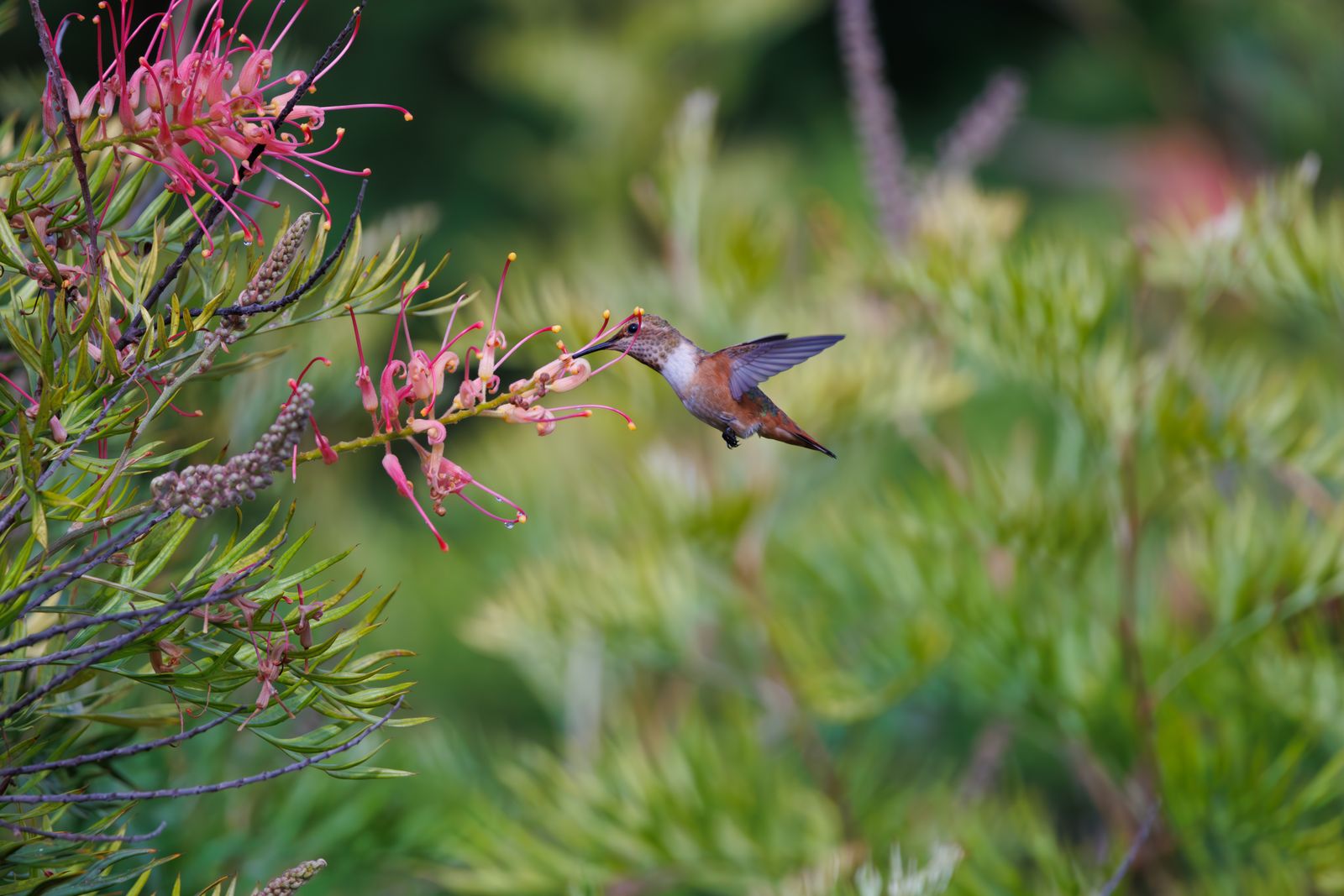
Safe Hummingbird Feeding in Summer Heat: Thermal Glass & Nectar Care
At temperatures above 80°F, replace hummingbird nectar every 24 to 48 hours; once ambient heat reaches 90°F or higher, change sugar water every 12 to 24 hours. Dense 2,300°F hand-blown glass acts as a natural thermal buffer, buffering against temperature spikes and slowing sugar fermentation by up to 50% compared to thin plastic feeders.
5 Core Rules for Hot Weather Nectar Safety
- 12 to 24-Hour Threshold: Temperatures exceeding 90°F require daily nectar replacement to prevent toxic black mold (Candida albicans).
- Dense 2,300°F Artisanal Glass: Heavy hand-blown glass insulates nectar against rapid daytime heat gain, outperforming thin plastic.
- Strict 4:1 Ratio: Never increase sugar concentration during summer heatwaves; hummingbirds rely on standard ratios for essential water hydration.
- Cool-Touch Solar LEDs: Solid-state RGB solar lighting operates without radiant heat, keeping night nectar cool during 8 hours of illumination.
- 4-Hour Shade Rule: Position feeders where they receive shade during peak solar radiation hours (12:00 PM to 4:00 PM).
Hour-by-Hour Nectar Fermentation Timeline in Summer Heat
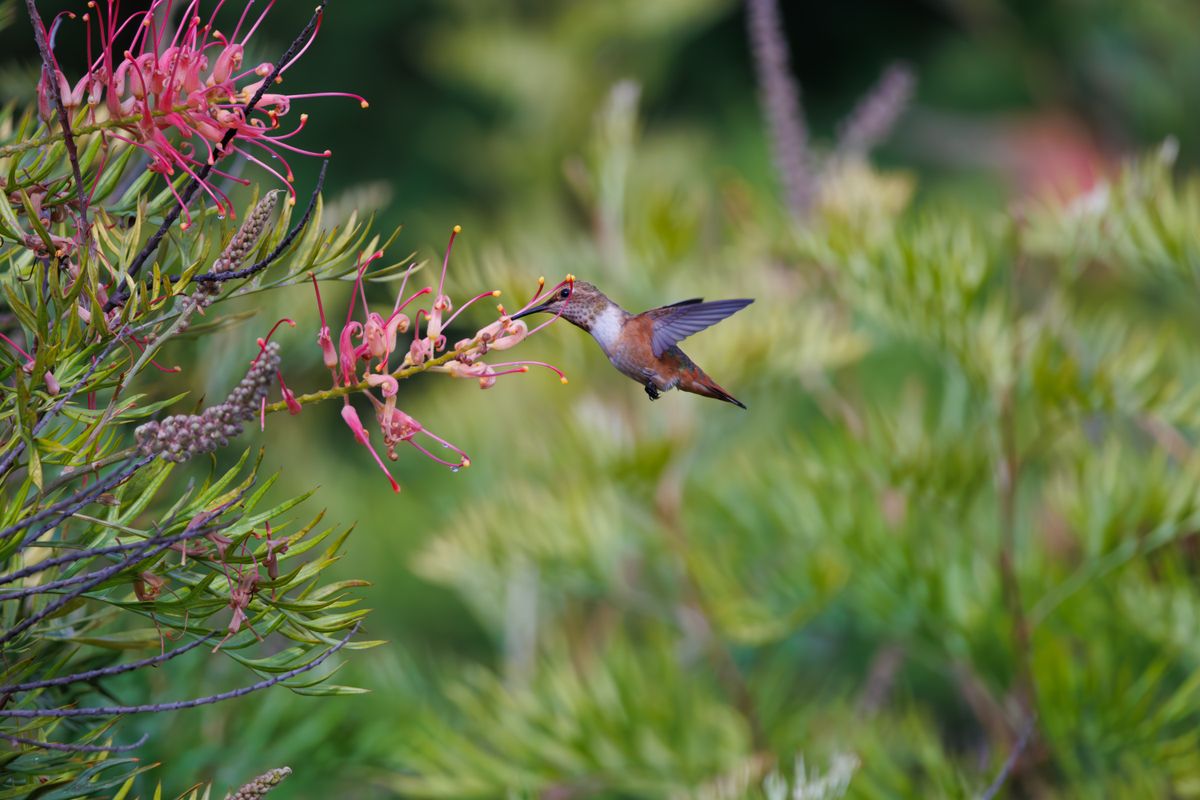
Photo by Ant Armada on Pexels
- 60°F to 70°F (72 to 120 Hours) — Low fermentation risk. Sugar water remains clear and stable for 3 to 5 days before light microbial growth begins.
- 71°F to 80°F (48 to 72 Hours) — Moderate fermentation. Yeast activity doubles every 12 hours. Replace nectar every 48 hours to maintain purity.
- 81°F to 90°F (24 to 48 Hours) — High spoilage velocity. Bacterial proliferation accelerates significantly. Nectar must be swapped within 24 to 48 hours.
- 91°F to 100°F+ (12 to 24 Hours) — Critical safety zone. Sugar water ferments into alcohol and vinegar within 12 to 18 hours. Daily morning replacement is mandatory.
Summer Feeder Refresh & Deep Sterilization Cadence
- Every 12 to 24 Hours (Peak Temp > 90°F) — Empty residual nectar, rinse the reservoir with warm water, and refill with fresh 4:1 chilled sugar water.
- Every 48 Hours (Peak Temp 80°F to 89°F) — Discard unused nectar. Flush glass chamber and leak-proof metal base thoroughly before refilling.
- Twice Weekly (3 to 4 Day Cycle) — Perform a complete scrub using a 1:4 white vinegar to warm water solution. Use a soft bottle brush on narrow-neck glass.
- Weekly — Inspect the solar cap housing, clean anti-rust metal base ports, and verify silicone base seals are intact and leak-free.
Thermal Management: The 4-Hour Afternoon Shade Strategy
To maximize nectar lifespan during 95°F+ summer days, map your garden's shadow lines at 10:00 AM, 1:00 PM, and 4:00 PM. Mount your feeder where mature tree canopies or porch overhangs block direct sunlight during the critical 4-hour window from 12:00 PM to 4:00 PM.
Avoid mounting feeders on unshaded dark iron shepherd hooks; solid metal rods can reach 125°F in direct sun, radiating intense conductive heat into the metal base. Instead, use hanging tree straps or insulated wood mounts, and rely on heavy hand-blown glass to buffer ambient temperature swings.
4 Dangerous Summer Feeding Errors That Harm Hummingbirds
Avoid these common hot-weather mistakes to ensure your backyard stays a safe haven for wild birds:
Side-by-Side Thermal Resistance: Hand-Blown Glass vs. Thin Plastic
| Thermal & Safety Metric | 2,300°F Hand-Blown Glass Feeder | Injection-Molded Thin Plastic Feeder |
| --- | --- | --- |
| Heat Absorption Rate | Slow: Heavy glass wall acts as thermal mass buffer | Rapid: Direct solar radiation heats liquid within 2 hours |
| UV Surface Degradation | Zero: Non-porous glass resists UV etching and yellowing | High: Plastic develops micro-fissures that harbor mold spores |
| Sterilization Compatibility | Safe with vinegar, warm water, and bottle brushes | Warping risk with hot water; vulnerable to surface scratching |
| Chemical Leaching Risk | 100% Inert: Zero chemical leaching at elevated temperatures | BPA/Phthalate risk when exposed to prolonged 100°F+ sunlight |
| Structural Integrity | Thick, high-fired glass withstands outdoor ambient heat cycles | Becomes brittle over time due to intense UV exposure |
Material choice directly dictates internal fluid heating rates, structural durability, and sanitation thoroughness during high summer heat.
Summer Nectar Safety Temperature & Refresh Chart
| Outdoor Temperature | Yeast & Bacteria Growth Rate | Max Safe Exposure Hours | Recommended Action |
| --- | --- | --- | --- |
| 60°F – 70°F (15°C – 21°C) | Dormant / Slow | 120 Hours (5 Days) | Check clarity daily; replace every 4 to 5 days. |
| 71°F – 80°F (22°C – 27°C) | Moderate | 72 Hours (3 Days) | Refresh nectar every 48 to 72 hours. |
| 81°F – 90°F (28°C – 32°C) | Accelerated | 48 Hours (2 Days) | Replace nectar every 24 to 48 hours; check daily. |
| 91°F – 99°F (33°C – 37°C) | Severe | 24 Hours (1 Day) | Change nectar every morning; fill reservoir half-full. |
| 100°F+ (38°C+) | Extreme Fermentation | 12 Hours (0.5 Day) | Replace twice daily (morning & midday); move to full shade. |
Use this temperature guide to adjust your feeding routine as regional heat levels fluctuate from early summer to peak August heatwaves.
Artisanal Protection: LUJII Solar Hand-Blown Glass Hummingbird Feeder
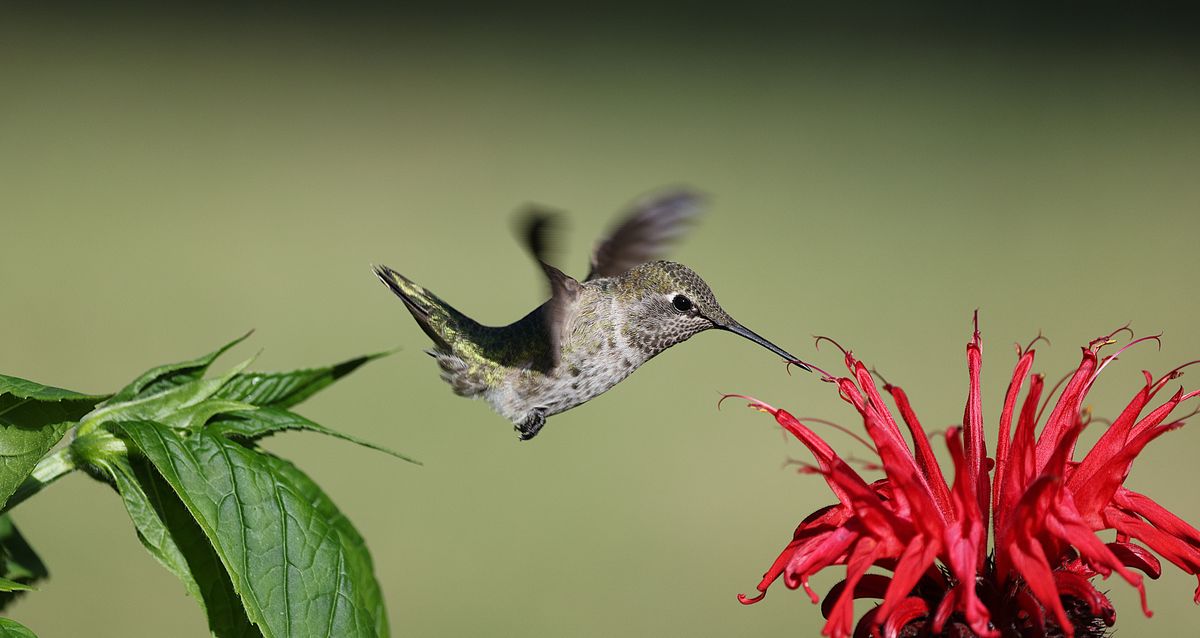
Photo by Veronika Andrews on Pexels
Combine practical thermal protection with garden beauty. The LUJII Solar-Powered Hummingbird Feeder features a thick handcrafted glass reservoir shaped by master glassmakers at 2,300°F. Its dense glass walls provide insulation against intense summer sun, while translucent jewel-tone colors allow you to monitor nectar levels at a glance.
Equipped with a generous 32 fl. oz capacity, a leak-proof sealed base, and anti-rust metal feeding ports, this feeder withstands heat and rainstorms alike. At dusk, the integrated solar cap automatically illuminates the glass with cool-touch RGB lighting for up to 8 hours without transferring radiant heat to the nectar inside.
Regional Summer Protocols: Southwestern Deserts to Humid Coastlines
Varying regional climates demand specific adjustments to protect nectar from heat and spoilage:
- Arid Southwestern Deserts (AZ, NV, TX - 100°F+ Dry Heat): Fluid evaporation accelerates sugar concentrations. Fill feeders to only 30% capacity and replace nectar every 12 to 18 hours. Always place feeders under deep covered patios.
- Humid Southeastern Coastlines (FL, GA, SC - 90°F+ with High Humidity): Humidity encourages black mold spores on exterior feeding ports. Wipe down metal base ports daily with a 10% white vinegar wipe to stop spore germination.
- Northern & Pacific Northwest Heatwaves (WA, OR, NY - 85°F Spikes): Unaccustomed ambient heatwaves catch bird watchers off-guard. Shift feeders into northern shadow pockets at the first forecast of 80°F+ weather.
Daily Summer Feeder Safety Checklist
- [ ] Check nectar transparency: ensure liquid is 100% clear with zero cloudiness or black specks.
- [ ] Verify ambient temperature: if forecasted above 85°F, schedule a refresh within 24 hours.
- [ ] Inspect shade position: ensure afternoon sun (12 PM - 4 PM) does not directly hit the glass body.
- [ ] Check metal base and feeding ports: confirm no sticky residue or insect accumulation.
- [ ] Monitor fill volume: fill only 1/2 full during extreme heat to minimize sugar water waste during frequent changes.
Frequently Asked Questions About Summer Nectar Safety
Essential Summer & Garden Bird Care Guides
Expand your knowledge on backyard wildlife protection with these practical guides:
- Hot Weather Nectar Ratios: Discover how to maintain hydration and energy balance during peak heatwaves.
- How to Make Safe DIY Hummingbird Nectar: The classic 4:1 white sugar recipe and boiled water purification techniques.
- Summer Storm Protection: How to weatherproof handcrafted glass feeders against high winds and rain surges.
- Twilight Nectar Care: How ambient solar lighting interacts with nocturnal garden pollinators.
Action Plan: Upgrade Your Summer Bird Feeding Haven
Your decision: Transition your summer feeding station to shade-anchored, thick hand-blown glass feeders to buffer against lethal heatwaves.
Do this next: Audit feeder locations tomorrow morning at 10 AM to ensure they receive afternoon shade, and establish a strict 24-hour nectar refresh routine when temperatures cross 85°F.
- Read next: How to Clean and Maintain Your Hand-Blown Solar Hummingbird Feeder
🌟 LUJII Hand-Blown Solar Hummingbird Feeder — Features 32 oz capacity thermal-insulating glass, leak-proof metal base, and ambient RGB solar lighting.
Cover photo by Ant Armada on Pexels.