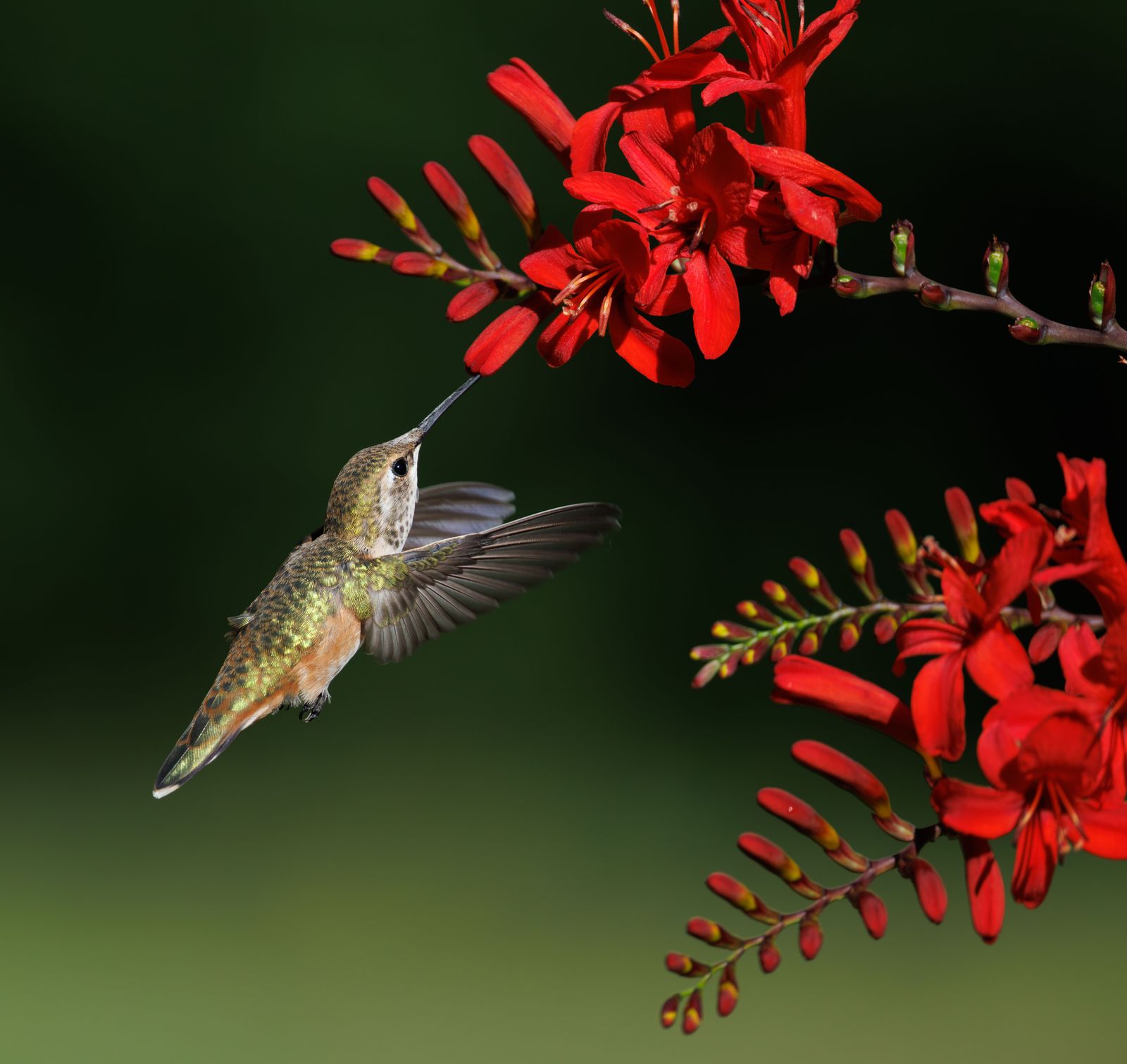
Hand-Blown Glass vs. Plastic Feeders: Which Keeps Summer Nectar Fresher?
Hand-blown glass hummingbird feeders keep summer nectar fresher longer than plastic feeders because non-porous glass prevents bacterial micro-harboring and maintains higher thermal stability under intense heat. While plastic degrades under UV light and scratches easily—creating micro-grooves for mold—thick glass provides a non-reactive, easily sanitized reservoir ideal for hot summer weather.
Material Science Matrix: Hand-Blown Glass vs. Plastic
| Feature / Criterion | Hand-Blown Glass Feeder (LUJII) | Standard Plastic Feeder |
| --- | --- | --- |
| Thermal Conductivity & Heat Stability | High thermal mass buffers against rapid morning-to-afternoon temperature spikes, slowing yeast fermentation. | Low thermal mass warms quickly in direct sunlight, accelerating sugar fermentation. |
| Micro-Surface Porosity & Scratching | Smooth, non-porous vitrified glass prevents mold spores and bacteria from embedding during scrubbing. | Soft material scratches easily from brush bristles, creating micro-grooves that harbor black mold. |
| UV Degradation & Yellowing | 100% UV resistant; glass will not turn brittle, cloud, or yellow after seasons of sun exposure. | Degrades under UV rays over 1-2 seasons, becoming cloudy, brittle, and prone to cracking. |
| Sanitation & High-Heat Tolerance | Safely tolerates hot water sanitation washes without leaching chemicals or warping. | Warps and degrades when exposed to boiling water; risk of chemical leaching under extreme heat. |
| Aesthetic & Decorative Value | Artisanal hand-blown glass with embedded color and integrated ambient solar RGB lighting. | Basic molded appearance; colors fade or peel after prolonged exposure to elements. |
Comparing structural, thermal, and hygienic performance traits of hand-blown glass versus standard molded plastic under summer sun exposure.
Micro-Surface Science: How Surface Scratches Harbor Mold
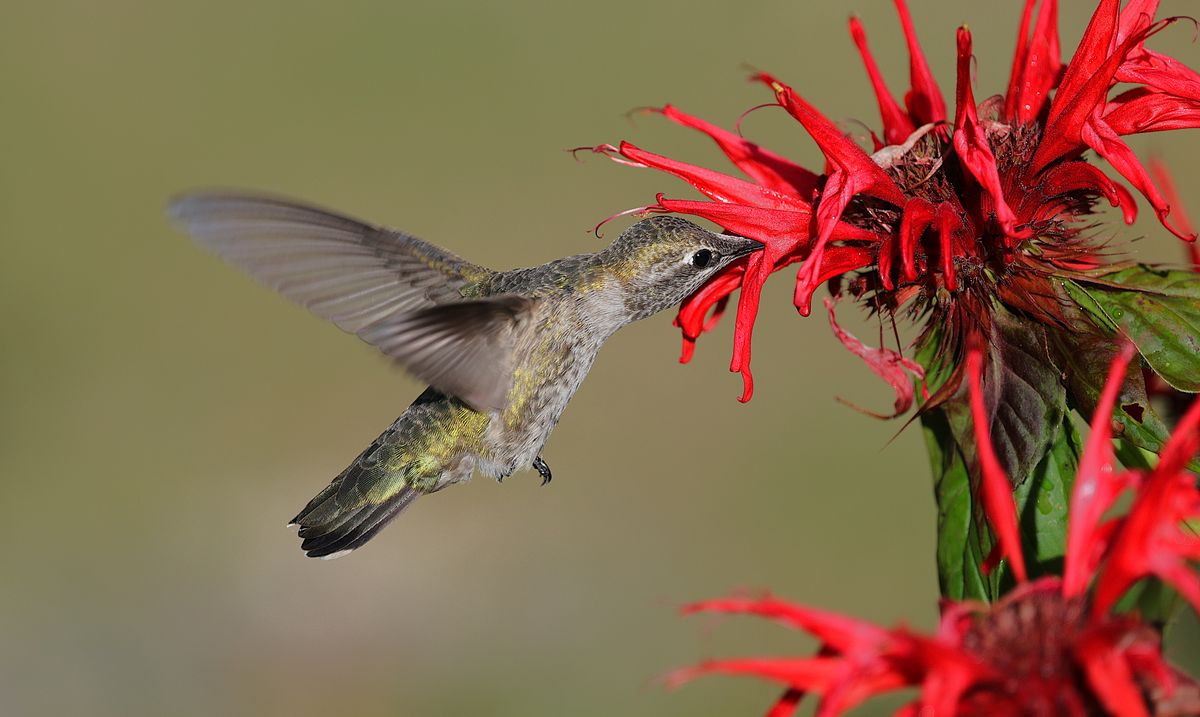
Photo by Veronika Andrews on Pexels
Microscopic breakdown comparing clean vitrified glass against scratched plastic surfaces after brush cleaning.
Pros & Cons: Glass vs. Plastic Feeder Reservoirs
Pros
- Hand-blown glass provides a non-porous surface that prevents black mold from embedding.
- Superior thermal inertia delays nectar fermentation during 90°F+ summer heatwaves.
- UV-proof construction retains visual clarity and vibrant colors indefinitely.
- Tolerates hot-water sanitation without warping or chemical leaching.
- Glass is heavier and requires secure garden hooks or sturdy hanging branches.
- Higher risk of breakage if dropped onto concrete or hard patio surfaces.
Editor's Pick for Summer Nectar Protection
For bird lovers seeking maximum nectar freshness, durability, and stunning garden aesthetics, we recommend switching to a handcrafted glass solar feeder.
Expert Thermal Strategy: Shading & Placement
Even the highest quality hand-blown glass feeder benefits from tactical garden placement. Position your feeder where it receives early morning sunlight to attract scouts, but full afternoon shade (12 PM to 4 PM) when ambient temperatures peak. This simple shift, combined with non-porous glass, extends nectar viability by up to 48 hours during extreme heat.
Summer Nectar Freshness & Spoilage Calculator
Calculate your ideal nectar replacement window based on ambient temperature, shade level, and feeder material.
Frequently Asked Questions About Nectar Spoilage
Common questions regarding feeder maintenance, heat impact, and sanitation practices.
Key Takeaways for Backyard Birders
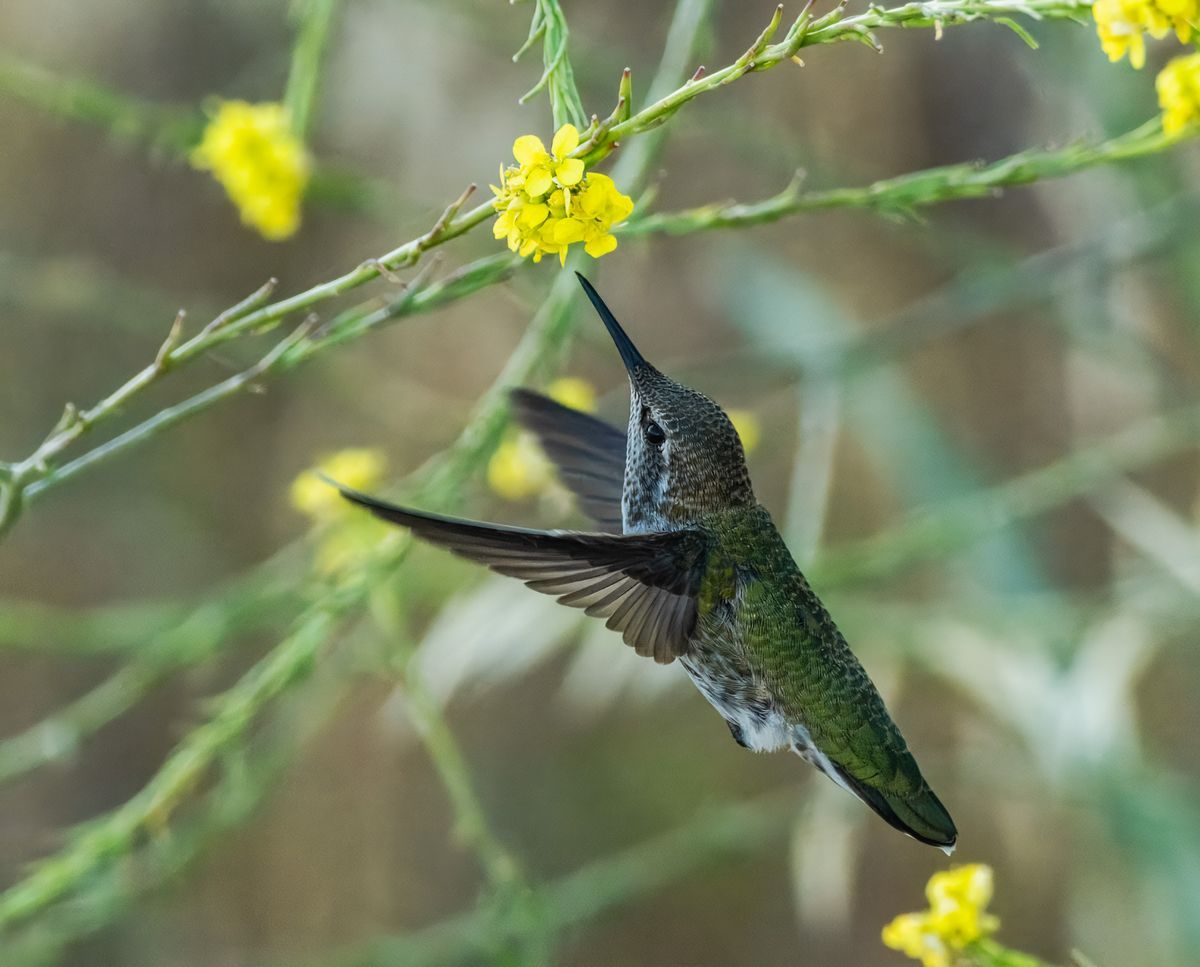
Core material science and sanitation findings summarized for quick reference.
Which Feeder Material Should You Choose?
Hand-blown glass is superior for mid-summer nectar safety due to its non-porous micro-surface and higher thermal mass, whereas plastic is best suited for low-budget, temporary spring setups where breakage risk is the primary concern.
Best choice for
- Hand-Blown Glass Feeder — Non-porous vitrified glass prevents mold spores from embedding in micro-scratches during rapid fermentation cycles.
- Heavy-Duty Plastic Feeder — Shatterproof nature eliminates glass debris hazards, though it requires more frequent replacement due to UV degradation.
- Avoid clear, thin plastic feeders in 90°F+ heatwaves as high UV radiation creates micro-fissures that breed black mold (Aspergillus).
- Solar Hand-Blown Glass Feeder with Coated Metal Base — Combines non-porous glass nectar safety with decorative ambient RGB lighting and rust-proof durability.
Real-World Climate Scenarios
Midwestern 95°F High-Humidity Summer — Use a 32 oz hand-blown glass feeder placed in partial afternoon shade. Change nectar every 48 hours. The thick glass resists rapid temperature spikes.
Arid Southwestern Sun (100°F+) — Hang hand-blown glass under a covered patio or dense shade tree. Non-porous glass prevents bacterial crusting at feeding ports.
Pacific Northwest Mild Summer (75°F Average) — Glass feeders keep nectar fresh for 4–5 days effortlessly, while solar caps fully recharge during long daylight hours.
Practical feeder performance breakdowns based on geographic weather patterns.
To understand why nectar spoils rapidly in plastic feeders, one must look closely at surface micro-structure. Standard plastic feeder bottles are produced via injection molding using polyethylene or polycarbonate. While smooth to the naked eye, plastic is soft and vulnerable to mechanical abrasion. Every time a birder uses a bottle brush or sponge to clean out sugar residues, microscopic scratches are etched into the interior walls.
Over weeks of sun exposure, ultraviolet rays weaken the chemical bonds in plastic polymer chains, causing micro-fissures to expand. These microscopic grooves create an ideal anchor point for yeast spores (Saccharomyces) and black mold (Aspergillus). Once established inside plastic micro-grooves, mold colonies withstand routine rinsing, re-contaminating fresh sugar water within hours.
In contrast, hand-blown glass is crafted at 2,300 degrees Fahrenheit, vitrifying silicon particles into a non-porous, smooth crystal structure. Glass contains no micro-pits or molecular voids where mold spores can wedge themselves. Scrubbing glass with standard cleaning tools leaves zero scratches, ensuring that warm water rinses away 100% of bacterial biofilms. For hummingbirds—whose rapid metabolism makes them sensitive to ingested fungal toxins—non-porous glass offers a vital safeguard during hot summer months.
Featured Hand-Blown Glass Solar Feeders
Elevate your outdoor sanctuary while keeping hummingbird nectar clean, cool, and safe with artisan hand-blown solar feeders.
Next Steps for Summer Nectar Hygiene
Your decision: Choose a hand-blown glass feeder if your summer temperatures exceed 80°F and you want to prevent rapid nectar spoilage and mold growth.
Do this next: Switch to a 32 oz hand-blown glass reservoir and place it in partial shade during peak afternoon heat.
- Read next: How to Clean and Maintain Your Hand-Blown Solar Hummingbird Feeder
- Read next: Hot Weather Nectar Ratios: How to Keep Hummingbird Food Fresh in Summer
Explore LUJII 32 fl. oz. Hand-Blown Glass Solar Hummingbird Feeders with leak-proof metal bases.
Actionable instructions to optimize your backyard feeder setup immediately.
Cover photo by Veronika Andrews on Pexels.