Summer Companion Planting Guide: Deterring Ants and Bees from Nectar Stations Naturally
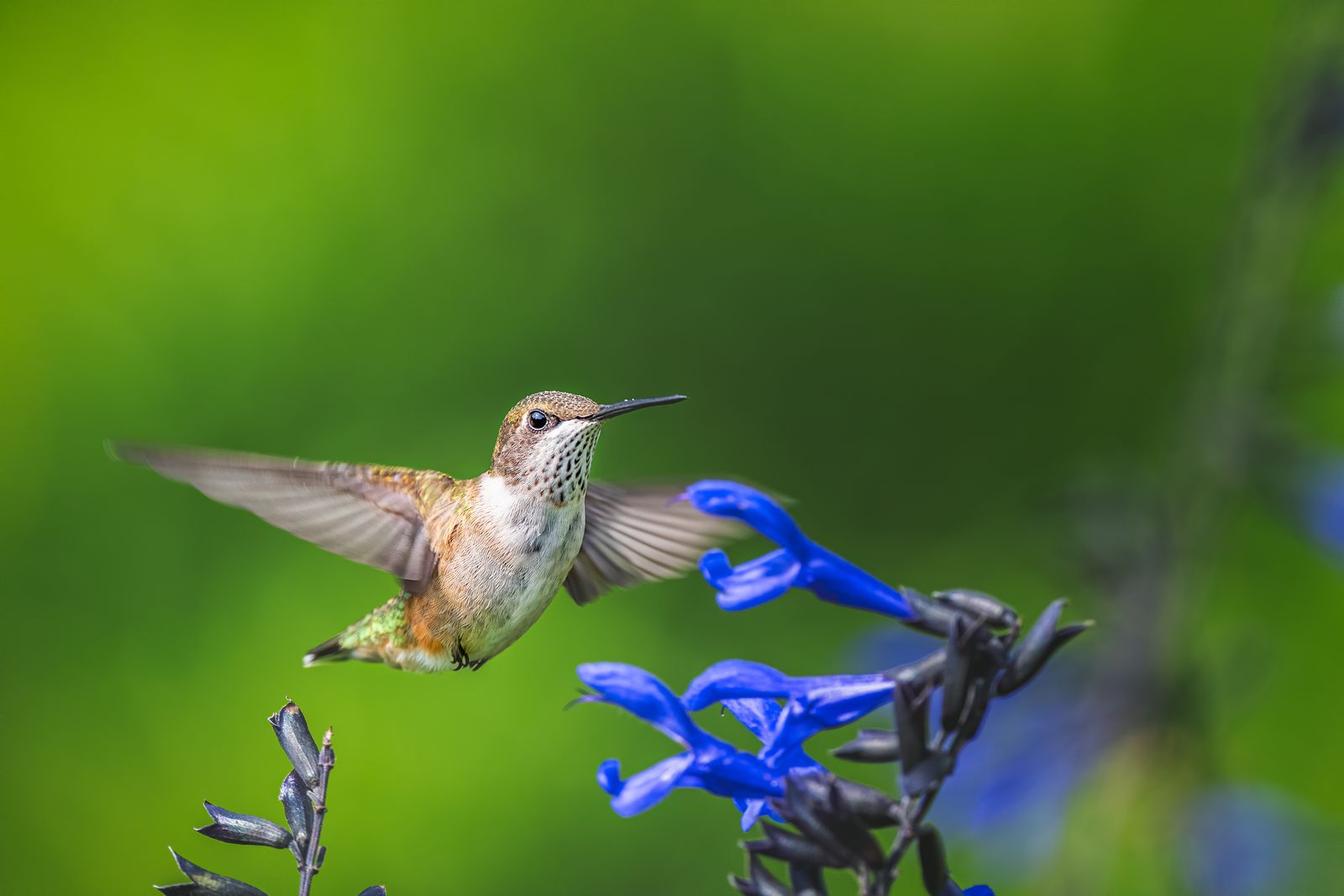
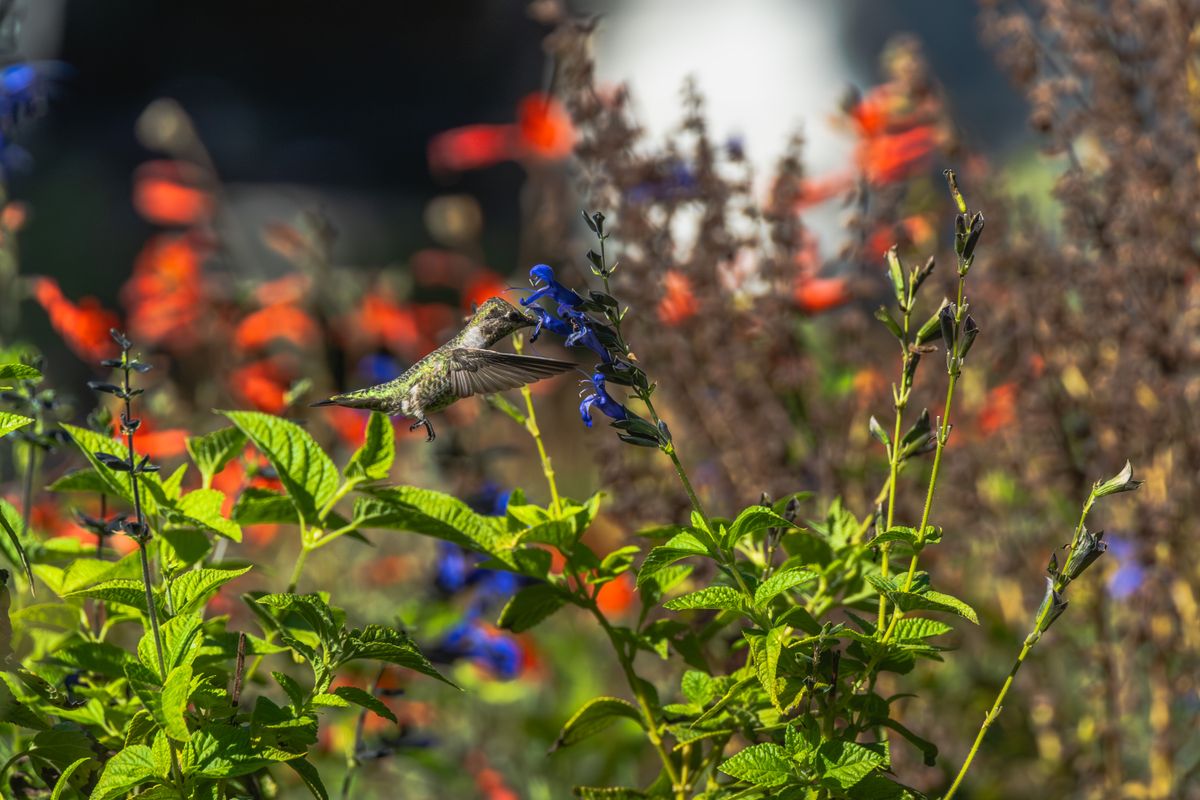
Maintaining a 3-foot clear ground radius beneath your feeder pole, surrounded by a 3-to-6-foot ring of aromatic herbs like potted peppermint and sweet basil, reduces bee and ant visits by up to 95%. Positioning red tubular flowers 6 to 10 feet away visually attracts hummingbirds while keeping insects far from feeding ports.
5 Key Principles of Companion Planting for Feeder Protection
3-Week Botanical Barrier Establishment Timeline
- Day 1–3 — Clear a 3-foot radius around the feeder pole. Plant peppermint and spearmint in 12-inch heavy ceramic pots to contain aggressive rhizomes.
- Day 4–10 — Position potted lavender and sweet basil 4 feet from the feeder base. Water deeply to establish strong root networks.
- Day 11–17 — Begin twice-weekly foliage pinching. Lightly crush leaf tips to release natural menthol and linalool oils into the air currents.
- Day 18–21 — Verify zero flower buds are forming on companion plants. Hang a leak-proof 32 oz hand-blown glass feeder to begin full daily protection.
Seasonal Companion Herb Pruning & Scent Refresh Schedule
- Every 3 Days — Gently squeeze or brush companion foliage (mint and basil) while visiting the feeder to trigger immediate essential oil vapor release.
- Weekly — Inspect and pinch off 100% of visible flower buds across all mint, basil, and marigold plants within 6 feet of the pole.
- Bi-Weekly — Prune back leggy stems by 25% to encourage dense, bushy leaf growth, maximizing surface area for natural scent emission.
- Monthly — Top-dress herb pots with organic compost and flush soil to prevent mineral buildup and maintain vigorous leaf oil production.
Troubleshooting Botanical Pest Defenses in Peak Summer Heat
| Symptom / Problem | Root Cause | Immediate Corrective Action | Preventative Strategy |
| --- | --- | --- | --- |
| Bees hovering near feeder despite mint plants present | Mint plants have produced small blooms, attracting foraging honeybees. | Prune off all flower spikes immediately and move pots 1 foot further back. | Pinch growing tips every 5 days to force leaf growth rather than blossoms. |
| Ants crawling up feeder pole through ground foliage | Plant stems are touching the metal feeder pole, creating a natural bypass bridge. | Trim all foliage to maintain a strict 12-inch clear air gap around the pole structure. | Maintain a 3-foot clear ground zone free of tall grass and crawling weeds. |
| Companion plant leaves wilting and losing scent in 95°F heat | Root stress and dehydration stopping essential oil biosynthesis in leaves. | Move container pots into afternoon partial shade and deep-water early in the morning. | Use thick terracotta or double-walled ceramic pots to insulate roots from ground heat. |
| Wasp interest increasing around feeding ports | Nectar splash or sugary vapor buildup on exterior feeder surfaces. | Wipe down external hand-blown glass and metal base with cold water; maintain 1:4 sugar ratio. | Switch to a leak-proof sealed base feeder with submerged flower ports. |
When extreme heat waves hit, companion plants and feeder stations require targeted adjustments to maintain an effective barrier.
4 Critical Plant Selection Mistakes That Attract Bees Instead of Repelling Them
Even well-intentioned gardeners can inadvertently create bee havens right below their hummingbird stations by making these common botanical mistakes:
- Allowing Mint and Basil to Flower: While mint and basil leaves naturally repel bees, their blossoms produce high-sugar nectar that attracts honeybees and yellowjackets. Always pinch off flower spikes before they open.
- Planting Mint Directly in Uncontained Garden Beds: Peppermint spreads via aggressive underground rhizomes, rapidly overtaking garden beds and creating dense foliage that bridges crawling ants straight to your feeder pole.
- Placing Herb Pots Too Close to Nectar Ports: Positioning foliage within 1 foot of feeder ports physically blocks hummingbird flight paths and causes wing interference during hovering.
- Applying Concentrated Essential Oil Sprays Directly to Feeders: Spraying essential oils on feeder surfaces can transfer toxic compounds to hummingbird feathers and beak structures. Stick exclusively to live potted plants.
Master Gardener Advice: Essential Oil Bruising Techniques
To achieve maximum pest deterrence during 90°F+ summer heat waves, use physical foliage bruising rather than pruning. Squeeze mint and lemongrass leaves gently between your fingertips every 2 to 3 days without severing the leaf from the stem. Squeezing ruptures microscopic glandular trichomes on the leaf surface, releasing potent menthol and citral vapors directly into the rising air currents under your feeder. This creates a natural olfactory barrier precisely when high summer temperatures intensify insect foraging activity.
360-Degree Botanical Defense Zones Around Hummingbird Feeders
Understanding spatial layout is critical for natural pest deterrence. Position plants across three distinct concentric circles around your shepherd's hook feeder pole to maximize protection without obstructing avian flight paths.
Visual Breakdown: How Olfactory Receptors Differ (Bees vs. Hummingbirds)
Visualizing biological differences helps explain why strong plant scents repel pests while leaving birds completely undisturbed.
Insect Deterrent Companion Plant Matrix
| Plant Name | Primary Chemical Terpene | Target Pest Repelled | Ideal Distance from Pole | Sunlight Needs | Pruning & Care Frequency |
| --- | --- | --- | --- | --- | --- |
| Peppermint (Mentha × piperita) | Menthol & Menthone | Ants, Wasps & Yellowjackets | 3 to 4 Feet (In Containers) | Full Sun to Partial Shade | Weekly flower pinching; bi-weekly leaf harvesting |
| French Lavender (Lavandula dentata) | Linalool & Linalyl Acetate | Bees, Flies & Fleas | 4 to 6 Feet | Full Sun (6+ Hours) | Monthly deadheading after primary summer bloom |
| Sweet Basil (Ocimum basilicum) | Eugenol & Linalool | Mosquitoes & Honeybees | 3 to 5 Feet | Full Sun | Pinch flower buds every 5 days continuously |
| Lemongrass (Cymbopogon citratus) | Citral & Geraniol | Mosquitoes & Wasps | 5 to 6 Feet | Full Sun | Trim dry outer blades monthly; fertilize nitrogen high |
| French Marigold (Tagetes patula) | Alpha-Terthienyl | Aphids & Garden Ants | 3 to 5 Feet | Full Sun | Deadhead spent flowers weekly to prolong growth |
Compare key insect-repelling companion plants by scent profile, targeted pest species, ideal placement distance, and maintenance effort.
Pairing Botanical Barriers with Hand-Blown Solar Glass Feeders
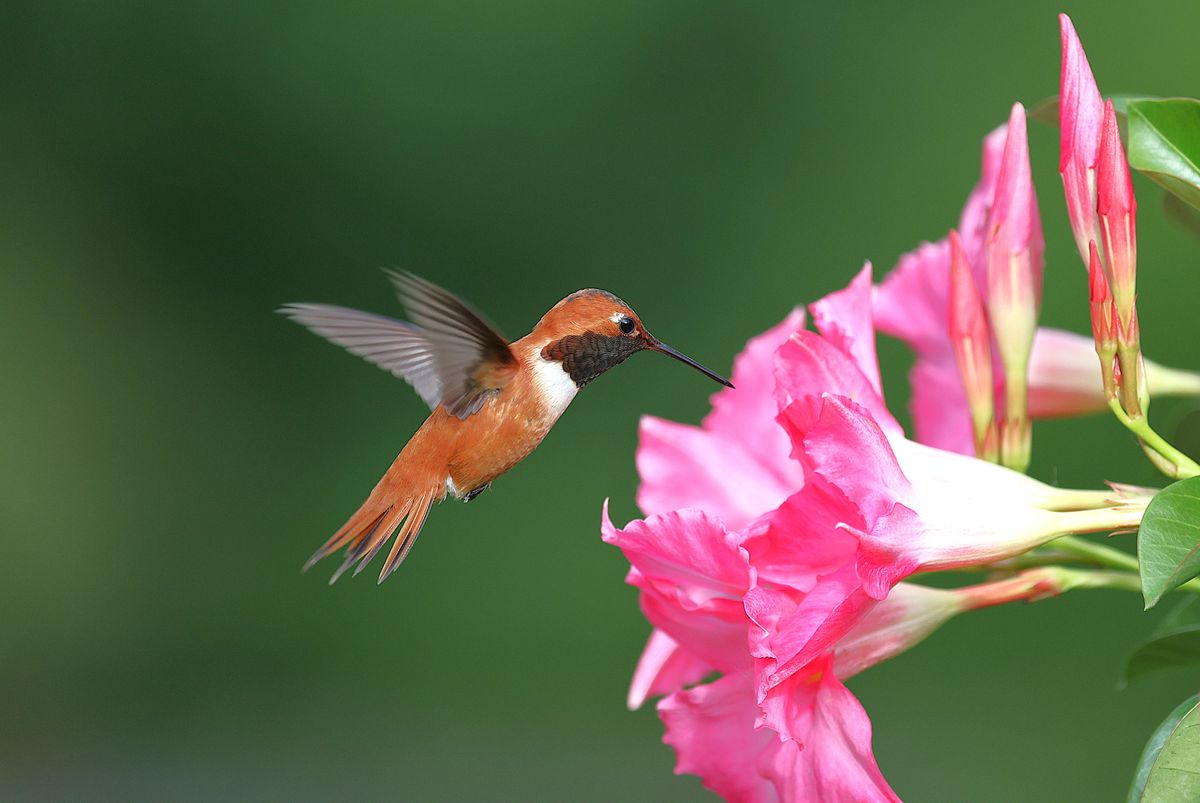
Photo by Veronika Andrews on Pexels
Enhance your non-toxic botanical defense system by choosing a feeder engineered for clean, drip-free nectar management. A sealed, artisan-crafted glass feeder ensures zero sugar leaks while illuminating your garden at night.
Enhance your garden sanctuary today! Pair your non-toxic companion plant barrier with the handcrafted, leak-proof LUJII Solar-Powered Hummingbird Feeder to enjoy vibrant daylight birds and magical evening glow.
Spring-to-Autumn Companion Planting Calendar for US Hardiness Zones 4–10
| Season / Month | Hardiness Zones 4–6 (Northern US) | Hardiness Zones 7–8 (Central US) | Hardiness Zones 9–10 (Southern US) |
| --- | --- | --- | --- |
| Early Spring (Mar–Apr) | Start mint and basil seeds indoors under grow lights 6 weeks before last frost. | Plant potted lavender and mint outdoors in sunny patio locations. | Set out overwintered herbs; install solar feeders as early migrants arrive. |
| Late Spring (May) | Move potted herbs outdoors; establish Zone 2 plant radius around feeder pole. | Begin bi-weekly foliage bruising to activate menthol vapors as temperatures cross 70°F. | Pinch mint flower buds aggressively; maintain 1:4 sugar ratio in high heat. |
| Peak Summer (Jun–Aug) | Perform weekly bud pinching; monitor 32 oz feeder nectar levels every 2–3 days. | Water companion containers daily; move herbs to partial shade if heat exceeds 95°F. | Prune back woody herb growth; clean solar caps weekly to maximize 8-hour night light. |
| Autumn (Sep–Oct) | Bring perennial herbs indoors before first freeze; keep feeder out for late migrants. | Take stem cuttings of mint and basil for indoor propagation over winter. | Harvest remaining herbs; clean and store glass reservoirs after migration ends. |
Follow this seasonal schedule to align companion herb cultivation with hummingbird migration patterns across North America.
Zone-Specific Heat and Moisture Strategies for Aromatic Plants
Regional microclimates across the United States affect both essential oil release rates and feeder nectar freshness:
- Humid Southeast (Zones 8–10): High atmospheric humidity slows essential oil evaporation. Squeeze companion herb foliage more frequently and ensure pots have high-drainage gravel bases to prevent root rot during tropical rain events.
- Arid Southwest (Zones 9–11): Intense solar heat can scorch mint foliage and cause rapid nectar fermentation. Place potted mint under partial shade umbrellas and use thick ceramic containers to keep root zones cool.
- Northern Tier & Midwest (Zones 4–6): Shorter growing seasons require starting herbs indoors early. Use potted containers exclusively so plants can be moved easily during unseasonal late-spring freezes.
Nectar Station Botanical Setup Checklist
- [ ] Clear a 3-foot radius directly beneath the feeder pole of all crawling weeds and nectar sources.
- [ ] Position potted peppermint or spearmint containers 3 to 5 feet from the feeder pole base.
- [ ] Pinch off all flower buds on basil and mint plants weekly to prevent honeybee foraging.
- [ ] Verify that LUJII hand-blown solar feeder base is tightly screwed on to maintain a 100% drip-free seal.
- [ ] Plant bright red tubular nectar flowers (e.g., Salvia, Cardinal Flower) 6 to 10 feet away from the feeder to act as a visual target.
- [ ] Gently brush or pinch mint leaves every 3 days to release natural essential oils into the air.
Frequently Asked Questions About Companion Planting Near Feeders
Here are answers to common questions about using botanical companion plants around hummingbird feeding stations.
Next Steps: Complete Your Natural Pest Defense Barrier
Your decision: Select potted aromatic herbs (peppermint, basil, lavender) and position them in a 3-to-6-foot radius around your feeder pole.
Do this next: Install a non-drip hand-blown solar glass feeder on a sturdy pole, position potted mint 4 feet below the ports, and prune all flower buds before they bloom.
- Read next: How to Hang Your Solar Hummingbird Feeder to Block Ants and Crawling Insects
- Read next: Best Ant Moats for Hummingbird Feeders: Built-In vs. Hanging Hooks
LUJII Hand-Blown Glass Solar Hummingbird Feeder (32 oz Leak-Proof Sealed Base)
Combine strategic companion planting with superior feeder engineering to create a pest-free hummingbird sanctuary.
Further Reading on Non-Toxic Feeder Protection
Direct users to internal articles on ant moats, hanging hardware, and weather proofing.
Cover photo by Skyler Ewing on Pexels.