Native Plants That Repel Pests Near Hummingbird Feeders (Southern Guide)
Maintain a 3-to-6 foot offset radius around your hanging solar feeder when planting native Southern aromatic perennials like Clustered Mountain Mint (Pycnanthemum muticum) and American Beautyberry (Callicarpa americana). This distance allows natural essential terpenoids to deter ants, wasps, and mosquitoes while keeping solar charging caps fully exposed to 6 to 8 hours of top-down sunlight and flight corridors completely open.
Essential Southern Botanical Pest-Control Takeaways
- Maintain a 3-to-6 foot clearance around shepherd hooks to prevent crawling insects from using tall foliage as a bridge.
- Native mints, salvias, and beautyberry emit natural volatile terpenoids that disorient wasps and mosquitoes without affecting hummingbird navigation.
- Ensure overhead solar caps receive 6 to 8 hours of direct daily sunlight to power up to 8 hours of night RGB LED illumination.
- Never apply synthetic pesticides or concentrated essential oil drops directly onto feeder ports or glass reservoirs.
- Pair botanical ground barriers with a water-filled ant moat for complete dual-layer defense against aggressive Southern fire ants.
Managing Southern Heat & Pest Pressure (USDA Zones 7–10)
In the hot, humid expanse of the American South (USDA Hardiness Zones 7 through 10), summer daytime temperatures regularly climb between 85°F and 102°F. These extreme conditions accelerate sugar nectar fermentation inside feeder reservoirs within 24 to 48 hours, creating a intense sweet vapor trail that attracts paper wasps, aggressive yellowjackets, and crawling fire ant colonies.
High atmospheric humidity (often exceeding 70–80% in coastal and Gulf regions) affects how botanical compounds evaporate. Under intense afternoon heat, aromatic native plants release higher concentrations of natural essential oils (such as pulegone, menthol, and callicarpenal). Placing these plants in the immediate micro-environment around your feeding station establishes a natural olfactory shield that pest insects avoid.
However, high temperatures mean solar panels on illuminated glass feeders need clear, unshaded sun access. Heavy humidity can encourage dense vegetative growth; without regular pruning, tall foliage can quickly cast shadows over top-mounted solar panels, reducing evening lighting duration from a full 8 hours down to less than 2 hours.
Southern Native Repellent Plant Specifications Matrix
| Plant Species | Target Pests | Active Compound | USDA Zones | Growth Height | Solar Buffer Distance |
| --- | --- | --- | --- | --- | --- |
| Clustered Mountain Mint (Pycnanthemum muticum) | Crawling Ants, Mosquitoes | Pulegone & Menthone | Zones 7–9 | 2–3 feet | 3 feet minimum offset |
| Spotted Bee Balm (Monarda punctata) | Yellowjackets, Wasps | Thymol & Carvacrol | Zones 7–10 | 1.5–3 feet | 4 feet offset |
| American Beautyberry (Callicarpa americana) | Mosquitoes, Ticks, Flies | Callicarpenal & Intermedeol | Zones 7–10 | 4–8 feet | 5–6 feet (South side clear) |
| Blue Sage (Salvia azurea) | Aphids, Whiteflies, Wasps | Cineole & Camphor | Zones 7–9 | 3–5 feet | 4 feet offset |
Compare key technical metrics, active deterrent compounds, and recommended solar feeder buffer distances for top-performing Southern native repellents.
Pre-Planting Checklist for Solar Feeder Companion Zones
- [ ] Verify feeder pole is placed at least 3 feet clear of tall foliage to prevent ant bridging.
- [ ] Ensure direct overhead sunlight reaches the solar cap for 6–8 hours daily charging.
- [ ] Select native Southern perennials rated for your specific USDA Zone (7, 8, 9, or 10).
- [ ] Avoid synthetic pesticides, insecticides, or essential oil sprays near feeder ports.
- [ ] Install a mechanical ant moat as a secondary barrier on the hanging pole.
Expert Tip: Balancing Essential Oils and Avian Airflow
A common mistake among Southern gardeners is dabbing concentrated essential oils—like peppermint or clove oil—directly onto feeder ports or shepherd hooks. In high heat, concentrated oils melt, run into the nectar, and can coat a hummingbird's feathers, ruining their waterproofing and causing accidental ingestion of toxic doses.
The Botanical Rule: Always rely on live, rooted native plants rather than bottled oils. Growing live aromatic plants 3 to 6 feet away allows ambient afternoon heat to vaporize microscopic botanical compounds into the surrounding air currents. This creates an effective pest-repelling cloud at ground level while keeping the air directly around the feeder ports fresh, clean, and completely non-toxic for visiting hummingbirds.
Layout Guide: Southern Feeder Sanctuary Micro-Zones
To maximize pest repulsion while preserving total solar energy collection, arrange your garden in three distinct concentric zones centered around your feeder pole.
Top Southern Native Botanical Repellents by Target Pest
| Target Pest | Native Botanical Solution | Scent Profile | Sunlight Need | Solar Feeder Buffer Distance |
| --- | --- | --- | --- | --- |
| Fire Ants & Crawling Insects | Clustered Mountain Mint | Pungent Spearmint / Herbal | Full Sun to Part Shade | 3 feet horizontal offset |
| Yellowjackets & Paper Wasps | Spotted Bee Balm (Monarda punctata) | Spicy Oregano / Thyme | Full Sun / Dry Soil | 4 feet horizontal offset |
| Mosquitoes & Biting Flies | American Beautyberry | Mild Resin / Woody | Full Sun to Moderate Shade | 5 to 6 feet downwind offset |
| Nectar Thieves & Beetles | Anise Hyssop (Agastache foeniculum) | Sweet Licorice / Anise | Full Sun | 3 to 4 feet offset |
Match your primary garden pest challenges with proven Southern native plant solutions that thrive in heat and full sun.
Native Botanical Repellents vs. Common Chemical Interventions
| Factor | Native Companion Plants | Synthetic Insecticide Sprays | Essential Oil Drops on Feeder |
| --- | --- | --- | --- |
| Hummingbird Health Safety | 100% Safe (Zero toxic residue) | High Toxicity Risk (Fatal if ingested) | Moderate to High (Feather clogging hazard) |
| Solar Panel & Glass Impact | Zero Impact (Preserves hand-blown glass) | Corrodes metal coatings & plastic caps | Degrades rubber seals & cloud-glass |
| Protection Duration | Perennial (Returns every spring) | Temporary (Washes off in summer rain) | Short (Evaporates within 2–4 hours) |
| Pest Deterrence Efficiency | 80–90% reduction in wasp & ant visits | 95% immediate kill (High collateral harm) | 50% reduction (Requires daily reapplication) |
| Ecological Benefit | Supports native Southern pollinators | Destroys beneficial soil biomes | None |
Evaluate the safety, longevity, and impact on solar glass feeder hardware across three different pest management approaches.
Regional Microclimate Strategy: Deep South vs. Coastal Plain
- Humid Gulf Coast & Deep South (Zones 9–10) — Focus on high-terpene species like American Beautyberry and Clustered Mountain Mint. Prune aggressively in late July to preserve a clear 4-foot solar charging window over your feeder.
- Piedmont & Inland South (Zones 7–8) — Incorporate Spotted Bee Balm and Blue Sage. Plant on south-facing gentle slopes to maximize morning sunlight exposure on solar collector caps while deterring yellowjackets during late summer droughts.
- Atlantic Coastal Plain — Utilize sandy-soil tolerant native mints and wild garlic. Ensure feeder poles are anchored 24 inches deep against coastal squalls and maintain a 3-foot clearance to keep wind-blown foliage from scratching hand-blown glass.
Featured Setup: Solar Glass Feeders in Native Botanical Gardens
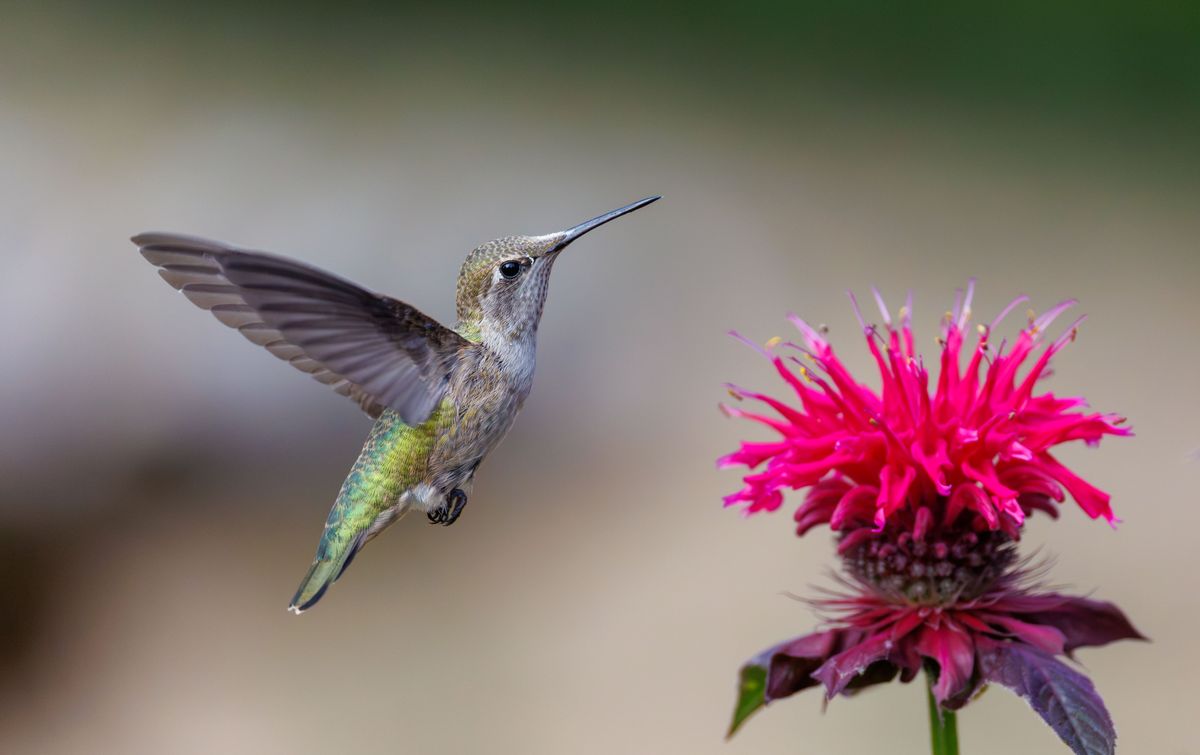
Photo by Veronika Andrews on Pexels
Complement your native pest-repelling garden layout with an artisan feeding station engineered specifically for heat resistance, night illumination, and pest exclusion.
Choosing the Right Companion Plants for Your Yard Type
Select native Southern companion plants based on your primary pest threat (ants, yellowjackets, or mosquitoes) while maintaining a strict 3-to-6 foot clearance around the hanging solar feeder to prevent foliage from blocking solar caps or giving crawling ants a direct bridge.
Best choice for
- Spotted Bee Balm (Monarda punctata) + Clustered Mountain Mint — High thymol and pulegone content drives away aggressive wasps while thriving in 8+ hours of direct heat.
- American Beautyberry (Callicarpa americana) — Natural callicarpenal emissions repel biting insects while tolerating afternoon shade near garden borders.
- Avoid aggressive climbing vines like Trumpet Vine directly on shepherd hooks, as they allow ants to bypass moats.
- Avoid tall, dense evergreen shrubs within 3 feet of the solar cap that block overhead sunlight.
- Container Planting in Pots — Ideal for patios or small courtyards where native mints can be contained 3 feet away from mobile feeder stands.
Real-World Southern Garden Scenarios & Solutions
Aggressive yellowjackets swarming the feeder ports during August drought — Plant Spotted Bee Balm (Monarda punctata) 4 feet upwind from the feeder. The thymol scent interferes with wasp olfactory navigation without affecting hummingbirds.
Fire ants building mounds at the base of the shepherd's hook pole — Surround the pole base with a 3-foot ring of Clustered Mountain Mint (Pycnanthemum muticum) and install a water-filled ant moat on the hook.
Dense tree canopy casting shade over both plants and solar charging cap — Relocate the pole to a sunny island bed with 6–8 hours of direct light; plant shade-tolerant American Beautyberry on the eastern edge.
Practical solutions for common pest challenges encountered by bird watchers in Southern states.
Frequently Asked Questions About Pest-Repelling Plants
Answers to essential reader questions about avian scent sensitivity, companion plant spacing, and night solar lighting.
Action Plan: Planting Your Hummingbird Pest Barrier
Your decision: Determine your primary pest issue (crawling ants, aggressive wasps, or mosquitoes) and map out a 3-to-6 foot clearance circle around your feeder location.
Do this next: Select 2–3 heat-hardy Southern native perennials (e.g., Clustered Mountain Mint and American Beautyberry) and install them outside the 3-foot solar drop zone.
Related resource: How to Hang Your Solar Hummingbird Feeder to Block Ants and Crawling Insects
Pair your new native plant barrier with the LUJII Solar-Powered Hand-Blown Glass Hummingbird Feeder for beautiful night lighting and leak-proof pest protection.
Take these quick steps to transform your garden into a pest-free hummingbird sanctuary.
Recommended Articles on Pest-Free Hummingbird Care
Provide curated internal links to pillar and cluster resources.
Cover photo by Veronika Andrews on Pexels.