Why Hummingbird Feeders Leak in the Heat (And How to Fix It Immediately)
Hummingbird feeders leak in heat because warm sunlight expands trapped air inside inverted reservoirs, increasing internal atmospheric pressure and forcing liquid nectar out through the feeding ports. To stop thermal drips immediately, fill the bottle completely to 95%+ capacity with cool nectar to minimize air space, hang the feeder in full shade, and ensure base seals are airtight.
Hot-Weather Feeder Leak Diagnostic Path
- Is nectar dripping continuously during peak afternoon heat (12 PM - 5 PM)? → Yes: Check Sunlight & Fill Level. No: Check Hardware & Seals.
- Is the feeder hung in direct sunlight with more than 25% empty air space? → Yes: Thermal Air Expansion Leak (Relocate to full shade & fill reservoir to 95%+ capacity). No: Proceed to Base Inspection.
- Are the base threads or rubber gasket cracked, twisted, or loose? → Yes: Gasket Vacuum Failure (Reseat silicone seal flush or replace base gasket). No: Check Reservoir Integrity.
- Is there visible hairline cracking in glass or plastic body? → Yes: Thermal Shock Fracture (Replace feeder reservoir). No: Re-level feeder on hanging hook to prevent gravitational overflow.
Feeder Leak Scenarios & Instant Fixes
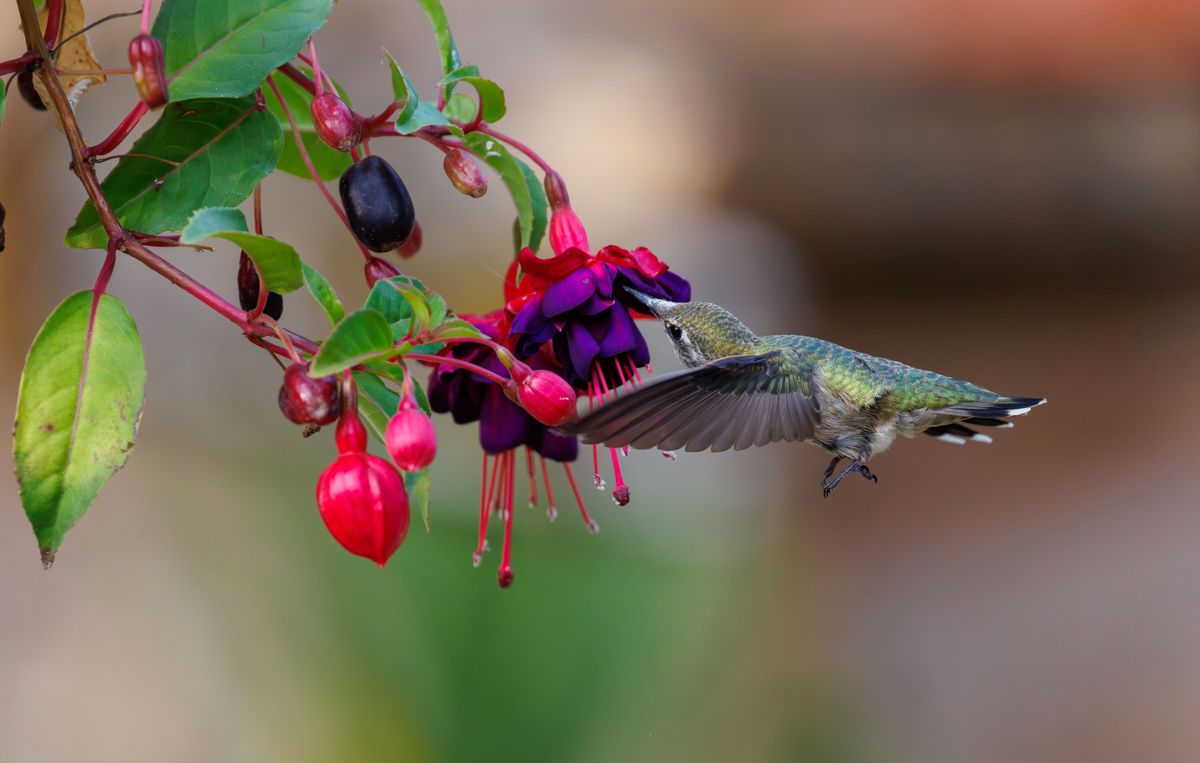
Photo by Veronika Andrews on Pexels
| Symptom / Scenario | Root Cause | Environmental Trigger | Recommended Action |
| --- | --- | --- | --- |
| Rapid afternoon port dripping | Thermal expansion of trapped air pocket inside bottle | Direct sunlight and ambient heat exceeding 85°F | Move feeder to 100% shade; top off nectar to 95%+ capacity with room-temp liquid. |
| Continuous slow drip day and night | Broken or misaligned rubber gasket failing to hold vacuum | Normal wear or overtightening base threads | Unscrew base, inspect silicone O-ring, re-seat flush without twisting. |
| Intermittent splashing and dripping | Wind sway tipping nectar level above feed port threshold | Gusty summer breezes on unweighted plastic feeders | Upgrade to a heavier hand-blown glass feeder or install a stabilizing weather baffle. |
| Instant leakage right after refilling | Pouring warm/hot homemade sugar water into cold base | Temperature differential breaking atmospheric vacuum | Cool home-brewed sugar water completely in refrigerator before filling. |
Match your feeder's exact behavior with the underlying environmental trigger and instant troubleshooting step below.
Pro Tip: The Cold-Fill Vacuum Seal Technique
Creating a rock-solid atmospheric vacuum is your single best defense against summer heat leaks. When refilling your feeder, brew your standard 4:1 water-to-sugar nectar ratio and chill it in the refrigerator overnight before filling the reservoir. Fill the glass bottle to within 1/4 inch of the top rim—leaving less than 5% air space. Tighten the base firmly (without warping the rubber ring), invert the feeder quickly over a sink in one swift motion, and allow 2 to 3 initial drops to release. This immediate pressure equalisation locks the vacuum in place before you hang it outdoors.
Heatwave Feeder Setup Checklist
- [ ] Fill glass reservoir to 95%+ capacity to minimize air pocket volume.
- [ ] Ensure homemade nectar is completely chilled or cooled to room temperature before filling.
- [ ] Verify the silicone/rubber base gasket is seated completely flush without twists or gaps.
- [ ] Hang feeder in a garden location that receives 100% afternoon shade (e.g., under a dense leaf canopy).
- [ ] Confirm the feeder hangs completely level to prevent gravitational spill through low ports.
The Physics of Heat Leaks: Thermal Air Expansion
Understanding how gas dynamics inside an inverted hummingbird feeder respond to solar energy explains why shading and fill levels are so critical.
Should You Repair or Upgrade Your Leaking Feeder?
- Is your current feeder made of thin, single-wall plastic or lightweight resin? → Yes: High Thermal Sensitivity (Plastic heats rapidly, causing extreme air expansion. Consider upgrading to dense hand-blown glass.). No: Evaluate Base Construction
- Does the feeder use a snap-on plastic base without a rubber sealing gasket? → Yes: Vacuum Vulnerable (Snap-on bases leak easily under pressure. Switch to a precision threaded metal base feeder.). No: Evaluate Placement & Usage
- Does the leak persist after filling to 95% capacity and placing in complete afternoon shade? → Yes: Micro-fracture or Gasket Failure (Hardware needs replacement). No: Problem Solved (Keep shaded and filled high!)
What to Do Next for a Pest-Free Garden
Your decision: Determine if your leak is caused by thermal air expansion or a damaged physical seal.
Do this next: Fill your feeder completely with chilled nectar, move it to full shade, and tighten the base gasket.
Related resource: Pest-Free Feeding: Keeping Bees, Wasps, and Ants Away from Nectar
🌟 LUJII Solar-Powered Hummingbird Feeder (32 oz Leak-Proof Hand-Blown Glass) 🌟
Take these immediate steps to restore your feeding station and safeguard tiny hummingbirds against sticky messes and unwanted pests.
Key Takeaways: Stopping Thermal Nectar Drips
Keep these essential rules in mind to maintain leak-free hummingbird feeding all summer long:
Step-by-Step Instructions to Stop Nectar Leaks in Hot Weather
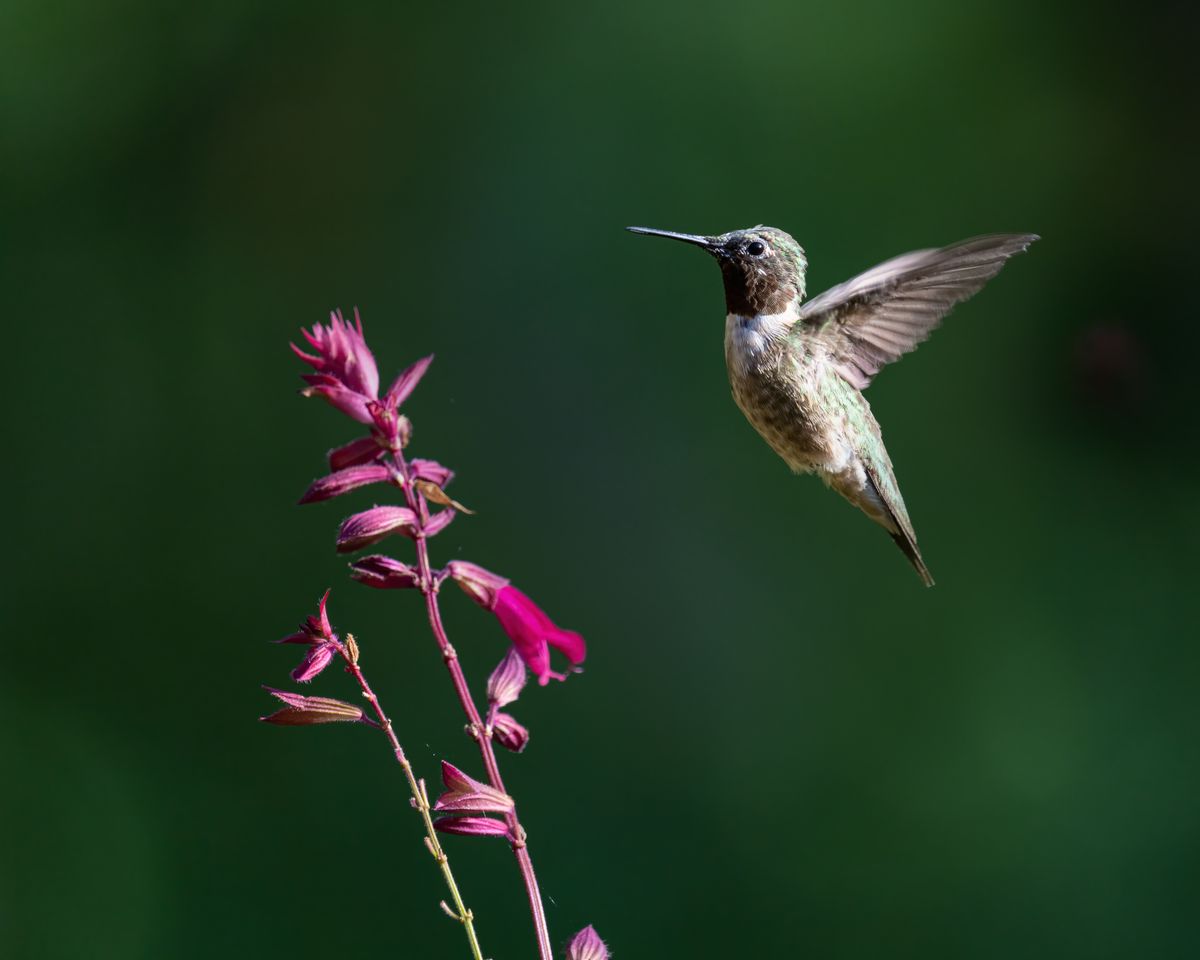
Photo by Skyler Ewing on Pexels
Follow these four steps to eliminate drips and keep your yard clean during summer heatwaves:
5 Hot-Weather Mistakes That Worsen Nectar Leaks
Avoid these frequent missteps that break feeder vacuum pressure and attract ants and wasps during summer heat:
Explore Related Summer Feeding Guides
Expand your backyard birding knowledge with these additional summer care topics:
- Protecting Glass Hummingbird Feeders During Heatwaves
- How to Clean and Maintain Hand-Blown Solar Hummingbird Feeders
- Best Ant Moats and Bee Guards for Summer Nectar Stations
Frequently Asked Questions About Hot-Weather Feeder Leaks
Got more questions about keeping your backyard feeders clean and functional in summer heat? We have answers.
Upgrade to a Leak-Proof Hand-Blown Glass Solar Feeder
If you are tired of sticky outdoor messes and cheap plastic feeders that leak in the sun, upgrade your yard with artistic brilliance and engineered leak prevention.
Next Steps for Your Garden Sanctuary
Your decision: Choose your long-term shade setup and maintenance routine.
Do this next: Hang your LUJII Solar Hummingbird Feeder in afternoon shade and fill to 95%+ with chilled nectar.
Related resource: Pest-Free Feeding: Keeping Bees, Wasps, and Ants Away from Nectar
🌟 LUJII Solar-Powered Hummingbird Feeder (32 oz Leak-Proof Hand-Blown Glass) 🌟
Ready to eliminate sticky summer leaks for good? Take control of your feeder setup today and give your resident hummingbirds the clean, fresh nectar they deserve.
Cover photo by Veronika Andrews on Pexels.