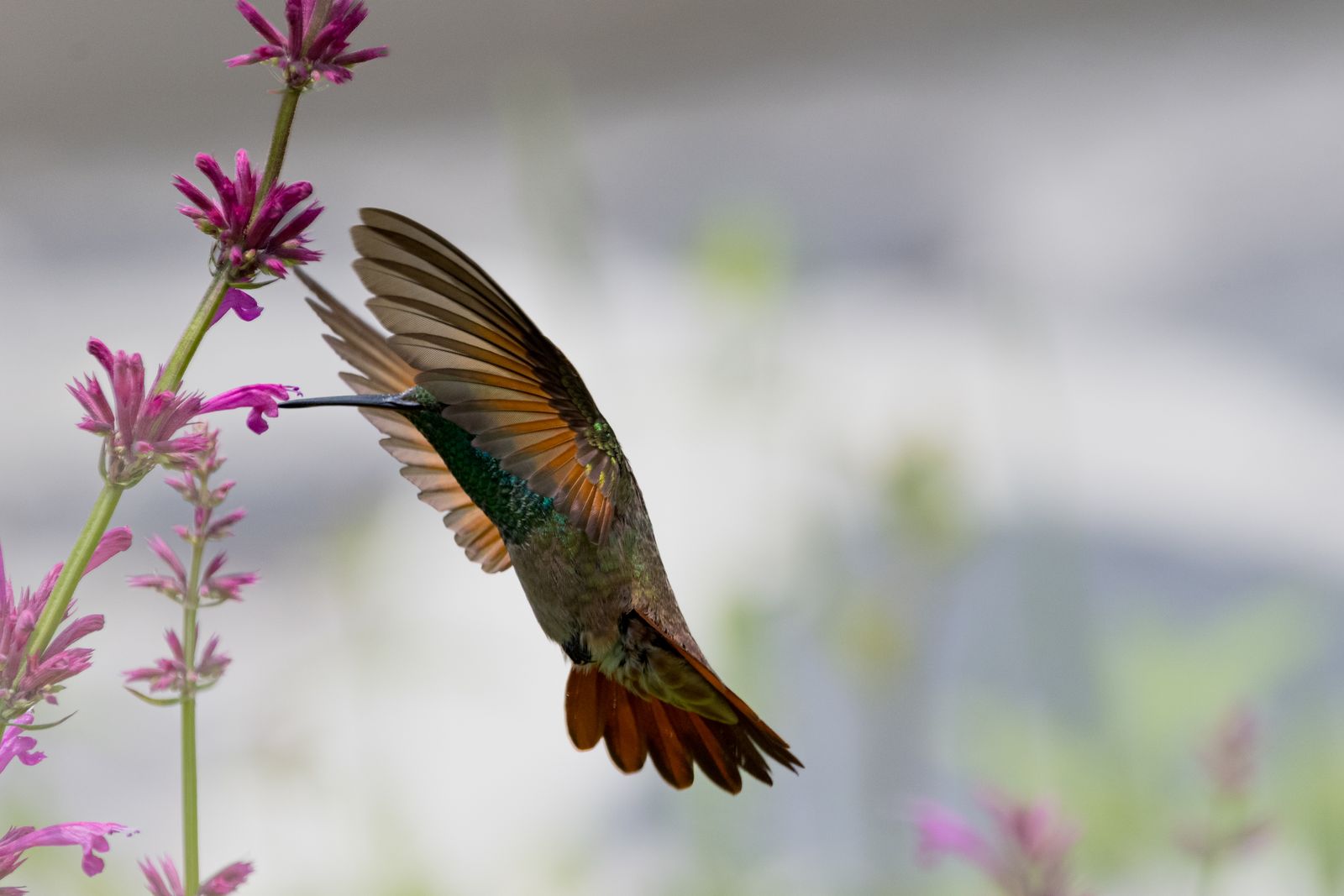
How to Stop Hummingbird Feeders From Leaking and Dripping in Summer Heat
To stop a hummingbird feeder from leaking in summer heat, fill it with cool nectar, invert it quickly over a sink to establish a vacuum seal, and hang it in complete shade. Avoid filling over 80% capacity during heatwaves to allow room for expanding trapped air without forcing nectar out.
Quick Diagnostic Flowchart: Stop the Drip in 4 Steps
- Is nectar dripping continuously or only during hot afternoons? → Yes: Go to Direct Heat & Thermal Expansion Path. No: Go to Assembly & Mechanical Seal Inspection Path.
- Direct Heat Path: Is the feeder hanging in direct sunlight or filled 100% to the brim? → Yes: Relocate feeder to 100% shade and reduce fill volume to 75-80% capacity to leave air expansion space.. No: Inspect base threads for dried syrup debris or unseated rubber sealing washers..
- Assembly Path: Was nectar poured while still warm, or are bottle threads sticky? → Yes: Cool syrup completely in the fridge, wipe threads dry with a clean cloth, and invert rapidly over a sink.. No: Check glass body for hairline cracks or evaluate wind sway exceeding 15 mph..
- Wind & Physics Path: Is heavy wind causing the feeder to tilt and submerge ports? → Yes: Move feeder to a wind-sheltered location or upgrade to a heavy hand-blown glass feeder with a weighted metal base.. No: Perform a swift 180-degree flip over the sink to re-establish the internal vacuum lock..
Summer Feeder Leak Troubleshooting Matrix
| Scenario / Symptom | Thermal Cause (Physics) | Quick DIY Fix | Permanent Prevention Strategy |
| --- | --- | --- | --- |
| Midday afternoon dripping despite no visible cracks | Solar radiation warms trapped air pocket above liquid, expanding gas and pushing nectar out feeding ports | Move feeder into 100% continuous shade immediately; drain 20% of nectar to leave expansion room | Use heavy hand-blown glass with strong air-cushion headspace and position under north-facing tree cover |
| Immediate steady stream of drips right after filling and hanging | Warm nectar pre-expanded air pocket inside bottle, preventing initial vacuum lock formation | Chill nectar in refrigerator before filling; wipe all threads dry and execute a swift 180° inversion flip over sink | Never fill feeder with warm or room-temperature syrup during hot weather |
| Rhythmic dripping on breezy or high-wind days | Wind gusts sway feeder past 15 degrees, repeatedly submerging internal air tubes or ports below nectar line | Hang feeder closer to building walls, porch roofs, or thick garden hedges that block prevailing wind | Upgrade to a heavy 32 fl. oz. hand-blown glass reservoir with a broad anti-rust metal base |
| Sticky nectar pooling around base threads and gasket rim | Microscopic sugar crystals or debris breaking hermetic seal between reservoir and base | Scrub threads and rubber gasket with warm water and soft brush; dry completely before screwing tight | Rinse and dry sealing threads during every single nectar refresh cycle |
Identify your specific leak symptom below to understand the thermal physics at play and apply immediate DIY corrections.
Recommended Solution: LUJII Sealed-Base Glass Feeder
If your current feeder suffers from warped plastic threads or inadequate sealing gaskets, upgrading to high-grade hardware solves summer leaks permanently. The LUJII Solar-Powered Hand-Blown Glass Hummingbird Feeder features a heavy 32 fl. oz. handcrafted glass reservoir mated to an anti-rust metal base with a precision silicone gasket.
Why It Resists Summer Leaks:
- Heavy Hand-Blown Glass: Thick, artisan-crafted glass insulates nectar against rapid thermal spikes far better than thin plastic.
- Precision Metal Base & Gasket: Hermetically seals bottle threads, preventing air leakage into the vacuum chamber.
- 32 fl. oz. High Headspace Capacity: Provides ample volume room to maintain a stable air expansion buffer.
- Integrated Solar RGB Lighting: Powers up to 8 hours of magical night illumination while shielding nectar from rain with a weatherproof cap.
Master Carver's Secret: The Rapid-Inversion Vacuum Technique
When setting up an inverted glass feeder, the exact physical technique used during the initial flip determines whether a vacuum seal forms successfully. Never tilt the feeder slowly! Turn the feeder upside down over a sink in one continuous, swift 180-degree fluid motion lasting less than half a second. A quick inversion causes 3 to 5 quick air bubbles to rise through the syrup into the top air space, immediately equalizing ambient pressure and establishing a powerful vacuum lock before a single drop hits your porch floor.
Heatwave Leak-Prevention Maintenance Checklist
- [ ] Cool sugar syrup completely to room temperature (or chill in fridge) before filling.
- [ ] Inspect rubber base gaskets and silicone seals for cracks, debris, or misalignment.
- [ ] Wipe bottle threads and base rim completely dry before screwing together to ensure airtight seal.
- [ ] Fill reservoir to 75-80% capacity maximum during 85°F+ heatwaves to leave expansion room.
- [ ] Perform a swift 180-degree inversion over the sink until initial bubble vacuum stabilizes.
- [ ] Hang feeder in continuous full shade protected from high wind gusts.
The Physics of Summer Feeder Leaks: Air Expansion Diagram
Understanding how gas expansion laws operate inside an inverted glass bottle explains why shade and fill levels are critical during summer.
Decision Tree: Repair Your Current Feeder vs. Upgrade Base
- Is your feeder leaking from the feeding ports during afternoon sun exposure? → Yes: Move feeder to full shade and reduce fill level to 75%. Did dripping stop after 2 hours?. No: Inspect the rubber seal gasket and threaded base junction.
- Shade & Headspace Test: Did shade placement and 25% air gap eliminate the dripping? → Yes: Your feeder structure is good! Maintain shade placement and fill to 75-80% capacity in hot weather.. No: Check for hairline cracks in the bottle or warped plastic base threads.
- Hardware Inspection: Is the plastic base cracked, warped, or missing a rubber seal gasket? → Yes: Hardware failure detected. Upgrade to a heavy hand-blown glass feeder with an anti-rust metal base.. No: Clean threads with warm water and white vinegar, then perform the rapid 180° flip technique over a sink.
Your Action Plan for Leak-Free Summer Feeding
Your decision: Decide whether your current feeder requires simple vacuum-fill adjustment and shade relocation or a structural replacement with a leak-proof metal-sealed base.
Do this next: Flush your feeder with cold water, mix fresh 4:1 sugar water, fill to 75% capacity, rapidly invert over a sink, and hang in 100% shade.
- Read next: How to Clean and Maintain Your Hand-Blown Solar Hummingbird Feeder
- Read next: Hand-Blown Glass vs. Plastic Hummingbird Feeders: Aesthetic, Durability, and Bird Attraction Compared
LUJII Solar-Powered Hand-Blown Glass Hummingbird Feeder with Sealed Metal Base (32 fl. oz.)
Take these concrete steps today to restore clean, waste-free hummingbird feeding in your yard.
Key Takeaways: Preventing Nectar Dripping in Summer
Keep these essential principles in mind to maintain leak-free feeders during extreme summer heatwaves.
Choosing a Summer-Proof Hummingbird Feeder
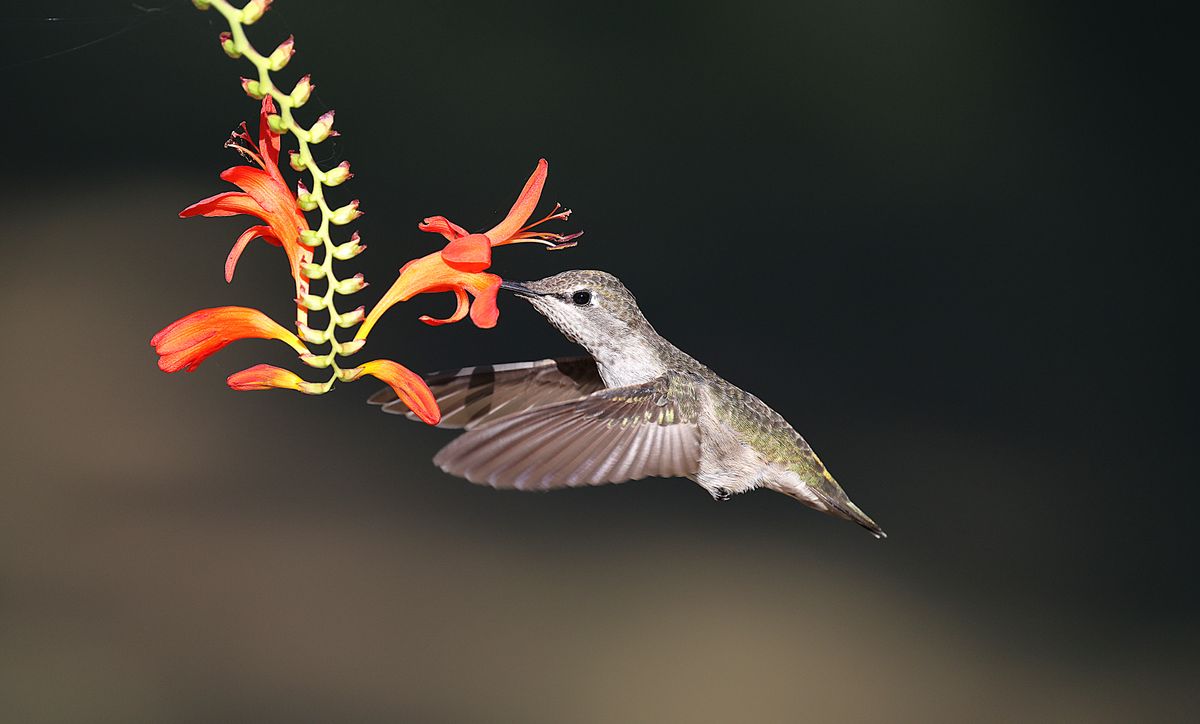
Photo by Veronika Andrews on Pexels
When troubleshooting summer leaks, determine if your feeder relies on an inverted vacuum reservoir or an unpressurized basin.
Best choice for
- Sealed-base glass inverted feeders filled to 70-80% with chilled syrup — Allows sufficient headspace cushion for expanding air while maintaining a strong rubber-gasket vacuum seal.
- Heavy hand-blown glass feeders with anti-rust metal bases — Added reservoir weight prevents tipping and port submersion spills caused by wind gusts.
- Thin plastic inverted feeders with unthreaded push-fit bases during heatwaves.
- Hanging feeders on unshaded south-facing metal poles without heat shields.
- Saucer/Dish Style Feeders — Nectar sits below feeding ports, eliminating pressure-driven leaks entirely, though capacity is generally smaller.
Featured Leak-Resistant Feeder: LUJII Hand-Blown Solar Feeder
For bird lovers seeking a combination of leak-resistant engineering, artistic beauty, and nighttime illumination, the LUJII Solar Feeder stands out.
- Generous 32 fl. oz. Capacity: Handcrafted by glass artists at 2,300°F, offering a translucent, colorful view of nectar levels.
- Sealed Anti-Rust Metal Base: Heavy metal construction with tight rubber gaskets prevents thread slippage and pressure loss.
- Solar-Powered RGB Ambient Glow: Automatically lights up for up to 8 hours at night after recharging, adding magical charm to your twilight garden.
- Weatherproof Protective Cap: Plastic solar cover shields nectar from harsh sunlight, rain, and snow.
Inverted Vacuum Feeders vs. Top-Fill Basin Feeders in Extreme Heat
| Feature / Scenario | Inverted Vacuum Feeder (e.g., Hand-Blown Glass) | Top-Fill Basin / Saucer Feeder |
| --- | --- | --- |
| High Heat Resistance (95°F+) | Requires 20% air gap and full shade to maintain vacuum seal | Immune to pressure expansion leaks; nectar sits in basin below ports |
| Capacity & Refill Frequency | Large capacity (up to 32 fl. oz.) requiring less frequent refills | Smaller capacity (typically 8-12 fl. oz.) requiring frequent top-offs |
| Visual Appeal & Night Ambience | Stunning hand-blown glass artwork with integrated RGB solar lighting | Basic plastic dish construction with minimal aesthetic depth |
| Wind & Motion Stability | Heavy glass weight (2.5+ lbs) resists wind sway and port flooding | Lightweight plastic sways easily, risking edge sloshing spills |
| Leak Prevention Mechanism | Hermetic rubber gasket seal combined with internal partial vacuum pressure | Open gravity channel with zero pressure dependence |
Compare structural feeder styles under high temperature conditions across key leak, capacity, and durability parameters.
5 Steps to Reset and Vacuum-Seal Your Feeder
Follow this step-by-step protocol to reset your feeder, establish a flawless vacuum lock, and eliminate drips.
7 Mistakes That Guarantee Your Feeder Will Drip in July
Avoid these common errors that break vacuum seals and waste homemade nectar during summer heatwaves.
Essential Hot-Weather Birding Guides
Explore additional guides to optimize your backyard hummingbird habitat and protect nectar freshness during summer:
- How to Clean and Maintain Your Hand-Blown Solar Hummingbird Feeder — Step-by-step sterilization methods that protect delicate hand-blown glass artwork and solar electronics.
- Hand-Blown Glass vs. Plastic Hummingbird Feeders — A detailed breakdown of thermal insulation, UV resistance, and bird attraction factors.
- Hot Weather Nectar Ratios: Keeping Sugar Water Fresh in Summer — Learn how heat impacts fermentation rates and safe boiling ratios.
Frequently Asked Questions About Dripping Feeders
Find clear, authoritative answers to common questions regarding summer feeder leaks, solar glass care, and garden cleanup.
Cover photo by Claudia Rodriguez Casas on Pexels.