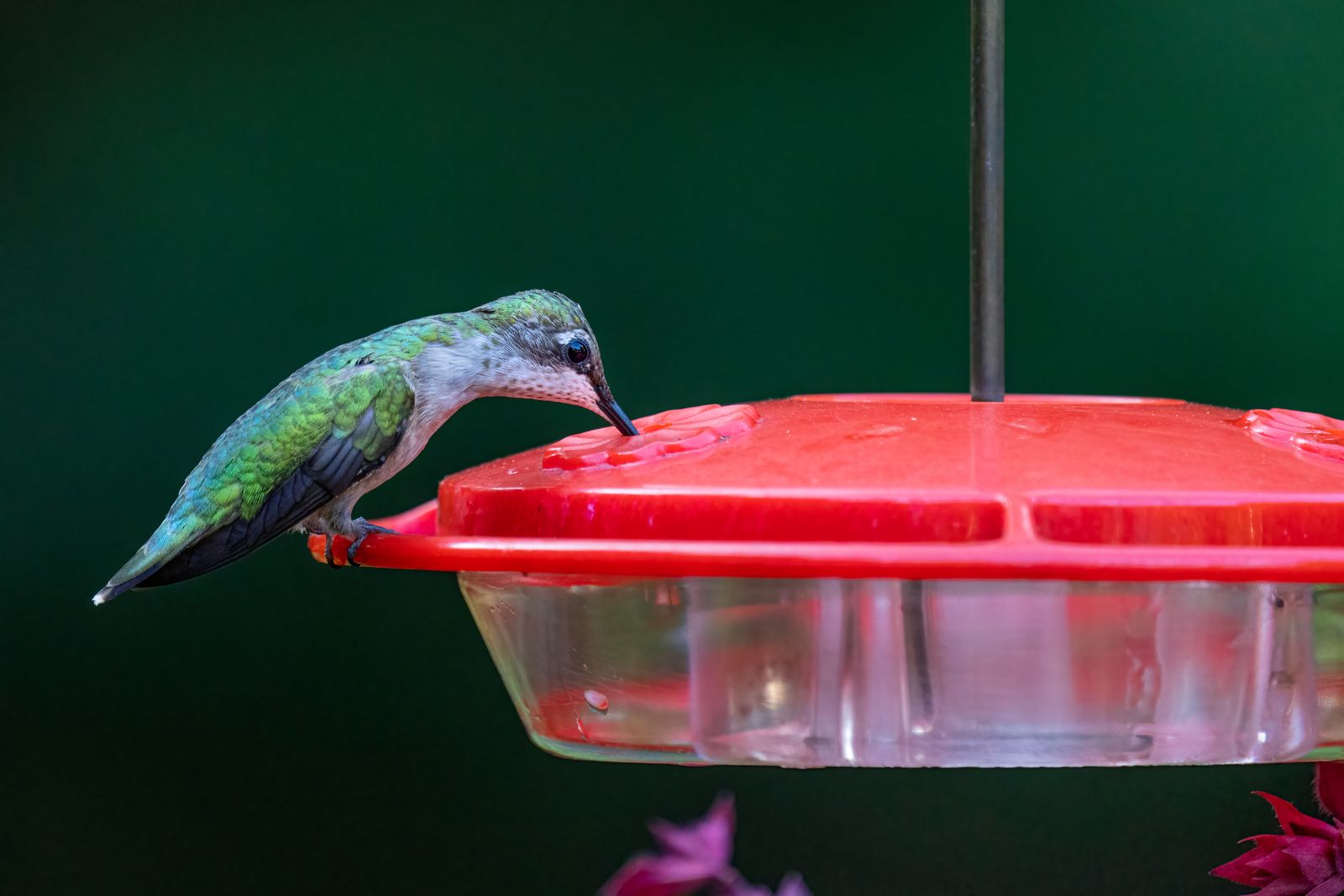
Homemade vs. Store-Bought Hummingbird Nectar: Glass-Safe Comparison
Homemade nectar prepared with pure refined white cane sugar and water (1:4 ratio) is drastically safer, cheaper, and better for hand-blown glass solar feeders than store-bought options. Commercial nectars frequently contain artificial dyes like Red #40 and chemical preservatives that endanger hummingbird health, clog delicate feeder ports, and permanently stain artisanal handcrafted glass reservoirs.
Criteria Comparison: Homemade Nectar vs. Commercial Formulas
| Criterion | Homemade Sugar Water (1:4) | Store-Bought Red Nectar (Powder/Liquid) | Store-Bought Clear Concentrate |
| --- | --- | --- |
| Avian Health & Safety | 100% Safe (Pure sucrose, no chemicals) | High Risk (Red Dye #40 linked to organ toxicity) | Moderate Risk (Contains synthetic preservatives) |
| Artisan Glass Impact | Zero Staining (Rinses completely clean) | Severe Staining (Dyes etch into porous glass crevices) | Moderate Film (Leaves preservative residue) |
| Cost Per Gallon | ~$0.35 - $0.50 per gallon | ~$8.00 - $14.00 per gallon | ~$6.00 - $10.00 per gallon |
| Prep & Clean Complexity | 2 Minutes (Mix 1 cup sugar + 4 cups water) | Instant mix, but requires heavy scrub cleaning | Instant mix, but leaves oily base residue |
| Attraction Efficiency | Maximum (Pure sucrose matches floral nectar) | Same as clear sugar water (Dye adds no value) | Matches pure sugar water |
When evaluating nectar options for your garden, criteria-based comparison reveals that simple homemade sugar water outperforms commercial pre-mixed solutions across avian safety, cost efficiency, and glass longevity.
Pros and Cons: Homemade Sugar Water vs. Commercial Concentrates
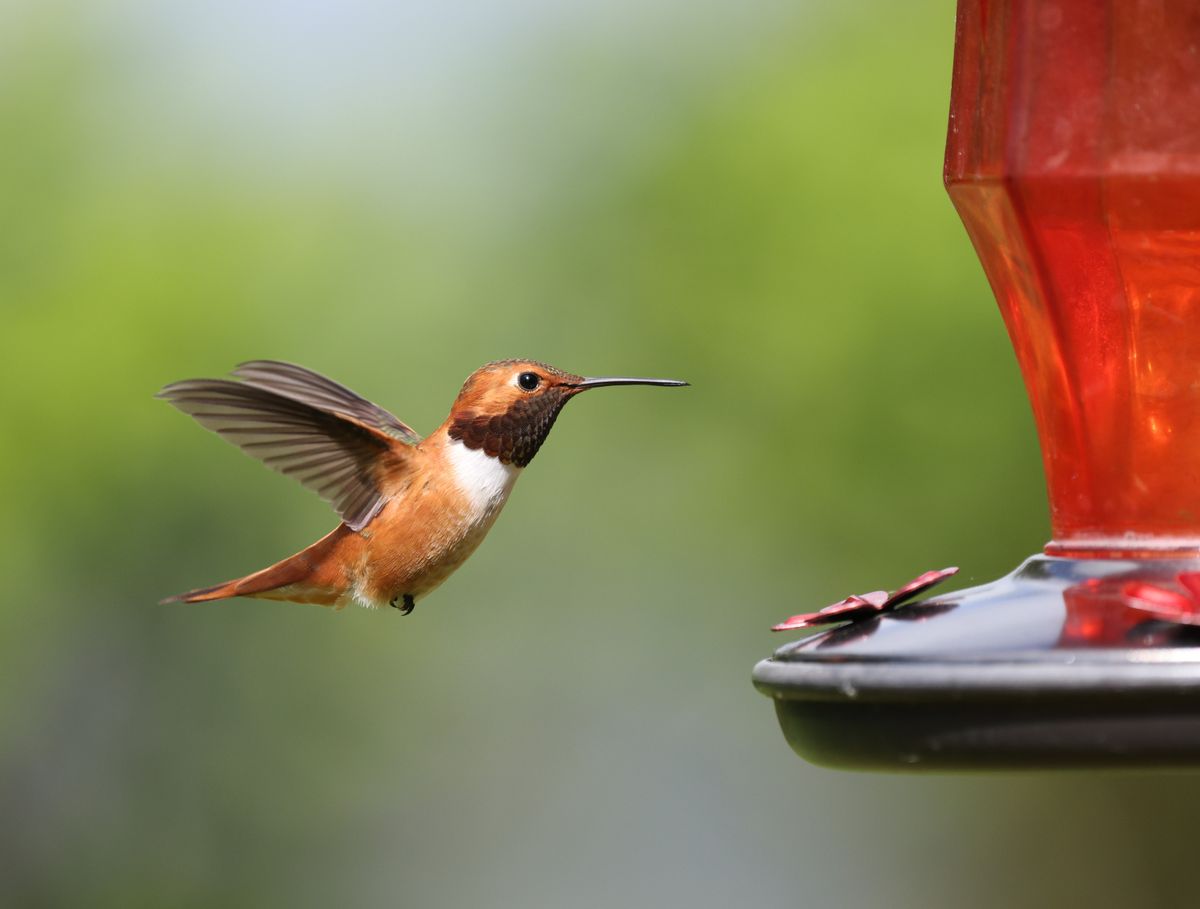
Photo by Veronika Andrews on Pexels
Pros
- Homemade 1:4 Sugar Water: Exactly mimics natural floral nectar composition (sucrose).
- Homemade 1:4 Sugar Water: Eliminates risk of Red Dye #40 liver and kidney toxicity in hummingbirds.
- Homemade 1:4 Sugar Water: Protects hand-blown glass reservoirs from micro-etching and stubborn discoloration.
- Homemade 1:4 Sugar Water: Costs pennies per refill, saving up to $50+ every summer season.
- Homemade 1:4 Sugar Water: Lacks artificial preservatives, requiring refills every 2–3 days in hot weather.
- Store-Bought Red Nectar: High risk of chemical staining on handcrafted glass features and solar bases.
- Store-Bought Nectar: Significantly higher cost per fl. oz. with zero added biological benefit.
Expert Tip: Water Purity & Boiling Rules for Artisan Glass Feeders
Always use pure refined white cane sugar (100% sucrose) mixed with boiled water. Boiling tap water drives off dissolved chlorine and destroys bacteria before nectar enters your feeder. Crucially, allow the mixture to cool to room temperature before pouring it into your hand-blown glass reservoir. Pouring hot liquid into hand-blown glass can cause thermal shock and crack the handcrafted glass walls.
The Gold Standard Nectar Recipe for Solar Glass Hummingbird Feeders
Safe 4:1 DIY Hummingbird Nectar Recipe
- Ingredients: 1 cup pure refined white table sugar + 4 cups filtered tap water.
- Instructions:
- Golden Rule: Never add red food dye, honey, brown sugar, or artificial sweeteners.
Interactive Tool: Nectar Batch & Cost Calculator
Use this interactive calculator specification to determine your exact sugar-to-water ratio for your feeder size and calculate your seasonal savings over store-bought alternatives.
Critical Nectar Mistakes That Harm Hummingbirds & Glass
Even well-meaning garden enthusiasts can fall into common nectar traps. Avoid these critical mistakes to keep your feathered visitors healthy and your feeder pristine:
Frequently Asked Questions About Hummingbird Nectar
Answers to high-intent questions regarding nectar safety, ingredient choices, and feeder maintenance.
Next Steps: Preparation & Immediate Actions
Your decision: Choose plain, dye-free homemade sugar water (1:4 ratio) over commercial store-bought nectars.
Do this next: Boil 4 cups of filtered water, mix in 1 cup of pure refined white cane sugar until dissolved, cool completely, and fill your 32 oz glass feeder.
- Read next: How to Make Safe DIY Hummingbird Nectar: The Ultimate 4:1 Recipe
Pair your clean homemade nectar with the LUJII Hand-Blown Glass Solar Hummingbird Feeder for easy monitoring and vibrant dusk illumination.
Take these simple steps today to ensure safe feeding for your hummingbirds and preserve your artisan feeder.
Summary Takeaways for Bird Enthusiasts
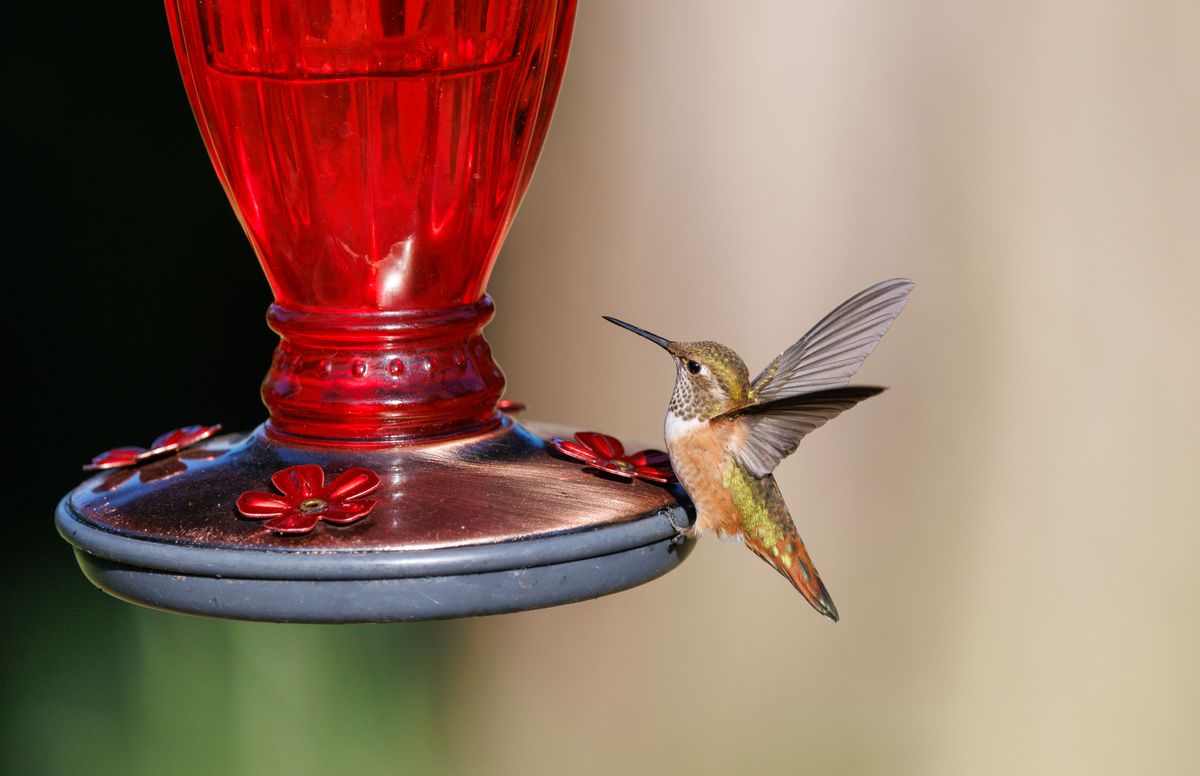
Photo by Veronika Andrews on Pexels
Core points to keep in mind when preparing nectar for your garden feeders:
Decision Support Matrix: Matching Nectar to Your Setup
Homemade nectar made from 1 part refined white sugar and 4 parts pure water is superior to all store-bought options in avian safety, affordability, and feeder cleanliness.
Best choice for
- Homemade 1:4 Refined White Sugar Water — Leaves zero chemical or dye residue, preserves hand-blown glass, costs pennies, and replicates floral sucrose.
- Commercial liquid concentrates containing Red Dye #40
- Store-bought nectars with added vitamins, flavorings, or preservatives
- Homemade mixtures using honey, brown sugar, raw cane sugar, or artificial sweeteners
- Cold-Stirred Filtered Sugar Water (Emergency Short-Cut) — If boiling is impossible, mix white sugar into room-temperature filtered water until completely dissolved. Change within 48 hours.
Real-World Nectar Scenarios & Field Solutions
Extreme Summer Heatwave (Above 90°F) — High ambient heat accelerates nectar fermentation in glass reservoirs. Fill your 32 oz feeder half-full and change nectar daily with fresh, cool 1:4 sugar water.
Going on Vacation for a Week — Do not leave nectar in solar glass feeders in direct sunlight while away. Empty and rinse the feeder before leaving, or ask a neighbor to change nectar every 3 days.
Twilight Viewing with RGB Solar Lights — Hummingbirds feed actively right before dusk. Clear homemade nectar in a hand-blown glass feeder allows the solar RGB lights to project vibrant patterns without murky liquid distortion.
Practical solutions for common garden situations, summer weather challenges, and evening solar feeder display.
To understand why simple homemade white sugar water is vastly superior to commercial store-bought concoctions, we must examine hummingbird physiology. In nature, hummingbirds feed on floral nectar, which consists almost entirely of water and sucrose, with small amounts of glucose and fructose. Their metabolism is among the most intense in the animal kingdom; their hearts beat up to 1,260 times per minute, requiring clean, quick-burning carbohydrate energy.
The Hidden Dangers of Commercial Additives and Red Dye #40
Commercial nectar manufacturers frequently add synthetic vitamins, chemical preservatives, and artificial food coloring—most notably Allura Red (Red Dye #40)—to create shelf-stable, visually striking products. However, hummingbirds do not require added vitamins in their liquid diet. They obtain all necessary proteins, fats, and minerals by consuming small soft-bodied insects and spiders.When hummingbirds ingest artificial Red Dye #40, their tiny liver and renal systems are forced to process petroleum-derived synthetic compounds. Wildlife rehabilitation studies indicate that long-term ingestion of synthetic dyes is associated with hepatic enlargement, kidney dysfunction, bill deformities, and eggshell thinning. Furthermore, red-dyed nectar is entirely unnecessary: hummingbirds are attracted to the vibrant colors of feeder hardware and the iridescent light of hand-blown glass solar hummingbird feeders, not the color of the fluid inside.
Protecting Handcrafted Artisan Glass
Beyond bird health, commercial nectars harm high-end garden decor. Hand-blown glass reservoirs are crafted at temperatures reaching 2,300°F, creating distinct color swirls and delicate micro-textures. Red dyes and oily preservatives in store-bought products penetrate these fine glass crevices, leaving stubborn cloudy residues that obscure light transmission. In contrast, clear 1:4 safe 4:1 DIY nectar recipe rinses clean with warm water and vinegar, maintaining crystal transparency so you can easily monitor liquid levels and enjoy the ambient evening glow of your solar feeder.Related Guides & Nectar Safety Resources
- How to Make Safe DIY Hummingbird Nectar: The Ultimate 4:1 Recipe
- Hot Weather Nectar Ratios: How to Keep Hummingbird Food Fresh in Summer
- Twilight Nectar Care FAQ: Does Nighttime Solar Light Affect Nectar Freshness?
Recommended Hand-Blown Solar Glass Hummingbird Feeders
Pair your clean, dye-free homemade sugar water with an artisan solar feeder designed for easy cleaning and stunning night lighting.
Summary & Final Action Steps
Your decision: Choose plain, dye-free homemade sugar water (1:4 ratio) over commercial store-bought nectars.
Do this next: Boil 4 cups of filtered water, mix in 1 cup of pure refined white cane sugar until dissolved, cool completely, and fill your 32 oz glass feeder.
- Read next: How to Make Safe DIY Hummingbird Nectar: The Ultimate 4:1 Recipe
Pair your clean homemade nectar with the LUJII Hand-Blown Glass Solar Hummingbird Feeder for easy monitoring and vibrant dusk illumination.
Follow this simple routine to keep your hummingbirds thriving and your garden glowing every evening.
Cover photo by Skyler Ewing on Pexels.