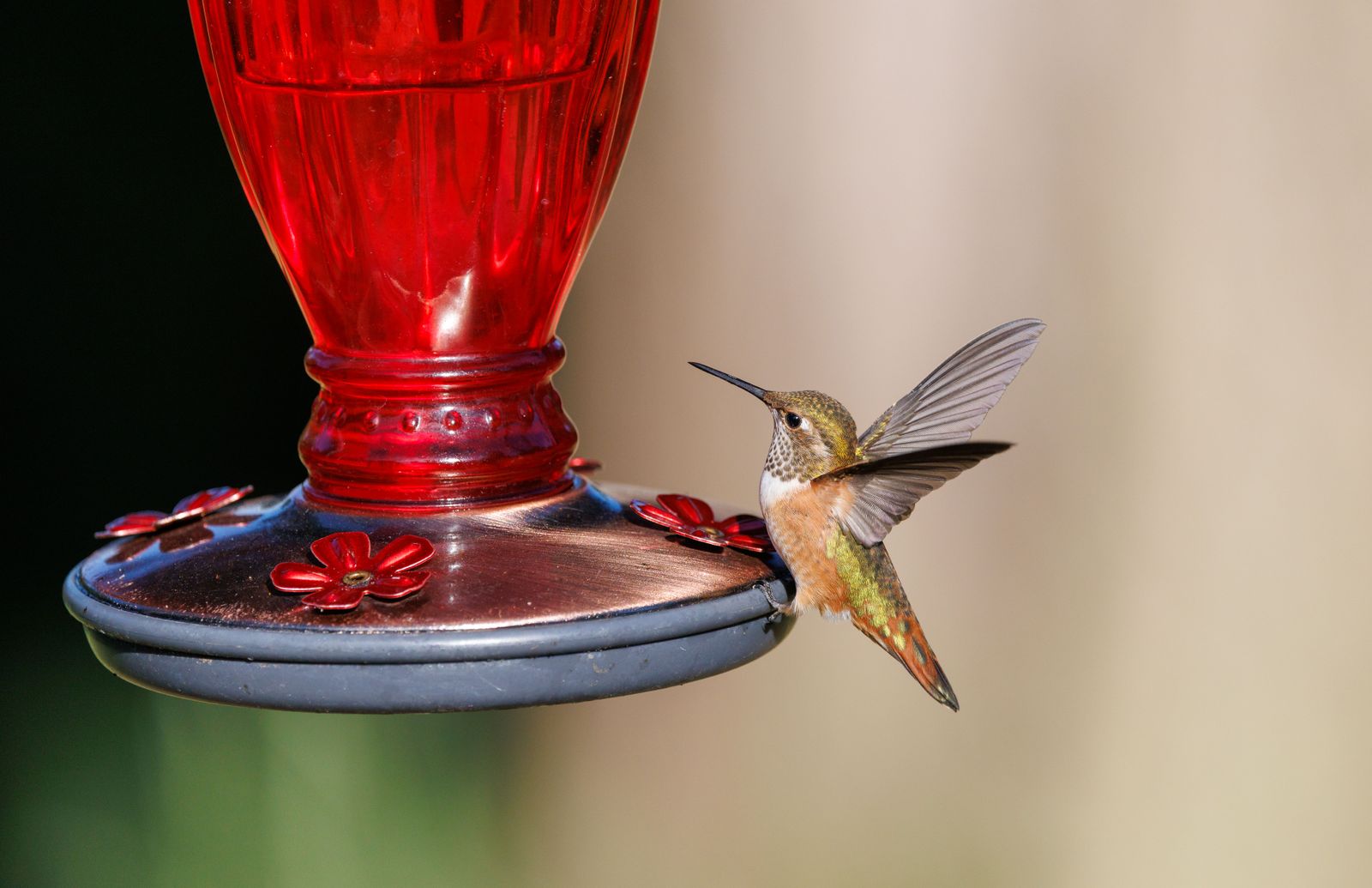
Is Red Dye Safe for Hummingbirds? Scientific Facts, Avian Risks & Safe DIY Nectar Guide
Should you use red dye in hummingbird nectar? No, red dye is not safe for hummingbirds. Synthetic colorants like Red Dye #40 accumulate in tiny avian organs, causing severe kidney strain, liver stress, and cellular toxicity. Because hummingbirds are attracted to the visual color of the feeder body—not the liquid—red dye is completely unnecessary.
Chemical vs. Natural Nectar Attraction Matrix
| Evaluation Criteria | Store-Bought Red Dye Nectar | Clear DIY Nectar + Vibrant Glass Feeder |
| --- | --- | --- |
| | | |
| | | |
| | | |
| | | |
Comparing artificial red dye formulations against clear sucrose solution paired with natural glass feeder visual cues.
Visualizing Avian Digestion vs. Chemical Accumulation
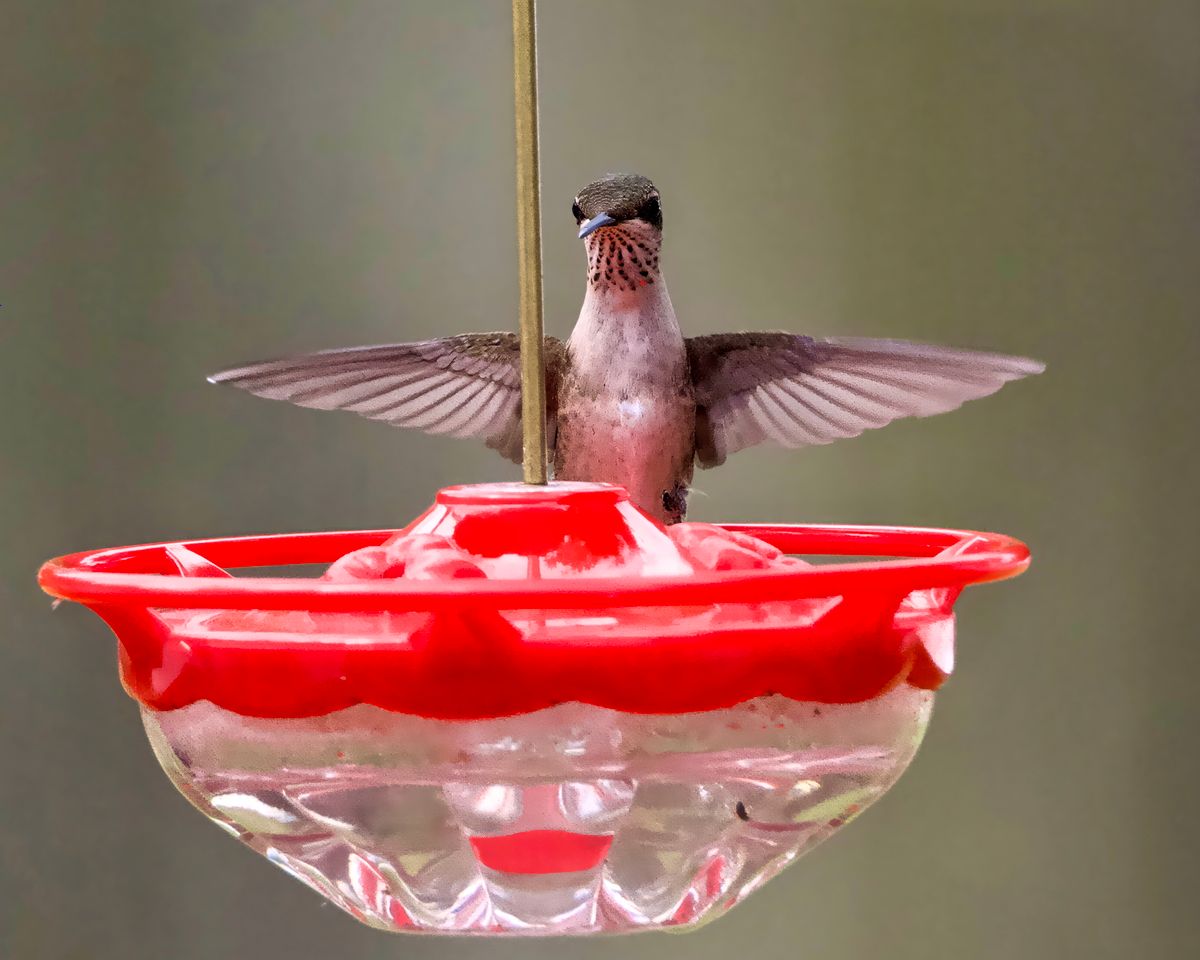
Photo by A. G. Rosales on Pexels
This schematic illustrates how clear sucrose is efficiently converted into metabolic energy, whereas synthetic dye molecules overload wild avian filtration organs.
Avian Rehabilitator Advice on Nectar Safety
> Wildlife Specialist Insight: "Hummingbirds drink up to double their body weight in nectar every single day. If that nectar contains synthetic petroleum dyes like Red Dye #40, their tiny 3-gram bodies absorb a massive chemical dose relative to their weight. Always use clear sugar water—1 part pure white cane sugar to 4 parts water. To attract them, let your feeder casing do the visual work, never the food inside."
Immediate Safe Nectar Action Plan
Your decision: Stop using red-dyed commercial nectar immediately and switch to a pure, clear 4:1 homemade white cane sugar solution.
Do this next: Dump any existing red nectar, scrub your feeder with hot water and white vinegar, and refill with clear, boiled 4:1 sucrose solution.
- Read next: How to Make Safe DIY Hummingbird Nectar: The Ultimate 4:1 Recipe
LUJII Hand-Blown Solar Hummingbird Feeder (32 oz Leak-Proof Glass)
Follow these simple steps to eliminate dye risks from your garden immediately:
Frequently Asked Questions About Nectar Dyes & Bird Health
Common questions regarding safe sugars, tap water usage, and transitioning away from dyed solutions.
Core Takeaways for Hummingbird Caregivers
Key rules every backyard bird enthusiast should follow to keep hummingbirds healthy and thriving:
Choosing the Right Nectar Strategy for Your Garden
Never use artificial red dye, honey, or unrefined sugars in hummingbird feeders. Use clear 4:1 refined white sugar solution and rely on colorful feeder bodies to attract hummingbirds.
Best choice for
- 4:1 Refined White Sugar & Water Solution — Matches natural flower nectar osmotic concentration without taxing avian kidneys.
- Hand-Blown Colorful Glass Solar Feeders — Provides bright red/purple visual cues permanently built into the non-leaching glass body.
- Commercial red-dyed pre-mixed liquid nectar or red powders containing Red Dye #40 (Allura Red AC)
- Organic raw sugar, turbinado sugar, or brown sugar high in toxic iron content
- Honey or artificial sweeteners that cause deadly fungal infections or starvation
- Clear Homemade Sucrose Solution — Cost-effective, 100% safe, and perfectly mimics real flora nectar.
- Vibrant Red Solar Lighted Feeders — Offers natural day visual signals plus soft evening LED ambient light without altering nectar.
To understand why red food coloring is dangerous to hummingbirds, one must examine the extraordinary physiology of these tiny avian marvels. A ruby-throated or Anna's hummingbird weighs between 2.5 and 4.5 grams—roughly the weight of a single U.S. copper penny. To support a heart rate that can exceed 1,200 beats per minute and wing beats averaging 50 to 80 strokes per second, hummingbirds possess the highest mass-specific metabolic rate of any warm-blooded animal on Earth.
To fuel this high-octane motor, a hummingbird consumes its own body weight in floral nectar and water every single day. When a human drinks a beverage with artificial food coloring, the chemical density relative to body mass is microscopic. However, if a hummingbird drinks synthetic red liquid all day, it ingests a massive proportional dosage of FD&C Red No. 40 (Allura Red AC)—a petroleum-derived coal-tar azo dye.
Avian Hepatic & Renal Overload
Unlike mammals, wild birds lack complex liver enzymes capable of rapidly detoxifying concentrated synthetic dyes. The kidneys of a hummingbird are adapted to process enormous fluid volumes to prevent dehydration while extracting pure sucrose. When artificial dye molecules enter the bloodstream:How Color Attraction Actually Works
A widespread misconception in backyard birding is that hummingbirds search for red liquid. In nature, floral nectar produced by fuchsias, trumpet creepers, and salvia is crystal clear. Hummingbirds possess specialized tetrachromatic vision, featuring a fourth cone photoreceptor sensitive to ultraviolet light, along with retinal oil droplets that sharpen spectral contrast in the red and orange wavelengths.Hummingbirds scan the landscape for vibrant outer visual targets—specifically red, magenta, and bright orange flower petals. Once they locate a colorful flower or feeder structure, they insert their long bill into the flower base to drink clear fluid. The color of the fluid inside is entirely irrelevant to their foraging radar.
By hanging a feeder crafted from vibrant hand-blown glass, you provide a brilliant visual lighthouse across the yard. The optical brilliance of handcrafted glass at 2,300°F creates multi-dimensional color reflection without ever exposing the birds to harmful chemical additives.
Red Dye Myths vs. Scientific Facts Comparison
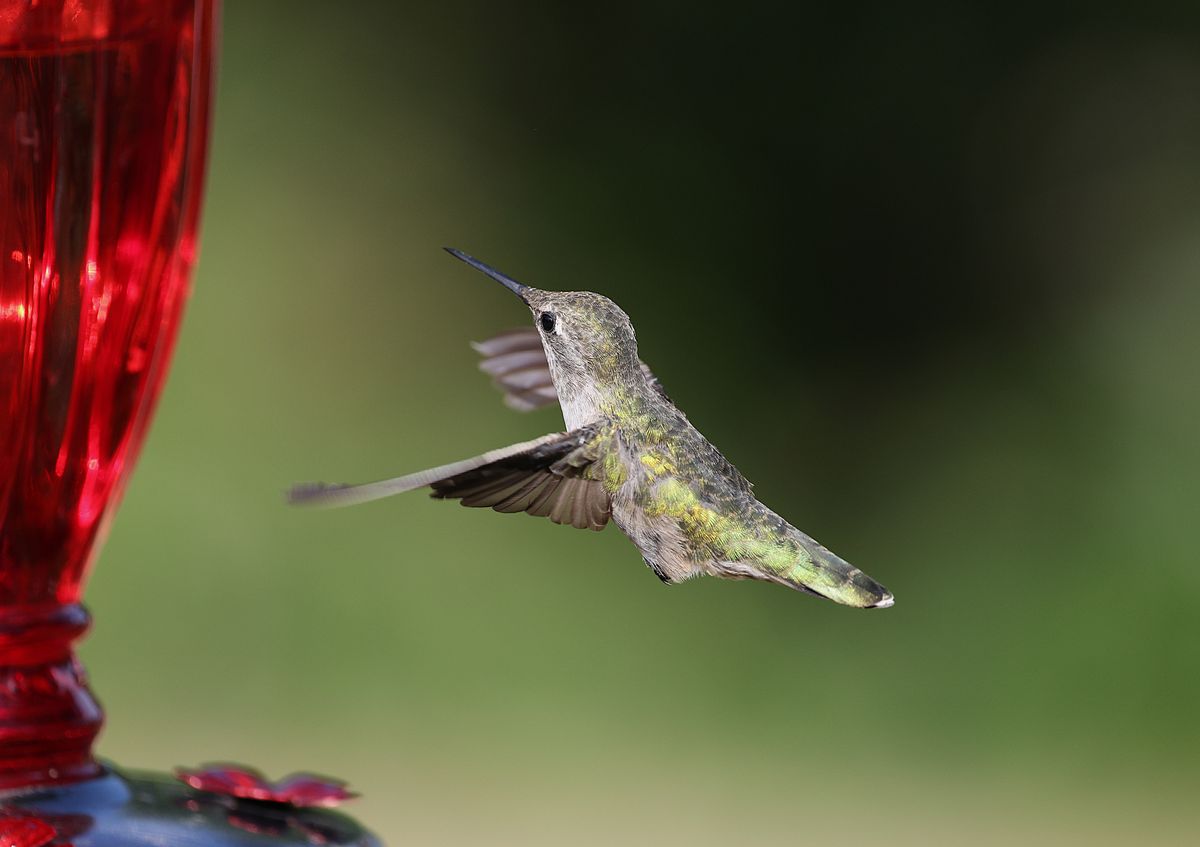
Photo by Veronika Andrews on Pexels
| Evaluation Criteria | Popular Myth / Marketing Claim | Scientific Reality & Avian Impact |
| --- | --- | --- |
| | | |
| | | |
| | | |
| | | |
Evaluating popular commercial claims against published ornithological research.
Critical Feeding Failure Modes to Avoid
Leading with the most dangerous feeding mistakes that backyard bird lovers make:
Further Nectar Preparation & Garden Guides
- How to Make Safe DIY Hummingbird Nectar: The Ultimate 4:1 Recipe
- Hot Weather Nectar Ratios: How to Keep Hummingbird Food Fresh in Summer
Safe, Naturally Vibrant Feeders for Your Backyard
Eliminate the need for red dye while enhancing your garden aesthetic with artisan solar glass feeders:
Your Complete Action Plan for Safe Feeding
Your decision: Transition to clean, clear 4:1 homemade sucrose nectar and pair it with a naturally vibrant glass feeder body.
Do this next: Flush existing feeders, mix a fresh batch of 4:1 clear white sugar nectar using boiled water, and explore naturally illuminated glass feeders to attract birds day and night.
- Read next: Best Illuminated Feeders for Twilight Garden Decor: Solar RGB Glass vs. Standard Feeders
LUJII Hand-Blown Solar Hummingbird Feeder — The Safe & Magical Garden Upgrade
Take these quick steps today to give your garden visitors the cleanest, safest feeding experience possible:
Cover photo by Veronika Andrews on Pexels.