Early Spring Hummingbird Nectar Ratio & Cold Weather Care Guide
Should you adjust your hummingbird nectar ratio during early spring cold snaps? Yes. When overnight temperatures dip below 40°F, switch to a richer 3:1 water-to-sugar ratio (1 cup white sugar to 3 cups water). This provides crucial high-calorie energy for exhausted migrating hummingbirds while lowering the liquid's freezing point to roughly 27°F, preventing rapid feeder icing.
Early Spring Feeder Prep & Freeze Protection Checklist
- [ ] Inspect glass reservoir for hairline fractures caused by winter storage or thermal shocks.
- [ ] Check metal base and port seals for tight anti-leak fit and ensure no rust spots.
- [ ] Examine solar cap panel and clean lens with a soft microfiber cloth for maximum spring light absorption.
- [ ] Sanitize feeder completely using a 1:4 white vinegar-to-water solution; rinse thoroughly with warm water.
- [ ] Mix cold-weather nectar ratio (3:1 for sub-40°F forecasts; 4:1 for mild weather) using refined white sugar.
- [ ] Allow boiled nectar solution to cool completely to room temperature before pouring into glass reservoir.
- [ ] Establish a nightly routine to bring feeders indoors if temperatures are forecasted to drop below 27°F.
Printable Spring Feeder Care & Ratio Quick Reference
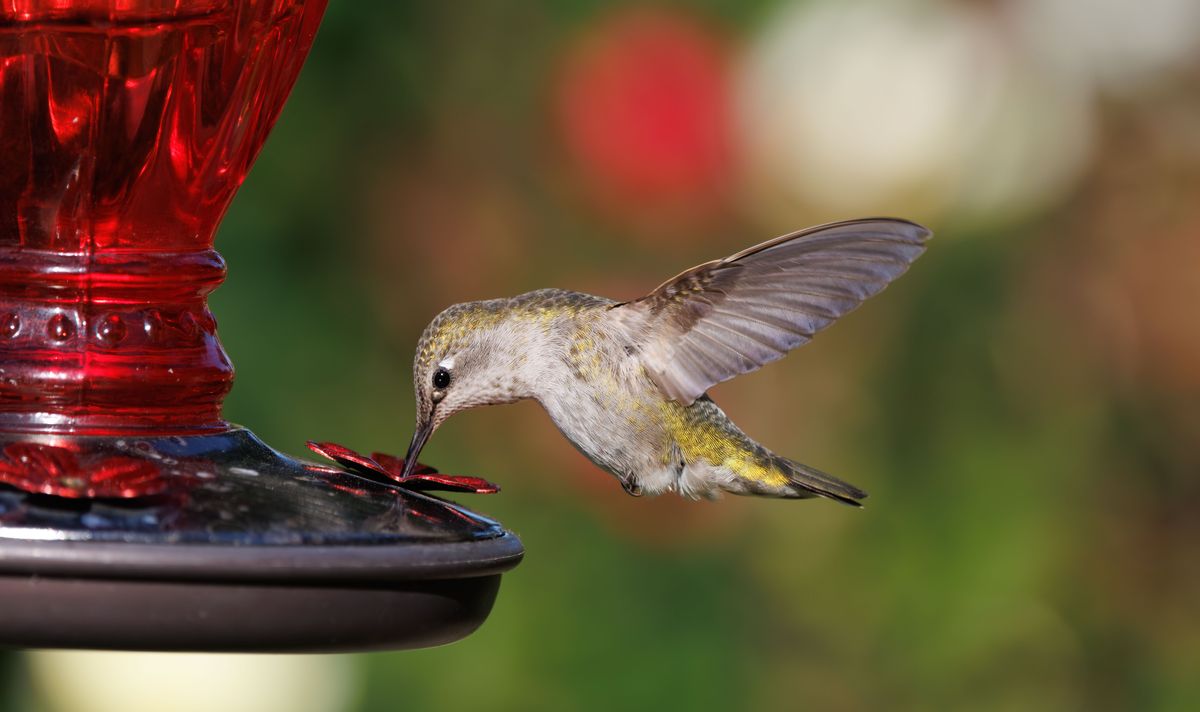
Photo by Veronika Andrews on Pexels
- Standard Spring Nectar: 4 parts water to 1 part refined white sugar (4:1 ratio).
- Cold-Snap Nectar (<40°F): 3 parts water to 1 part refined white sugar (3:1 ratio).
- Thermal Shock Rule: Never pour warm liquid into a cold hand-blown glass reservoir.
- Hard Freeze Rule (<27°F): Bring glass feeders inside at dusk; rehang before dawn.
- Cleaning Frequency: Wash every 4-5 days under 50°F; every 2-3 days between 50°F-65°F.
- Solar Charging: Clean top solar cell monthly for optimal dusk RGB lighting.
Pro Tip: Safeguarding Hand-Blown Glass Feeders Against Thermal Shock
Hand-blown glass crafted at 2,300 degrees Fahrenheit possesses remarkable durability and artistic elegance, but rapid temperature shifts remain its single greatest vulnerability. Never pour warm or hot nectar directly into a chilly glass reservoir, as the abrupt temperature differential causes micro-fractures or catastrophic cracking. Always let freshly boiled nectar cool fully to room temperature (68°F–72°F) before pouring. Similarly, when bringing an icy feeder inside on a cold evening, allow the glass to adjust to room temperature naturally before washing it with warm water.
Immediate Setup Actions for Early Migration
Your decision: Determine your 10-day local forecast to choose between a 3:1 cold-snap boost or standard 4:1 spring baseline.
Do this next: Inspect your hand-blown glass feeder, test the solar charging cap under direct sunlight, and hang your station 2 weeks before regional arrival dates.
Related resource: Download our free Printable Spring Feeder Maintenance Log and Sugar Ratio Sheet.Upgrade to the LUJII Solar-Powered Hand-Blown Glass Feeder to combine artisan beauty with dusk LED illumination for early arrivals.
Follow these practical steps to get your station ready for early spring scouts.
Essential Early Spring Nectar & Care Takeaways
Summarizing the vital rules for protecting early arriving hummingbirds and keeping feeder hardware operational through early frosts.
Spring Temperature-Based Nectar Refresh Schedule
- Sub-Freezing Nights (27°F to 35°F) — Bring glass feeders indoors at dusk after solar lights illuminate. Rehang at dawn filled with 3:1 nectar solution.
- Cool Spring Days (36°F to 50°F) — Refresh 3:1 or 4:1 nectar every 4 to 5 days. Rinse base thoroughly with warm water during refills.
- Moderate Spring Days (51°F to 65°F) — Refresh 4:1 nectar every 3 days. Clean ports and check metal base seal for any accumulated residue.
- Warm Late-Spring Days (66°F+) — Refresh 4:1 nectar every 2 days. Perform a full vinegar sanitize weekly to eliminate early yeast spores.
Nectar Sugar Ratio & Temperature Freezing Threshold Matrix
| Scenario / Ambient Temperature | Recommended Sugar-to-Water Ratio | Measurements for 32 fl. oz. Feeder | Calculated Freezing Point | Primary Seasonal Benefit |
| --- | --- | --- | --- | --- |
| Early Spring Frosts & Cold Snaps (28°F to 38°F) | 3:1 (High Density) | 1 cup refined sugar + 3 cups water | ~27.0°F (-2.8°C) | Provides vital torpor recovery calories and resists overnight slush formation. |
| Mild Spring Weather (39°F to 55°F) | 3.5:1 (Moderate Boost) | 0.85 cup refined sugar + 3 cups water | ~29.5°F (-1.4°C) | Offers extra energy for migrating scouts navigating windy spring afternoons. |
| Standard Seasonal Baseline (56°F to 75°F) | 4:1 (Standard Baseline) | 0.75 cup refined sugar + 3 cups water | ~30.5°F (-0.8°C) | Perfectly replicates natural floral nectar concentrations found in spring blossoms. |
| Dilute Warm Weather Setup (Unusually Warm Days 76°F+) | 5:1 (Hydration Focus) | 0.6 cup refined sugar + 3 cups water | ~31.2°F (-0.4°C) | Prevents rapid bird dehydration during unexpected early spring heat spells. |
Understand how sugar concentration alters freezing thresholds and caloric density for spring migrants.
Choosing the Right Cold-Snap Nectar Strategy
When overnight temperatures drop below 40°F, switching from a standard 4:1 ratio to a 3:1 high-calorie ratio provides critical survival energy and depresses the liquid freezing point to roughly 27°F.
Best choice for
- 3:1 Nectar Ratio (1 cup sugar to 3 cups water) — Offers extra calories to fuel torpor recovery and lowers freezing point without over-hydrating birds.
- 4:1 Standard Nectar Ratio (1 cup sugar to 4 cups water) — Mimics natural flower nectar concentration and prevents rapid dehydration during warmer days.
- Never mix stronger than a 3:1 ratio (e.g., 2:1), as excessively dense sugar water can cause liver or kidney stress in hummingbirds.
- Never leave nectar out past 5 days even in cold weather, as mold spore colonization occurs despite low temperatures.
- Nightly Feeder Removal — Bring hand-blown glass feeders indoors at dusk to prevent thermal cracking and liquid freezing, hanging them back out before dawn.
Recommended Gear for Early Spring Feeding
Elevate your early spring garden with handcrafted art that supports wildlife during critical migration months.
When early spring migrants arrive, they face dark, chilly evenings and uncertain food sources. The LUJII Solar-Powered Hand-Blown Glass Hummingbird Feeder combines centuries-old artisan craftsmanship with modern solar technology to support early arrivals.
Hand-Blown Glass Craftsmanship & Generous Capacity
Each glass reservoir is individually handcrafted by glass artists shaping molten material at 2,300 degrees Fahrenheit. The vibrant, translucent patterns allow you to monitor nectar levels at a glance. Featuring a full 32 fl. oz capacity, its slender silhouette and sealed base design minimize drips and spills during windy spring days.Automatic Dusk RGB Lighting & Solar Efficiency
The top-mounted plastic solar cap shields nectar against direct sunlight, rain, and snow while charging during daylight hours. At dusk, the built-in solar light automatically activates, casting a gentle RGB glow across your garden for up to 8 hours. This subtle illumination helps late-arriving migrants locate your feeder on overcast early spring evenings while creating a magical atmosphere in your yard.Weatherproof Metal Base & Leak-Proof Mechanics
Equipped with a powder-coated, anti-rust metal base, this feeder withstands damp spring weather. The precision-sealed mechanical base prevents nectar leakage, keeping crawling pests at bay and conserving your cold-weather sugar solution.Ready to welcome spring's first arriving hummingbirds? Explore our handcrafted LUJII Solar Hummingbird Feeders to combine radiant hand-blown glass art with automatic dusk lighting!
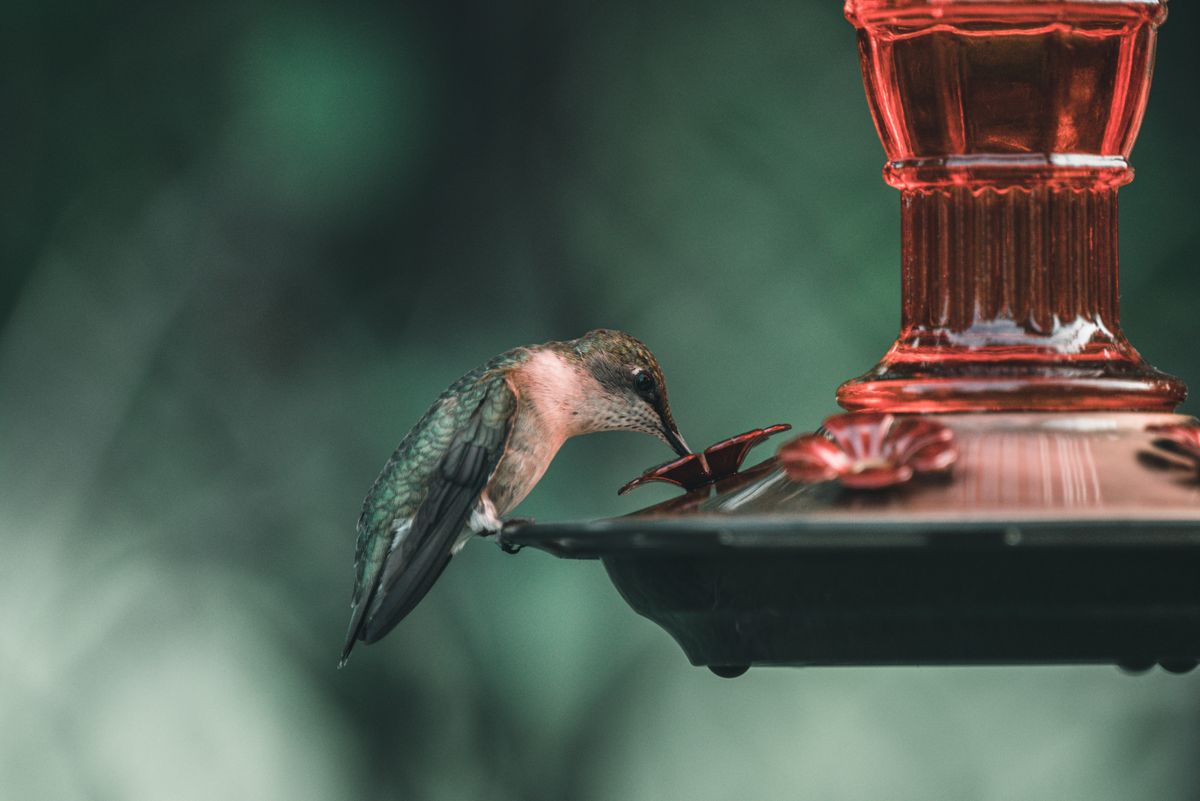
LUJII Solar Hand-Blown Glass Feeder Spring Thermal Specifications
| Component | Material Construction | Thermal / Weather Resistance | Spring Maintenance Guidance |
| --- | --- | --- | --- |
| Artisan Reservoir | Hand-Blown Translucent Glass (2,300°F Process) | Resilient against standard freeze thaw cycles; sensitive to rapid thermal shock (>40°F delta). | Cool all nectar solutions to room temperature before filling. Do not wash cold glass in hot water. |
| Solar Protection Cap | Weatherproof Polycarbonate Cap with Solar Cell | IP65 waterproof rating against rain, heavy sleet, and wet spring snow. | Wipe top solar glass panel monthly with a microfiber cloth to maintain peak battery charging. |
| Base Assembly | Powder-Coated Anti-Rust Metal Base | Corrosion-resistant formulation withstands damp spring humidity and morning frost. | Inspect rubber sealing ring annually to guarantee a 100% leak-proof vacuum connection. |
| Lighting Module | Multi-Mode Solar RGB LED (Auto Dusk Sensor) | Operates reliably in temperatures down to -4°F (-20°C). | Ensure panel receives 6 hours of direct spring sunlight for 8 hours of evening illumination. |
Review the material specifications and operating thresholds of our artisan glass feeder.
Fatal Early Spring Feeding Failure Modes to Avoid
Avoid these critical operational mistakes that threaten bird health or risk damaging handcrafted glass feeders during cold weather transitions.
Early Spring Migration Arrival & Feeder Readiness Timeline
- Late February (2-3 Weeks Before First Arrival) — Unpack hand-blown glass feeder. Inspect glass integrity, test solar charging unit in sunny window, and sanitize metal base.
- Early March (1 Week Before First Arrival) — Hang feeder in a sheltered, sunny location protected from harsh north spring winds. Fill with standard 4:1 or 3:1 nectar.
- Mid-March to April (First Migration Peak) — Monitor daily overnight low forecasts. Implement 3:1 high-calorie nectar recipe during unexpected frost warnings.
- Late April (Established Nesting Season) — Transition back to standard 4:1 nectar ratio as ambient temperatures stabilize consistently above 55°F.
Essential Guides for Spring Hummingbird Care
- How to Make Safe DIY Hummingbird Nectar: The Ultimate 4:1 Recipe
- Do Hummingbirds Feed at Night? Understanding Dusk Behavior Around Illuminated Feeders
Frequently Asked Questions: Spring Nectar & Cold Weather Prep
Clear, expert solutions for common cold-weather feeding challenges.
Your Spring Feeder Action Plan
Your decision: Choose between standard 4:1 nectar for mild weather or 3:1 high-energy nectar during spring cold snaps below 40°F.
Do this next: Sanitize your feeder, verify thermal glass condition, test the top solar charging cap under direct sunlight, and hang your station two weeks before local migration dates.
Related resource: Explore our full care collection at solarhummingbirdfeeder.com for replacement parts and seasonal guides.Transform your garden with the LUJII Solar-Powered Hand-Blown Glass Feeder today!
Take these final steps to prepare your outdoor sanctuary for early spring hummingbirds.