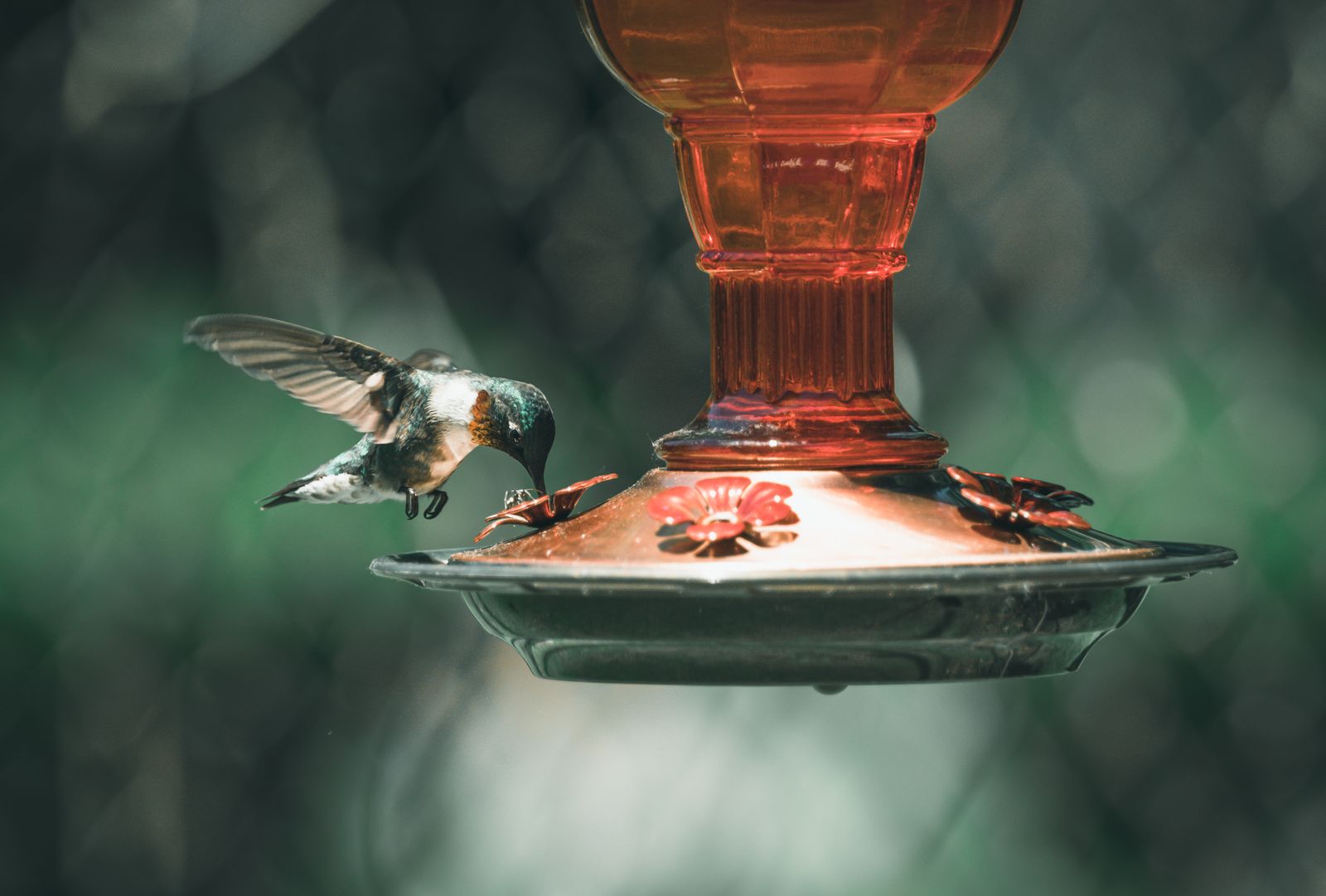
When to Put Out Hummingbird Feeders in Spring: State-by-State Arrival Guide
As a rule of thumb, hang your hummingbird feeder 14 days (2 weeks) before the historical average spring arrival date for your region—ranging from February 15 in the Gulf Coast to May 15 in northern border states. Setting up early ensures exhausted male 'scout' hummingbirds find clean, liquid nectar immediately upon arrival.
Key Takeaways for Spring Hummingbird Setup
- 14-Day Early Window: Deploy feeders 2 weeks before first expected sightings so exhausted male scouts locate reliable energy sources immediately.
- Cool Weather Nectar Longevity: Below 60°F, standard 4:1 sugar-water nectar stays fresh for up to 7 days, minimizing waste before peak flock arrival.
- High Visual Attraction: Early migrants rely on vibrant visual cues before spring flowers bloom; artisanal red glass and light-reflective surfaces maximize visibility.
- Frost Management: Standard 4:1 nectar freezes at approximately 27°F. Bring glass feeders indoors on hard frost nights and rehang at dawn.
The 2-Week Early Window: Why Spring Scout Birds Depend on Early Feeders
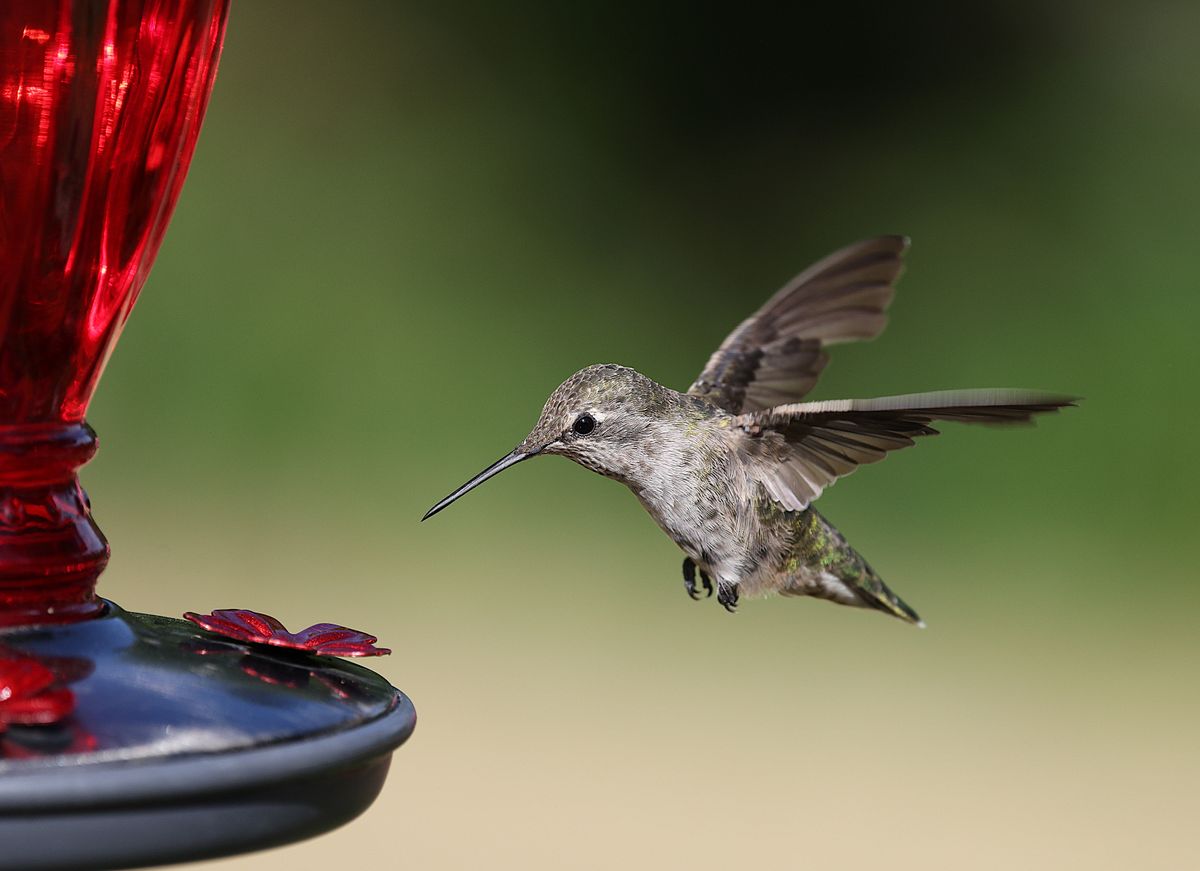
Photo by Veronika Andrews on Pexels
- 14 Days Before Expected Arrival — Inspect glass reservoir, test solar caps, clean base components, and verify hang site sightlines.
- 10 Days Before Expected Arrival — Prepare fresh 4:1 plain white sugar nectar, allow to cool completely, fill feeder 1/3 full, and hang.
- Target Regional Arrival Week — Monitor nectar levels daily; watch high tree perches for early territorial male scout activity.
- 2 Weeks Post-Arrival — Female birds arrive and nesting begins; increase nectar filling volume as garden feeding traffic grows.
Early Spring Feeder Maintenance & Nectar Refresh Cadence
- Outdoor Temps Below 60°F — Replace nectar solution every 5 to 7 days. Inspect base seals for leaks.
- Outdoor Temps 60°F to 75°F — Replace nectar every 3 to 4 days. Wash ports with warm water.
- Overnight Freeze Warning (< 27°F) — Bring glass feeders indoors at dusk; rehang outdoors prior to first daylight.
- Weekly Maintenance — Wipe top solar charging caps with a damp microfiber cloth to remove spring pollen and dust.
Pro Tip: Preventing Midnight Frost in Hand-Blown Glass Reservoirs
A classic 4:1 white sugar-water mix lowers the freezing point of water to roughly 27°F (-2.8°C). During unexpected spring cold snaps, you do not need to dump your nectar. Simply bring your feeder indoors overnight and rehang it at first light. Early scout hummingbirds begin foraging up to 45 minutes before sunrise, so having liquid sugar water available at dawn provides vital warmth when their reserves are lowest.
5 Spring Hummingbird Feeding Mistakes to Avoid
Steer clear of these common early-season feeder pitfalls:
State-by-State Spring Arrival Calendar & Regional Guide
Hummingbird arrival timelines vary drastically across geographical regions. Match your location with our regional guide below to plan your deployment window.
Spring Nectar Freeze & Spoilage Matrix
| Temperature Range | Freeze / Frost Risk | Nectar Refresh Frequency | Action Required |
| --- | --- | --- | --- |
| Below 27°F (-3°C) | HIGH: Nectar freezes solid | Daily / Overnight indoor storage | Bring feeder indoors overnight; rehang 30 min before dawn. |
| 28°F to 40°F (-2°C to 4°C) | MODERATE: Slush formation | Every 7 days | Check liquid consistency at sunrise; ensure ports are unfrozen. |
| 41°F to 60°F (5°C to 15°C) | LOW: Safe liquid window | Every 5 to 7 days | Optimal early spring range; clean and refill weekly. |
| 61°F to 75°F (16°C to 24°C) | NONE: Spoilage begins | Every 3 to 4 days | Transition toward summer cleaning cadence. |
Use ambient outdoor temperatures to adjust your feeder maintenance and frost protection routine.
Spring-Ready Backyard Setup: Hand-Blown Solar Feeders
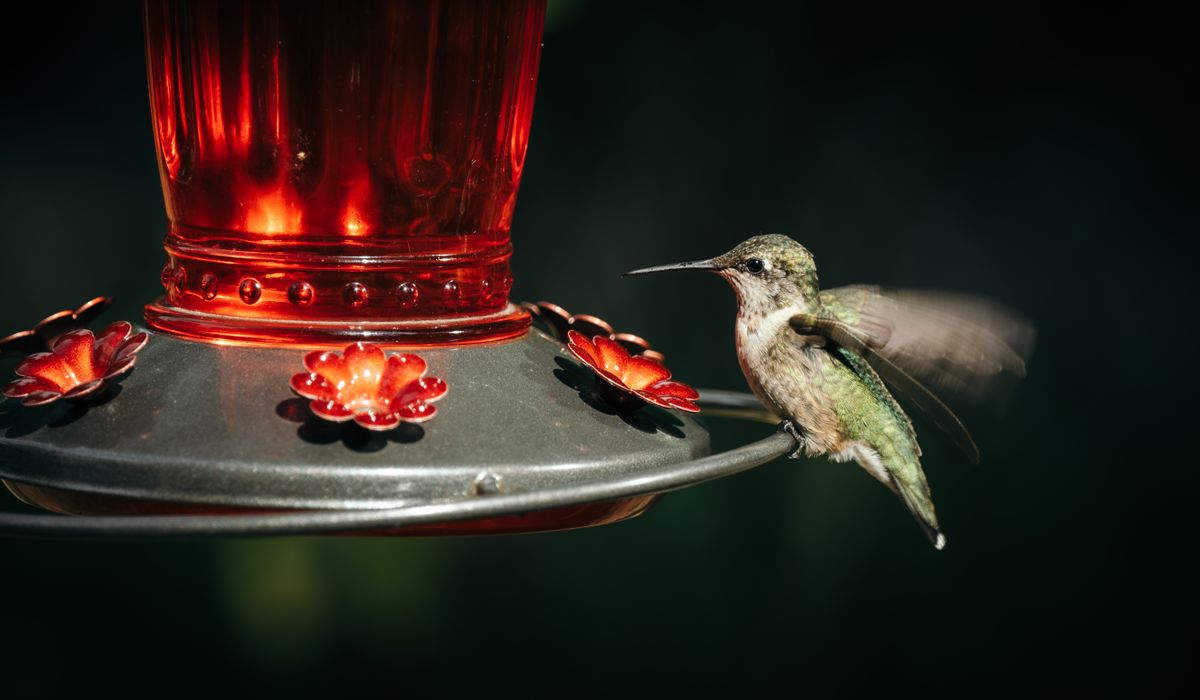
Preparing your garden for returning migrants requires durable, high-visibility decor. The LUJII Solar-Powered Hummingbird Feeder features 2,300°F hand-blown glass art, a 32 fl. oz leak-proof sealed base, an anti-rust metal finish, and an automatic solar cap with multi-mode RGB lighting that glows for up to 8 hours at dusk.
Your Early Spring Action Plan
Your decision: Determine your region's target hanger week (2 weeks ahead of average migration arrival).
Do this next: Clean your feeder with warm water, mix fresh 4:1 nectar, and place in a prominent sunny location.
- Read next: Early Spring Hummingbird Nectar FAQ
Equip your yard with the LUJII Solar Hand-Blown Glass Hummingbird Feeder for maximum visual reflection by day and ambient LED illumination at dusk.
Get your garden ready for arrival season by taking these immediate planning steps.
Navigating Spring Cold Snaps & Late Season Snow
Spring weather in North America fluctuates rapidly. A warm 65°F afternoon in April can easily give way to late-season frost or light snow. During sudden cold snaps, hummingbirds rely heavily on supplemental feeders because wild natural nectar flowers remain closed or frost-bitten.
To safeguard returning birds during cold spells:
Spring Feeder Deployment Checklist
- [ ] Inspect glass reservoir for winter hairline cracks or chips
- [ ] Deep clean feeder base and ports using diluted white vinegar and hot water
- [ ] Prepare 4:1 plain white sugar to water nectar solution (no red dye)
- [ ] Allow nectar to reach ambient room temperature before filling glass reservoir
- [ ] Hang feeder 5 feet above ground in a site visible from high perches
- [ ] Ensure solar charging panel on cap is wiped clean of spring dust and pollen
Frequently Asked Questions About Spring Hummingbird Arrival
Answers to common early-season hummingbird feeding questions.
Related Guides & Seasonal Strategies
- How to Illuminate Your Nighttime Garden: A Seasonal Guide to Solar Bird Decor