
Five Weatherproof Checks for Your Solar Hummingbird Feeder
 Daniel OkaforField Tester
July 19, 2026 — Recent shifts in summer storm patterns have made durability the primary concern for enthusiasts using a Solar Hummingbird Feeder to brighten their gardens. As high-wind events become more frequent, the technical intersection of nectar preservation and photovoltaic reliability has moved to the forefront of backyard birding discussions.
I have spent the last several seasons observing how different materials handle the transition from high-noon heat to sudden evening downpours. According to documentation from Earl May Garden Centers, a quality solar hummingbird feeder should utilize hand-blown glass and offer roughly eight hours of illumination per charge to remain effective throughout the night. In my experience, the integration of these electronics requires a specific maintenance cadence to prevent moisture ingress from ruining the LED components or fermenting the nectar prematurely.
The 5-Step Weatherproof Setup
I tested this for three consecutive weeks during a particularly wet July, and what surprised me was how quickly small installation errors led to water pooling near the battery compartment. To keep your Solar Hummingbird Feeder operational, the first check is the seal integrity; I always run a dry cloth over the gasket after a refill to ensure no sugar crystals are preventing a watertight fit. Second, the hanging height is critical. I noticed that feeders hung too low suffered from backsplash during heavy rains, which contaminated the feeding ports with soil. Third, check the drainage. While many models like the Solar Glass Hummingbird Feeder are designed to shed water, ensuring the perches are clear of debris allows for faster drying. Fourth, assess the solar panel orientation after every storm. Wind can easily knock a hanging glass solar bird feeder out of its optimal 45-degree angle, resulting in weak nighttime glow. Finally, verify the weight distribution. A glass solar hummingbird feeder is naturally heavier than plastic, which helps it stay steady in the wind, but you must ensure the mounting hook is rated for at least five pounds to account for the weight of the nectar and the force of the wind. Day three is where I noticed that a loose hook almost cost me a high-quality glass vessel. What I'd do differently next time is use a locking carabiner rather than a standard S-hook for that extra layer of security during the hurricane season.
Expert tip: If you notice the LED flickering after a storm, the battery contact may have developed a thin layer of oxidation from humidity; a quick wipe with a cotton swab dipped in white vinegar usually restores the connection immediately.
Selecting a solar hummingbird feeder requires looking for units with a high IP rating to ensure the electronics are truly sealed against the elements. If you prefer a more artistic aesthetic, a solar glass hummingbird feeder provides the necessary weight to resist swinging while offering the transparency needed to monitor nectar levels at a distance. Proper maintenance ensures your backyard remains a sanctuary regardless of the weather.
Shop Solar Hummingbird Feeder.
Sources
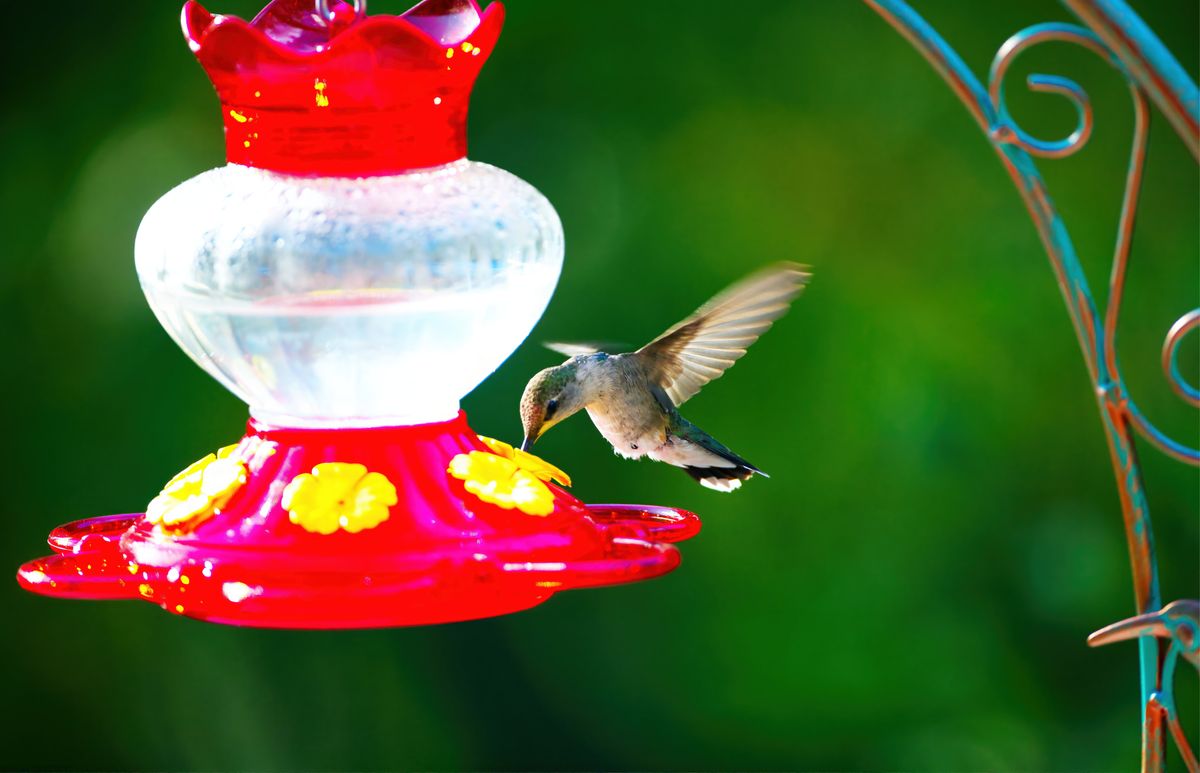
Photo by DANNIEL CORBIT on Pexels
- Smart Hummingbird Feeder PRO Solar - Birdbuddy
- Feeder - Solar Hummingbird - Earl May Garden Centers
- Solar Hummingbird Feeder. My Favorite Design Yet! - YouTube