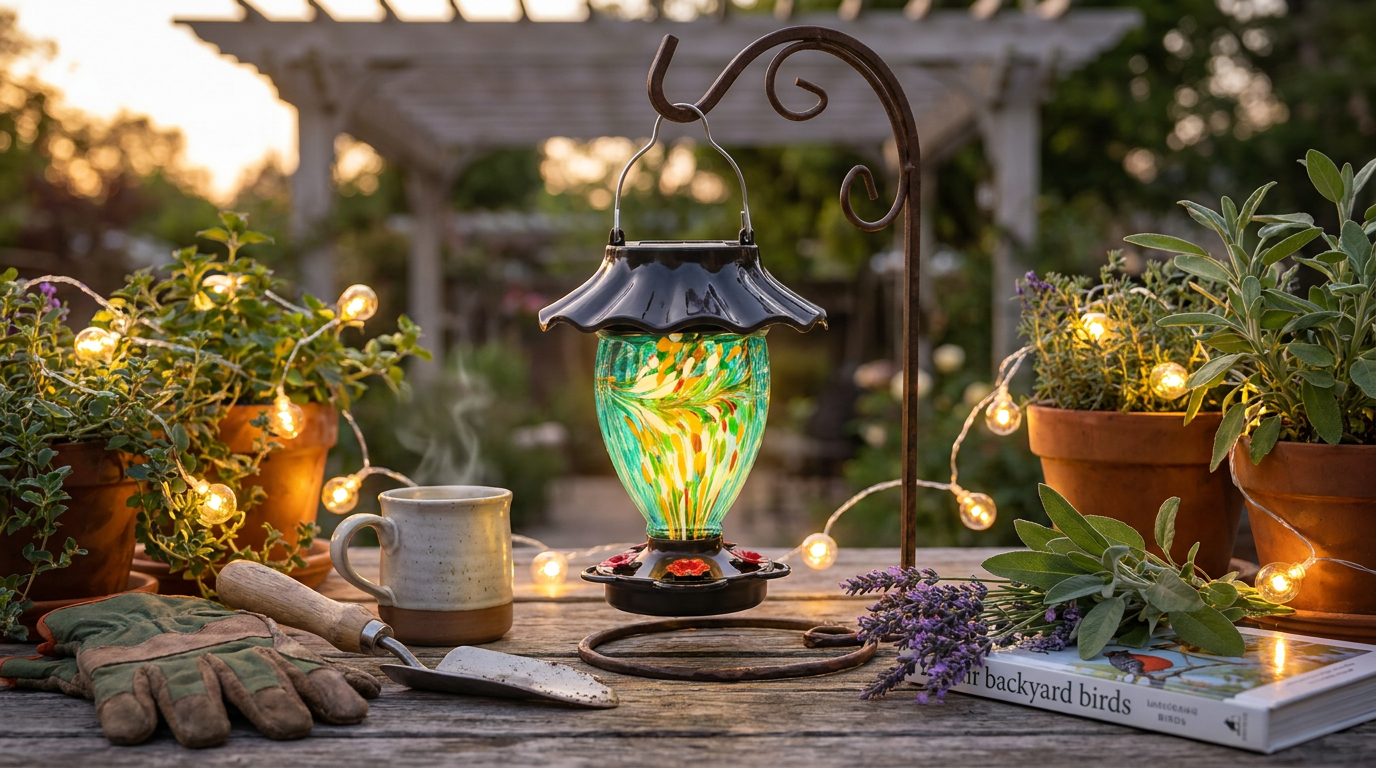
Selecting a Solar Hummingbird Feeder for Backyard Lighting
 Sam VasquezBuying Guide Lead
July 17, 2026. This evaluation focuses on the integration of photovoltaic lighting within avian feeding stations to improve garden visibility. It is intended for homeowners who want to balance wildlife support with functional landscape aesthetics.
The Challenge of Nighttime Visibility in Bird Gardens
Traditional bird feeding setups often vanish from view once the sun sets, leaving a significant gap in garden ambiance. While hummingbirds are diurnal and cease feeding at dusk, the infrastructure supporting them remains a central feature of the patio or backyard. The rise of the solar hummingbird feeder addresses this by utilizing small solar cells to charge internal batteries, which then power LED lights for nighttime illumination. However, not all designs manage this transition effectively. According to Lujii Garden, high-capacity units like their 32 fl. oz. models are built with trophy-shaped hand-blown glass to withstand outdoor conditions while providing a substantial nectar reservoir. The primary difficulty for most users is finding a unit that doesn't just look good in the showroom but actually survives the elements. Many cheap plastic alternatives fail after a single season of UV exposure or water ingress.
When you are looking at a hanging glass solar bird feeder, you are essentially balancing two different pieces of technology: a biological delivery system for nectar and a micro-solar power plant. If the solar panel is too small or poorly positioned, the light will only last an hour or two. If the feeder isn't properly sealed, moisture from rain or the nectar itself can corrode the electronics. I have seen many designs where the light is an afterthought, resulting in a dim glow that barely registers. For a truly functional solar glass hummingbird feeder, the glass must be thick enough to refract the light beautifully while the solar components remain isolated from the liquid chamber. Reliability in these units is often tied to the quality of the IP rating and the durability of the glass housing.
Performance Standards and Technical Integration
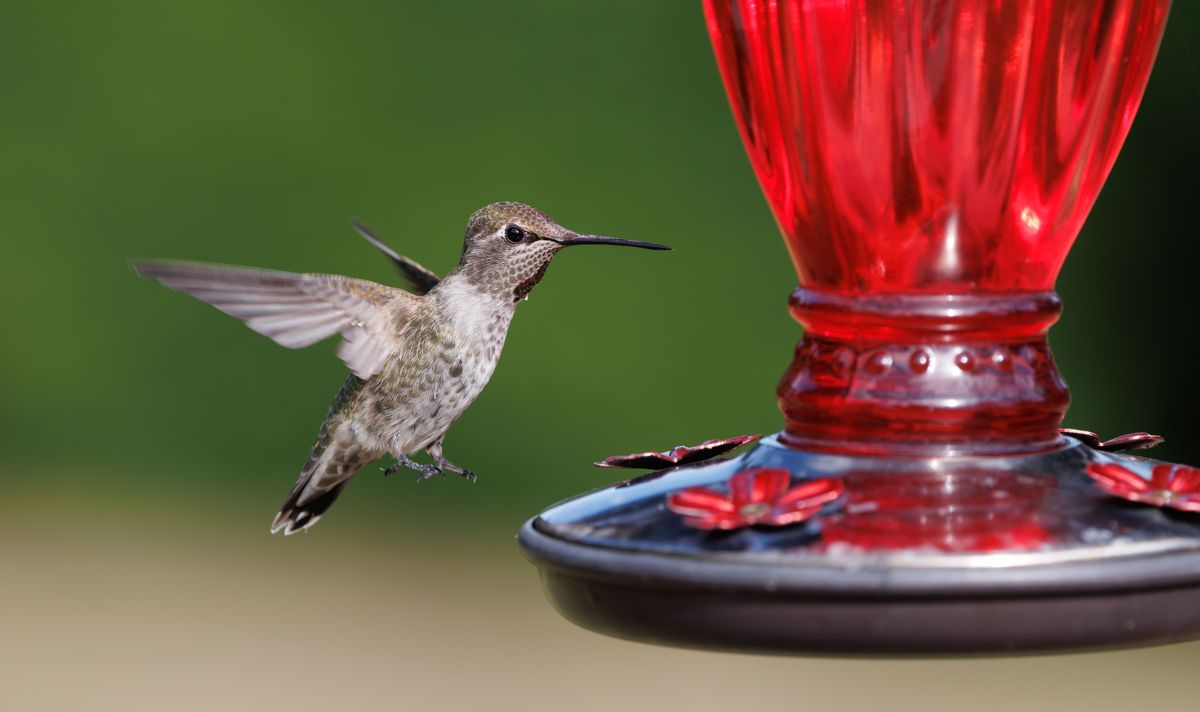
Photo by Veronika Andrews on Pexels
The Solar Hummingbird Feeder brand focuses on high-transparency glass and efficient energy conversion to ensure the unit remains visible throughout the evening. Unlike standard plastic feeders, these units utilize hand-blown glass which offers better thermal stability for the nectar. When comparing high-end tech options, the landscape changes significantly. For instance, the Bird Buddy Smart Hummingbird Feeder PRO Solar features a 1080p HD camera and an IP67 waterproof rating, according to the official product specifications from Bird Buddy. While that unit is excellent for photography, it serves a very different purpose than a decorative solar light model. The Solar Hummingbird Feeder is designed for those who prioritize the visual aesthetic of their garden over digital monitoring.
If you're on a budget, you might be tempted by the generic plastic solar stakes found at big-box stores, but they lack the structural integrity to hold heavy nectar loads without swaying or leaking. Between these two, I’d go with a glass-bodied unit every time. The weight of the glass provides stability in the wind, which is crucial for weatherproof solar feeders for hummingbirds. Furthermore, the integration of a top-fill design, similar to the Nature’s Way Spring Rain model, makes maintenance much simpler. Nature’s Way highlights that integrated solar LEDs with rechargeable batteries provide soft, ambient lighting that enhances the hand-blown glass patterns. This combination of utility and art is what defines the current market. A quality solar hummingbird feeder should offer at least 6 to 8 hours of light after a full day of sun exposure, even in patchy sunlight. Skip this if you live in a deep-shade forest where the solar cells will never receive the direct UV needed to trigger the sensors.
Framework for Choosing a Reliable Unit
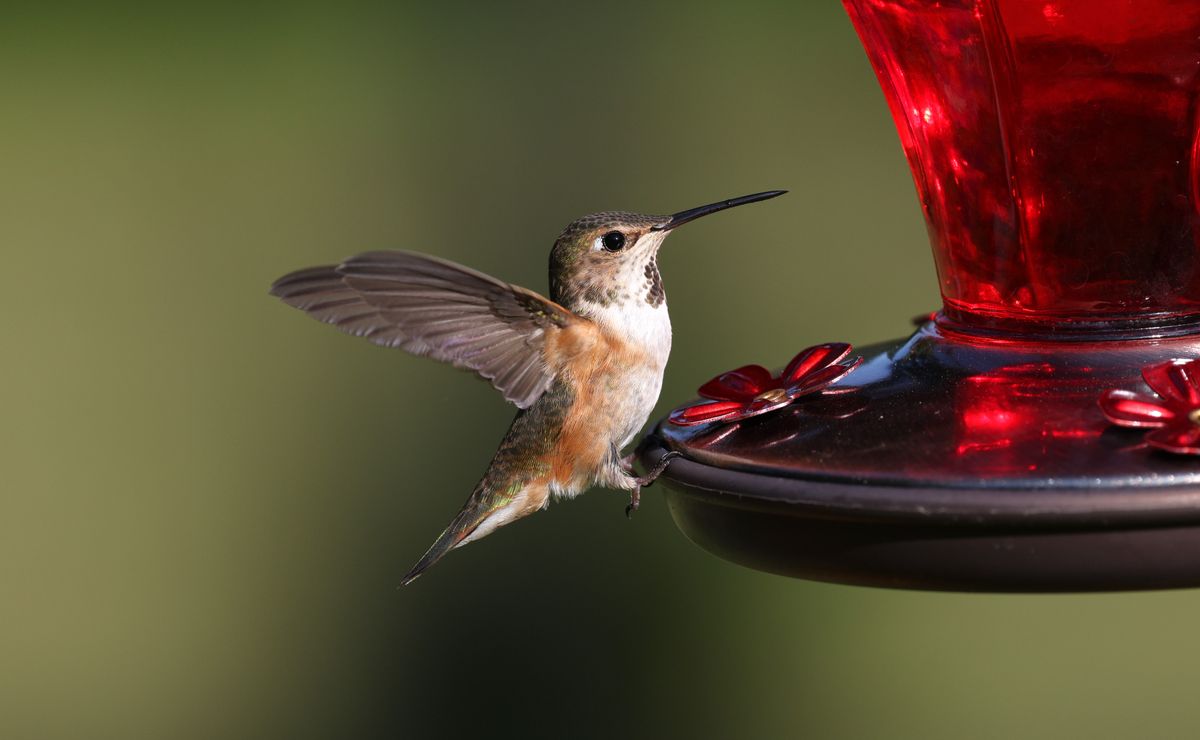
Photo by Veronika Andrews on Pexels
Selecting the right feeder requires looking past the initial glow and examining the build quality. The most common failure point is the battery compartment. You want to ensure that the solar panel is integrated into the lid in a way that allows for easy cleaning of the nectar bottle without submerged electronics. The glass should be thick enough to resist cracking during temperature shifts, especially if you live in a climate with cool nights. I prefer units that use a standard AA or AAA rechargeable Ni-MH battery, as these are easily replaced after a few years of cycles, extending the life of your feeder indefinitely.
Here’s what I’d actually buy: a high-capacity glass unit with a wide-mouth opening. Small openings are a nightmare to clean, and if mold grows, the feeder becomes a hazard to the birds. A solar glass hummingbird feeder with a removable base is the gold standard for hygiene. Before finalizing a purchase, verify the following:
- Material Integrity: Ensure the body is made of thick, hand-blown glass rather than thin, painted plastic.
- Weather Protection: Look for an IP65 or higher rating for the electronic components to prevent rain damage.
- Nectar Capacity: A 32 oz reservoir is ideal for high-traffic areas, reducing the frequency of refills.
- Lighting Duration: Check that the battery is rated for at least 600mAh to ensure the light lasts through the night.
- Cleaning Access: Confirm the base detaches fully so you can scrub the feeding ports to prevent fermentation.
- Hanging Hardware: The hook should be powder-coated steel to prevent rust and support the weight of the glass and nectar.
Shop Solar Hummingbird Feeder here