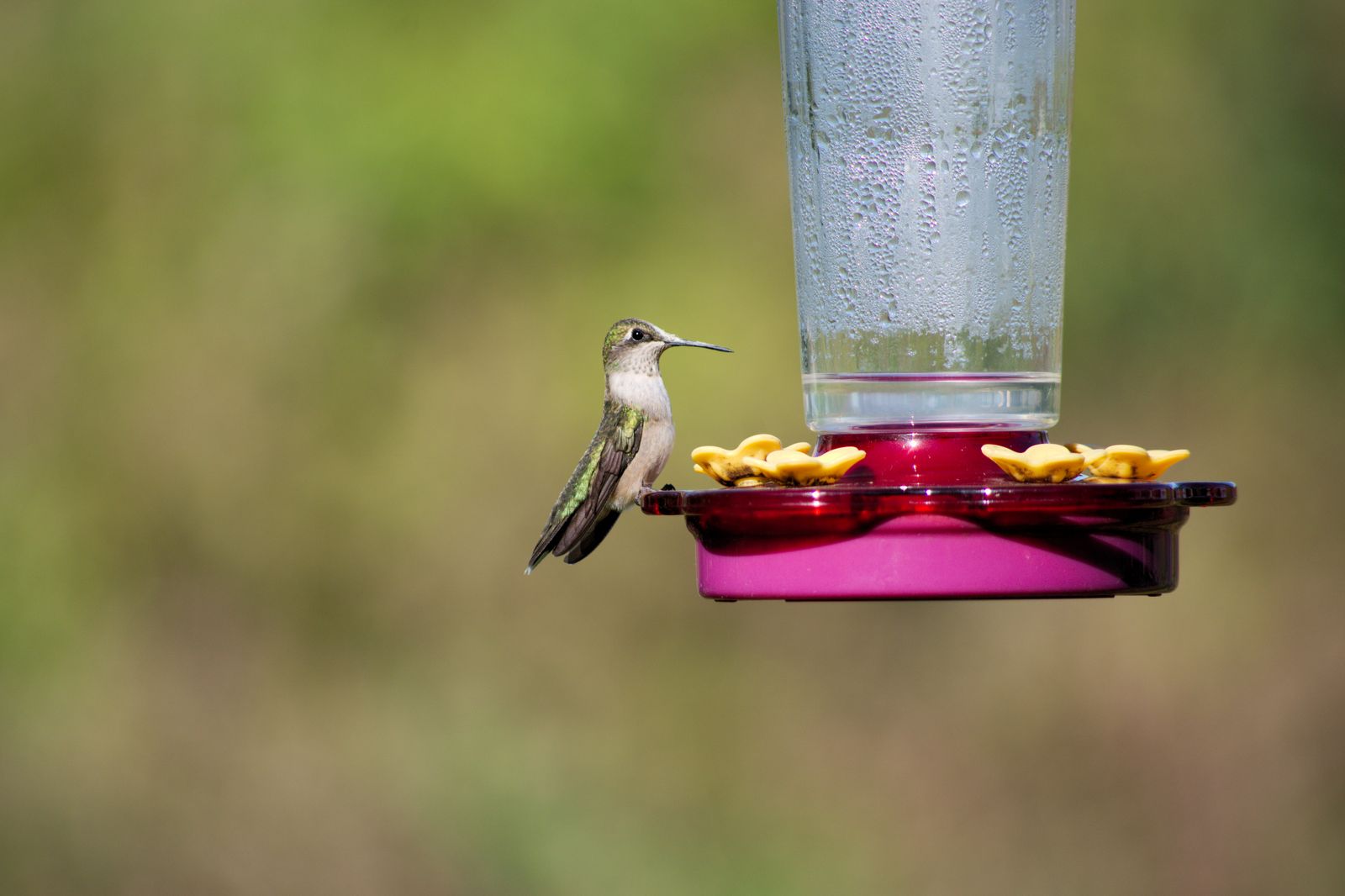
Seasonal Care for Solar Hummingbird Feeders: Autumn & Winter Maintenance Guide
Should you bring your hand-blown glass solar hummingbird feeder inside when autumn chill turns to winter frost? Yes, bring your solar hand-blown glass hummingbird feeder indoors before nighttime temperatures consistently drop below 32°F (0°C). Freezing liquid nectar expands by nearly 9%, exerting extreme outward pressure against handcrafted glass reservoirs that can cause micro-fractures or structural shattering. Furthermore, sub-zero outdoor weather permanently degrades the charge capacity of rechargeable solar NiMH batteries and risks moisture seal failure. Keep your feeders clean and filled for two full weeks after observing your last migrating hummingbird, then deep clean, dry thoroughly, and store both the solar cap and glass reservoir in a frost-free indoor space.
Essential Autumn & Winterization Checklist
- [ ] Observe feeder for 14 full days following the last spotted hummingbird in late autumn to ensure late-season stragglers are nourished.
- [ ] Dismantle the plastic solar cap, hand-blown glass reservoir, and anti-rust metal base to clean each component separately.
- [ ] Wash the hand-blown glass reservoir using room-temperature water and a mild white vinegar solution (never use hot or ice-cold water).
- [ ] Inspect the metal base for anti-rust coating wear, wipe clean with a dry microfiber cloth, and apply a thin coat of food-grade silicone spray if needed.
- [ ] Clean the top solar panel with a soft, damp cloth to remove dust, pollen, and hard water spots that block solar charging.
- [ ] Turn off the RGB lighting toggle switch underneath the solar cap to preserve the rechargeable battery during off-season storage.
- [ ] Store the rechargeable battery and solar cap in a cool, dry indoor location maintained between 50°F and 70°F.
- [ ] Wrap the handcrafted glass reservoir in a soft cloth or bubble wrap and store it in a padded storage box away from freezing drafts.
Printable Winter Maintenance One-Pager
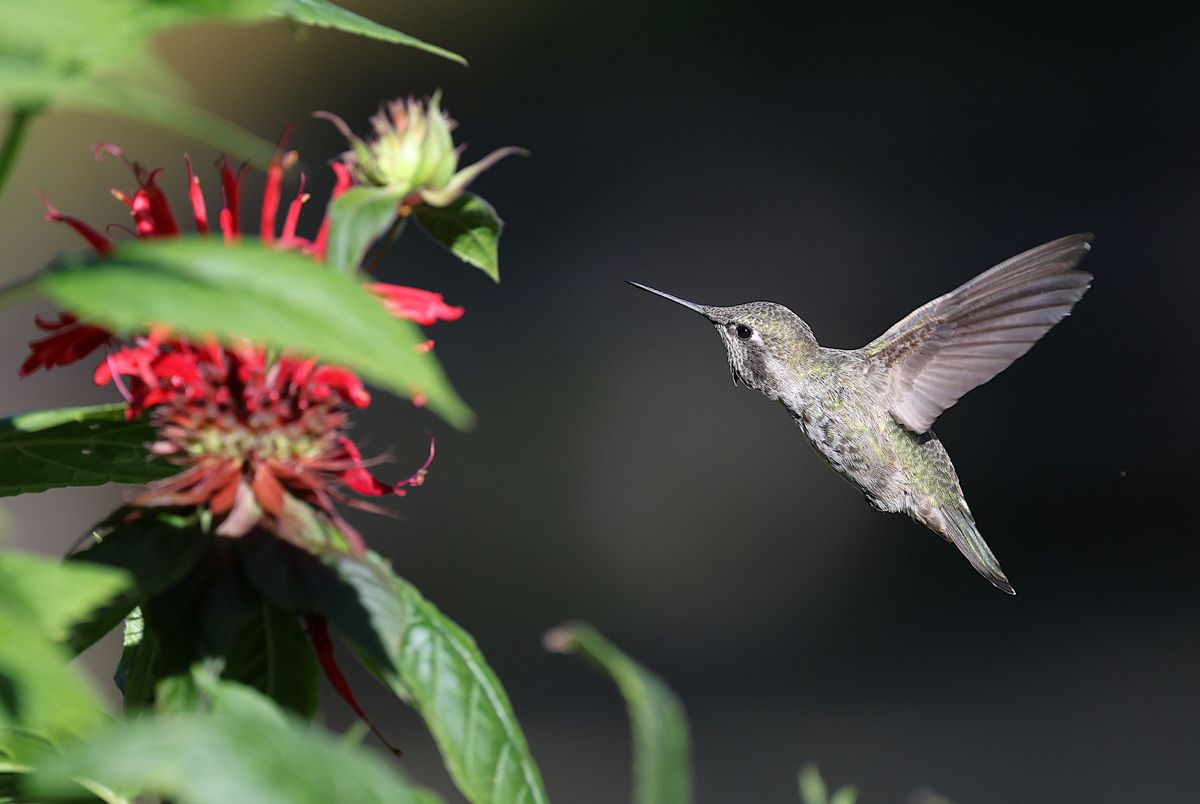
Photo by Veronika Andrews on Pexels
- 32°F Threshold Rule: Bring glass reservoirs indoors whenever overnight forecasts touch freezing (32°F / 0°C).
- 14-Day Wildlife Rule: Leave feeders filled with fresh 1:4 sugar-water nectar for 2 weeks after seeing your last hummingbird.
- Thermal Shock Protection: Allow cold glass to warm to room temperature before washing; use lukewarm water only.
- Solar Battery Safeguard: Switch off the toggle switch and store the solar cap indoors at 50% charge during sub-zero months.
- Nectar Purity: Never add antifreeze, red dye, or artificial heating chemicals to hummingbird nectar.
Pro Tip: Preventing Thermal Shock in Hand-Blown Glass
Handcrafted glass hummingbird reservoirs are formed by master artisans shaping molten glass at over 2,300°F. While remarkably durable against summer storms and wind, hand-blown glass retains internal stress lines that make it susceptible to thermal shock. If you bring a cold glass feeder directly inside from a 35°F chilly yard and immediately submerge it in 100°F hot tap water, the sudden expansion gradient will cause the glass to crack or shatter instantantly.
Always allow your cold feeder to sit on a dry indoor towel for 30 to 45 minutes until it reaches room temperature before washing it with lukewarm or room-temperature water.
Regional Cold-Weather Threshold Guidelines
- ** —
- ** —
- ** —
Autumn to Winter Solar Glass Feeder Maintenance Calendar
| Month / Period | Temperature Scenario | Feeder & Solar Action | Hummingbird Migration Care |
| --- | --- | --- | --- |
| September (Late Summer / Early Fall) | Mild days (65°F-78°F), cooling nights (45°F-55°F) | Wipe solar cap panel weekly. Check nectar level easily through translucent hand-blown glass. | Peak Southward Migration: Maintain fresh 1:4 nectar every 3 days as birds bulk up for flight. |
| October (Mid Autumn) | Chilly nights (35°F-45°F), occasional light frost | Inspect metal base for anti-rust coating integrity. Verify RGB light sensor turns on at twilight. | Late Stragglers: Keep feeders full and clean. Monitor daily for trailing Rufous or Ruby-throated migrants. |
| November (Late Autumn / Early Winter) | Freezing nights (<32°F / 0°C) | Execute Winterization Checklist: Deep clean glass with lukewarm vinegar solution, switch off solar cap, store indoors. | 14-Day Countdown: Count 14 days after final sighting before taking down non-resident feeders. |
| December - January (Deep Winter) | Sub-freezing / Snow & Ice | Store glass and solar cap in dry indoor area (50°F-70°F). Recharge solar battery once mid-winter if stored long-term. | Northern regions: Complete winter rest. Northwest/Southwest: Rotate non-solar heated feeders if Anna's hummers reside. |
| February - March (Early Spring Prep) | Warming days, occasional late freeze | Inspect hand-blown glass seals and leak-proof metal base. Place solar cap in sunny window to test RGB illumination. | Spring Reconnaissance: Hang cleaned feeders 1-2 weeks before expected northwards arrival in your zip code. |
Track your garden's transition from late-summer twilight illumination to winter storage or active cold-weather feeding.
Winterization Decision Tree: Store vs. Protect
- Are overnight forecasts in your area expected to drop below 32°F (0°C)? → Yes: Go to Question 2. No: Keep feeder outdoors year-round. Clean solar panel top monthly and refresh 1:4 nectar every 5-7 days in cool weather.
- Do you have year-round resident hummingbirds in your area (e.g., Anna's Hummingbirds in PNW/West Coast)? → Yes: Use Active Winter Protection Protocol: Swap hand-blown glass reservoirs daily using a 2-feeder rotation (bring one inside at night), or attach an approved UL-listed feeder heater. Store solar cap indoors during sub-zero snaps.. No: Follow Full Indoor Storage Protocol: Wait 14 days after last hummingbird sighting, dismantle feeder, wash glass with room-temperature water, switch off solar RGB toggle, and store indoors.
Core Principles of Cold-Weather Solar Feeder Preservation
- Expansion Destroys Glass: Water expands ~9% when turning to ice. A sealed 32 fl.oz glass vessel will crack under ice pressure.
- Prevent Thermal Shock: Never mix freezing glass with hot tap water. Transition glass gradually to room temperature.
- Preserve Solar Electronics: NiMH rechargeable batteries lose permanent charge retention if stored frozen or completely depleted.
- Food Availability Does Not Trap Birds: Leaving nectar out in fall will NOT stop hummingbirds from migrating; photoperiod (day length) triggers migration.
- Keep Sugar Ratios Strict: Always stick to a 1:4 pure white cane sugar to water ratio. Higher sugar concentrations damage hummingbird kidneys.
Winter Solar Battery & Nectar Routine
- Temperatures 40°F to 55°F (Cool Autumn Weather) — Change nectar every 5 to 7 days. Wipe top solar panel clean of leaves and dust weekly to maximize daylight battery recharge.
- Temperatures 32°F to 39°F (Near Freezing) — Change nectar every 7 days. Check solar cap seal for internal condensation. Ensure RGB lights turn off at dawn automatically.
- Temperatures Below 32°F (Freezing Conditions) — Bring hand-blown glass reservoirs indoors overnight. Do not leave liquid nectar outside to freeze solid inside artisan glass.
- Indoor Storage Period (November - February) — Store solar cap turned OFF in a warm closet. Place solar cap in sunlight for 4 hours once every 60 days to keep NiMH battery conditioned.
Failure Modes: Top Autumn & Winter Care Mistakes
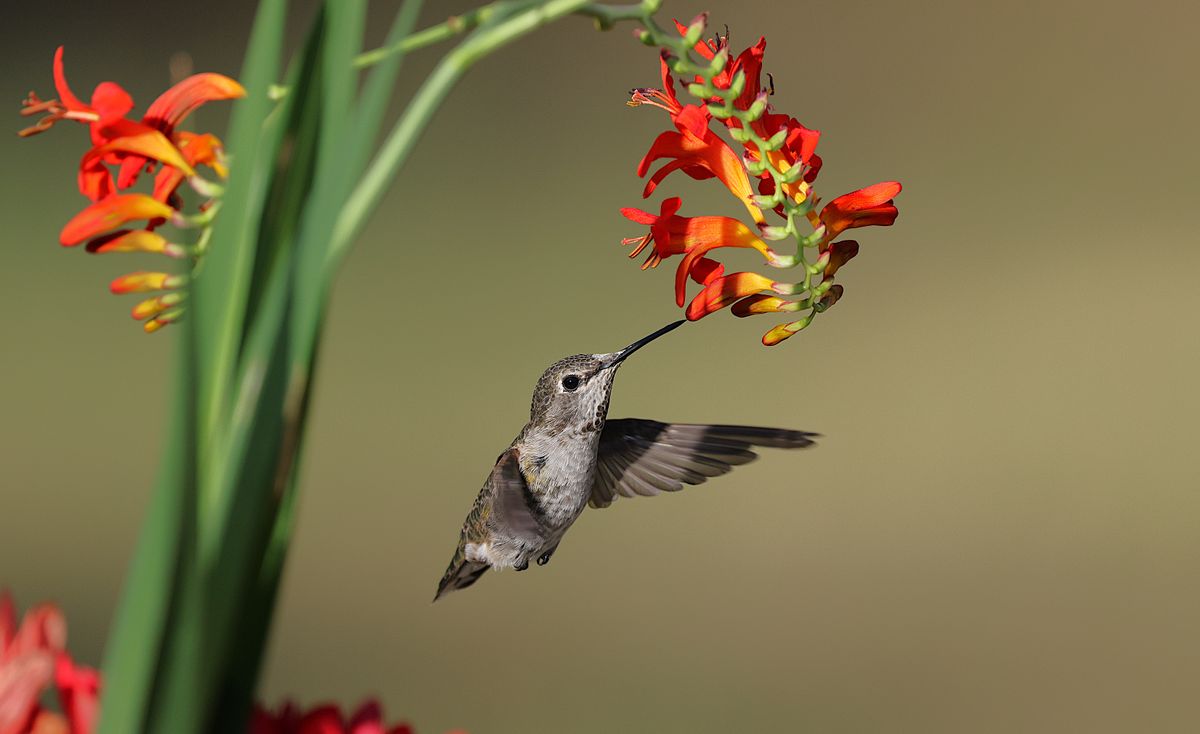
Photo by Veronika Andrews on Pexels
Avoid these critical errors that lead to broken glass, destroyed solar cap electronics, or harm to wild birds.
The Late Autumn Migration & Frost Timeline
- Late August - Early September — Nectar demand spikes as adult males begin migrating. Keep 32 fl.oz translucent glass reservoirs filled and clean.
- Mid to Late September — Juveniles and females migrate. Clean solar cap panels as autumnal sun angles shift lower on the horizon.
- October (First Frost Warning) — Check local overnight low forecasts daily. Begin 14-day observation countdown after seeing your last hummingbird.
- Late October - November — Perform end-of-season deep cleaning. Disassemble metal base, glass vessel, and solar module. Store indoors.
- Late Winter (Feb/March) — Perform spring inspection. Check rubber grommets and anti-rust metal base. Prepare for first spring migrants.
Deepen Your Backyard Haven
Explore additional guides to elevate your garden decor and enhance your outdoor bird sanctuary:
- Artisanal Glass in the Garden: Answers to frequently asked questions regarding hand-blown glass care, ambient outdoor lighting, and attracting wildlife.
- Styling Solar Garden Accents: How to position solar lighting decor to turn your evening patio into a glowing twilight oasis.
- Hand-Blown Glass Feeder Collector's Guide: Discover how 2,300°F hand-crafted glass designs combine artistic heritage with functional wildlife feeding.
Frequently Asked Questions About Winter Solar Feeder Care
Get answers to common questions about managing solar lighting and hand-blown glass feeders during cold weather.
Recommended Winter Storage & Care Essentials
To maintain a magical garden sanctuary that lights up your nights and welcomes wildlife every spring, invest in handcrafted decor built to endure the elements.
Next Steps for Your Garden Sanctuary
Your decision: Determine your local first hard freeze date and track hummingbird activity for 14 days following your last autumn sighting.
Do this next: Complete the winterization checklist: wash your hand-blown glass with room-temperature water, dry thoroughly, turn off the solar cap switch, and store components indoors at 50°F-70°F.
Related resource: Download our Printable Winter Feeder Care One-Pager to post in your potting shed or garage.
LUJII Hand-Blown Glass Solar Hummingbird Feeder for replacement or spring garden sanctuary upgrades.
Prepare your outdoor space for a smooth seasonal transition and ensure your garden art stays protected for years to come.
Cover photo by Sean Ewing on Pexels.