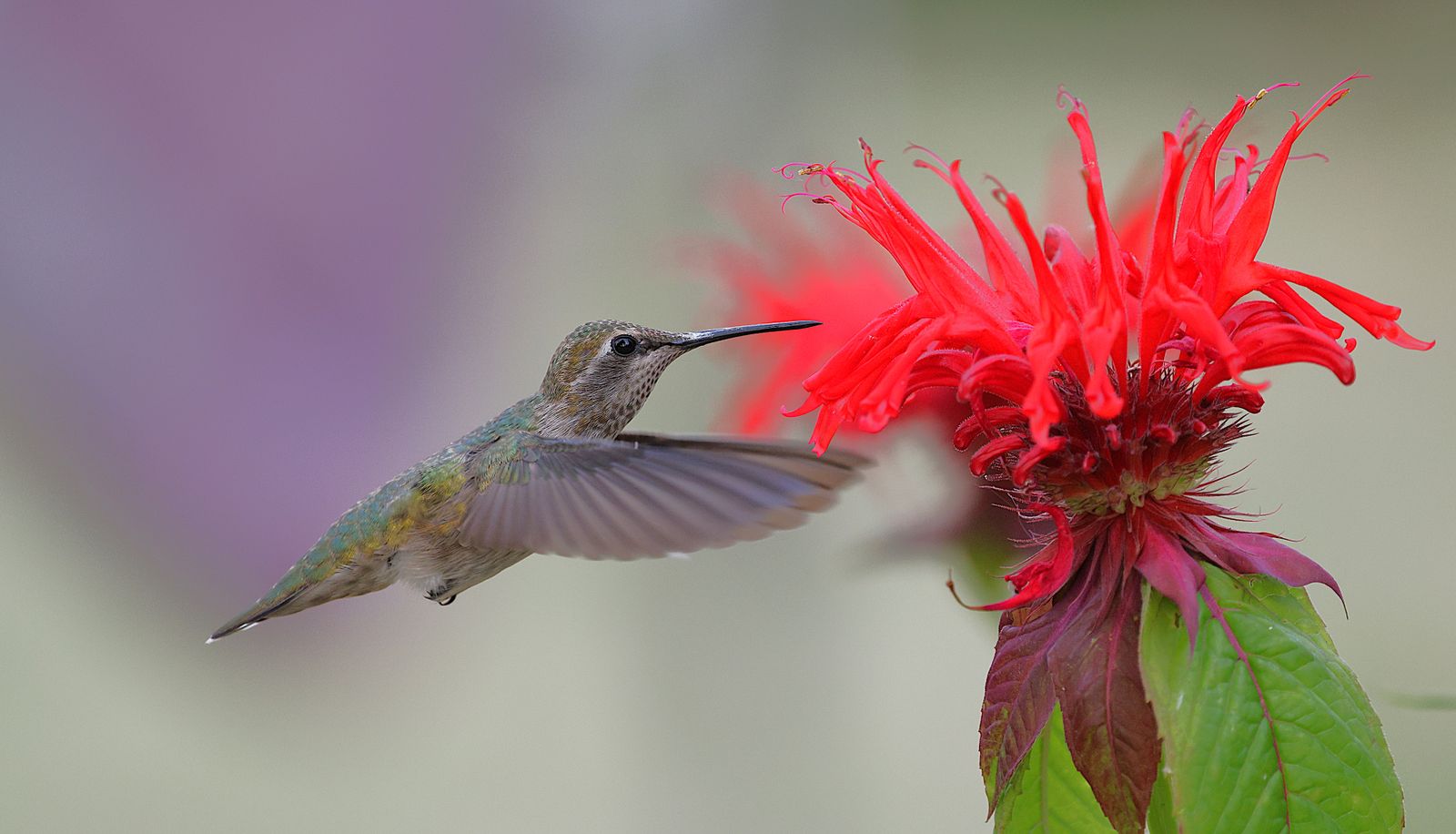
Winter Care for Glass Hummingbird Feeders: Cold Weather & Solar Guide
Should you leave your hand-blown glass solar hummingbird feeder outside when winter cold rolls in? No. You should bring hand-blown glass solar hummingbird feeders indoors before ambient night temperatures drop below 40°F (4°C) to prevent thermal glass fracture. Deep clean the 32 fl. oz reservoir, fully charge the internal solar battery, and switch off the RGB module before storing in a dry, frost-free space.
Complete Autumn Winterization Checklist for Solar Glass Feeders
- [ ] Take down feeder when night forecasts drop below 40°F (4°C).
- [ ] Empty remaining nectar into sink; do not leave fluid to freeze.
- [ ] Soak glass reservoir in 1:4 white vinegar and lukewarm water solution (do NOT use hot water).
- [ ] Scrub flowers and feeding ports on the metal base with a soft bottle brush.
- [ ] Rinse thoroughly and allow all parts to air dry completely for 24 hours.
- [ ] Expose solar panel cap to full sun for 6 hours to achieve 50-80% storage charge.
- [ ] Toggle the RGB power switch to OFF position to prevent battery drain in storage.
- [ ] Wrap hand-blown glass reservoir in bubble wrap or micro-fiber cloth.
- [ ] Store in a temperature-controlled indoor location (50°F-70°F) away from heavy items.
Printable 5-Minute Autumn Winterization Field Sheet
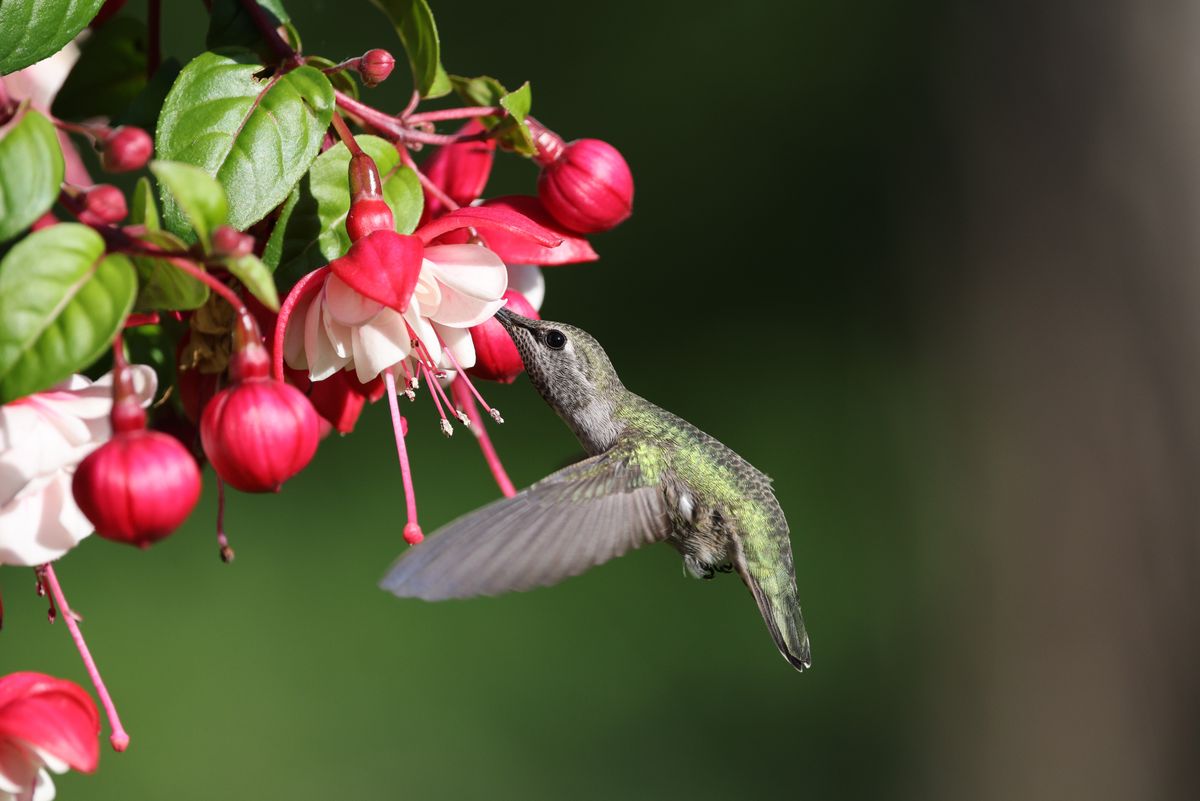
Photo by Veronika Andrews on Pexels
- Trigger Temp: 40°F (4°C) outdoor night forecast.
- Cleaning Rule: Lukewarm vinegar-water solution only. Hot water shatters cold hand-blown glass.
- Solar Cap Care: Wipe solar cell, charge 6 hours in sun, then flip switch to OFF.
- Metal Base Protection: Dry all thread grooves thoroughly to prevent moisture expansion and rust.
- Storage Zone: Indoor closet or heated room (50°F–70°F). Avoid unheated sheds that dip below freezing.
Expert Glassmaker Note: Thermal Shock & 2,300°F Artisanal Glass
Artisan glass artists shape each hand-blown reservoir at 2,300°F, creating unique internal swirl patterns and structural micro-tensions. While structurally robust during warm seasons, rapid thermal expansion or sudden drops in ambient temperature create severe internal strain. Pouring hot water into a cold glass vessel—or leaving liquid nectar to freeze and expand inside the 32 fl. oz reservoir—creates micro-fractures along stress lines that can shatter the glass art instantly.
Essential Cold-Weather Preservation Rules
- 40°F is the non-negotiable threshold for bringing artisan glass indoors.
- Freezing nectar expands by ~9% by volume, forcing seam splits in sealed metal bases.
- Lithium solar batteries self-discharge rapidly in freezing conditions; storing them completely uncharged causes permanent cell death.
- Never pour hot water on cold glass—lukewarm water prevents devastating thermal shock.
- Wintering birds in mild regions require heavy-duty secondary plastic or heated feeders while decorative glass art hibernates.
Fall-to-Spring Feeder Care Calendar
- Early Autumn (Sep - Oct) — Monitor nighttime temperature forecasts daily. Perform deep clean if night temps approach 45°F.
- First Frost Warning (40°F Trigger) — Take down glass feeder. Clean with vinegar solution, dry for 24 hours, charge solar cap, and switch to OFF.
- Mid-Winter (Jan) — Check solar cap battery in storage. Place under a bright lamp or windowsill for 3 hours to maintain 50% charge state.
- Early Spring (Mar - Apr) — Inspect glass for fractures and test RGB light performance. Re-hang 1–2 weeks before expected hummingbird arrival when night temps stay above 40°F.
Winter Care Strategies by Regional Climate Scenario
| Climate Scenario | Primary Failure Risk | Glass Reservoir Action | Solar Cap Protocol | Active Winter Feeding? |
| --- | --- | --- | --- | --- |
| Deep Freeze Zones (USDA 3-6: Hard freezes, heavy snow) | Glass shattering & permanent solar battery capacity loss | Bring indoors before first 40°F night. Store in bubble wrap. | Charge 6 hrs, turn OFF switch, store at 50°F–70°F. | No (Migratory hummers have departed). |
| Moderate Frost Zones (USDA 7-8: Occasional night frosts) | Micro-fractures from freeze-thaw cycles & base rust | Bring indoors for entire winter season. | Charge fully, switch OFF, store indoors. | No (Except mild Pacific NW pockets). |
| Mild Wintering Zones (USDA 9-11: Anna's Hummers present) | Occasional sudden dip near 32°F cracking glass art | Swap artisan glass for heavy plastic or heated winter feeder on freeze nights. | Keep solar cap clean; switch OFF during multi-day overcast freezes. | Yes (Maintain continuous non-frozen nectar supply). |
Different winter environments present unique threats to hand-blown glass and solar electronics. Identify your local climate scenario below.
Decision Guide: Store Indoors vs. Cold-Weather Active Feeding
Decide whether to fully hibernate your solar glass feeder or replace it with a winter-hardy utility feeder based on temperature and local species presence.
Best choice for
- Full Indoor Hibernation — Prevents glass thermal shock and avoids permanent loss of solar battery capacity.
- Utility Winter Swap — Saves artisan glass art from cracking while keeping local birds fed with heavy plastic or winter-heated utility feeders.
- Leaving 2,300°F hand-blown glass hanging outside when temperatures dip below 32°F.
- Storing solar light caps outdoors in unheated, damp sheds through freezing months.
- Heated Plastic Nectar Feeder — Ideal for wintering hummers in mild zones without risking delicate hand-blown glass art.
Recommended Handcrafted Solar Glass Garden Decor
Discover handcrafted glass designs built for vibrant garden displays and stunning night illumination.
Material Resistance Matrix: Hand-Blown Glass, RGB Solar Cap & Metal Base
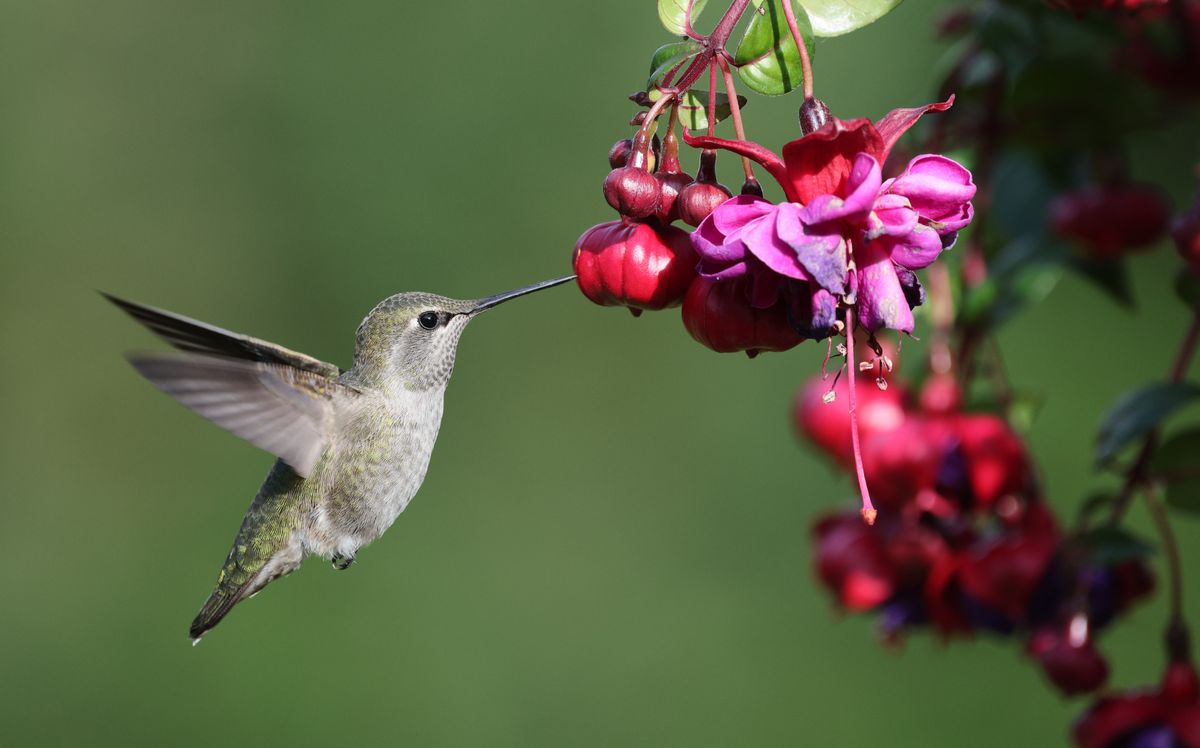
Photo by Veronika Andrews on Pexels
| Component | Material Spec | Safe Operating Temp | Failure Point | Cold Weather Damage Mechanism |
| --- | --- | --- | --- | --- |
| Artisan Reservoir | 2,300°F Hand-Blown Glass (32 oz) | 40°F to 105°F | Below 32°F (or >20°F rapid shift) | Thermal shock cracking & liquid freeze-expansion shatter |
| Solar Light Cap | IP65 Plastic Cap with RGB LED | 32°F to 110°F | Below 0°F / Deep Discharge | Lithium battery voltage drop and permanent capacity loss |
| Sealed Nectar Base | Anti-Rust Coated Alloy Metal | 20°F to 120°F | Seam ice accumulation | Water trapped in base threads freezes, expands, and cracks anti-rust seal |
Understanding physical material thresholds helps prevent catastrophic cold-weather failures.
5 Catastrophic Winterization Errors That Ruin Solar Glass Feeders
Avoid these critical mistakes that cause glass breakage, battery destruction, and metal corrosion.
Autumn Winterization Countdown: First Frost to Deep Freeze
- 2 Weeks Before First Frost — Check local weather trends. Clean bottle brush and prepare vinegar wash station.
- 7 Days Before First Frost — Perform final fall feeding. Watch for last lingering migratory hummingbirds.
- 48 Hours Before 40°F Drop — Bring feeder indoors. Deep clean glass reservoir with lukewarm vinegar solution.
- 24 Hours Before Storage — Place solar cap in full sun for 6 hours. Switch power toggle to OFF.
- Day of Storage — Wrap dry glass in protective bubble wrap and place in an indoor climate-controlled storage box.
Frequently Asked Questions About Cold Weather Feeder Care
Find expert answers to common questions regarding winter temperatures, battery maintenance, and spring setup.
Immediate Next Steps: Winter Transition Plan
Your decision: Check your local 14-day weather forecast. If night temperatures are expected to drop near or below 40°F (4°C), begin your winter storage protocol immediately.
Do this next: Perform a deep cleaning with lukewarm vinegar water, fully charge the solar cap, turn off the power switch, and wrap the artisan glass reservoir in protective padding for indoor storage.
Related resource: Download our Printable 1-Page Autumn Garden Winterization Checklist.
Protect your garden investment and upgrade your spring outdoor decor with authentic LUJII Solar-Powered Hummingbird Feeders.
Take immediate action to preserve your glass art and solar components before cold weather sets in.
Explore Hand-Blown Glass Craftsmanship & Garden Styling Guides
Present internal links to internal pillar and cluster guides.
Cover photo by Veronika Andrews on Pexels.