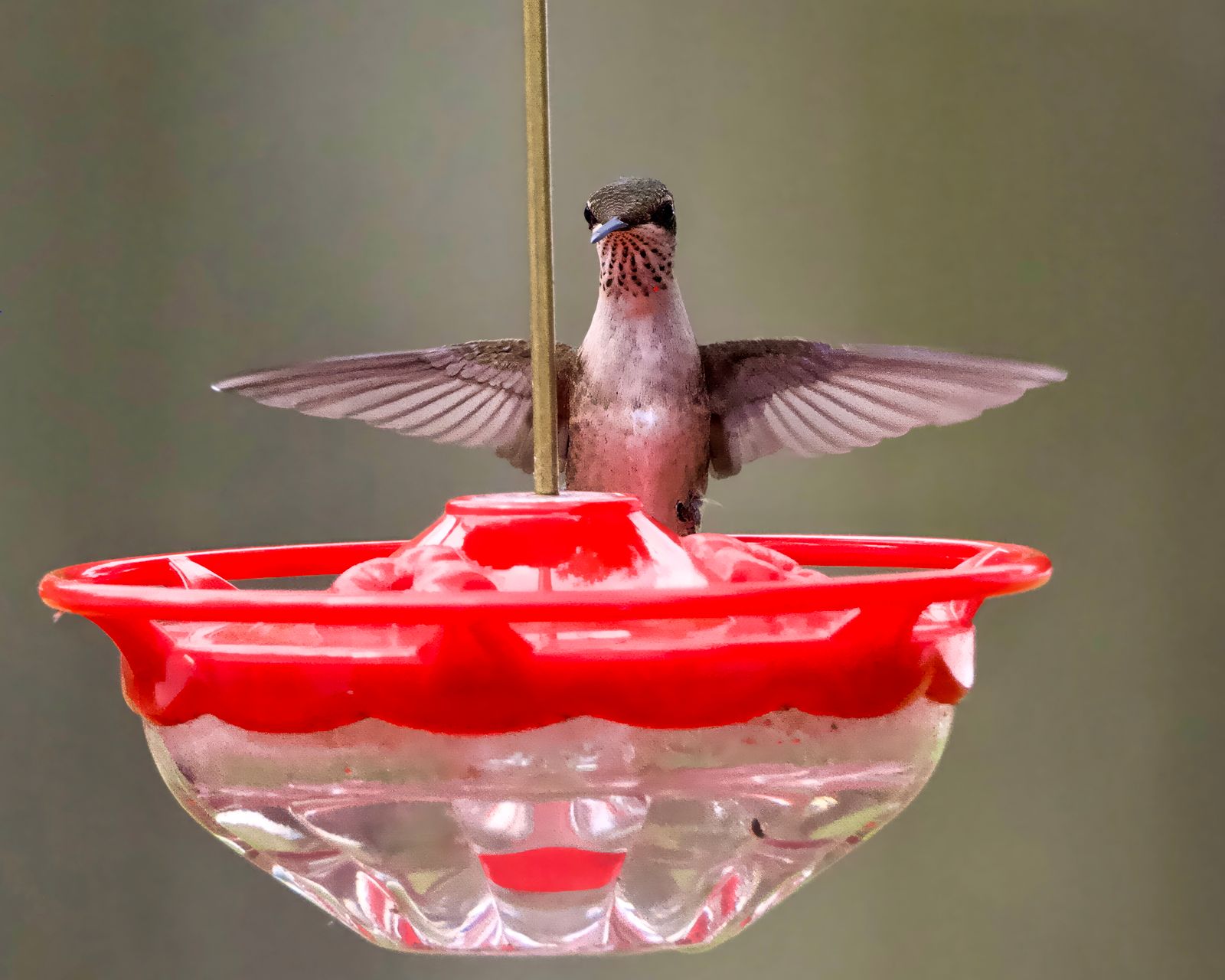
Seasonal Solar Feeder Care: How to Protect Hand-Blown Glass and Solar Cells in Winter
Should you bring your solar hand-blown glass hummingbird feeder inside for the winter? Yes. Bring your feeder indoors before ambient temperatures fall below 32°F (0°C). Expanding frozen nectar will fracture hand-blown glass reservoirs along internal stress lines, while sub-freezing damp weather causes lithium solar cap batteries to permanently lose storage capacity and traps moisture inside electronic circuits.
Step-by-Step Dual-Component Winterization Checklist
- [ ] Empty remaining sugar nectar completely as outdoor evening temperatures approach 35°F.
- [ ] Soak the hand-blown glass reservoir in warm (never boiling) water with mild dish soap or a 1:4 white vinegar solution.
- [ ] Use a soft bottle brush to gently clean hardened sugar crystals out of the slender neck grooves.
- [ ] Wipe the solar cap housing with a dry microfiber cloth; do not submerge electronic cap assembly in water.
- [ ] Expose the solar cap to direct sunlight for 3-4 hours to achieve roughly 50% battery charge before winter storage.
- [ ] Inspect the anti-rust metal base, feeding ports, and silicone seal ring; ensure every crevice is thoroughly dry.
- [ ] Store both the glass artwork and solar cap in a climate-controlled indoor room between 45°F and 70°F.
Printable Autumn Pack-Away & Spring Prep One-Pager
- 35°F Alert: Prepare to transition hand-blown glass indoors; check weather forecasts nightly.
- 32°F Hard Freeze: Full pack-away required. Never allow liquid nectar to freeze inside glass.
- Glass Wash Rule: Lukewarm soak only. Boiling water causes irreversible thermal shock fractures.
- Solar Cap Rule: Toggle switch OFF after bringing to a 50% charge state. Store in dry, heated living spaces.
- Overwintering Bird Rule: Swap hand-blown glass art for plastic window feeders if Anna's hummingbirds reside nearby.
Action Plan: Preparing Your Garden for the First Hard Freeze
Your decision: Determine whether local night temperatures are approaching 32°F.
Do this next: Follow the step-by-step checklist to deep-clean your LUJII feeder, partially charge the solar cap, and store both indoors.
- Read next: Spring Unboxing and Testing Your Solar Hummingbird Feeder
LUJII Hand-Blown Glass Solar Hummingbird Feeder (32 oz) - Handcrafted artisan glass with anti-rust metal base and multi-mode RGB solar lighting cap.
Take immediate steps to protect your garden investments before the first frost arrives.
Key Takeaways for Winterizing Artisanal Solar Feeders
Understanding the physical limitations of handcrafted glass and solar electronics prevents costly winter damage.
Seasonal Care & Temperature Safety Schedule
- Above 50°F (Optimal Outdoor Operation) — Maintain normal weekly nectar changes and cleanings. Solar cap charges fully under direct daylight for 8 hours of multi-mode RGB illumination.
- 33°F to 49°F (Late Autumn Precaution Zone) — Inspect nectar daily for slush or cloudiness. Bring glass inside during unexpected freeze snaps. Wipe moisture off the solar panel lens.
- 32°F and Below (Critical Indoor Pack-Away Zone) — BRING FEEDER INDOORS IMMEDIATELY. Ice expansion fractures handcrafted glass reservoirs and permanently degrades frozen lithium solar batteries.
Costly Winter Care Blunders That Ruin Glass & Electronics
Avoid these common failure modes to ensure your feeder operates like new when spring returns:
- Pouring Boiling Water Into Cold Hand-Blown Glass: Hand-blown glass is shaped by master artisans at 2,300°F and cooled slowly. However, pouring boiling water into a room-temperature or cold glass reservoir creates extreme thermal shock. The sudden differential expansion causes instant micro-fractures or catastrophic shattering along the hand-shaped curves.
- Submerging the Solar Cap Assembly: The plastic solar cap shields against ambient rain and snow from above, but it is not submersible. Dunking the cap into dishwater forces water past the rubber gaskets, corroding the circuit board and RGB LED controller.
- Leaving Lithium Solar Batteries Fully Discharged in Cold Storage: Storing a lithium solar battery at 0% power in an unheated garage causes chemical cell collapse. Over winter, self-discharge drops the battery voltage below the minimum safety threshold, making it impossible to recharge come spring.
- Ignoring Standing Nectar During Sudden Overnight Freezes: Nectar is sugar water, which freezes at roughly 27°F–28°F (slightly lower than pure water). As it freezes into solid ice, it expands by approximately 9% in volume. In a slender 32 fl.oz glass reservoir, this outward pressure exerts hundreds of pounds of force directly against the glass walls.
First Freeze Winterization Timeline
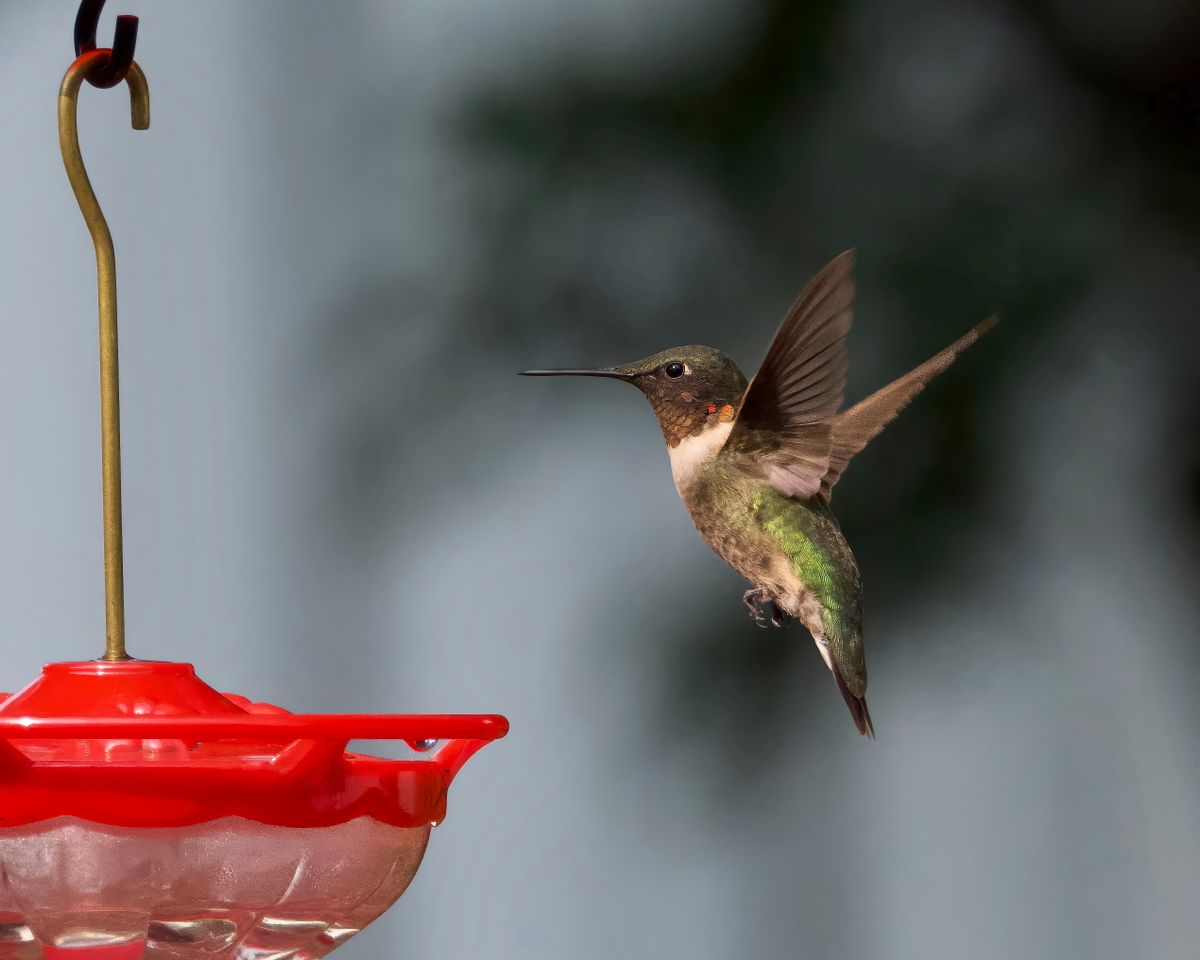
Photo by A. G. Rosales on Pexels
- 4 Weeks Before First Expected Frost — Inspect the rubber gasket seals, metal base anti-rust coating, and glass neck grooves for sugar build-up. Order backup winter feeding supplies if overwintering hummers are present.
- 2 Weeks Before First Expected Frost — Monitor overnight weather forecasts closely. Shift nectar fill levels down to half capacity (16 oz) to minimize waste if a sudden freeze requires emergency removal.
- Night of First 32°F Freeze Alert — Remove feeder from garden hook before sunset. Bring indoors, drain nectar, wash glass in warm soapy water, dry metal base thoroughly, charge solar cap to 50%, and store in a climate-controlled room.
Frequently Asked Questions About Winterizing Solar Feeders
Get expert answers to common cold-weather feeder maintenance questions.
Recommended Artisan Solar Hummingbird Feeders
When winter passes, elevate your garden atmosphere with our signature handcrafted solar feeder line. Each piece combines vibrant, mouth-blown glass art with intelligent RGB solar illumination.
Keep Your Garden Magical Year-Round
Your decision: Ready to store your feeder or upgrade your garden decor?
Do this next: Follow our winterization steps today, then explore our artisanal glass collection to find the perfect color pattern for your spring sanctuary.
- Read next: Spring Unboxing and Testing Your Solar Hummingbird Feeder
🌟 LUJII Solar-Powered Hummingbird Feeder 🌟 — Bring artisanal beauty and magical RGB illumination to your backyard.
Now that you know how to protect your hand-blown glass artwork and solar components from freezing winter weather, explore our complete care guides or browse our handcrafted glass collections for the upcoming spring season.
Further Reading on Solar Lighting & Garden Ambiance
Link readers to relevant internal pillar guides.
Cover photo by A. G. Rosales on Pexels.