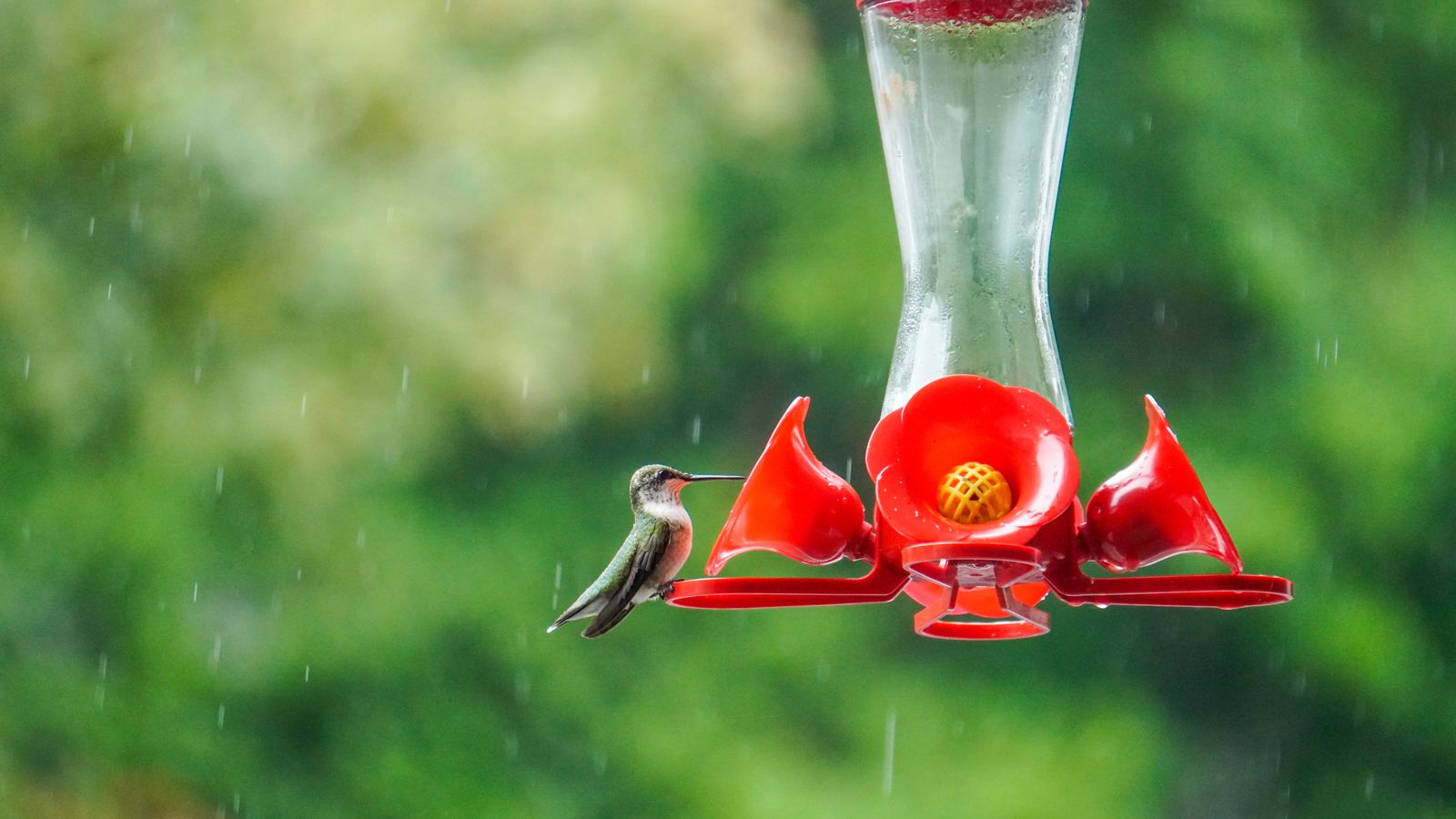
Rainy Season Feeder Care: Preventing Metal Base Rust in High Humidity
Should you use standard anti-rust sprays on a metal hummingbird feeder base during high humidity? Absolutely not. To stop rust safely without harming hummingbirds, dry metal components thoroughly after cleaning and rub a micro-thin layer of food-grade organic beeswax or mineral oil onto outer metal surfaces every two weeks. Avoid chemical sprays near feeding ports and keep solar caps completely dry.
Rainy Season Feeder Maintenance Checklist
- [ ] Unscrew the hand-blown glass reservoir and separate all metal base components completely.
- [ ] Wash the metal base using warm water and mild unscented dish soap; avoid abrasive steel wool or wire pads.
- [ ] Inspect metal feeding ports and internal threaded joints for surface flaking, mineral deposits, or early oxidation spots.
- [ ] Neutralize minor surface rust spots using a soft toothbrush dipped in plain white vinegar, followed by an immediate fresh water rinse.
- [ ] Towel dry thoroughly, then allow components to air dry completely in warm indoor airflow or indirect sunlight for 30 minutes.
- [ ] Inspect the plastic solar battery cap perimeter housing and rubber gasket to ensure no trapped moisture or condensation exists.
- [ ] Apply a micro-layer of food-grade mineral oil or raw organic beeswax to outer metal surfaces using a clean microfiber cloth.
- [ ] Verify that all feeding port openings remain completely clear of oil, wax, or nectar residue.
- [ ] Reassemble the threaded metal base carefully to avoid cross-threading or scoring protective powder coatings.
- [ ] Refill with fresh 4:1 sugar water nectar and rehang in a sheltered location during prolonged storm events.
Quick-Print High-Humidity Feeder Care Card
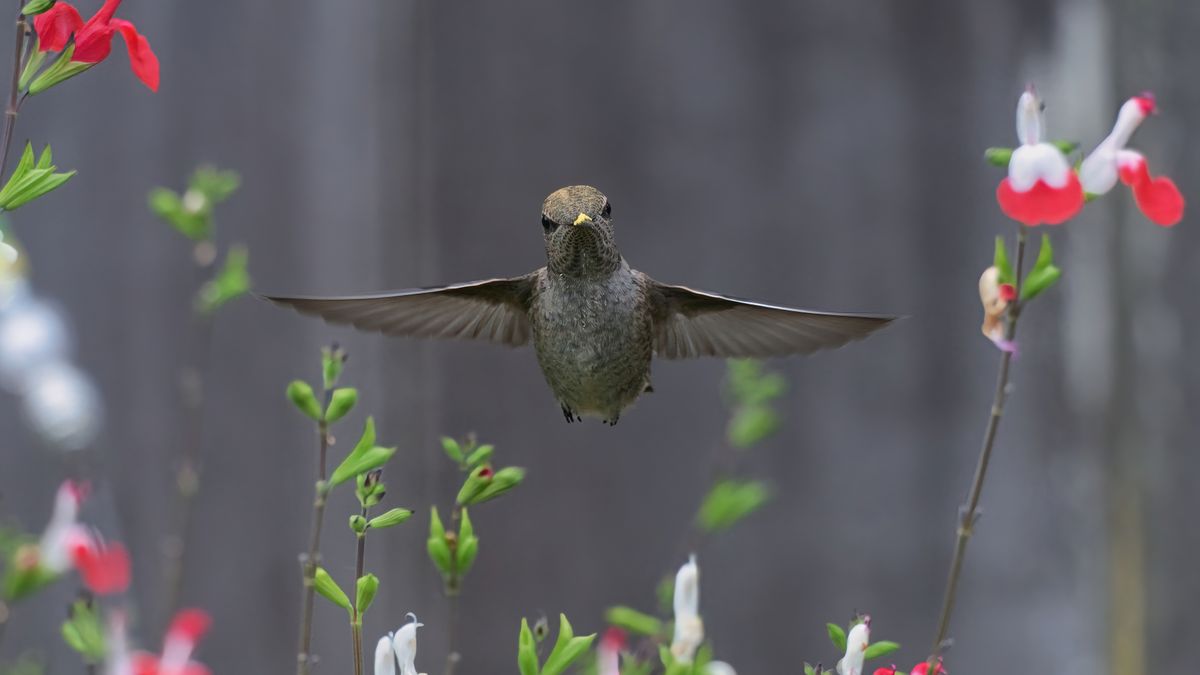
Photo by Townsend Walton on Pexels
- FREQUENCY: Inspect metal base & dry every 3 days in >75% humidity; deep clean & re-wax every 14 days.
- SAFE BARRIERS: Food-grade organic beeswax, raw carnauba wax, or pure food-grade mineral oil ONLY.
- PROHIBITED: WD-40, Rust-Oleum, automotive wax, synthetic oils, or chemical aerosol sealants.
- SOLAR SAFETY: Never submerge the top solar cap. Wipe cap housing with a dry microfiber cloth.
- RUST TREATMENT: Gently scrub light spots with white vinegar, rinse with water, dry thoroughly, and apply beeswax.
- NECTAR CADENCE: Replace sugar water every 48 hours when humidity exceeds 70% to prevent fungal bloom.
Expert Note: Protecting Solar Battery Housing While Rust-Proofing
When servicing your feeder's metal base, pay special attention to the solar lighting assembly above the glass. LUJII solar hummingbird feeders feature an engineered protective plastic solar cap designed to shield the internal solar panel, rechargeable battery, and RGB light modules from rain and snow. However, during high-humidity spells, vapor can condense around the cap rim. Never submerge this solar cap in cleaning solutions or allow oil coatings to migrate onto the rubber perimeter gasket. Wax only the lower metal base and hanging hardware, leaving the solar housing clean, dry, and unobstructed so the solar cells can efficiently charge during the day and cast radiant RGB colors through the hand-blown glass at night.
Failure Modes: Moisture Degradation & Rust Matrix
| Failure Mode | Root Cause | Bird Safety Hazard | Immediate Non-Toxic Remedy |
| --- | --- | --- | --- |
| Surface Rust Spots on Feeding Ports | Continuous moisture exposure eroding outer anti-rust coating | Flaking oxidation creates microscopic pores that harbor lethal mold and toxic bacterial colonies in nectar. | Gently scrub spot with soft toothbrush and white vinegar. Rinse thoroughly, dry completely, and seal with organic beeswax. |
| Seized or Sticking Metal Base Threads | Moisture trapped inside threaded metal joint causing galvanic oxidation | Forces users to strip coating during dis-assembly, accelerating future corrosion into nectar basin. | Apply 2 drops of food-grade mineral oil to threads. Allow to sit for 5 minutes, then unscrew gently without force. |
| Cloudy Moisture Inside Solar Housing | Condensation buildup during high humidity or damaged rubber perimeter gasket | Can short-circuit internal wiring, leading to premature RGB LED illumination failure. | Remove cap, wipe gasket dry with microfiber cloth, and place in warm room with low humidity for 24 hours. |
| Flaking Base Paint or Powder Coating | Harsh scrubbers or chemical cleaners breaking factory protective bond | Paint flakes can contaminate nectar basin and be accidentally ingested by visiting hummingbirds. | Stop using wire brushes. Flake off loose coating safely, wipe smooth, and coat raw metal area with food-grade beeswax. |
Addressing moisture damage early prevents structural degradation, electrical failure, and dangerous bacterial growth near feeding ports.
Key Takeaways for Humid Weather Care
Mastering wet-weather feeder care preserves both your artisan glass investment and the health of your backyard hummers.
Rainy Season Care Cadence & Moisture Drying Protocol
- Daily (During Active Rain or >80% Humidity) — Visually inspect solar cap perimeter gasket for standing water accumulation. Check feeding ports for cloudy nectar or dark mold spots.
- Every 2 to 3 Days — Dump unused nectar, rinse glass reservoir with hot water, towel-dry metal base completely, and refill with fresh 4:1 sugar water.
- Every 14 Days (Routine Moisture Barrier Care) — Fully disassemble metal base components. Scrub light oxidation with vinegar, dry in sunlight for 30 minutes, and reapply a micro-layer of raw beeswax.
- Monthly / End of Storm Season — Inspect S-hook, metal hanging chain, and base threads. Clean solar panel top glass with damp soft cloth to ensure optimal solar absorption.
Bird-Safe Rust Prevention vs. Toxic Chemicals
| Maintenance Option | Bird Safety Level | Water Resistance | Reapplication Frequency | Nectar Contact Safety |
| --- | --- | --- | --- | --- |
| Organic Raw Beeswax | 100% Safe (Non-Toxic Organic) | High (Hydrophobic Natural Barrier) | Every 14–21 Days | Safe near external ports when fully buffed |
| Food-Grade Mineral Oil | 100% Safe (USP Grade) | Moderate (Washes off over time) | Every 7–10 Days | Safe for metal threads and outer rim |
| Pure Carnauba Wax | 100% Safe (Plant-Derived Wax) | Very High (Durable Hard Shell) | Every 21–30 Days | Safe for outer metal base shells |
| WD-40 / Petroleum Sprays | TOXIC (Pesticides & Petroleum) | High | Do Not Use | DANGEROUS: Leaches petroleum toxins into nectar |
| Commercial Rust-Oleum Sprays | TOXIC (Solvents & Synthetic Resin) | Very High | Do Not Use | DANGEROUS: Off-gasses and contaminates food |
Never compromise avian health for chemical rust resistance. Compare bird-safe options against dangerous household sprays.
Choosing the Right Non-Toxic Barrier Coating
When selecting a protective coating for metal hummingbird feeder components in humid environments, bird safety must be the absolute priority. Always choose food-grade, non-volatile natural sealants.
Best choice for
- Organic Raw Beeswax Polish — Forms a firm, hydrophobic natural barrier that stays intact through heavy downpours without running or emulsifying into nectar ports.
- Food-Grade Mineral Oil — Quick and effortless to wipe onto metal threads and port trim during fast nectar refills using a simple cloth.
- Avoid synthetic aerosol sprays, penetrating oils, automotive polish, or chemical rust converters containing petroleum distillates.
- Pure Carnauba Plant Wax — Provides a high-temperature hard wax finish ideal for southern coastal summer humidity.
Feeder Care Essentials for High-Humidity Regions
Pair your feeder maintenance kit with handcrafted feeders engineered specifically for exterior weather resilience.
LUJII Anti-Rust Powder Coating & Construction Specifications
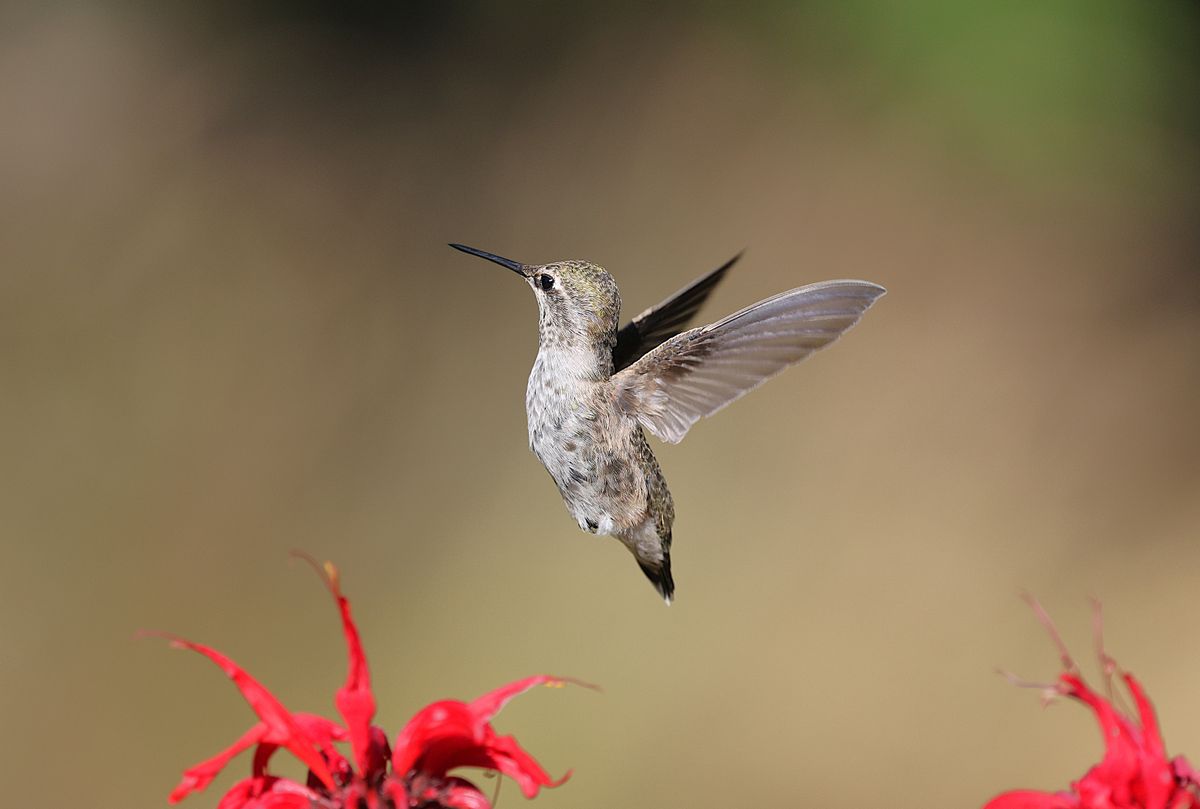
Photo by Veronika Andrews on Pexels
| Component | Material Specification | Weather Protection Feature | Maintenance Requirement |
| --- | --- | --- | --- |
| Base Assembly | Heavy-Duty Metal Alloy with Powder Coating | Anti-rust powder coat shields base metal from moisture oxidation | Wipe clean with mild soap; buff outer surface with beeswax bi-weekly. |
| Nectar Reservoir | 32 fl. oz Hand-Blown Art Glass (2,300°F) | Thick, non-porous translucent glass resistant to acid etched decay | Rinse with warm water; clear see-through design allows instant nectar level checks. |
| Solar Assembly | Protective Plastic Weather Cap & Rubber Seal | Shields internal solar panel, RGB LED module, and battery from rain | Keep dry; wipe panel glass clean with microfiber cloth to maintain optical solar charge. |
| Hanging Hardware | Coated Anti-Rust S-Hook & Metal Chain | High tensile metal chain resistant to continuous outdoor rust | Inspect link contact points for friction wear and wipe with mineral oil. |
Understanding how high-quality feeders are constructed helps you maintain their rust-resistant integrity over years of exposure.
Dangerous Pitfalls in Humid Weather Feeder Care
Avoid these critical errors that threaten both your feeder's longevity and hummingbird safety.
Timeline: What Happens When Metal Base Oxidation Is Ignored
- Day 1–3 in 85% Humidity — Moisture condenses in un-waxed metal threads and pinhole coating micro-fissures. Nectar starts accelerating bacterial growth.
- Day 7–10 — Microscopic iron oxidation spots begin forming on metal feeding ports. Rust particles start leaching into sugar water.
- Day 14–21 — Surface rust turns porous, harboring toxic mold colonies. Threads begin binding, making base dis-assembly difficult without stripping metal.
- Day 30+ — Powder coating flakes off in larger sections, raw metal undergoes severe oxidation, and structural seal failure leaks nectar.
Related Feeder Maintenance Guides
- All-Season Solar Hummingbird Feeder Weatherproofing Guide
- Solar Hummingbird Feeder Maintenance: Hand-Blown Glass Cleaning Guide
- Artisan Glass Solar Hummingbird Feeder Care: Cleaning & Solar Placement Guide
Frequently Asked Questions About Rust and Humidity
Get answers to common wet-weather feeder care questions from wild bird care specialists.
Immediate Actions for Today's Damp Forecast
Your decision: Determine if your feeder metal base shows early signs of surface oxidation or requires routine wet-weather barrier coating.
Do this next: Inspect metal ports today, wipe thoroughly dry, and apply a micro-layer of food-grade beeswax or mineral oil before the next rain cycle.
- Read next: Hummingbird Feeder Gasket and O-Ring Maintenance
- Read next: Summer Storm Protection for Glass Solar Feeders
LUJII Hand-Blown Glass Solar Hummingbird Feeder with Anti-Rust Metal Base
Take these simple steps today to safeguard your feeder before the next rainstorm hits.
Cover photo by Koushalya Karthikeyan on Pexels.