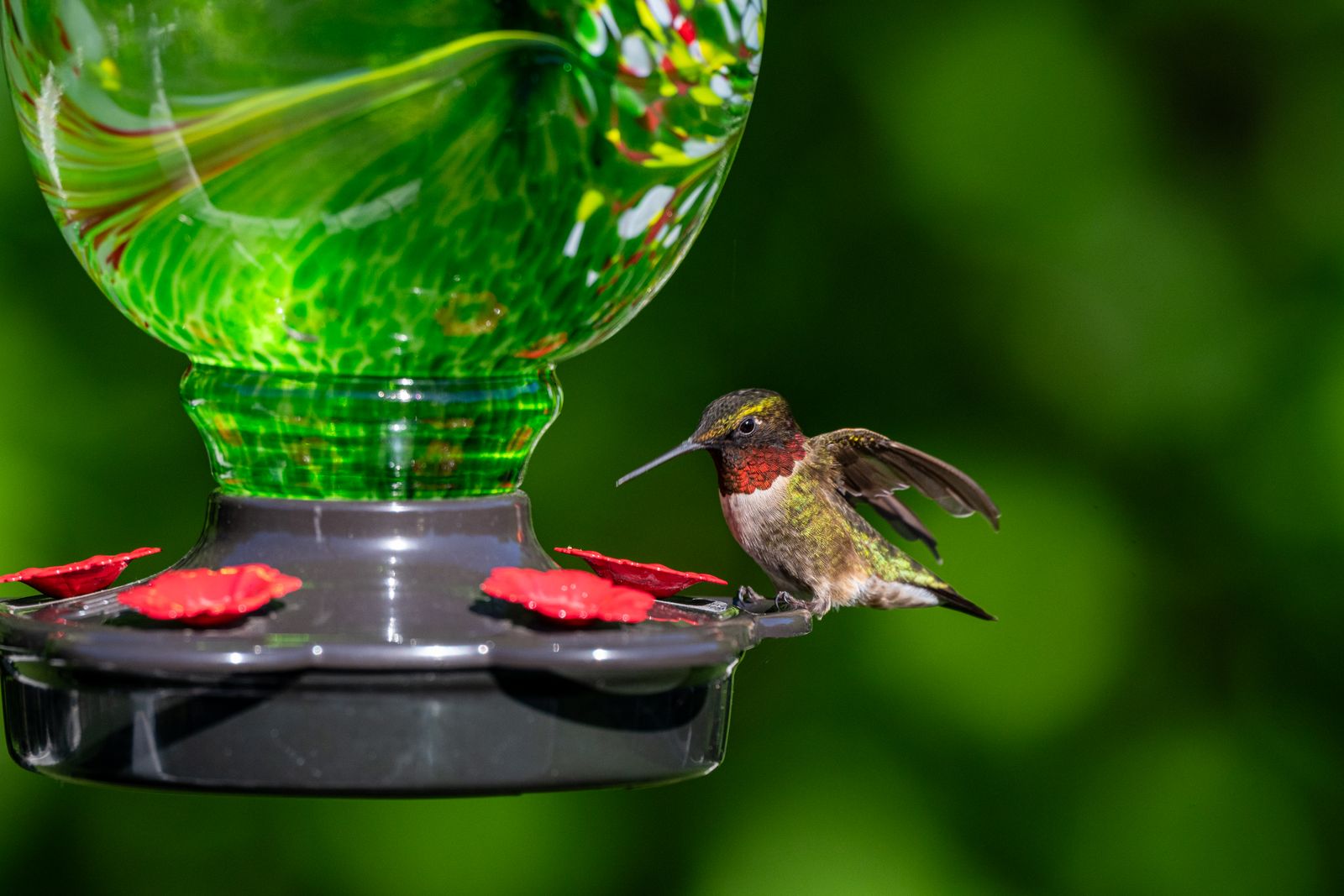
Artisan Glass Solar Hummingbird Feeder Care: Cleaning & Solar Placement Guide
Should you submerge your solar glass hummingbird feeder to clean it? No. You must detach the top solar cap and wipe it clean with a damp cloth—never submerge it in water. Wash the hand-blown glass reservoir separately using warm water and a 1:4 white vinegar solution. Position the feeder so the top solar panel receives 4–6 hours of direct sunlight while tree foliage shades the glass nectar chamber.
Essential Maintenance Checklist for Hand-Blown Solar Feeders
- [ ] FAILURE WARNING: NEVER submerge the top solar cap or battery compartment in water. Wipe clean with a damp microfiber cloth only.
- [ ] FAILURE WARNING: NEVER pour boiling or icy water into hand-blown glass. Rapid thermal shifts cause stress fractures.
- [ ] FAILURE WARNING: NEVER use bleach, dish soaps, or wire scouring pads, which leave toxic residue for birds and scratch handcrafted glass.
- [ ] Detach metal feeding base and silicone seal gently before washing glass.
- [ ] Soak hand-blown glass reservoir in warm water with 1 part distilled white vinegar to 4 parts water for 15 minutes.
- [ ] Use a soft bottle brush or rice-swirl technique to dislodge internal debris—avoid metal scouring pads.
- [ ] Rinse glass thoroughly with lukewarm water until vinegar aroma is fully absent.
- [ ] Inspect anti-rust metal base ports for organic buildup; scrub ports using small port brushes.
- [ ] Allow all parts to air dry completely before reassembling and refilling with fresh sugar solution.
Quick-Reference Care & Maintenance Sheet
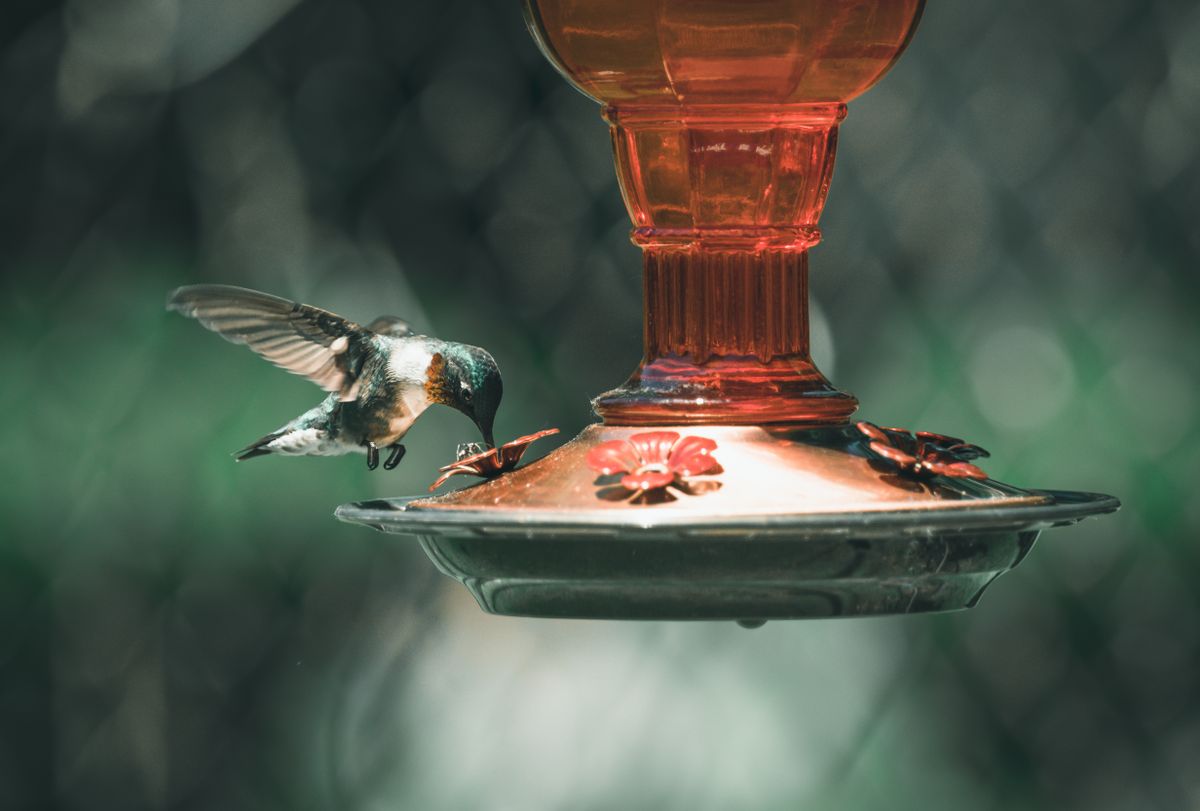
- Cleaning Solution Ratio: 1 part distilled white vinegar to 4 parts warm tap water.
- Solar Module Protocol: 0% water immersion. Damp cloth wipe down only.
- Glass Wash Safety: Lukewarm water only. Never place hand-blown glass in dishwashers.
- Ideal Placement Rule: Direct sunlight on solar cap + dappled leaf canopy shade over glass reservoir.
- Nectar Spoilage Threshold: Replace solution every 24-48 hours when temperatures pass 90°F.
Pro Tip: Preventing Thermal Shock in Hand-Blown Glass Reservoirs
Handcrafted glass reservoirs are shaped by glass artists at temperatures reaching 2,300°F. Because of the unique hand-blown wall variations that give artisan glass its vibrant beauty, sudden temperature shifts cause unequal expansion across thick and thin zones.
Never run cool glass under hot tap water or pour chilled nectar directly into a warm glass reservoir straight from afternoon sun. Always allow your glass feeder to reach room temperature naturally before washing with lukewarm water.
Seasonal & Temperature-Based Cleaning Schedule
- > 90°F (32°C) Scorching Heat — Clean glass reservoir and replace nectar every 24–48 hours. Wipe solar cap module twice weekly to remove dust blocking the solar panel.
- 80°F – 89°F (27°C – 31°C) Peak Summer — Clean glass body every 2–3 days. Check ant moats daily and ensure feeding ports remain clean.
- 70°F – 79°F (21°C – 26°C) Mild Spring/Fall — Clean feeder every 3–4 days. Re-angle solar cap if spring or autumn tree foliage shifts sunlight hours.
- < 70°F (21°C) Cool Weather — Clean feeder every 5–7 days. Monitor nectar clarity and check night illumination brightness.
- Below 32°F (0°C) Freezing Winter — FAILURE RISK: Bring artisan glass feeders indoors! Water expanding inside metal base threads or glass reservoirs during a freeze will shatter hand-blown glass.
Key Takeaways for Glass Preservation & Solar Longevity
Keep these core tenets in mind to maximize the lifespan of your feeder and keep visiting hummingbirds healthy.
Cleaning Solutions & Failure Scenarios Comparison
| Scenario | Recommended Maintenance Method | Failure Mode Avoided | Avian & Solar Safety Impact |
| --- | --- | --- | --- |
| High Ambient Heat (>90°F) | Dappled overhead shade on glass; daily lukewarm vinegar rinse | Rapid nectar fermentation, bacterial blooms, and glass stress | Prevents crop infections in hummingbirds while maintaining 8-hour RGB solar recharge |
| Narrow Bottleneck Mold Buildup | Raw white rice + warm vinegar swirl method (no wire brushes) | Interior glass scratching and chemical soap residue | Preserves optical clarity of hand-blown artwork without toxic soap film |
| Dusty / Pollen-Covered Solar Cap | Wipe cap housing gently with damp microfiber cloth | Water immersion short-circuiting lithium battery circuitry | Protects IP-rated seal while ensuring full solar light recharge for nighttime display |
| Freezing Winter Weather | Drain solution, wash, dry completely, and store indoors | Shattered glass from ice expansion inside metal threads | Preserves artisan heirloom glass for early spring hummingbird scouts |
Comparing maintenance methods against environmental scenarios helps you avoid accidental damage while keeping nectar safe.
Anatomy & Care Zones of a Solar Glass Feeder
Understanding where electronic zones end and washable glass zones begin prevents water damage.
Nectar Refill & Cleaning Frequency Calculator Brief
Estimate your required maintenance interval based on local ambient heat and sunlight exposure.
5 Deadly Mistakes That Ruin Artisan Solar Hummingbird Feeders
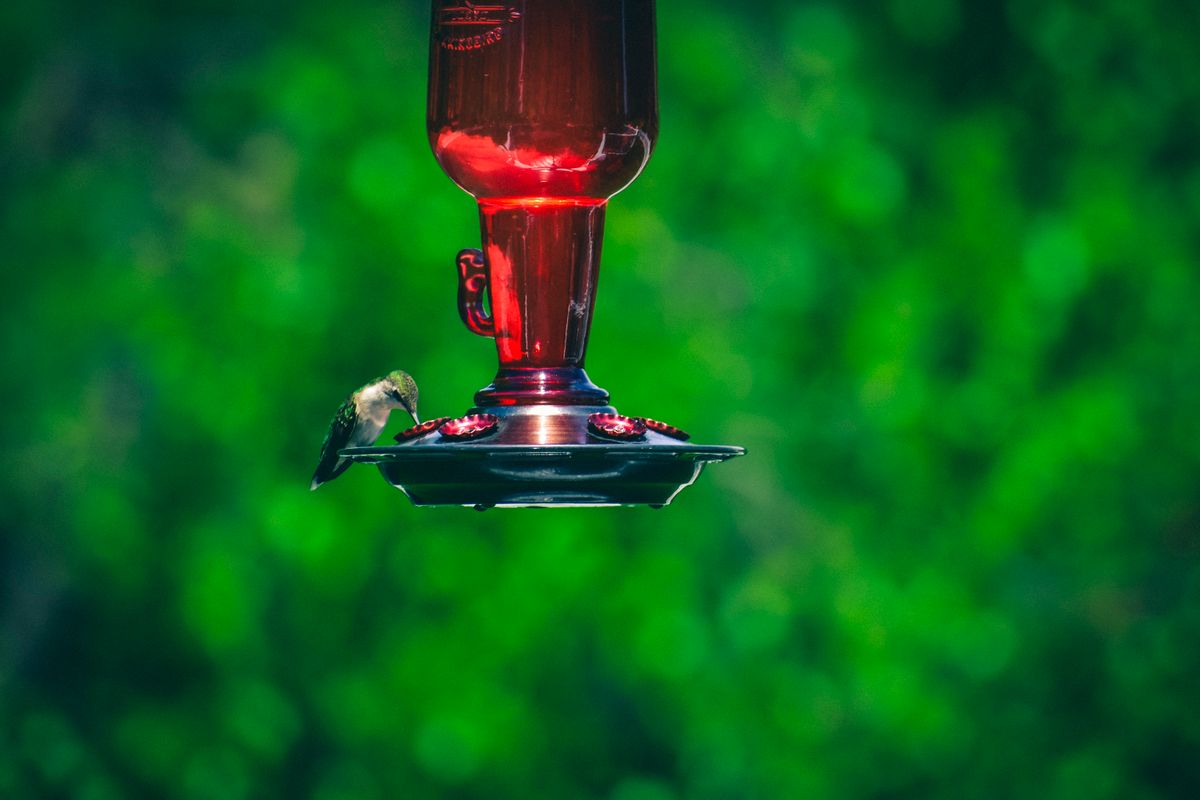
Avoid these five frequent errors to protect your garden investment and keep visiting birds thriving.
12-Month Lifespan Expansion & Seasonal Timeline
- Early Spring (Migration Arrival) — Inspect silicone seals for flexibility. Rehang feeder in partial sun, filled with fresh homemade 4:1 nectar recipe.
- Mid-Summer (Peak Activity) — Shift to 48-hour cleaning intervals during summer heat. Wipe top solar panel weekly to maximize nighttime battery life and illumination.
- Early Autumn (Southward Migration) — Keep feeders clean and filled to nourish migrating scouts. Check ant moat seals as insects search for late-season sugar.
- Late Fall / Winter Freeze — Deep clean glass body, dry all metal threads completely, remove battery if stored long-term, and store artisan glass indoors until spring.
Related Guides & Backyard Gardening Tips
Expand your backyard wildlife knowledge with these complementary guides from our expert care series:
Frequently Asked Questions About Artisan Solar Feeder Care
How do I clean mold out of narrow-neck glass feeders without using bleach?
Soak the glass reservoir in a 1:4 white vinegar and warm water solution for 15-20 minutes. Next, add 2 tablespoons of uncooked white rice along with a cup of warm vinegar water into the bottle. Cover the opening and swirl vigoriously in a circular motion. The rice grains act as a gentle mechanical scrub that dislodges black mold without scratching internal glass walls or leaving toxic chemical films.
Can hand-blown glass feeders stay outside in winter or freezing rain?
No, hand-blown glass feeders should never remain outdoors in freezing conditions. Water trapped between the metal base threads or inside the glass reservoir expands rapidly as it freezes, which shatters artisan glass and distorts metal seals. Store your glass feeder safely indoors when ambient temperatures drop below 32°F (0°C).
Does nighttime solar light disturb roosting hummingbirds?
No. Hummingbirds enter a state of deep metabolic sleep called torpor at night, perching safely in dense tree foliage or sheltered branches away from feeders. Gentle ambient RGB solar illumination on garden feeders provides decorative accent lighting without interfering with roosting birds or their natural sleep cycles.
How do I keep ants and bees away from my solar feeder?
Utilize a leak-proof feeder design featuring a sealed base and tight silicone gasket. Hang the feeder using an ant moat filled with plain water, and ensure you wipe the exterior glass reservoir clean during every refill so no sticky sugar drops lure crawling insects or yellowjackets.
Find clear answers to specific maintenance, safety, and placement questions.
Recommended Artisan Solar Hummingbird Feeders & Care Tools
Elevate your garden aesthetic and delight local pollinators with handcrafted art built for durability and ease of maintenance.
🌟 LUJII Solar-Powered Hummingbird Feeder
- Hand-Blown Glass Artistry: Created by master artisans shaping molten glass at 2,300°F, ensuring every translucent reservoir is a unique centerpiece.
- Solar RGB Lighting Engine: Automatically powers on at dusk to deliver up to 8 hours of multi-mode accent illumination.
- Leak-Proof Mechanics: Features a 32 fl.oz capacity, slender silhouette, silicone gasket seal, and anti-rust coated metal base.
- Weather-Resistant Protective Cap: Shields internal electronics from sun, rain, and snow while charging the internal solar battery.
Next Steps for Your Garden Sanctuary
Your decision: Establish a consistent, safe cleaning routine that protects both your artisan glass investment and visiting hummingbirds.
Do this next: Inspect your feeder's current location to ensure the top solar panel catches direct afternoon sun while the glass reservoir remains shaded.
- Read next: How to Maximize Nighttime Battery Life and Illumination for Your Solar Feeder
LUJII Hand-Blown Solar Hummingbird Feeder with Anti-Rust Metal Base
Ready to bring handcrafted art and nighttime magic to your garden? Follow these final steps to establish a safe, beautiful feeding station.