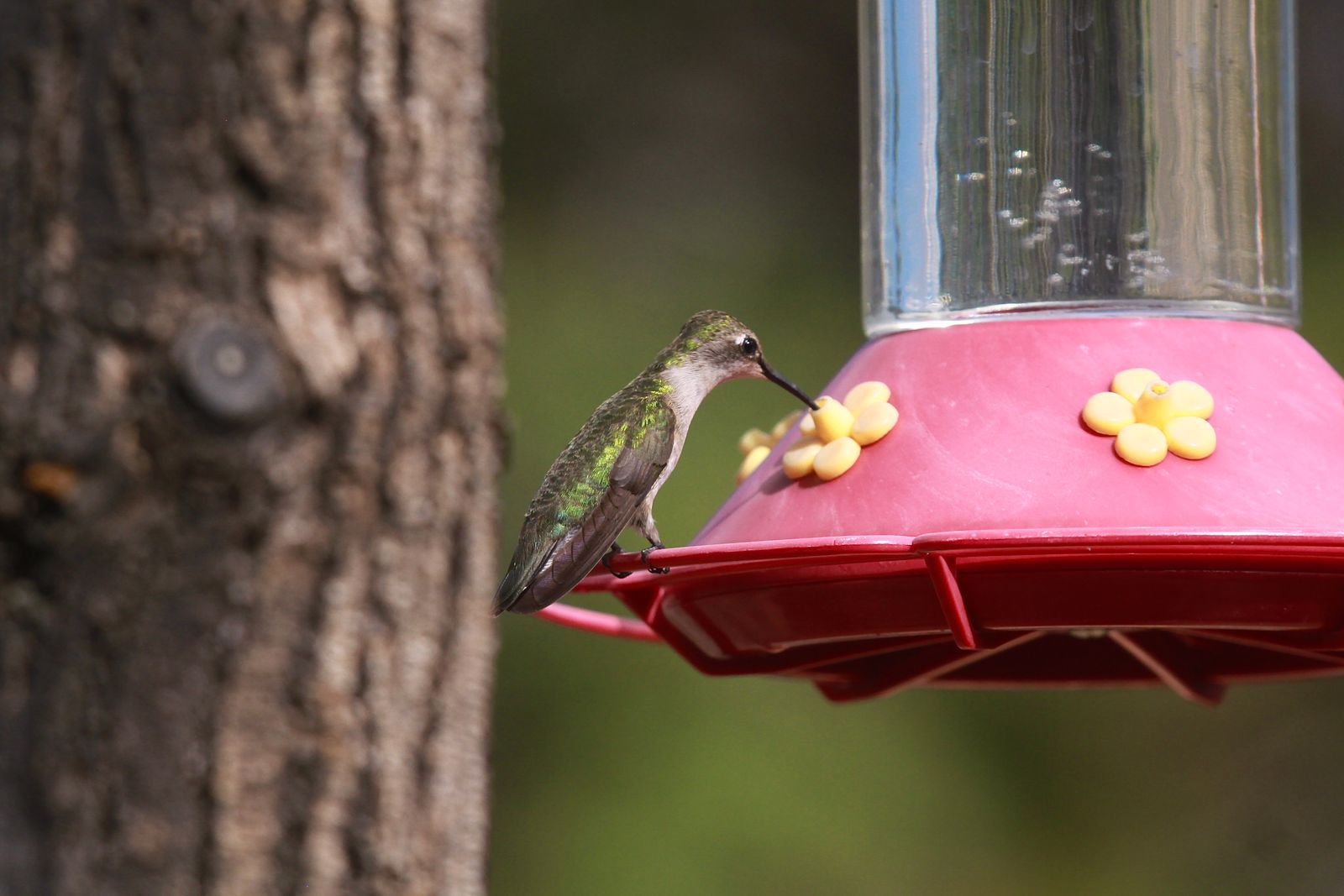
How to Protect Your Hummingbird Feeder During Autumn Cold Snaps and Early Frosts
27°F (-2.8°C) is the exact freezing point of standard 1:4 hummingbird nectar. When forecasted overnight temperatures dip to 32°F or lower, bring hand-blown glass and solar-powered feeders indoors overnight to protect stress points in the glass and preserve solar battery electronics, re-hanging them 30 minutes before dawn. Alternatively, adjust your autumn nectar to a richer 1:3 ratio, which lowers the freezing threshold to 25°F (-3.9°C) while supplying vital calories for late migrating hummingbirds.
Essential Rules for Cold Snap Protection & Fall Migration
- 27°F Nectar Freeze Threshold: Standard 1:4 sugar water slush-freezes at 27°F; a richer 1:3 fall mixture delays freezing down to 25°F.
- 2,300°F Thermal Shock Limit: Handcrafted blown glass shaped at 2,300°F can fracture if washed with water that differs by more than 30°F from ambient temperature.
- 8-Hour Solar Illumination Protection: Sub-freezing conditions temporarily reduce lithium solar battery efficiency; keep moisture out of cap housing seals to prevent expansion damage.
- 14-Day Post-Sighting Window: Maintain clean nectar for 14 full days after seeing the last hummingbird in your yard to nourish late-migrating stragglers.
Autumn Cold Snap Action Timeline
Photo by A. G. Rosales on Pexels
- Above 32°F (Mild Autumn Evening) — Leave your solar feeder hanging outside. Ensure the solar cap receives 6 to 8 hours of direct daytime sunlight so its RGB LEDs can illuminate the handcrafted glass reservoir for up to 8 hours at night.
- 27°F to 31°F (Light Overnight Frost Warning) — Switch nectar to a 1:3 ratio (1 cup white refined sugar to 3 cups water). Bring the feeder indoors before retiring for the evening, or utilize an outdoor weather heater to keep feeding ports thaw-locked at dawn.
- 25°F to 26°F (Hard Overnight Freeze) — Bring all hand-blown glass feeders inside. Storing the feeder overnight at room temperature protects hand-blown glass curves from stress-cracking and prevents lithium solar battery housing seals from freeze-failing.
- 30 Minutes Before Sunrise (Pre-Dawn Re-Hang) — Hang warm, liquid nectar back outside. Migrating hummingbirds wake up before sunrise with near-depleted energy reserves and rely on immediate calorie access.
- 14 Days After Last Sighting (End-of-Season Winterizing) — Deep clean the glass reservoir, dry all metal base components, remove the solar battery cap assembly, and store safely indoors until spring arrival.
Fall Nectar & Solar Cap Maintenance Schedule
- Daily at Dusk — Check overnight low forecast. Inspect the see-through glass reservoir level and glance at solar cap seals for moisture or ice accumulation.
- Every 3 to 5 Days — Replace unused nectar completely. Even in crisp 50°F autumn weather, sugar water deteriorates after 5 days.
- Weekly Deep Clean — Wash glass reservoir with lukewarm water (never boiling) and a soft brush. Clean anti-rust metal base ports to prevent dried sugar buildup.
- Pre-Freeze Inspection — Verify plastic solar cap housing is tightly screwed onto the glass neck to shield internal LED modules from cold rain and melting snow.
Preventing Thermal Shock in Hand-Blown Glass
Artisan hand-blown glass feeders—crafted by shaping molten glass at 2,300°F—possess unique internal stress patterns that give each vessel its exquisite, translucent beauty. However, sudden temperature swings (thermal shock) can crack cold glass in seconds.
The Warm-Up Rule: If your feeder has been hanging outside in 30°F morning air, never bring it inside and immediately rinse it under hot tap water. Allow the glass to sit at room temperature for at least 30 minutes until it is neutral to the touch. Then, wash using lukewarm water (around 70°F to 80°F). This gradual transition preserves the hand-sculpted integrity of your feeder for decades.
5 Autumn Feeder Mistakes That Harm Birds and Glass
Avoid these five frequent errors during the fall transition season:
Cold Weather Feeder & Solar Battery Troubleshooting Matrix
| Symptom | Probable Cause | Immediate Action | Prevention Strategy |
| --- | --- | --- | --- |
| Nectar slushy at feeding ports | Temperatures dropped below 27°F with standard 1:4 ratio | Bring feeder inside for 15 mins; replace with warm 1:3 nectar | Switch to 1:3 recipe when night forecasts consistently dip below 30°F |
| Solar RGB lights turn off after 2-3 hours | Cold outdoor temps reduce battery output; shorter autumn daylight | Wipe top solar panel clean; re-position feeder for 6-8 hrs direct sunlight | Angle solar cap toward southern exposure; clear autumnal leaf shade |
| Fine hairline crack on glass neck | Thermal shock from rapid temperature change or water freeze expansion | Retire reservoir safely; do not reuse compromised glass under pressure | Bring glass inside before sub-25°F hard freezes; avoid hot washing water |
| Anti-rust metal base ports stiff or frozen shut | Nectar drip crystallized in sub-freezing morning air | Wipe ports with a warm damp cloth to thaw port openings instantly | Use a 32 fl. oz leak-proof sealed base feeder to eliminate sugary drips |
Diagnose and resolve common autumn cold snap issues with this side-by-side technical table.
Regional First Frost & Migration Window Calendar
| US Region / Climate Zone | Average First Frost Window | Peak Fall Migration | Feeder Take-Down Date |
| --- | --- | --- | --- |
| Zone 3-4 (Northern Tier / Mountain West) | September 15 – October 1 | August 15 – September 20 | October 15 (14 days post last sighting) |
| Zone 5-6 (Midwest / Northeast) | October 1 – October 20 | September 1 – October 10 | November 1 |
| Zone 7-8 (Pacific NW / Mid-Atlantic / South Central) | October 25 – November 15 | September 15 – October 30 | November 25 (Or year-round for Anna's) |
| Zone 9-10 (Deep South / Desert SW / Coastal CA) | December 1 – January 15 | October 1 – November 20 | Year-Round (Active winter populations) |
Use this regional breakdown across United States climate zones to coordinate your autumn feeding and winterizing dates.
Weather-Resistant Hand-Blown Solar Hummingbird Feeders
Photo by A. G. Rosales on Pexels
Enhance your autumn garden landscape while providing critical support for late migrants. The 🌟 LUJII Solar-Powered Hummingbird Feeder 🌟 is specifically built to withstand seasonal weather transitions while dazzling your backyard at night.
- Hand-Blown Glass Art: Each colorful glass reservoir is individually handcrafted at 2,300°F by glass artisans, creating vibrant, translucent curves that make monitoring nectar levels effortless.
- Solar Power & RGB Illumination: The top plastic solar cap automatically recharges in sunlight to power night-time RGB lights for up to 8 hours, adding a magical glow to cool autumn evenings.
- Leak-Proof 32 fl. oz Capacity: Designed with a slender silhouette and a precision-sealed base that minimizes drips, keeping wasps away and preventing sugary spills from freezing on the ports.
- Waterproof Shield & Anti-Rust Base: Features a protective weather-cap shielding the solar electronics from rain and snow, paired with a heavy-duty anti-rust coated metal base engineered for multi-season durability.
Zone-Specific Freeze Defense Strategies
Your strategy for managing cold snaps should reflect your geographical location:
- Northern Zones (USDA 3–5): Expect sudden hard freezes in early autumn. Keep a dual-feeder rotation ready: leave one 32 fl. oz feeder indoors overnight filled with 1:3 nectar, and swap it out at first light so birds find liquid food at 25°F.
- Transition Zones (USDA 6–8): Temperatures often bounce between 45°F days and 28°F nights. Take advantage of the translucent glass design to monitor syrup clarity during daytime hours, and rely on the solar cap’s automatic twilight sensor to illuminate your outdoor space during lingering crisp evenings.
- Southern & Pacific Coastal Zones (USDA 9–10): Frosts are rare, but autumn rain squalls can be heavy. The plastic solar cap shields solar housing electronics against wind-driven precipitation, ensuring your RGB lights shine reliably through late-season twilight storms.
The Autumn Frost Defense Checklist
- [ ] Check local weather forecast daily for forecasted night lows below 32°F.
- [ ] Inspect hand-blown glass reservoir for any pre-existing micro-fractures.
- [ ] Ensure the rubber seal on the solar cap LED module is clean, dry, and seated tight.
- [ ] Prepare a batch of fall-strength nectar (1:3 ratio) if temperatures regularly hover between 25°F and 30°F.
- [ ] Set an early morning alarm to re-hang indoor-stored feeders 30 minutes before sunrise.
- [ ] Clean anti-rust metal base feeding ports to prevent nectar freeze-lock.
Frequently Asked Questions About Fall Feeder Care
Does feeding hummingbirds in autumn delay their migration south?
No. Migration is governed by instinct and photoperiod (changing daylight hours), not food availability. Keeping feeders filled gives late migrants and weak stragglers the high-energy fuel required to survive their journey south.
How do I prevent hand-blown glass from cracking when cleaning it in cold weather?
Prevent thermal shock by allowing cold glass brought inside from the yard to adjust gradually to room temperature for 30 minutes before washing with lukewarm water. Never pour hot or boiling water into cold glass.
Can cold weather permanently damage the solar rechargeable battery in my feeder cap?
Sub-freezing air temporarily lowers lithium battery efficiency, resulting in shorter nightly RGB light runtimes. However, permanent damage occurs only if water seeps inside the housing and freezes, expanding against the battery casing. Keep the cap seal dry and tight.
When is the exact date I should clean and store my solar feeder for the winter?
Keep your feeder clean, filled, and active until 14 days (two full weeks) after you observe the last hummingbird of the season in your yard.
Clear up common autumn feeding questions with these science-backed answers:
Continue Exploring Seasonal Hummingbird Care
Expand your backyard birding knowledge with these essential seasonal guides:
- Seasonal Hummingbird Care: Spring Arrival Through Autumn Migration — Complete year-round timetable for feeder deployment and maintenance.
- How to Clean and Maintain Your Hand-Blown Solar Hummingbird Feeder — Step-by-step instructions for preserving artisan glass brilliance and solar battery health.
- Nighttime Garden Safety for Roosting Hummingbirds: Autumn Twilight Feeding Tips — How evening RGB illumination helps late migrants locate last-call energy supplies.
Your Winterizing Action Plan & Post-Migration Guide
Your decision: Determine whether your local area is experiencing temporary overnight dips or the final hard freeze of the season.
Do this next: Bring your hand-blown glass solar feeder indoors tonight if temperatures will drop below 32°F, re-hanging it at first light.
- Read next: How to Clean and Maintain Your Hand-Blown Solar Hummingbird Feeder
- Read next: Nighttime Garden Safety for Roosting Hummingbirds: Autumn Twilight Feeding Tips
🌟 LUJII Hand-Blown Glass Solar Hummingbird Feeder (32 oz Leak-Proof Sealed Base) 🌟
Determine your immediate next step based on tonight's weather forecast and local bird activity.
Cover photo by Jennelope 🩷 on Pexels.