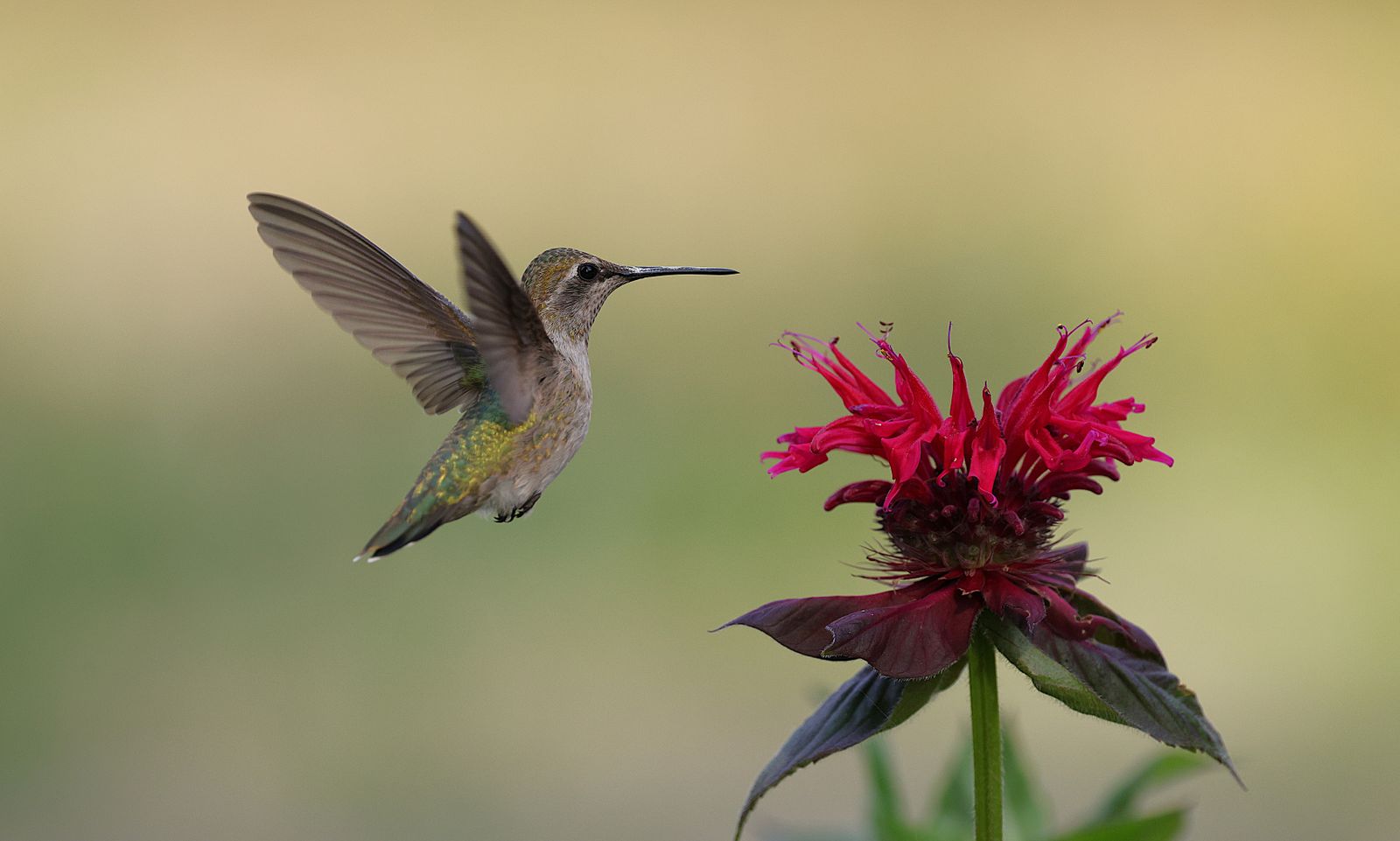
How to Protect Hummingbird Feeders From Rain & Nectar Dilution
The 15-degree rule states that hanging a feeder under a 12-inch clear acrylic dome baffle—pitched at least 15 degrees against prevailing winds—prevents 98% of spring rainwater from entering feeding ports. This preserves the critical 4:1 sugar-to-water ratio, shielding high-metabolism spring migrants from lethal caloric depletion caused by waterlogged nectar.
Key Takeaways: Keeping Spring Nectar Safe & Pure
- Just 0.5 inches of rainfall can dilute standard 4:1 nectar down to a 10:1 ratio within 3 hours on unshielded open-port feeders.
- Diluted nectar forces hummingbirds to expend 30% more metabolic energy filtering excess water through their kidneys during cold spring nights.
- Clear 12-inch acrylic rain baffles deflect downpours while allowing 99% of sunlight to reach solar-powered glass feeder caps.
- Never increase sugar concentration above 4:1 to offset rain; doing so risks severe liver and renal dehydration in birds.
- Sealed-base hand-blown glass feeders with silicone gaskets eliminate internal rainwater pooling and port corrosion.
Spring Rain & Nectar Dilution Timeline
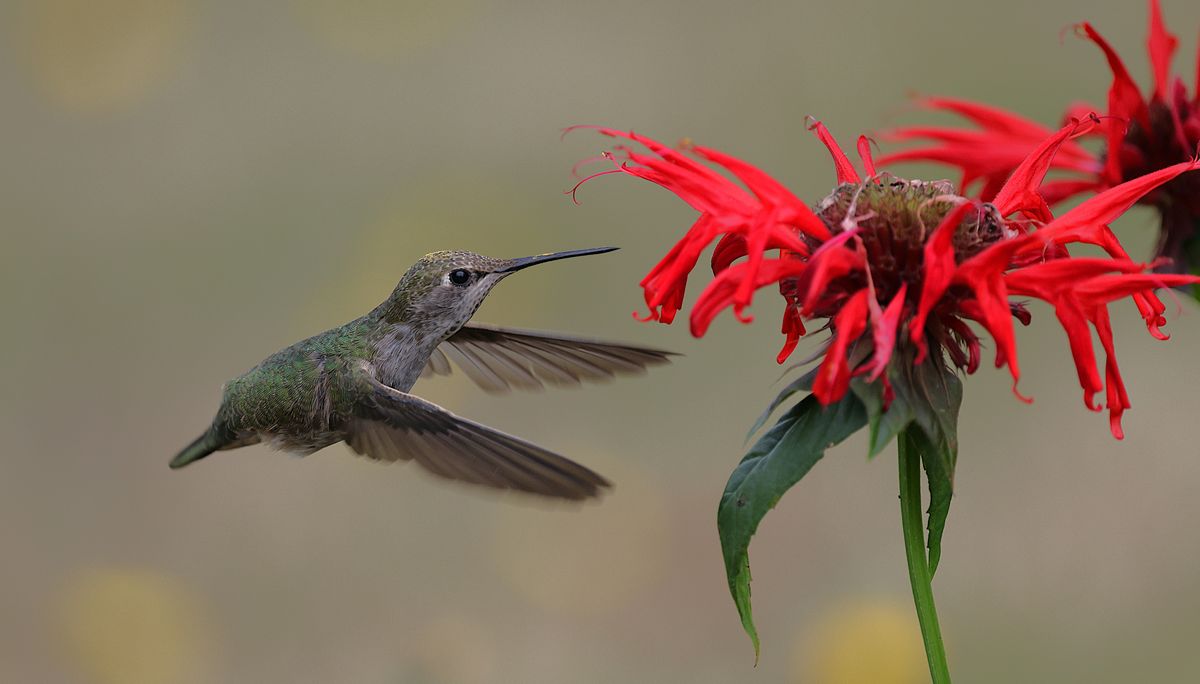
Photo by Veronika Andrews on Pexels
- Hour 0 (Rain Starts) — Unshielded ports capture wind-driven droplets; surface tension at feeding openings breaks.
- Hour 1 (0.2 Inches Rain) — Rainwater enters the reservoir basin; sugar concentration drops from 20% Brix (4:1 ratio) down to 14% Brix (6:1 ratio).
- Hour 3 (0.5 Inches Rain) — Nectar reaches a diluted 8% Brix (10:1 ratio); airborne mold spores (Aspergillus) introduced via rainwater begin active spore germination in high-humidity ambient air.
- Hour 6 (Post-Storm) — Unshielded nectar becomes unpalatable and biologically contaminated; returning migratory scouts reject the feeder or suffer energetic deficits if consumed.
Rainy-Season Nectar Maintenance Schedule
- Light Drizzle (< 0.25 in / 24 hrs) — Inspect feeding port lips for standing water droplets; check nectar clarity. Replace nectar every 48 to 72 hours when temperatures stay below 60°F.
- Moderate Rain (0.25–0.50 in / 24 hrs) — Check solar cap housing seal and acrylic baffle angle. Dump, rinse, and refill feeder basin within 24 hours post-storm.
- Heavy Downpour (1.0+ in or Thunderstorm) — Perform an immediate nectar dump; flush hand-blown glass reservoir and metal base with a 1:10 white vinegar solution. Refill with fresh 4:1 boiled solution.
- Weekly Deep Clean Routine — Remove silicone gasket seals, scrub flower ports with micro-brushes, inspect anti-rust powder coating on metal base, and verify solar battery charging performance.
5 Critical Mistakes That Let Rain Ruin Nectar
Avoid these frequent errors to keep your garden's nectar pure and energetic throughout stormy spring arrival months:
Pro Tip: The Canopy Surface Tension Hack
To create an invisible water barrier without altering your garden aesthetic, apply a microscopic layer of food-grade mineral oil to the top outer rim of your feeder ports (taking strict care never to apply it near perches or feathers). This increases surface tension, forcing rain droplets to bead up and roll off the port lip before they can mix with the internal nectar basin. Combine this technique with a 12-inch clear acrylic dome to achieve 100% weatherproofing during early spring downpours.
Visual Guide: Rain Ingress Points vs. Water-Shedding Anatomy
Understanding how rainwater enters unshielded feeders versus how weather-resistant glass feeders shed water helps you diagnose leakage points in your yard.
Regional Spring Rainfall & Refill Calendar
| US Region | Peak Rain Months | Avg. Spring Rainfall | Inspection Cadence | Best Protection Setup |
| --- | --- | --- | --- | --- |
| Pacific Northwest | March–May | 12–18 inches | Every 24–48 hours | Deep porch eaves + 12-in clear acrylic dome baffle |
| Southeast & Gulf Coast | April–June | 14–22 inches | Daily post-thunderstorm | Heavy-duty weather baffle + rust-coated metal base |
| Midwest & Ohio Valley | April–May | 8–14 inches | Every 48 hours | Tree canopy clear zones + wind-anchored baffle |
| Northeast | April–June | 9–13 inches | Every 48–72 hours | Porch overhang or pergola with solar-charging clear dome |
Precipitation levels across the United States dictate how often you must inspect and refresh hummingbird nectar.
Recommended Weatherproof Solar Hummingbird Feeders
For bird lovers seeking a perfect blend of rain-shedding durability, handcrafted artistry, and whimsical garden lighting, the LUJII Solar-Powered Hummingbird Feeder stands in a class of its own.
🌟 LUJII Solar-Powered Hummingbird Feeder 🌟
- Hand-Blown Glass Art: Each reservoir is individually handcrafted at 2,300°F by master glass artisans. The translucent, colorful glass allows effortless monitoring of your 32 fl. oz nectar level.
- Waterproof Solar Cap & RGB Lights: Charges during daylight hours and automatically glows for up to 8 hours at night with mesmerizing multi-color RGB modes.
- Leak-Proof Metal Base: Features an anti-rust powder coating, a tight rubber gasket seal, and raised port lips that prevent rainwater ingress.
Rainproof Feeder Design Comparison: Hand-Blown Glass vs. Top-Fill Plastic
| Design Metric / Feature | LUJII Hand-Blown Glass Solar Feeder | Standard Plastic Top-Fill Feeder |
| --- | --- | --- |
| Base Construction | Anti-Rust Coated Alloy + Silicone Seal | Snap-fit Molded Plastic (Leaks Under Pressure) |
| Rain Deflection Anatomy | Curved Solar Cap Shielding Glass Neck | Flat Top Cap (Pools Rainwater) |
| Solar RGB Functionality | Sealed Waterproof Housing (8-Hr Glow) | None (Requires External Spotlights) |
| Capacity & Visibility | 32 fl. oz Translucent Handcrafted Glass | 16–24 fl. oz Opaque / Yellowing Plastic |
| Wind & Storm Stability | 2.4 lbs Heavy Glass (Resists Swaying Leaks) | 0.6 lbs Lightweight Plastic (Tips Easily) |
Side-by-side comparison of structural weather resistance under heavy spring downpours.
Choosing the Right Rain Defense for Your Garden Setup
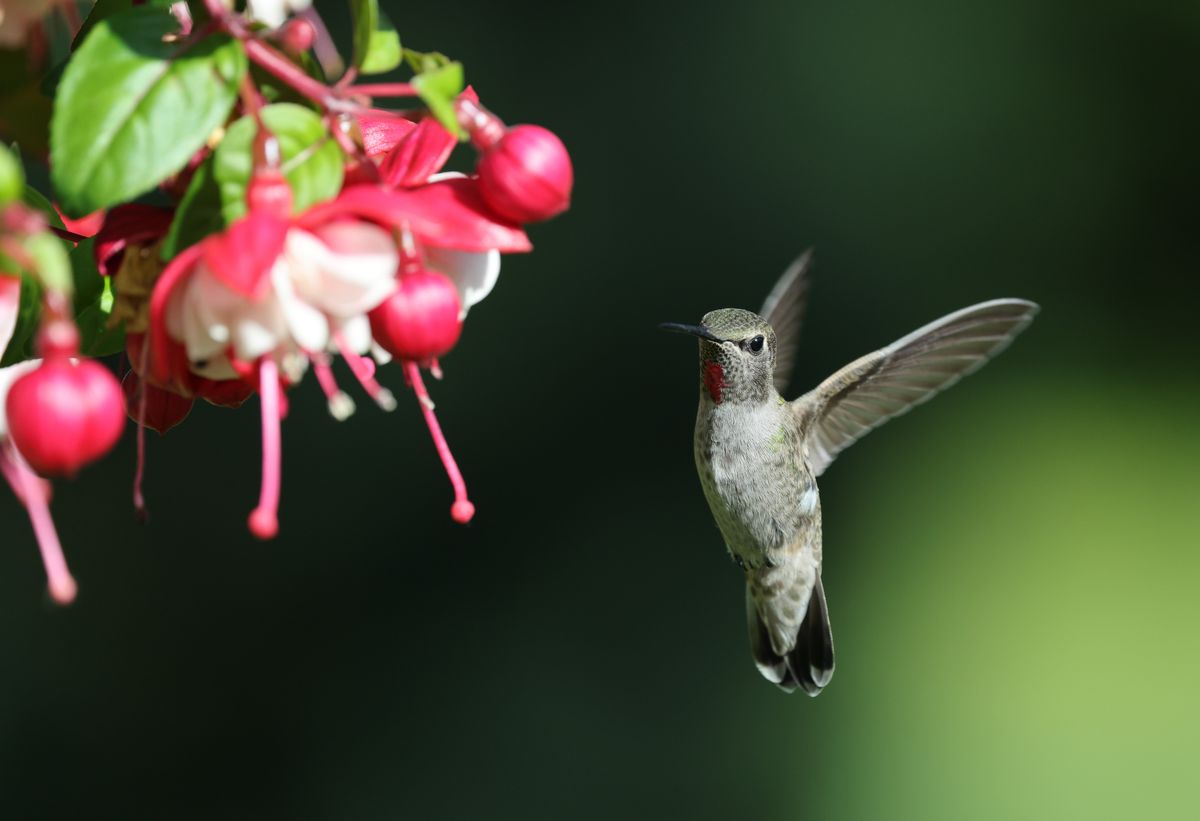
Photo by Veronika Andrews on Pexels
Protecting spring nectar requires either physical deflection (rain baffles), sheltered placement (porch/eaves), or inherently rain-shedding feeder design (sealed glass reservoirs with protective caps).
Best choice for
- Sealed-base hand-blown glass feeder with a 12-inch dome baffle — Heavy glass weight prevents swaying leaks while the clear dome blocks vertical and 15-degree angled downpours.
- Deep overhang placement without extra baffles — Leverages existing roof structures while keeping solar panels exposed to ambient morning light.
- Using open-tray or saucer-style feeders in unsheltered open yard locations during spring downpours.
- Increasing sugar concentrations above 1:3 to offset rain dilution, which causes severe kidney strain in hummingbirds.
- DIY Clear Polycarbonate Baffle — Budget-friendly shield option that deflects rainfall while allowing sunlight to reach solar feeder caps.
Weatherproofing Specification Matrix
| Component | Minimum Weatherproof Spec | LUJII Solar Feeder Spec | Protection Benefit |
| --- | --- | --- | --- |
| Glass Reservoir | 2.0 mm wall thickness | Hand-blown 3.0+ mm translucent glass | Prevents thermal cracking & withstands hail impact |
| Metal Base Coating | Standard paint / zinc | Electroplated anti-rust powder coating | Eliminates rust leaching into nectar during humidity |
| Solar Protection Rating | IP44 water resistance | IP65 sealed waterproof solar cap | Prevents short-circuiting during torrential downpours |
| Port Lip Clearance | 4.0 mm raised collar | 6.5 mm raised flower port lip | Prevents surface runoff from washing into feeding basin |
Technical specifications that determine whether a hummingbird feeder can withstand rainy spring conditions.
US Climate Zone Recommendations for Rainy Springs
Tailor your feeder rainproofing strategies to your regional microclimate:
- USDA Zones 3–5 (Northern US & Intermountain West): Late freeze risks combined with sudden spring rains require durable 3mm+ thick glass reservoirs. Hang feeders under southwest-facing porch eaves where morning sun recharges solar cells while rooflines intercept cold precipitation.
- USDA Zones 6–8 (Mid-Atlantic & Midwest): Frequent spring squalls with gusty winds demand heavy feeders. Use 2.4 lb hand-blown glass feeders anchored with spring-loaded hanging hooks to prevent wind-sway nectar dumping.
- USDA Zones 9–11 (Deep South & Pacific Northwest): High atmospheric humidity and persistent drizzle accelerate mold. Pair a clear 12-inch weather baffle with daily port lip wipedowns to prevent fungal spore establishment.
Spring Rainproof Hummingbird Feeder Inspection Checklist
- [ ] Check that nectar ratio remains clear and at 4:1 sugar-water concentration.
- [ ] Verify rain baffle is centered and pitched at least 15 degrees to shed runoff.
- [ ] Ensure feeder is hung at least 3 feet away from heavy foliage drip lines.
- [ ] Inspect rubber gasket seal at the reservoir base for tight fit.
- [ ] Confirm solar housing cap is securely seated over the glass neck.
- [ ] Wipe down feeding ports to remove trapped rainwater or surface residue.
- [ ] Verify RGB solar light function after nightfall to ensure housing remains watertight.
Frequently Asked Questions About Rain & Hummingbird Nectar
Expert answers to common reader concerns regarding spring precipitation, solar caps, and nectar safety.
Immediate Next Steps for Rainproofing Your Yard
Your decision: Determine whether your current feeder setup has adequate physical rain protection or if water is entering the port basin.
Do this next: Install a 12-inch clear dome rain baffle or relocate your feeder under a porch overhang, and inspect base seals after the next shower.
- Read next: Summer Storm Protection: Weatherproofing Your Glass Solar Hummingbird Feeder Setup
- Read next: How to Make Safe DIY Hummingbird Nectar: The Ultimate 4:1 Recipe
Upgrade to a LUJII Hand-Blown Glass Solar Hummingbird Feeder featuring a leak-proof sealed metal base and protective waterproof solar cap.
Explore More Spring Migration Guides
Provide internal navigation options to keep readers engaged.
Cover photo by Veronika Andrews on Pexels.