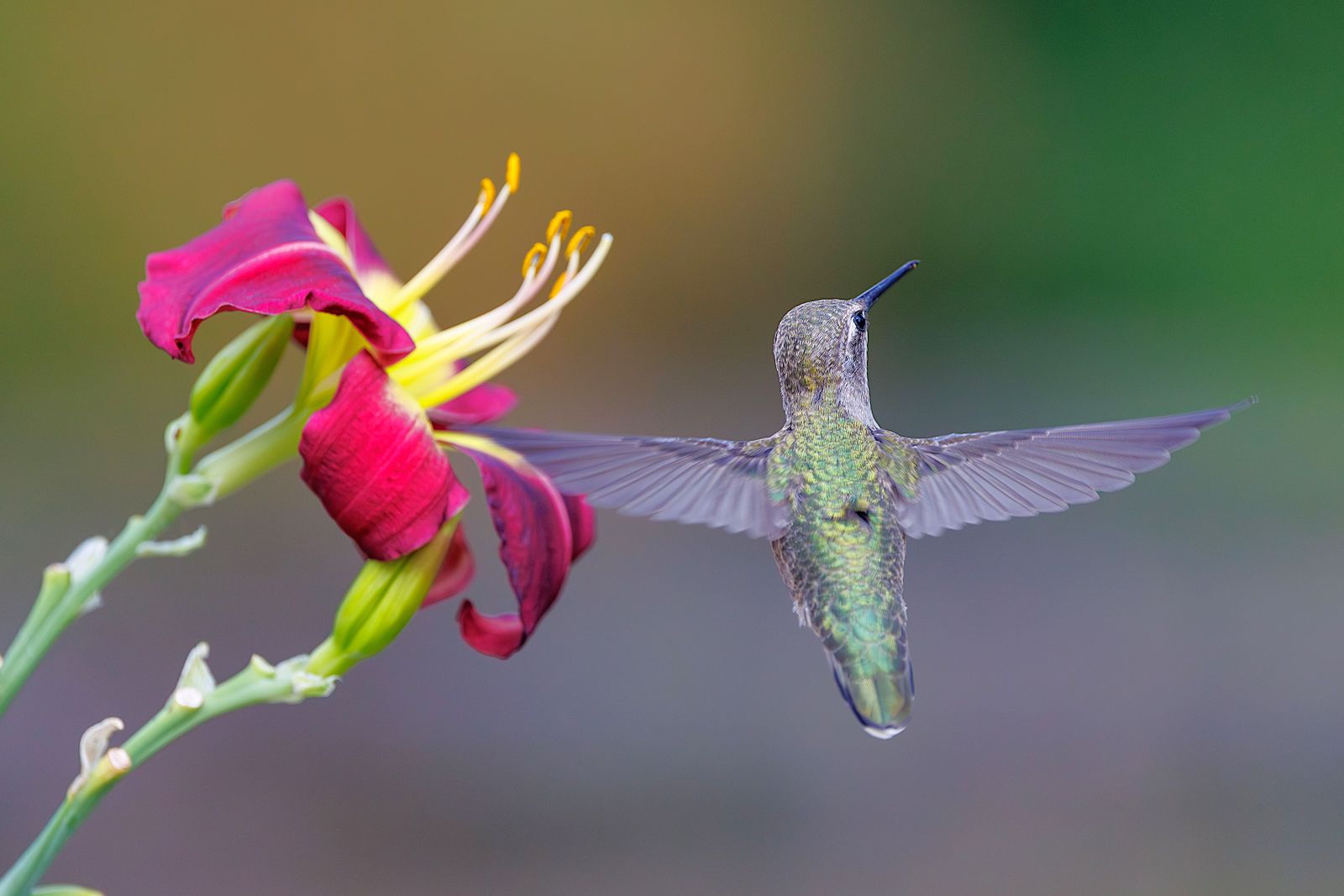
Transitioning Evening Backyard Decor for Fall: Autumn Migration and Twilight Lighting
Follow the 14-day rule in autumn: keep your hummingbird feeder outside for 14 full days after your last bird sighting. Reposition the feeder 5–10 feet southward and tilt the solar panel 15–20 degrees lower to capture 6+ daily sunlight hours, ensuring 8 hours of magical evening RGB lighting.
Key Takeaways for Fall Feeder Transition
- The 14-Day Post-Sighting Window: Never take feeders down early; migrating hummingbirds rely on late-season fuel points.
- Southward Solar Relocation: Shift feeders 5 to 10 feet south to bypass lower autumn solar trajectories and shadow lines.
- Wind & Shelter Proximity: Hang hand-blown glass reservoirs 10 to 15 feet from dense evergreens to shield birds and nectar from cold north winds.
- 1:4 Nectar Precision: Maintain 1 part pure white sugar to 4 parts water; avoid anti-freeze additives or higher sugar concentrations.
- Twilight RGB Glow: Solar-charged LEDs provide gentle garden ambiance without disorienting roosting birds sleeping in nearby foliage.
Fall Migration Timeline: When Birds Move & Lights Glow
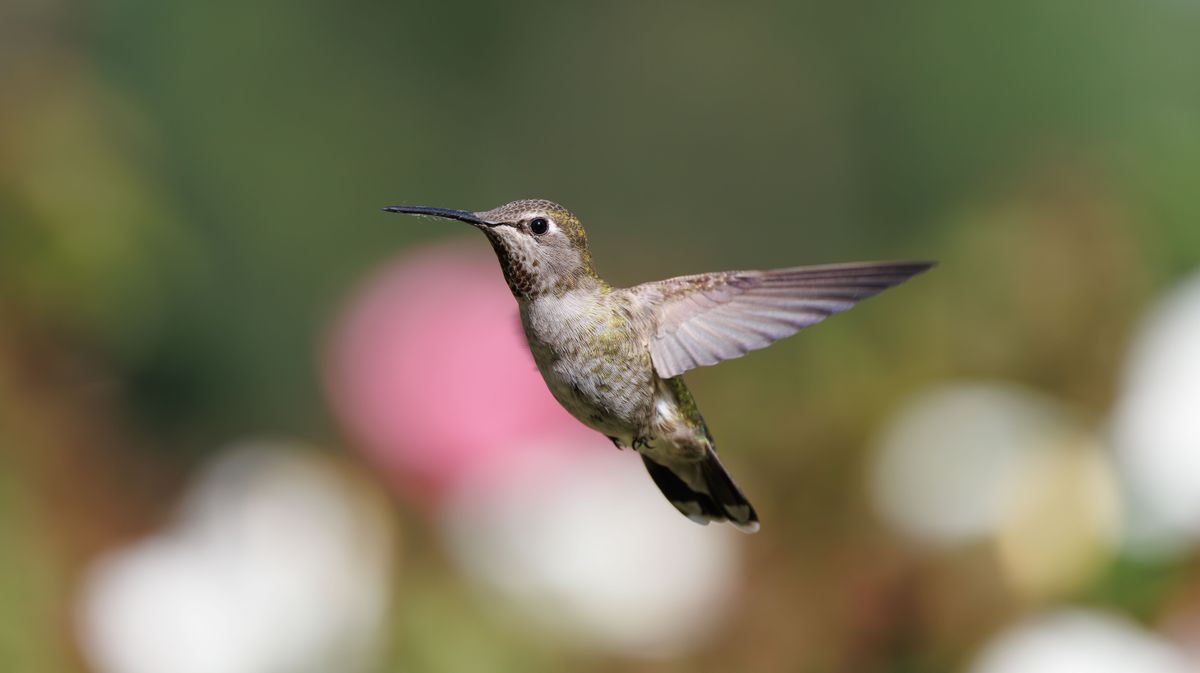
Photo by Veronika Andrews on Pexels
- Late August – Early September — Shift solar feeders 5–10 feet south to capture lower afternoon sun angles; clean solar panels weekly as tree leaves begin dropping dust.
- Mid to Late September — Peak southbound migration for Ruby-throated hummingbirds. Refresh nectar every 3 days as ambient temperatures hover between 55°F and 68°F.
- Early to Mid October — Inspect hand-blown glass for hairline thermal micro-cracks during chilly 40°F mornings. Ensure solar cap receives 6 full hours of unobstructed South sunlight.
- Late October – November — Begin the 14-day countdown after your final hummingbird sighting. Bring glass feeders indoors during overnight hard freeze warnings (<28°F).
Autumn Feeder & Solar Panel Maintenance Schedule
- Daily at Dusk — Wipe top solar cell with a damp microfiber cloth to remove fall leaf dust, pollen, and sap residue.
- Every 3–4 Days (50°F–65°F) — Flush glass reservoir with warm water and soft brush; replace 1:4 nectar solution to prevent mold formation.
- Weekly — Inspect anti-rust metal base ports and silicone leak-proof seals for tight fit against wind vibration.
- Overnight Frost Warnings (<32°F) — Bring glass feeder inside after dusk; re-hang at pre-dawn (6:00 AM) so early migrant scouts find unfrozen liquid fuel.
Pro Tip: Preventing Nectar Freeze & Thermal Shock in Glass
Hand-blown glass reservoirs formed at 2,300°F possess incredible structural integrity, but rapid thermal shifts require smart management. On early autumn frost nights, never add alcohol, honey, or extra sugar above a 1:4 ratio to lower the freezing point—excess sugar harms avian kidney function. Instead, bring your feeder indoors at bedtime and place it by the door. Re-hang it 30 minutes before sunrise. The room-temperature 1:4 nectar will give passing migrants a crucial, high-energy boost during autumn's coldest morning hours.
Interactive Tool: Autumn Migration & Solar Lighting Schedule Planner
Use this interactive calculator spec to align local autumn daylight hours with expected solar battery runtimes and regional bird departure windows.
Visual Placement Spec: Sun Angles, Windbreaks & Roosting Distance
Follow this structural layout to balance optimal solar panel sun capture with essential wind shielding for hungry hummingbirds.
Regional Autumn Sunlight & Migration Calendar
| US Region | Peak Migration Departure Window | Avg Oct Sunlight Hours | Nightly RGB Light Duration |
| --- | --- | --- | --- |
| Northern Tier (Northeast / Upper Midwest) | September 15 – October 5 | 4.5 – 5.5 Hours | 5 – 6 Hours |
| Central Tier (Mid-Atlantic / Midwest / Plains) | September 25 – October 20 | 5.5 – 6.5 Hours | 6 – 7 Hours |
| Southern Tier (Sunbelt / Gulf Coast) | October 10 – November 15+ | 6.5 – 8.0 Hours | 7 – 8 Hours |
| Pacific Northwest (Anna's Hummingbird Zone) | Year-Round Resident Presence | 4.0 – 5.0 Hours | 5 – 6 Hours |
Compare your geographic location with average October daylight availability, migration end dates, and expected solar RGB runtime.
Handcrafted Accent: LUJII Hand-Blown Glass Solar Feeders
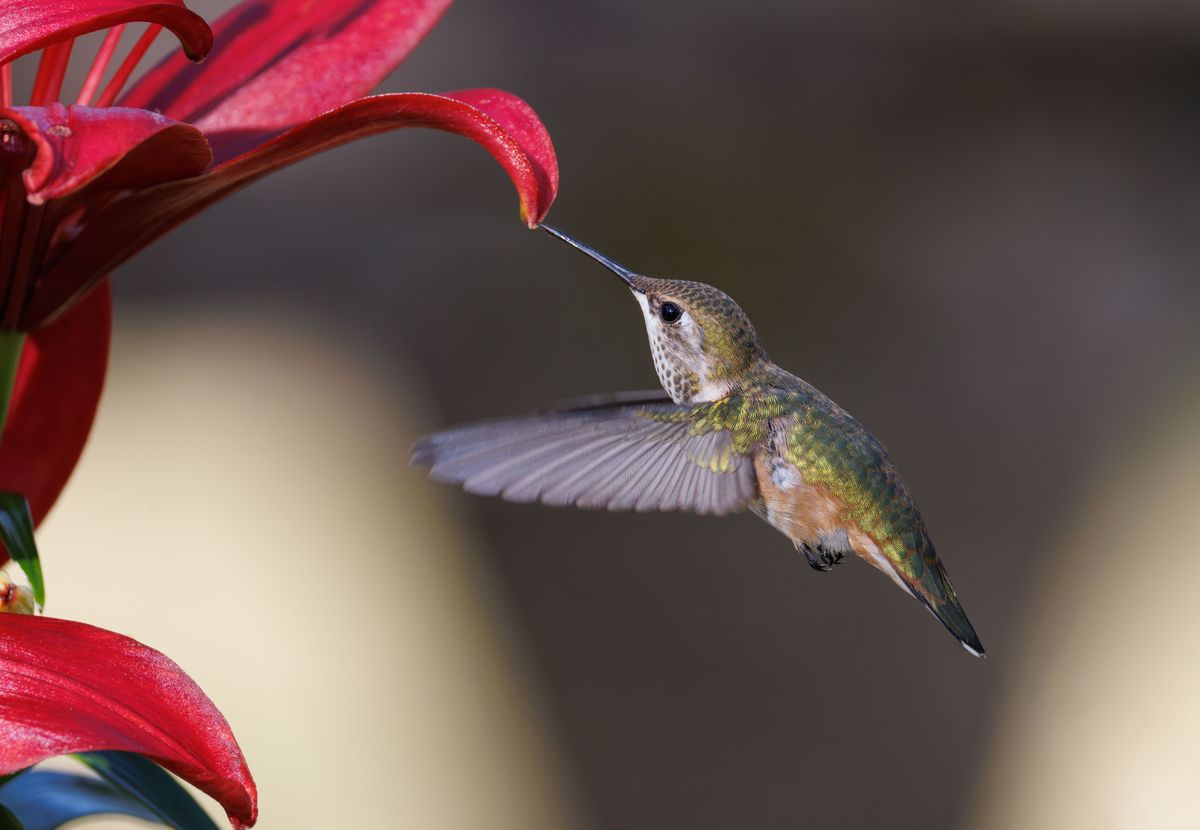
Photo by Veronika Andrews on Pexels
Elevate your autumn yard aesthetics with the LUJII Solar-Powered Hummingbird Feeder. Each 32 fl. oz. reservoir is hand-blown by skilled artisans at 2,300°F, creating translucent color patterns that sparkle in fall sunlight and glow magical colors at dusk.
- 8-Hour Solar RGB Illumination: Automatically activates at twilight, creating a captivating color-changing centerpiece.
- Leak-Proof & Durable: Sealed base design prevents drips during autumnal breeze shifts, while anti-rust metal withstands rain and light frost.
- Easy Nectar Monitoring: See-through handcrafted glass lets you track 1:4 nectar levels from your window without stepping into cold evening air.
Regional Climate Guidance: Managing Shorter Days & Early Frosts
Northern Regions (USDA Zones 3–5)
In northern states, fall sun angles drop rapidly by 1.5 degrees per week after the autumn equinox. Relocate feeders away from deciduous tree canopies to prevent long afternoon branch shadows. Keep feeders up until at least 14 days after your final sighting to fuel stragglers migrating from Canada.Central & Mid-Atlantic Regions (USDA Zones 6–7)
Daylight hours shrink by roughly 90 seconds daily in October. Clean top solar caps twice weekly to remove falling oak and maple pollen dust. Hang feeders on sturdy metal shepherd's hooks anchored firmly against brisk autumnal cold fronts.Southern & Sunbelt Regions (USDA Zones 8–10)
Southern gardens frequently host overwintering Rufous and Ruby-throated hummingbirds through November and beyond. Enjoy full 8-hour RGB solar lighting performance well into late autumn while offering vital refueling stops for trans-Gulf flyers.Printable Autumn Feeder Transition Checklist
- [ ] Relocate feeder to a South or Southeast exposure to catch low autumn solar trajectories.
- [ ] Wipe solar cell panel with damp microfiber cloth to remove fall leaf dust and debris.
- [ ] Inspect hand-blown glass reservoir for hairline fractures before night temps dip below 32°F.
- [ ] Maintain standard 1:4 nectar ratio (1 part refined white sugar to 4 parts water) to support migrant energy.
- [ ] Position feeder within 10–15 feet of dense shrubs to shield birds from cold autumnal winds.
- [ ] Keep feeder hanging for at least 14 days after sighting your last migrating hummingbird.
Frequently Asked Questions: Fall Placement & Solar Illumination
Get expert answers to common fall hummingbird care and solar lighting questions.
Preparing Your Yard for Late Migrants & Winter Storage
Your decision: Reposition your solar feeder 5–10 feet south to capture 6+ hours of low autumn sunlight while placing it within 15 feet of wind sheltering trees.
Do this next: Leave feeders filled with fresh 1:4 nectar until 14 days after your last hummingbird sighting, ensuring late migrants receive crucial refueling energy.
Related resource: Download our printable Autumn Feeder Transition Checklist to track seasonal cleaning and solar cap battery care.
Transition your autumn backyard twilight with the LUJII Solar-Powered Hand-Blown Glass Hummingbird Feeder, featuring sealed leak-proof construction and multi-mode RGB night lighting.
Take action today to support autumn hummingbirds and enjoy enchanting twilight garden lighting throughout the harvest season.