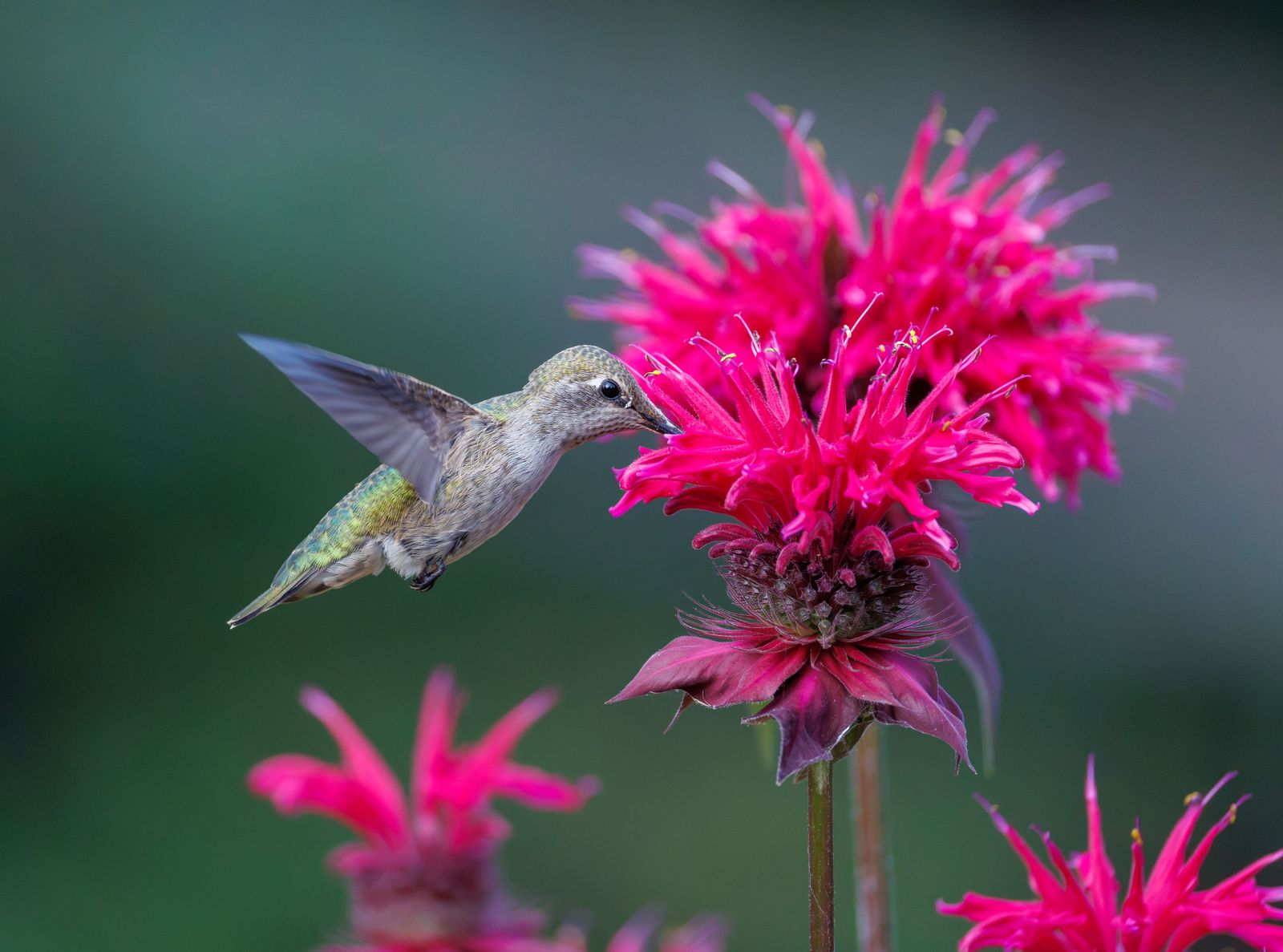
Solar Hand-Blown Glass Hummingbird Feeder Autumn Maintenance & Frost Guide
Should you bring your solar hand-blown glass hummingbird feeder inside when autumn temperatures start to plunge? Yes. Whenever overnight forecasts fall to 32°F (0°C) or lower, bring the glass reservoir and solar cap indoors at dusk. Exposure to freezing temperatures can shatter 2,300°F hand-crafted glass through thermal shock expansion, degrade internal lithium solar batteries, and freeze nectar into dangerous ice.
Essential Autumn Maintenance Checklist for Solar Glass Feeders
- [ ] Check evening weather forecast daily for sub-32°F freezing alerts.
- [ ] Inspect hand-blown glass reservoir for micro-fractures before every refill.
- [ ] Wipe solar collector lens with a soft, dry cloth to maximize shorter autumn sun rays.
- [ ] Wash glass reservoir exclusively in room-temperature/lukewarm water (never boiling).
- [ ] Ensure metal anti-rust base threads are dry before reassembling to prevent ice-lock.
- [ ] Bring feeder indoors at dusk on freeze nights; re-hang outside warm with fresh nectar at first light.
- [ ] Check rubber waterproof seals inside the solar housing for cracks or moisture intrusion.
- [ ] Clean nectar ports with a soft brush to prevent sticky sugary build-up from attracting wasps during warm autumn afternoons.
Printable Autumn Feeder Care Tear-Sheet
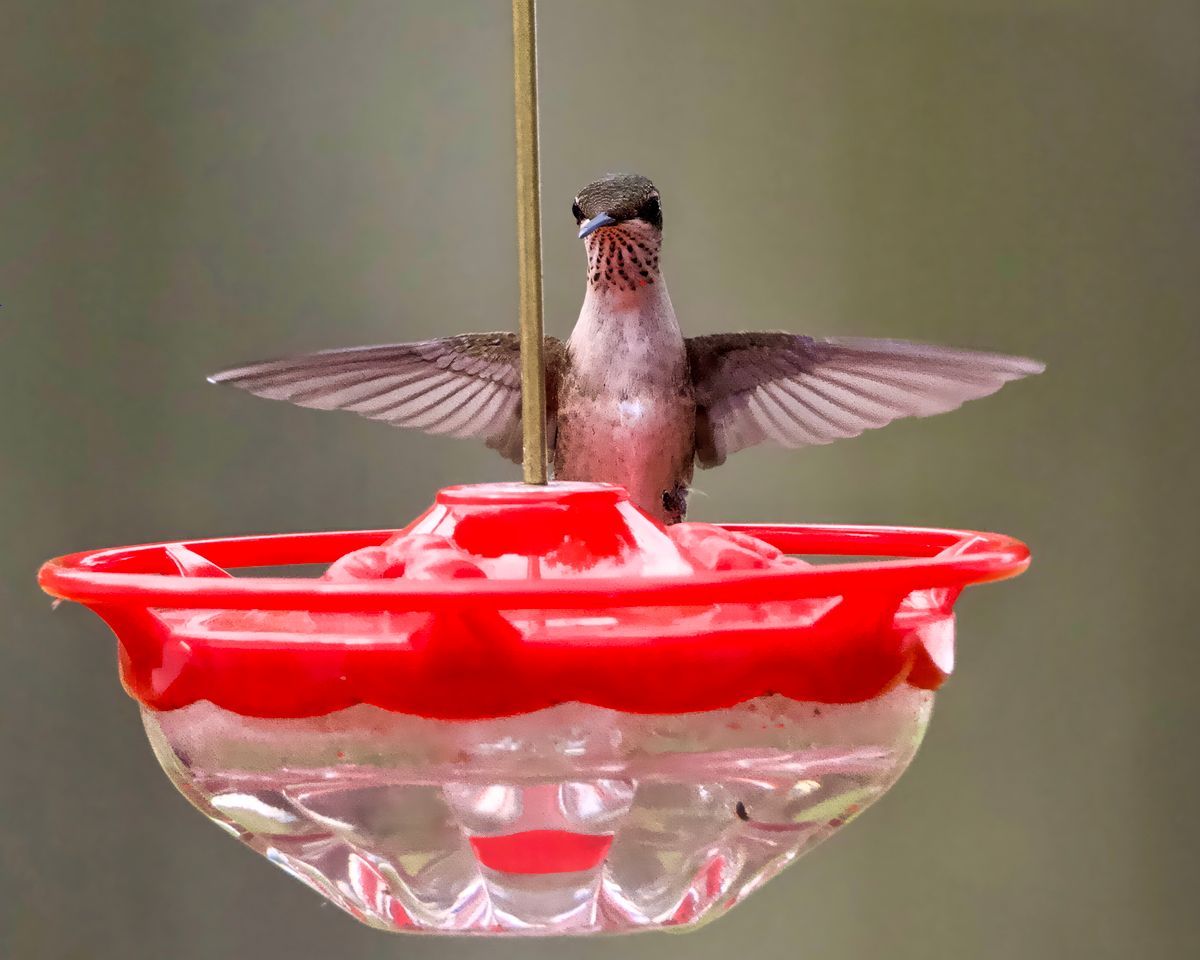
Photo by A. G. Rosales on Pexels
- 50°F+ (Safe Zone): Standard operation. Wipe solar panel weekly; clean glass every 3-4 days.
- 33°F - 49°F (Caution Zone): Adjust solar cap angle toward low southern sun. Inspect seals for condensation.
- 32°F & Below (Freeze Zone): Bring glass reservoir and solar housing indoors at dusk. Re-hang at dawn.
- Cleaning Rule: Never expose cold artisan glass to water warmer than 85°F. Thermal shock causes instant cracking.
- Nectar Ratio: Maintain strict 1:4 pure white sugar to water ratio. Never add alcohol, artificial sweeteners, or red dye.
Master Glassmaker Tip: Preventing Thermal Shock Cracks
> Artisan Glass Insight: Hand-blown artisan glass is shaped at temperatures exceeding 2,300°F. While remarkably durable against wind and normal weather, handcrafted glass possesses localized internal tensions unique to its individual artistic swirls. Bringing a freezing-cold feeder (30°F) directly to your kitchen sink and rinsing it with hot or boiling water (120°F+) creates a sudden 90-degree thermal differential. This rapid differential causes uneven expansion across color bands, resulting in immediate catastrophic cracking. Always allow your cold feeder to acclimate to indoor room temperature for 20 to 30 minutes before washing with lukewarm water.
Autumn Cold-Weather Failure Modes & Troubleshooting
| Failure Scenario | Root Cause | Immediate Risk | Corrective Action |
| --- | --- | --- | --- |
| Nectar turns into slush or solid ice in early morning. | Ambient temperature dropped below 27°F (-3°C) overnight. | Hummingbirds cannot consume frozen nectar; glass risk of stress cracking from ice expansion. | Bring feeder indoors at dusk. Re-hang warmed feeder filled with fresh 1:4 liquid nectar at first light. |
| RGB LED light turns off after only 1-2 hours of dusk. | Lower autumn sun angle and reduced daylight hours limit solar battery charging. | Reduced evening garden lighting visual appeal. | Angle panel directly toward southern sky; wipe dust and fallen leaves off solar collector lens daily. |
| Micro-fractures appear near glass reservoir neck. | Thermal shock caused by rinsing cold autumn glass with hot sink water. | Nectar leaks from base; structural failure under weight of full liquid payload. | Retire fractured reservoir immediately. Always acclimate cold glass to room temperature before washing. |
| Moisture or droplets visible inside solar LED cap lens. | Silicone cap seal compromised by temperature contractions or debris. | Internal circuit corrosion and permanent battery failure. | Unscrew cap, dry interior completely with cotton swab, wipe rubber seal, and reseat snugly. |
| Metal base ring becomes stuck and impossible to unscrew. | Moisture trapped in base threads froze overnight, creating an ice-lock. | Forced twisting can crack glass threads. | Bring complete unit indoors; allow ice in metal threads to melt naturally at room temperature before unscrewing. |
Identify and resolve seasonal failure modes before they compromise your glass art or harm late-season hummingbirds.
Summary: Golden Rules of Fall Solar Feeder Preservation
- Protect Artisan Glass: Acclimate cold glass to room temperature before washing—never use hot water.
- Preserve Solar Battery Health: Bring solar caps indoors during sub-freezing nights to protect lithium battery capacity.
- Support Late Migrators: Maintain fresh, unfrozen nectar until two weeks after your last hummingbird sighting.
- Maximize Solar Charge: Clear autumn leaf debris and reorient solar panels toward the low southern horizon.
Autumn Maintenance Cadence: Early Fall to Final Freeze
- Early Fall (50°F to 65°F Daytime) — Clean feeder every 3-4 days. Angle solar collector toward low autumn sun. Inspect rubber seals for wear.
- Mid Fall (36°F to 49°F Overnight) — Clean feeder every 5-7 days (cool air slows bacterial growth). Check daily for nighttime frost warnings.
- First Frost Alert (28°F to 35°F Overnight) — Bring glass reservoir and solar cap indoors at dusk. Refill with fresh nectar and hang outdoors at dawn.
- Hard Freeze Season (Sub-25°F Consistently) — Once no hummingbirds have visited for 14 consecutive days, perform final deep clean, remove battery tab, and store indoors.
Critical Autumn Care Mistakes to Avoid
Steer clear of these common autumn traps that destroy glass art and endanger migrating birds.
Seasonal Transition Timeline: Late Summer Through Winter Storage
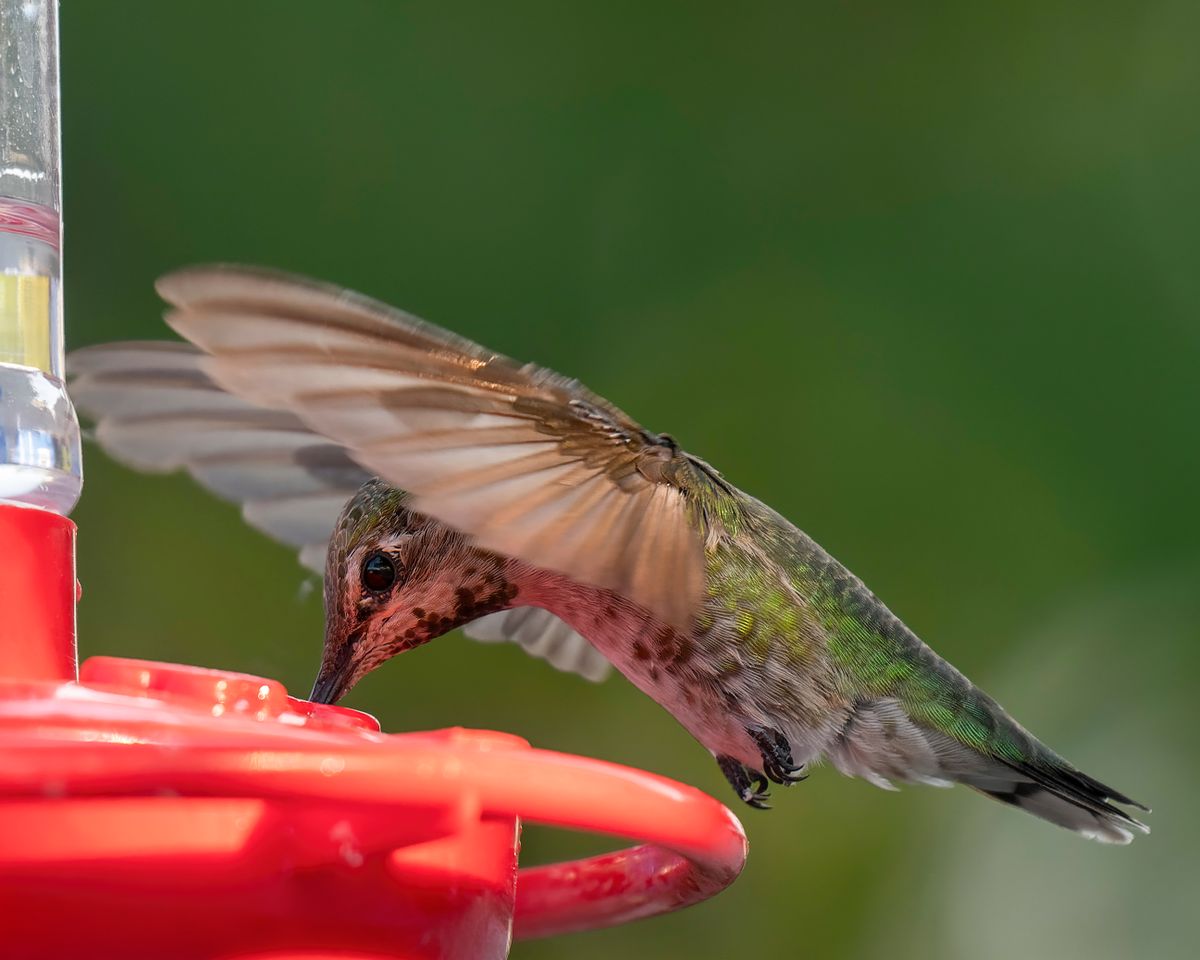
Photo by Frank Cone on Pexels
- Late August - Early September — Peak autumn migration begins. High feeding traffic requires daily monitoring and full solar charge.
- Late September - Mid October — First frost risks arrive in northern regions. Shift to nightly temperature tracking and solar angle adjustments.
- Late October - Early November — Stragglers and late-migrating species pass through. Implement nightly indoor retrieval protocol on freeze nights.
- Mid November - Winter Storage — After 14 days without sightings, clean feeder thoroughly with mild vinegar solution, dry completely, and store in a climate-controlled area.
Seasonal Hummingbird Care Resources
Expand your garden care knowledge with these helpful seasonal maintenance guides:
- Spring Hummingbird Arrival & Setup Guide — Learn how to prepare feeders, select ideal garden locations, and welcome early spring scouts.
- Hummingbird Nectar Ratios & Cold Weather Care FAQ — Deep dive into sugar-to-water ratios, water purity standards, and low-temperature nectar science.
- Preventing Feeder Pests: Wasps, Ants, and Bees — Keep unwanted insects away from your glass art feeder during warm autumn afternoons.
Recommended Autumn Protection & Hand-Blown Glass Feeder
Looking for an artisan feeder engineered to handle autumn weather while displaying breathtaking garden light?
Frequently Asked Questions About Fall Solar Feeder Care
At what exact temperature does hummingbird nectar freeze?
Standard 1:4 sugar-to-water nectar freezes at approximately 27°F (-3°C), slightly lower than plain water due to sugar concentration.
Will leaving solar RGB lights on at night confuse migrating hummingbirds in autumn?
No. Hummingbirds enter torpor at night to conserve energy and are not lured into night migration by soft RGB LED garden lighting.
How do I clean sticky autumn nectar without cracking cold artisan glass?
Let cold glass adjust to room temperature first, then rinse with lukewarm (never hot or boiling) water and a mild vinegar solution.
When should I officially take down my solar glass feeder for the winter season?
Keep your feeder active until two full weeks have passed without seeing a single hummingbird in your garden.
Got questions about autumn care? Here are direct answers to common seasonal queries.
Immediate Actions for Tonight's Forecasted Frost
Your decision: Determine whether tonight's local forecast will dip below 32°F.
Do this next: Inspect your solar glass feeder's silicone seals today, clean with lukewarm water, and bring indoors at dusk if freezing weather is expected.
- Read next: Spring Hummingbird Arrival Guide
- Read next: Cold Weather Nectar Care FAQ
🌟 LUJII Solar-Powered Hand-Blown Glass Hummingbird Feeder 🌟
Don't let an unexpected frost catch you off guard tonight.
Cover photo by Veronika Andrews on Pexels.