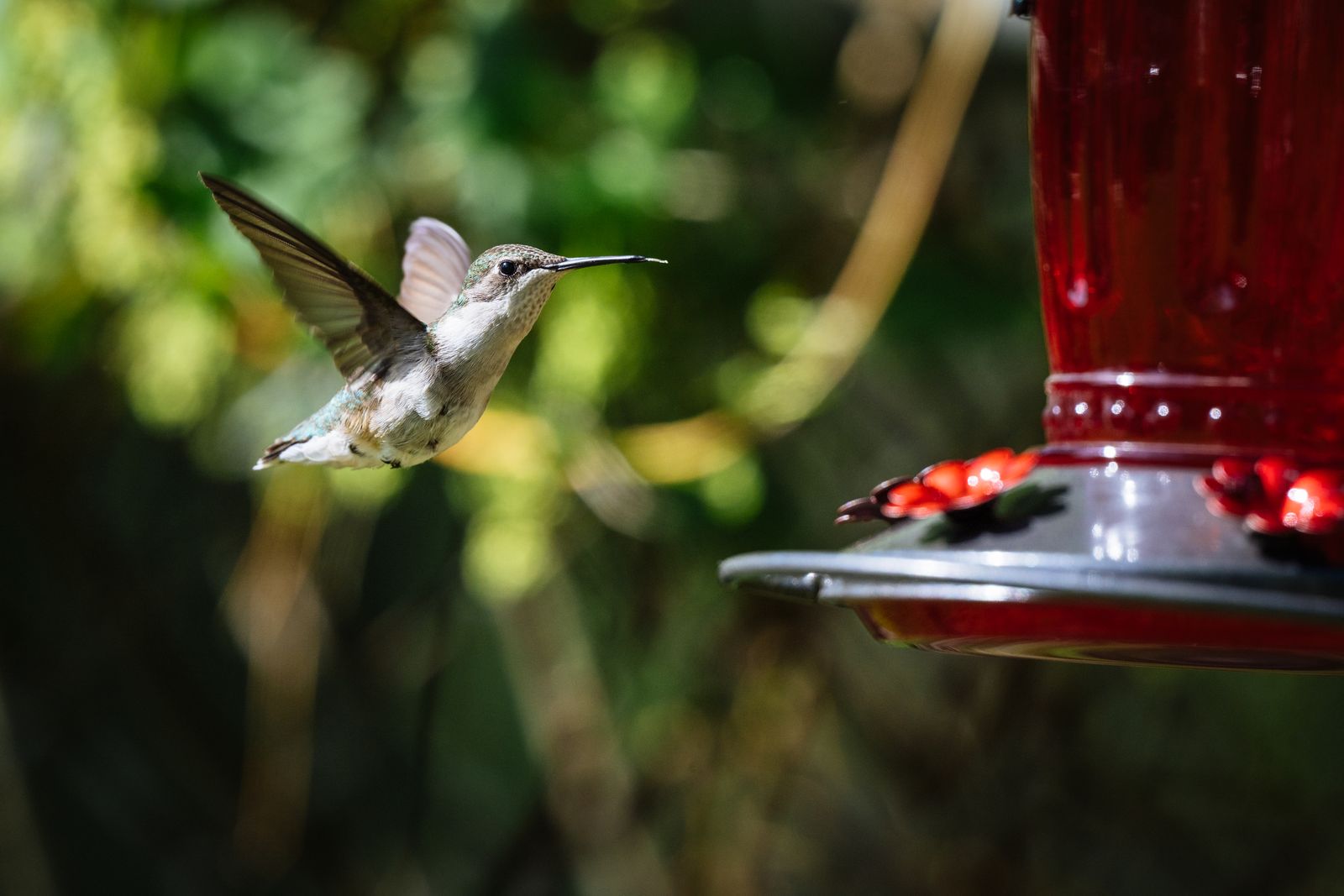
How to Prevent Hummingbird Feeder Leaks and Spoilage in Hot Weather
To prevent hummingbird feeder leaks in hot weather, fill reservoirs completely to eliminate internal air pockets, hang the feeder in 100% afternoon shade, and ensure the hanger is perfectly level. Sunlight heats trapped air inside inverted reservoirs, expanding the air pocket and forcing liquid nectar out through the feeding ports. Upgrading to a heavy hand-blown glass feeder with a silicone-gasketed metal base creates a resilient airtight seal that withstands daily thermal pressure changes.
Visualizing Thermal Air Expansion Mechanics
- 1. Morning Cool State (70°F) → Yes: Small air pocket at top is relaxed. Liquid vacuum equilibrium holds nectar inside ports via surface tension.. No: Feeder remains drip-free..
- 2. Midday Sun Exposure (90°F+) → Yes: Solar heat penetrates reservoir wall. Trapped air pocket warms and expands in volume.. No: Air pressure builds inside sealed glass dome..
- 3. Pressure Equalization (Dripping) → Yes: Expanding air pushes liquid downward. Nectar overflows feeding ports onto garden ground below.. No: Wasps and ants are drawn to sugary runoff..
- 4. Corrective Action Applied → Yes: Fill reservoir 100% to purge air gap + relocate feeder into deep canopy shade.. No: Vacuum seal stabilizes and dripping halts immediately..
Feeder Leak & Spoilage Diagnostic Matrix
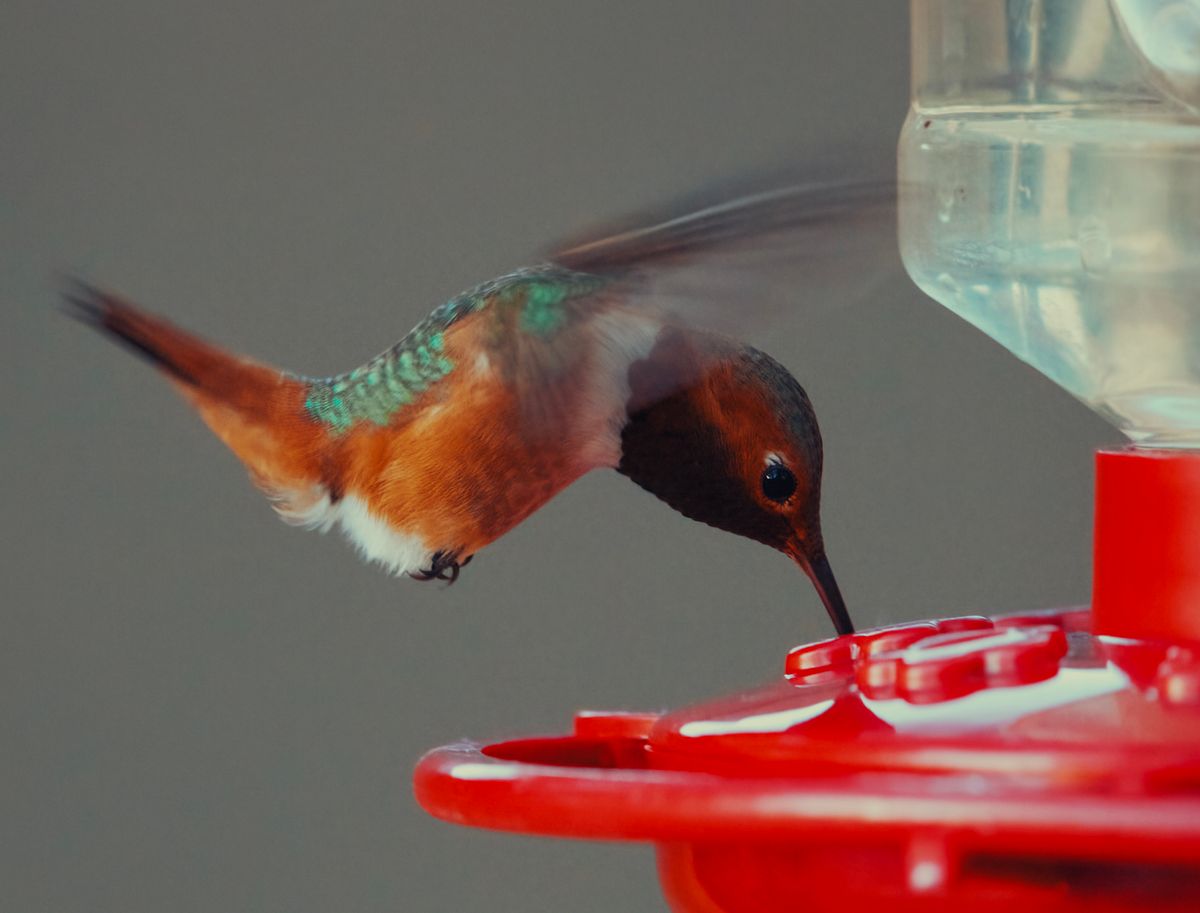
| Symptom / Scenario | Physical Root Cause | Immediate Corrective Action |
| --- | --- | --- |
| Continuous dripping only during peak afternoon sun (2 PM – 5 PM) | Thermal expansion of trapped air inside the upper reservoir dome pushing liquid out. | Relocate feeder to full afternoon shade; pre-chill nectar and fill bottle completely to top rim to eliminate air pockets. |
| Steady dripping 24/7, even at night or in cool indoor testing | Worn rubber/silicone gasket, cross-threaded metal base, or hairline micro-crack in glass neck. | Inspect rubber gasket for alignment gaps or dry rot; clean threads thoroughly and re-seat base without overtightening. |
| Nectar turns cloudy, stringy, or smells sour within 24–48 hours | Rapid bacterial and yeast fermentation driven by ambient heat above 88°F and direct UV rays. | Discard nectar immediately; scrub reservoir with 1:4 white vinegar solution; switch to daily 24-hour refill cycle. |
| Black speckles forming inside narrow glass bottle necks or port tips | Black mold (Candida albicans) spores germinating in sugar residue under warm conditions. | Soak bottle in warm water with white vinegar and uncooked rice or a mini bottle brush; rinse thoroughly until crystal clear. |
| Wasps and yellowjackets swarming ports while ants bypass moat | Sticky nectar residue dried on port exterior from thermal overflow or wind sloshing. | Wipe exterior base clean with damp cloth daily; level hanging pole; ensure ant moat is filled with clean water. |
Identify your specific summer feeder issue below to pinpoint the physical cause and execute the recommended fix.
Expert Shade & Microclimate Placement Strategy
Hummingbirds possess extraordinary eyesight and navigate effortlessly into shaded garden nooks. Moving your feeder under a dense leaf canopy reduces ambient reservoir temperatures by 10°F to 15°F compared to open eaves. This temperature drop stabilizes internal air volume, stops heat-induced dripping, and delays nectar fermentation by up to two full days. Position your feeder where morning sun illuminates the vibrant glass patterns but broad deciduous leaves shield it from harsh afternoon rays.
Temperature-Indexed Nectar Replacement Schedule
- Under 70°F (Spring / Early Summer) — Change nectar every 5 to 7 days. Inspect base gasket during weekly cleaning.
- 70°F – 79°F (Moderate Summer Heat) — Change nectar every 3 to 4 days. Wash feeder base with warm water and mild soap.
- 80°F – 89°F (High Heat) — Change nectar every 2 days. Flush feeding ports with hot water to clear residual sugar.
- 90°F – 99°F (Extreme Heatwave) — Change nectar every 24 hours. Fill reservoir only halfway if birds do not finish full volume daily.
- 100°F+ (Severe Southwest Heat) — Change nectar daily by noon. Place feeder in 100% full shade and pre-chill fresh solution.
Heatwave Diagnostic Flowchart: Is It Physics or a Damaged Seal?
- Is nectar dripping continuously, even in nighttime shade? → Yes: Check physical hardware: inspect rubber gasket, threaded base connection, and check glass neck for hairline cracks.. No: Proceed to thermal check: Dripping occurs primarily during peak afternoon heat.
- Is the reservoir filled completely to the top rim before inverting? → Yes: Air space is minimal; issue is direct UV heat absorption. Relocate feeder to dense tree canopy.. No: Trapped air pocket is too large. Fill bottle to top rim with chilled nectar to establish strong initial vacuum.
- Is the feeder hanging perfectly level on a sturdy pole? → Yes: Feeder is balanced; solar expansion is driving fluid down. Upgrade to an insulated hand-blown glass feeder with metal base.. No: Wind or pole tilt is allowing nectar to pour over lower port lips. Re-level hanger or install a stabilizer hook.
Immediate Summer Care Action Plan
Your decision: Determine if your feeder needs placement adjustment or a leak-proof hardware upgrade.
Do this next: Move feeder into full afternoon shade, fill completely with chilled 4:1 white sugar solution to purge air pockets, and verify base gasket seal.
- Read next: Hot Weather Nectar Ratios: How to Keep Hummingbird Food Fresh in Summer
- Read next: How to Clean and Maintain Your Hand-Blown Solar Hummingbird Feeder
If plastic threading or thin bottle walls continue leaking in heat, upgrade to the LUJII Solar-Powered Hummingbird Feeder with handcrafted heavy glass and an anti-rust leak-proof metal base.
Take these four immediate steps today to safeguard your backyard hummingbirds and eliminate sticky garden drips.
Essential Rules for Hot-Weather Feeder Maintenance
Keep these quick rules in mind to maintain a clean, leak-free hummingbird haven all summer long.
Thermal Performance: Thin Plastic Inverted vs. Hand-Blown Glass & Metal Base
| Feature / Condition | Standard Thin Plastic Feeder | LUJII Hand-Blown Glass & Metal Base Feeder |
| --- | --- | --- |
| Solar Thermal Resistance | Thin plastic heats rapidly, causing internal air pockets to expand dramatically within 30 minutes of direct sunlight. | Thick hand-blown glass provides thermal mass insulation, slowing temperature spikes inside the liquid reservoir. |
| Structural Base Seal | Flexible plastic push-stoppers or coarse threads warp under high heat, breaking the vacuum seal. | Precision-threaded anti-rust metal base paired with a thick silicone gasket forms a resilient airtight seal. |
| UV & Weather Durability | Plastic turns brittle, degrades, and cracks after a single season of intense sunlight. | Handcrafted glass fired at 2,300°F remains completely impervious to UV degradation and weathering. |
| Cleaning & Mold Prevention | Micro-scratches in soft plastic trap yeast and mold spores, requiring aggressive scrubbing. | Non-porous, smooth translucent glass cleans effortlessly with white vinegar solutions. |
| Nighttime Garden Ambiance | No lighting functionality; hidden in darkness after sunset. | Built-in solar cap powers radiant RGB lights for up to 8 hours of evening illumination. |
Compare how standard lightweight plastic feeders perform against artisanal hand-blown glass models with sealed metal bases under intense summer sun.
Choosing the Right Feeder Design for High-Heat Regions
High ambient temperatures demand feeders engineered with high thermal resistance and leak-proof gasket seals to prevent vacuum failure.
Best choice for
- LUJII Hand-Blown Solar Hummingbird Feeder with Sealed Metal Base — Heavy handcrafted glass insulates nectar against rapid temperature spikes while the silicone-sealed metal base maintains strong vacuum integrity.
- Standard Glass or Sealed Metal Feeders — Deep shade minimizes thermal air expansion, allowing standard vacuum reservoirs to remain drip-free.
- Lightweight thin plastic inverted feeders hung in unshaded direct sunlight.
- Filling reservoirs only halfway during heatwaves, which leaves a massive air pocket prone to rapid thermal expansion.
- Dish or Saucer-Style Basin Feeders — Saucer feeders hold nectar below the feeding ports rather than in an overhead inverted bottle, eliminating thermal air-expansion leaks entirely.
Recommended Leak-Resistant Solar Feeders
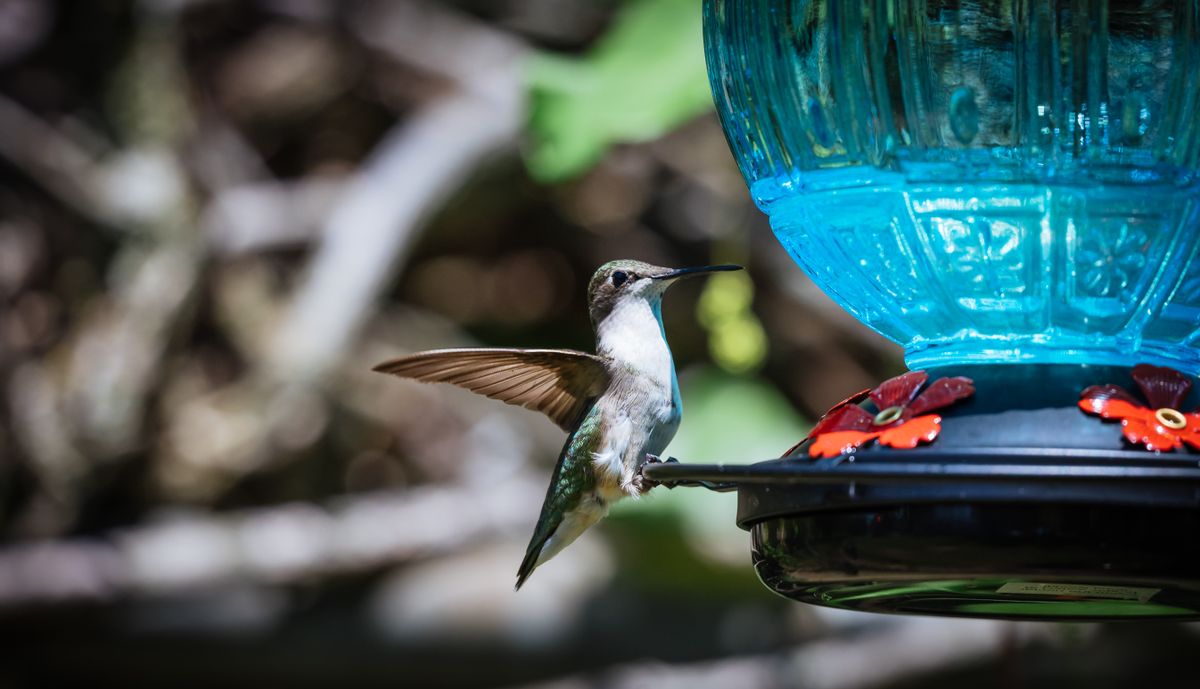
Elevate your garden sanctuary with a feeder designed for both hot-weather performance and enchanting evening beauty.
Material Thermal Resistance Specifications
| Component | Material Grade | Thermal Properties | Leak Prevention Function |
| --- | --- | --- | --- |
| Nectar Reservoir | Hand-Blown Translucent Art Glass (2,300°F Fired) | High thermal mass; slow temperature conductivity | Insulates liquid from sudden solar heating, preventing rapid air expansion above nectar column. |
| Feeder Base | Coated Anti-Rust Alloy Metal | Rigid structural stability across -10°F to 120°F | Prevents base warping and thread distortion under direct summer heat exposure. |
| Internal Seal | Food-Grade Flexible Silicone Gasket | Hydrophobic airtight seal rated to 250°F+ | Locks air out at the base connection, maintaining internal vacuum pressure continuously. |
| Solar Protection Cap | IP65 Weatherproof Sealed Plastic | Shields solar panel and battery from rain, snow, UV rays | Deflects direct overhead sunlight away from top neck while capturing solar energy for RGB night lighting. |
Technical breakdown of structural materials used in high-grade leak-resistant feeders.
Step-by-Step Protocol to Reset Your Vacuum Seal
Follow this exact sequence when refilling your feeder to eliminate internal air space and secure a leak-proof seal every time.
Frequent Heatwave Mistakes That Cause Spoilage & Leaks
Avoid these critical summer maintenance errors to safeguard your visiting hummingbirds.
Related Hot-Weather Hummingbird Guides
- Why Does Your Hummingbird Feeder Leak in the Sun? Thermal Physics & Simple Fixes
- Why Hummingbird Feeders Leak in the Heat (And How to Fix It Immediately)
- Summer Hummingbird Feeder Maintenance: Preventing Heat Leaks and Pest Swarms
Frequently Asked Questions About Summer Feeder Leaks
Expert answers to common troubleshooting queries from backyard bird enthusiasts.
Final Summary & Action Steps
Your decision: Choose between optimizing your fill routine or upgrading to a heavy-glass sealed metal feeder.
Do this next: Fill your feeder completely with cool 4:1 nectar, hang in deep afternoon shade, and check daily during 90°F+ heatwaves.
- Read next: Hot Weather Nectar Ratios: How to Keep Hummingbird Food Fresh in Summer
Upgrade your yard with the LUJII Solar-Powered Hummingbird Feeder featuring hand-blown art glass, leak-proof silicone sealing, and solar RGB night lighting.
By understanding the thermal physics behind inverted feeder drips, you can easily maintain a clean, leak-free garden oasis all summer long.