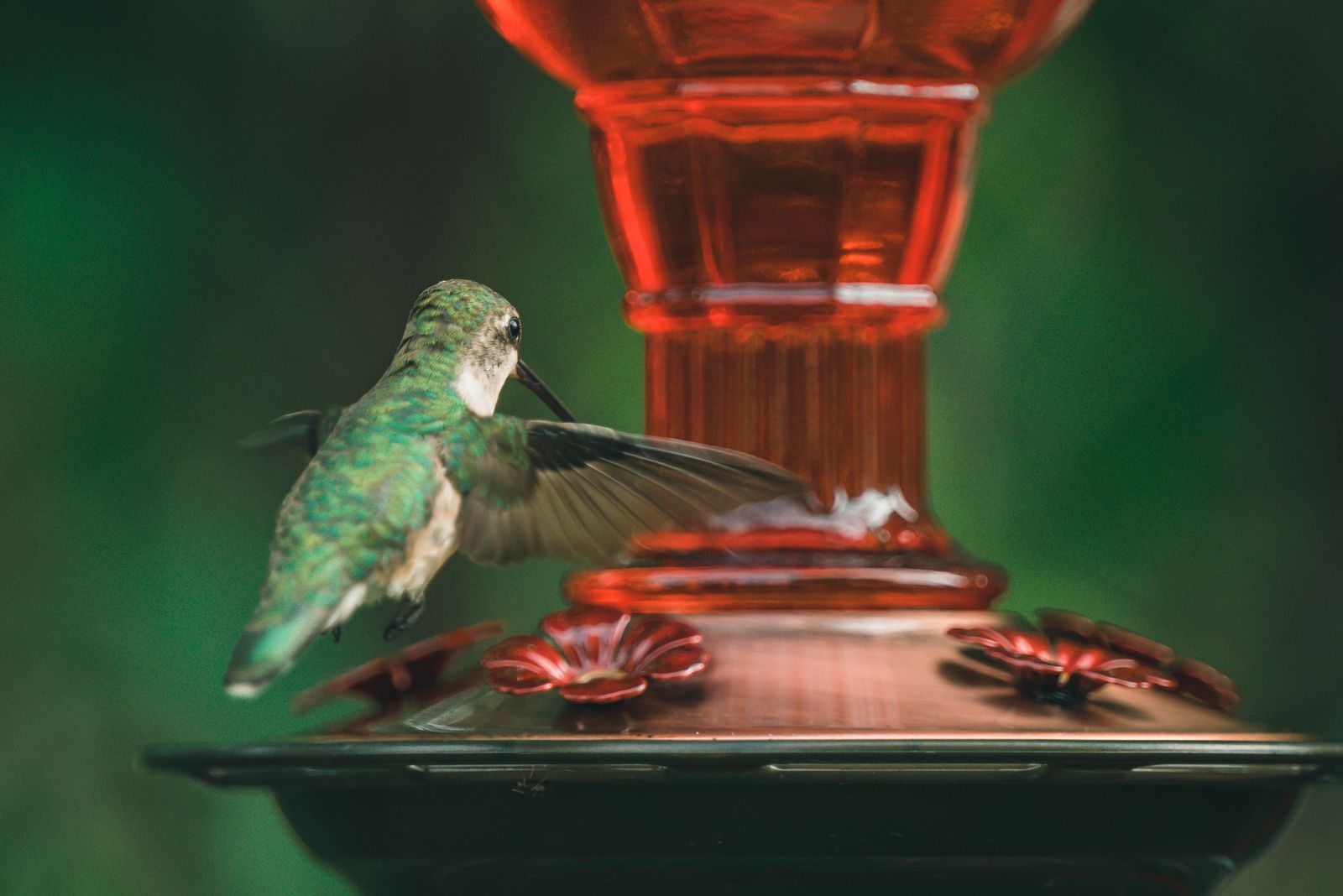
Why Does Your Hummingbird Feeder Leak in the Sun? Thermal Physics & Simple Fixes
Hummingbird feeders leak in direct sun because solar radiation heats the air pocket trapped above the nectar. As this trapped air warms, it expands rapidly, creating internal gas pressure that forces the liquid downward and out through the feeding ports. To stop sun leaks immediately, fill the reservoir completely to eliminate air gaps, hang the feeder where it receives afternoon shade, and use thick, thermal-stable hand-blown glass with a sealed metal base.
Visual Leak Diagnostic Flowchart
- Is nectar dripping primarily during warm, sunny afternoon hours (12 PM – 4 PM)? → Yes: Go to Node 2: Check Air Gap & Solar Radiation. No: Go to Node 3: Check Mechanical Seals & Hanging Angle.
- Is there a visible air pocket at the top of the inverted nectar reservoir? → Yes: Thermal Air Expansion: Refill reservoir 100% full with chilled nectar to eliminate air space and restore internal vacuum.. No: Direct Radiant Heat: Move feeder to partial shade or install a solar-transparent shade canopy to shield the glass..
- Does nectar drip continuously regardless of time, shade, or ambient temperature? → Yes: Mechanical Seal Failure: Inspect silicone base gasket for cracks, sugar debris, or thread misalignment. Tighten securely.. No: Tilt Instability: Check if hanging hook is tilted in wind. Re-balance feeder on a level, heavy-duty shepherd's hook..
Sun-Induced Feeder Leak Symptoms & Quick Solutions
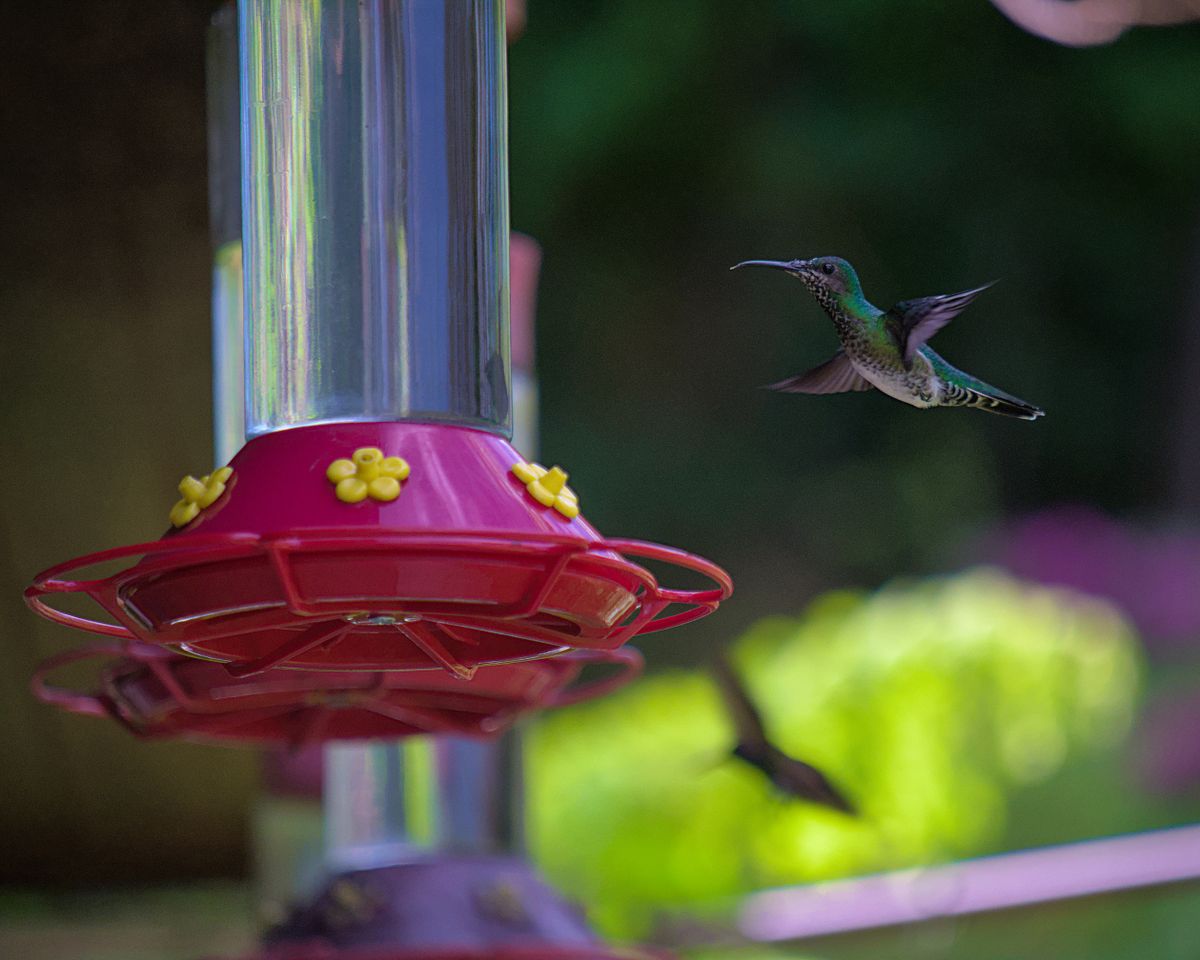
Photo by Heru Vision on Pexels
| Sun Exposure & Leak Scenario | Root Thermodynamic Cause | Immediate Outdoor Fix | Long-Term Prevention |
| --- | --- | --- | --- |
| Dripping starts strictly between 12 PM and 4 PM during direct solar exposure. | Solar radiation heats trapped air inside top reservoir (Boyle's Law), forcing liquid down ports. | Relocate feeder to afternoon shade or hang beneath a porch overhang or shade tree. | Fill glass reservoir 100% full to leave zero air gap for heat expansion. |
| Feeder drips 5 to 10 drops immediately upon being turned upside down. | Normal air pressure equalization before internal liquid vacuum stabilizes. | Hold feeder over sink during inversion for 5 seconds until vacuum locks liquid. | Invert feeder quickly and smoothly without sloshing liquid across threads. |
| Nectar seeps down outer glass wall from the base connection. | Silicone base seal pinched, dirty, or misaligned under temperature changes. | Unscrew base, rinse silicone O-ring, and re-seat tightly against metal base. | Upgrade to a sealed anti-rust metal base with high-density silicone gaskets. |
| Feeder drips heavily on hot, windy summer afternoons. | Wind tilts liquid off-level while solar heat increases internal gas pressure. | Move feeder to a wind-sheltered garden nook with partial afternoon shade. | Switch to a heavy 32 oz hand-blown glass feeder that resists wind swing. |
Identify your feeder's specific leak behavior under outdoor heat and apply the targeted fix below.
Pro Tip: The Thermal Vacuum Filling Trick
To maximize vacuum pressure inside gravity-fed feeders, fill your reservoir with chilled nectar in a cool indoor setting, making sure to fill liquid to the absolute top rim. When you invert the cold feeder outdoors in morning shade, the slight initial rise to ambient temperature causes the liquid to set a powerful internal vacuum seal before direct heat can expand top air pockets. This simple filling habit eliminates 90% of mid-day drip issues.
5-Point Leak-Proof Sun Protection Checklist
- [ ] Fill nectar reservoir 100% full to leave zero air gap for thermal expansion.
- [ ] Inspect silicone base gasket for cracks, debris, or improper seating.
- [ ] Hang feeder in morning sunlight with full shade between 12 PM and 4 PM.
- [ ] Ensure hanging hook is level so nectar covers all feeding ports evenly.
- [ ] Clean solar panel top cap to maintain weather defense and clear charging.
Diagram: Thermal Air Expansion in Inverted Feeders
Understanding how thermal physics affects inverted gravity feeders helps you prevent accidental spills.
Shade vs. Seal Decision Tree
- Is your current feeder made of thin plastic that flexes when squeezed? → Yes: Upgrade Material: Thin plastic warps in solar heat, breaking airtight seals. Switch to high-density hand-blown glass.. No: Go to Question 2: Evaluate Sun Exposure Position
- Does your feeder receive full direct sun during peak afternoon hours? → Yes: Adjust Location: Move feeder 5 to 10 feet into filtered morning light or tree shade to lower glass surface temperatures.. No: Go to Question 3: Check Reservoir Fill Capacity
- Are you leaving an air space at the top of the reservoir when filling? → Yes: Adjust Fill Level: Fill reservoir to the absolute brim before securing the base to prevent air expansion pockets.. No: Inspect Gasket: Clean or replace the base silicone seal to restore 100% airtight vacuum retention.
Core Takeaways on Solar Heating & Feeder Seals
- Physics of Sun Leaks: Direct sunlight heats trapped air pockets inside gravity feeders; expanding air pushes nectar out through port openings.
- Air Gap Control: Filling glass reservoirs 100% full leaves minimal air to expand under thermal stress.
- Material Integrity: Thick hand-blown glass insulates nectar against rapid heat spikes far better than thin, flexible plastic.
- Ideal Placement: Position feeders to capture morning sun for bird visibility and solar cap charging, with canopy shade shielding the reservoir during peak afternoon heat.
- Sealed Base Protection: A leak-proof design relies on a precision silicone gasket backed by an anti-rust metal base.
Summer Weatherproofing & Cleaning Schedule
- Daily (Morning) — Check nectar level. Wipe top solar cap clean of dust or bird droppings to maximize daytime solar battery charging.
- Every 2–3 Days (Hot Weather >85°F) — Empty remaining nectar, flush reservoir with cool water, and refill 100% full with chilled 4:1 sugar-water mix.
- Weekly Deep Clean — Disassemble metal base and glass reservoir. Wash with warm water and soft brush; inspect silicone gasket for debris.
- Monthly Inspection — Inspect metal base anti-rust coating and test night RGB solar lighting performance (up to 8 hours run time).
Material Thermal Stability Comparison: Hand-Blown Glass vs. Thin Plastic
| Performance Criteria | Thin Plastic Feeders | Standard Molded Glass | LUJII Hand-Blown Solar Glass |
| --- | --- | --- | --- |
| Heat Insulation Capacity | Poor: Heats internal liquid rapidly, triggering thermal air expansion. | Moderate: Standard wall thickness absorbs moderate ambient heat. | Superior: Thick hand-blown glass handcrafted at 2,300°F insulates liquid. |
| Material Flex Under Sun | High: Plastic warps slightly in high heat, distorting base threads and breaking vacuum. | None: Rigid structure maintains shape under direct sunlight. | None: Heavy-duty glass retains structural rigidity and vacuum integrity. |
| Base Seal Architecture | Plastic-on-plastic threads prone to micro-gaps and dripping. | Basic rubber washer; can slip during tightening. | Precision silicone O-ring gasket clamped by an anti-rust metal base. |
| Integrated Solar Functionality | Rarely included; plastic degrades and yellows under UV rays. | Unlit or external clip-on solar accessories. | Built-in protective solar cap with automatic 8-hour RGB night lighting. |
Compare how different feeder materials behave when exposed to direct mid-summer solar radiation.
Choosing the Right Sun-Resistant Feeder Configuration
To eliminate heat-induced leaks while adding vibrant art and night lighting to your garden, select high-density hand-blown glass feeders with sealed metal bases and protective solar caps.
Best choice for
- LUJII 32 oz Hand-Blown Glass Solar Hummingbird Feeder — Thick handcrafted glass insulates nectar against rapid thermal air expansion, while the 32 oz capacity and sealed metal base provide weight stability.
- Hand-Blown Glass Feeder + Solar-Transparent Shade Baffle — The shade dome blocks direct thermal UV radiation while allowing the top solar panel to capture light for 8 hours of RGB night illumination.
- Lightweight thin plastic gravity feeders that deform under solar heat.
- Feeder bases lacking internal silicone/rubber gaskets between the base and reservoir threads.
- Dish/Saucer Feeders — Saucer feeders do not rely on an inverted vacuum seal, so they cannot leak from thermal air expansion, though they lack hand-blown glass artwork and solar night illumination.
Recommended Solution: LUJII Hand-Blown Glass Solar Feeder
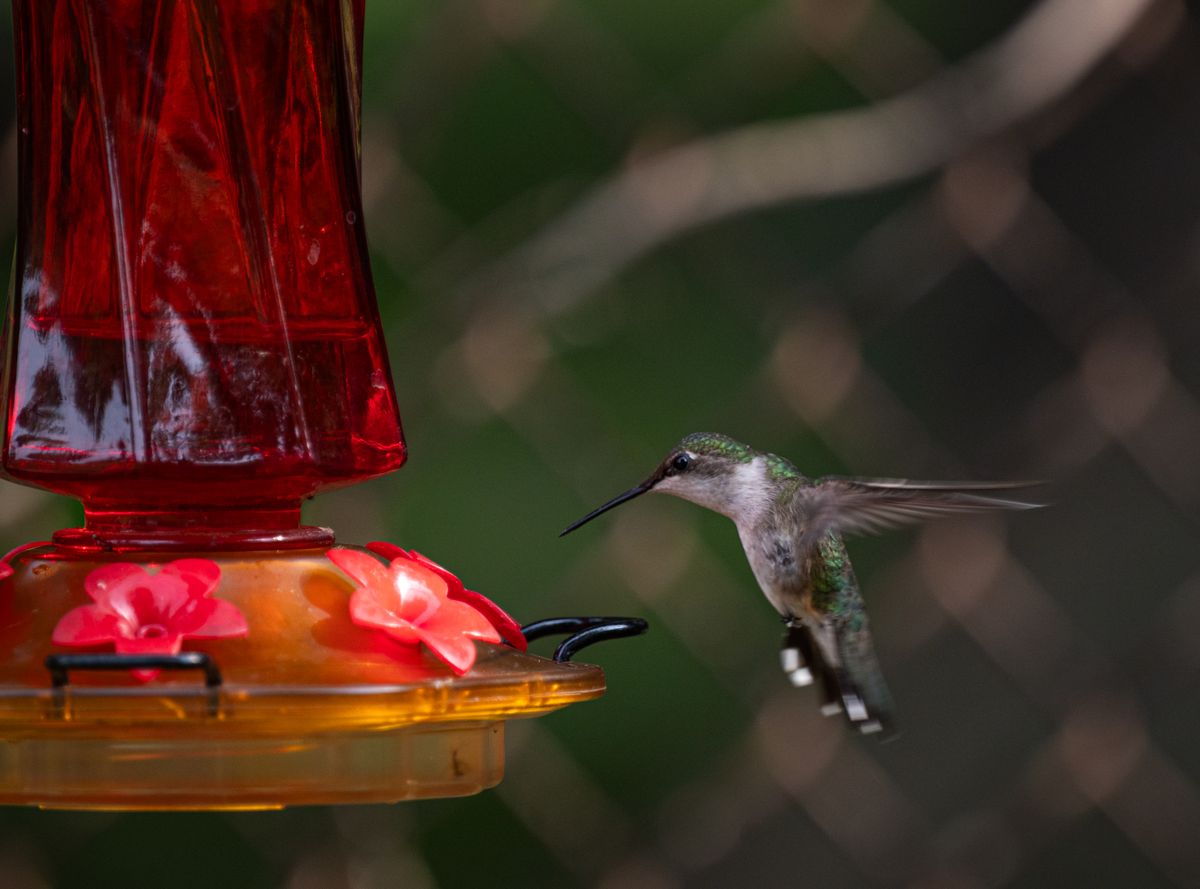
Solve sun leak issues while transforming your garden into an illuminated hummingbird sanctuary with the LUJII Solar-Powered Hummingbird Feeder.
- 2,300°F Hand-Blown Glass Artistry: Each reservoir is individually handcrafted by master glass artisans. The thick, translucent colorful glass insulates nectar against heat spikes while letting you monitor liquid levels effortlessly.
- Leak-Proof Sealed Metal Base: Features a slender 32 fl. oz capacity reservoir and a heavy, anti-rust coated metal base equipped with a high-density silicone gasket to preserve an airtight vacuum seal.
- Weatherproof Solar Cap & RGB Lights: The top plastic solar shield protects nectar against direct rain and snow while charging the battery to automatically light up your garden with vibrant RGB colors for up to 8 hours at night.
LUJII Leak-Proof Engineering Specifications Matrix
| Engineering Specification | LUJII Feeder Feature | Backyard & Thermal Performance Benefit |
| --- | --- | --- |
| Reservoir Craftsmanship | Hand-blown art glass shaped at 2,300°F | High density and wall thickness insulate nectar against ambient solar expansion. |
| Liquid Capacity | 32 fl. oz (946 ml) | Generous volume minimizes internal air gap ratio, stabilizing pressure. |
| Base Assembly | Anti-rust coated metal with silicone seal | Creates an airtight, leak-proof join that will not warp or corrode outdoors. |
| Solar & Lighting Module | Protective solar cap with RGB LEDs | Deflects overhead weather and sunlight while powering up to 8 hours of night lighting. |
| Nectar Level Visibility | Translucent colorful glass design | Allows clear inspection of fill levels without opening or breaking the vacuum. |
Detailed hardware specifications demonstrating thermal stability and leak-resistant engineering.
How to Calibrate an Airtight Vacuum Seal in 5 Steps
Follow these simple steps when refilling your feeder to ensure a perfect, leak-free vacuum every time:
5 Common Mistakes That Worsen Sun Leaks
Avoid these frequent mistakes that break vacuum pressure and invite drips, wasps, and ants:
- Half-Filling the Reservoir: Leaving a large air pocket inside the glass gives solar heat a massive volume of gas to expand, forcing nectar out fast.
- Over-Tightening to the Point of Distortion: Cranking the metal base down too hard can pinch or deform the silicone O-ring, creating micro-air leaks.
- Hanging on an Inclined Hook: A crooked hanger keeps liquid tilted over lower feeding ports, allowing air to bubble up into higher ports and break the vacuum.
- Filling with Warm Nectar: Pouring warm sugar water into the reservoir heats the air space immediately; as it warms further outdoors, expansion leaks are guaranteed.
- Placing Feeders in Full 8-Hour Direct Sun: Unshaded glass reservoirs absorb excessive heat, causing nectar to ferment rapidly and air pockets to expand.
Related Backyard Weatherproofing & Glass Care Guides
- Why Hummingbird Feeders Leak in the Heat (And How to Fix It Immediately)
- How to Prevent Hummingbird Feeder Leaks and Spoilage in Hot Weather
- Why Is My Glass Hummingbird Feeder Leaking? Causes & Engineering Fixes
Frequently Asked Questions About Hummingbird Feeder Weatherproofing
Find quick answers to common questions about solar charging, nectar safety, and summer feeder placement.
Your Next Steps for a Drip-Free Nectar Station
Your decision: Determine if your feeder leak is driven by sunlight expansion or a compromised mechanical seal.
Do this next: Fill your feeder completely with cool nectar, securely tighten the base gasket, and hang in a spot receiving morning light and afternoon shade.
- Read next: Hot Weather Nectar Ratios: How to Keep Hummingbird Food Fresh in Summer
- Read next: How to Clean and Maintain Your Hand-Blown Solar Hummingbird Feeder
Upgrade to the LUJII Hand-Blown Glass Solar Hummingbird Feeder featuring a 32 oz sealed base, thick heat-stable glass, and auto-charging RGB solar lighting.
Ready to end messy nectar drips and illuminate your garden at night? Put these thermodynamic tips into practice or upgrade your setup today.