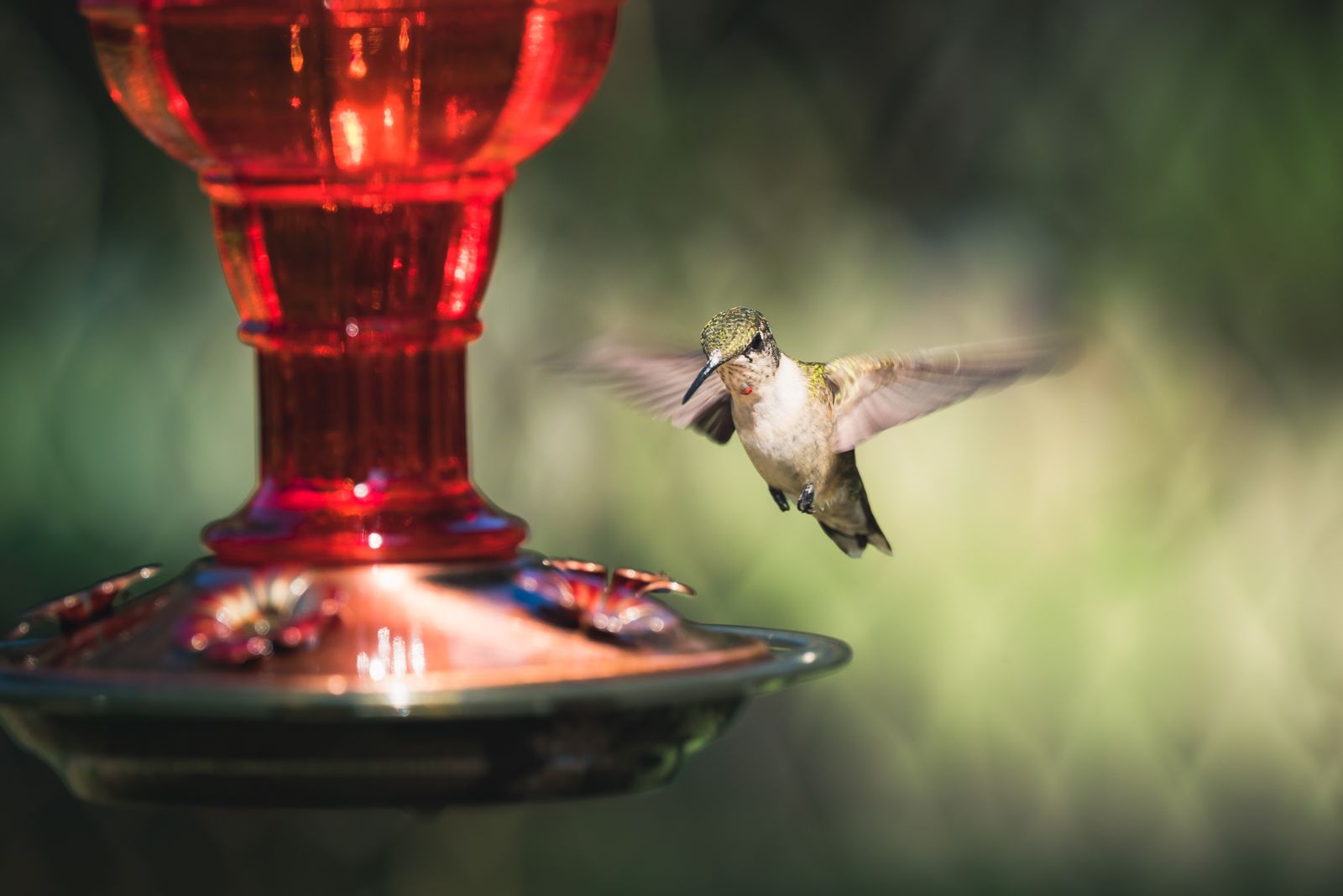
Summer Hummingbird Feeder Maintenance: Preventing Heat Leaks and Pest Swarms
How do you maintain a solar hand-blown glass hummingbird feeder in scorching summer weather?
To keep your hummingbirds safe and your feeder leak-free during summer heat waves, replace nectar every 24 to 48 hours when outdoor temperatures exceed 85°F. Position feeders in afternoon shade to prevent expanding internal air pockets from forcing syrup out through base ports, and clean hand-blown glass and metal bases with hot water—never exposing cool glass to sudden boiling water or submerging electronic solar caps.
Daily & Weekly Summer Feeder Maintenance Checklist
- [ ] Inspect nectar visually every morning for cloudiness, black mold specks, or stringy yeast.
- [ ] Check base rim and ports for sticky drips caused by midday air expansion.
- [ ] Wipe solar cap panels with a soft damp cloth to clear dust and sticky nectar drips.
- [ ] Rinse reservoir and base thoroughly with hot tap water during every nectar refresh.
- [ ] Perform a brush scrubbing of feeding ports every 2-4 days using bottle brushes.
- [ ] Verify ant moat water levels daily in hot weather to prevent evaporation bridges.
- [ ] Inspect rubber O-rings/gaskets for signs of heat warping or cracking.
- [ ] Ensure hand-blown glass has cooled to room temperature before rinsing with lukewarm water.
Printable Summer Care Cheat Sheet
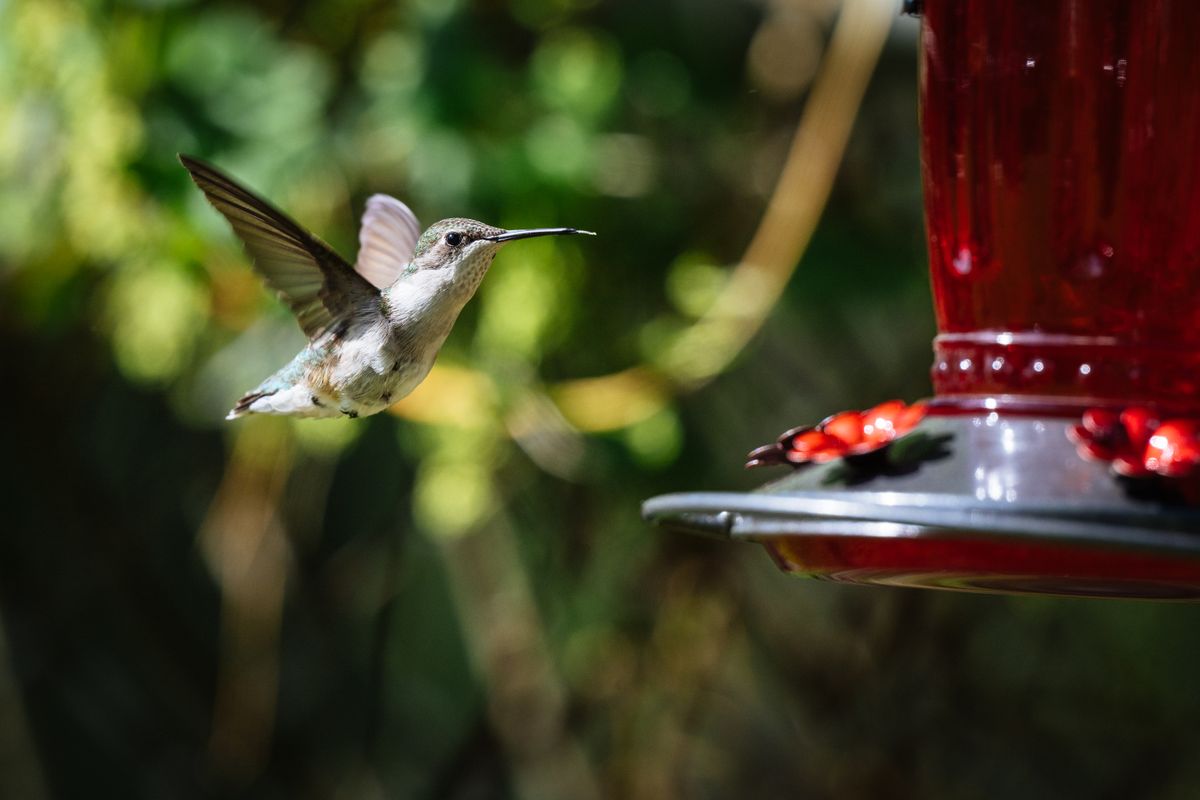
- Nectar Change Thresholds: Below 80°F = Every 3 days | 80°F–89°F = Every 2 days | 90°F+ = Daily
- Golden Nectar Ratio: 1 part refined white sugar to 4 parts tap water (Never use honey, red dye, or artificial sweeteners)
- Glass Thermal Safety: Never pour hot liquid into cold glass or plunge warm sun-heated glass into icy water
- Solar Cap Care: Wipe solar cell top with a damp microfiber cloth; NEVER submerge in sink water
- Leak Prevention Trick: Leave a 1-inch air gap at the top of the reservoir bottle to absorb thermal air expansion
Expert Insight: Handling Hand-Blown Glass & Solar Caps
Handcrafted glass reservoirs—like those shaped at 2,300°F by master glass artisans—boast unique curves, translucent colors, and exceptional durability. However, all decorative glass responds to physical laws of thermal shock. When bringing a feeder inside from a 95°F garden, allow the glass bottle to rest at room temperature for 10 minutes before washing with warm water.
Similarly, the top solar cap houses delicate RGB lighting controls and rechargeable battery seals behind a weather-shielding housing. To preserve its automatic dusk-to-dawn sensor and 8-hour nightly glow, never immerse the top solar cap under water. Simply wipe the panel face with a moist microfiber cloth to remove dust, pollen, or rogue sugar splatters, ensuring maximum solar absorption every afternoon.
Heat Leak & Failure Mode Troubleshooting
| Failure Scenario | Physical Root Cause | Corrective Action |
| --- | --- | --- |
| Nectar dripping from feeding ports during hot afternoons | Midday sunlight heats trapped air above the nectar line. Expanding air creates downward pressure, pushing liquid past seals. | Hang feeder in afternoon shade. Leave a 1-inch air pocket at the top when filling and ensure the anti-rust metal base gasket is firmly seated. |
| Solar RGB lights failing to light up at night | Solar collector panel coated in airborne dust, pollen, or dried sugar, blocking daylight absorption. | Wipe top solar collector with a damp microfiber cloth. Verify panel receives 4–6 hours of direct morning or midday sun. |
| Swarming wasps, yellowjackets, or honeybees at ports | Sticky syrup residue on outer port rims or feeder placed near bright yellow outdoor garden accents. | Wash outer metal base thoroughly with warm water to remove sugar trails. Move feeder 5–10 feet away from yellow flowers or patio furniture. |
| Nectar turning cloudy or showing black spots within 24 hours | High ambient temperatures (90°F+) triggering rapid yeast fermentation and wild mold sporation. | Discard nectar immediately. Scrub glass reservoir and feeding ports with bottle brushes and hot water; reduce nectar change interval to 24 hours. |
| Ants swarming down the hanging rod into the nectar | Water in the ant moat evaporated under intense summer heat, creating an open bridge for crawling insects. | Refill ant moat daily with clean water. Apply a thin dab of food-grade mineral oil to the hanging wire above the moat. |
Summer weather creates unique physical challenges for outdoor feeders. Use this failure-mode breakdown to diagnose and fix dripping, pests, or cloudy nectar immediately.
Temperature-Based Nectar & Cleaning Schedule
- 70°F – 79°F (Mild Summer) — Change nectar every 3 days. Perform a complete hot water rinse of the glass bottle and metal base at each refill.
- 80°F – 89°F (Warm Summer) — Change nectar every 2 days. Scrub ports and base threads with a small brush to remove hidden sugar buildup.
- 90°F – 99°F (High Heat Wave) — Change nectar daily (every 24 hours). Fill feeder only half full to minimize wasted sugar syrup during rapid refresh cycles.
- 100°F+ (Extreme Heat Alert) — Change nectar every 12 to 24 hours. Relocate feeder to full shade and monitor base gaskets for thermal expansion leaks.
Key Takeaways for Hot Weather Care
Maintaining a gorgeous garden sanctuary throughout the summer heat comes down to four core rules:
- Shade is Your Best Ally: Hanging your feeder where it receives morning sun and afternoon shade keeps nectar cool and charges solar panels without creating pressure leaks.
- Respect Thermal Expansion: Trapped air inside sealed glass expands under intense heat. Leaving a small air buffer prevents messy bottom drips.
- Keep Solar Parts Dry: Clean top solar caps using a damp cloth only. Never soak electronic solar modules in dish sinks.
- Stick to Pure Sugar Water: The standard 1 part white refined sugar to 4 parts water ratio provides optimal hydration without accelerating spoilage or dehydrating birds.
Critical Summer Mistakes to Avoid
Avoid these frequent summer maintenance errors that can damage handcrafted feeders or compromise bird health:
Seasonal Maintenance Timeline (June through September)
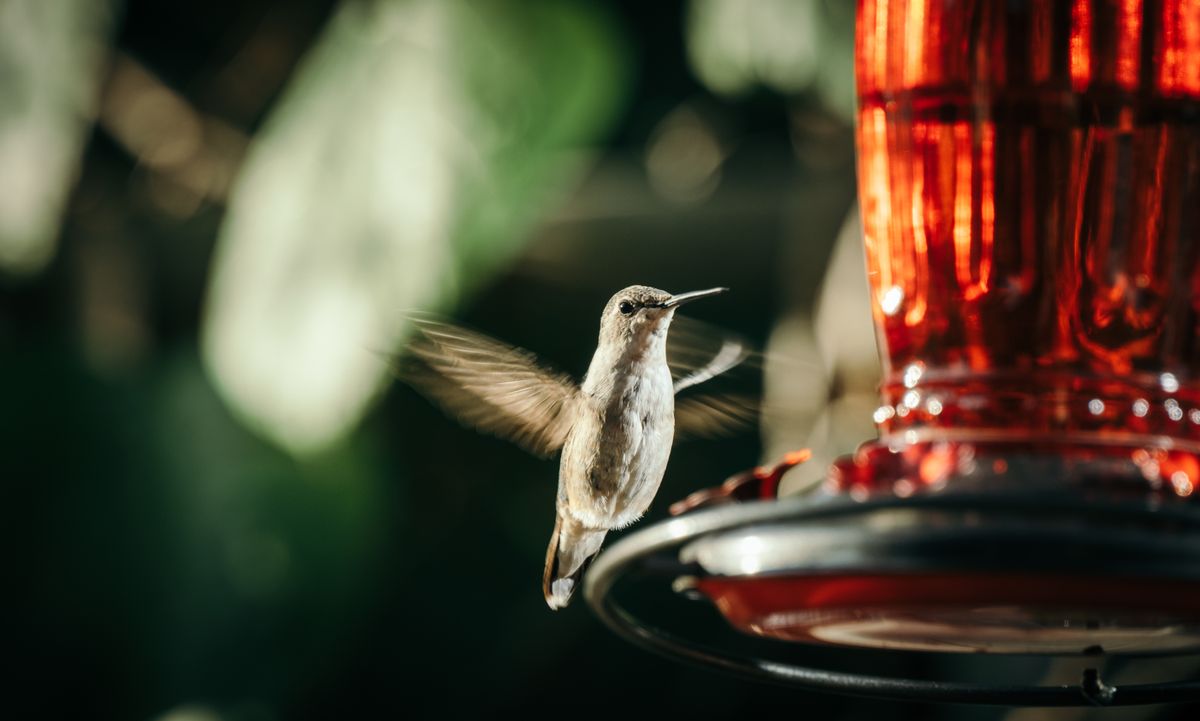
- Early June (Early Summer Migration) — Inspect rubber gaskets, check base anti-rust coating, and place feeder near early blooming perennials. Change nectar every 3–4 days.
- July (Peak Summer Heat) — Move feeder to full afternoon shade. Shift to 24-to-48-hour nectar change cycles. Refill ant moats daily against intense evaporation.
- August (Southward Fledgling Surge) — Clean feeding ports every 2 days to support heavy juvenile feeding traffic. Wipe solar collector panels weekly to clear dust accumulation.
- Late September (Fall Migration Wrap-Up) — Maintain clean 1:4 sugar water until 2 weeks after seeing your last hummingbird. Perform a deep seasonal wash before storing or winterizing.
Frequently Asked Questions
Clear up common doubts regarding hot-weather feeding ratios, solar cap safety, insect behavior, and glass care.
Recommended Summer Maintenance Essentials
Enhance your outdoor patio and support local wildlife with our premium handcrafted solar feeder engineered specifically for all-weather durability.
Next Steps for a Drip-Free, Active Sanctuary
Your decision: Determine your current local summer heat index and assess your feeder's shade exposure and seal condition.
Do this next: Switch to a 24-48 hour cleaning routine during high heat, inspect base gaskets for thermal warping, and ensure the solar cap stays clean using a damp microfiber cloth.
Related resource: Hot Weather Nectar Ratios: How to Keep Hummingbird Food Fresh in Summer
LUJII Hand-Blown Glass Solar Hummingbird Feeder with Anti-Rust Metal Base
Put these summer maintenance protocols into action today to keep your yard buzzing with energetic, healthy hummingbirds all season long.