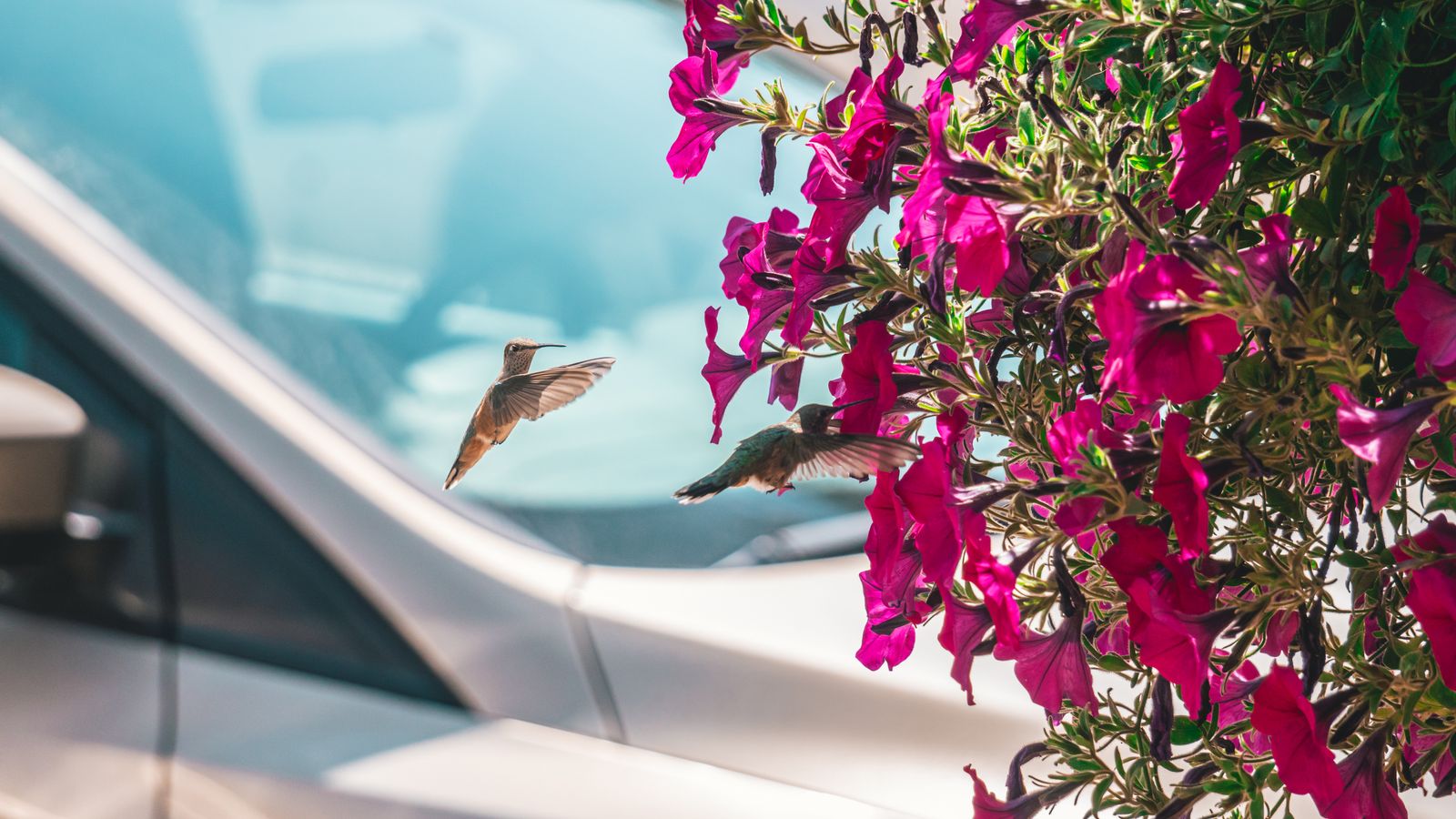
Native Flowers for Hummingbirds: Regional US Planting & Feeder Guide
Maintain a 3-to-1 ratio of native tubular nectar flowers to artificial feeders, hanging your solar glass feeder exactly 10 to 15 feet away from floral patches. This distance maximizes sightlines, reduces territorial sparring, and ensures 6+ hours of solar charge for 8 hours of evening RGB illumination.
Essential Highlights for Designing a Hummingbird Haven
Building a high-traffic hummingbird yard requires balancing natural botanical foraging with continuous supplemental feeding. Here are the core metrics every gardener needs:
US USDA Hardiness Zone Considerations for Hummingbird Gardens
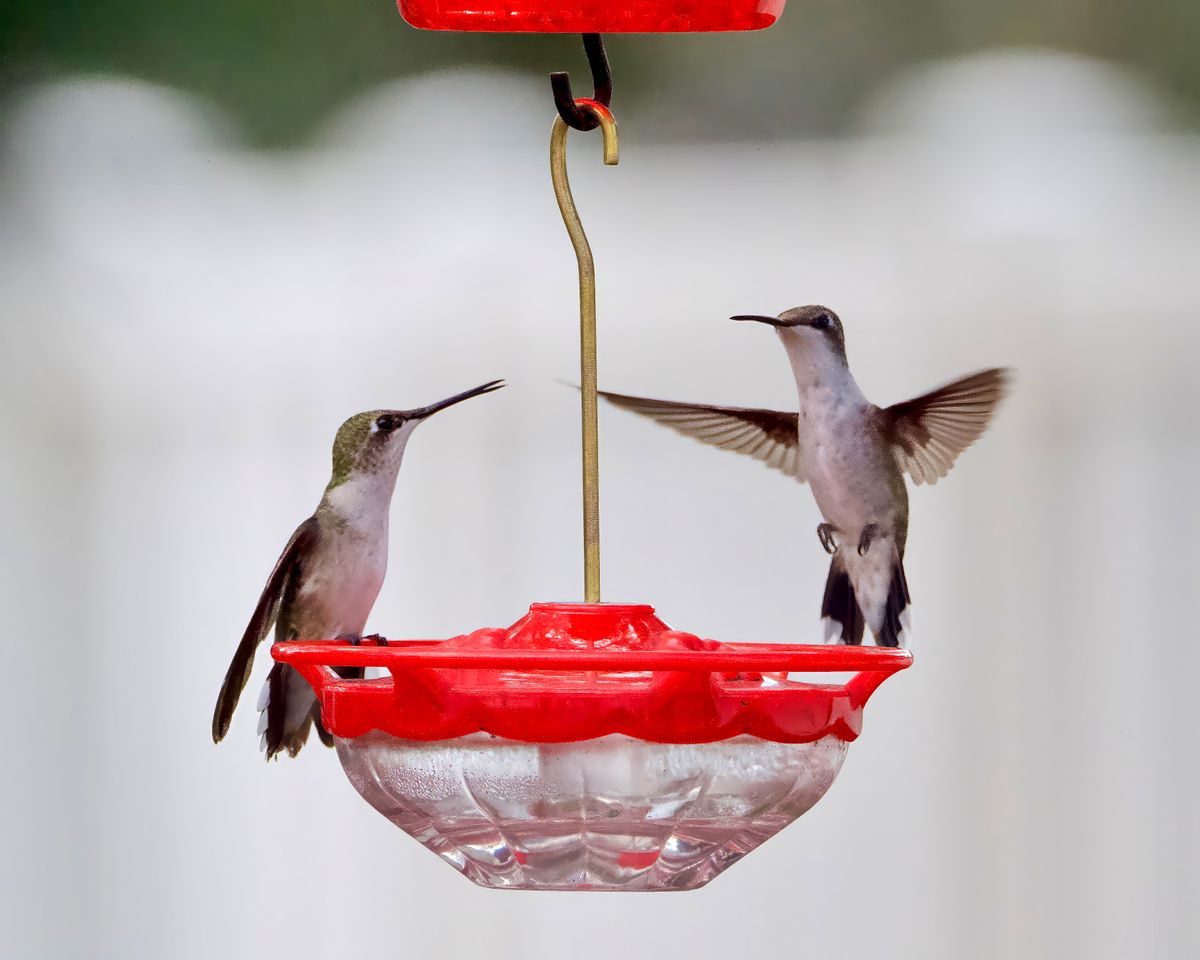
Photo by A. G. Rosales on Pexels
Hummingbird feeding habits directly align with regional temperature profiles and sun exposure patterns. In USDA Zones 3 through 6 (Northeast and Midwest), migratory Ruby-throated hummingbirds arrive in late April, requiring high-calorie early bloomers like Wild Columbine alongside frost-resistant solar glass feeders. In Zones 7 through 10 (Southeast, Southwest, and West Coast), year-round species like Anna's Hummingbirds rely on heat-hardy Salvias and deep 32 oz reservoirs during dry midsummer spells.
Solar charging performance also varies by zone. Southern zones easily achieve full 8-hour nighttime RGB light runtimes year-round. Northern gardeners should position solar caps away from dense overhanging tree canopies to ensure the solar top receives 6 to 8 hours of unfiltered exposure even during lower early-spring sun angles.
Botanical Nectar vs. Solar Glass Feeder Specifications
| Parameter | Native Floral Cluster (e.g., Bee Balm) | LUJII 32 oz Solar Glass Feeder |
| --- | --- | --- |
| Nectar Capacity | 0.1 to 0.5 fl oz per plant cluster daily | 32 fl oz (continuous bulk reservoir) |
| Peak Attraction Hours | Dawn to mid-afternoon (blooms wilt in intense heat) | 24/7 access (daytime feeding + dusk RGB glow) |
| Visual Wavelength Spectrum | 580–700 nm (Natural red/orange floral pigment) | 2,300°F Hand-Blown Translucent Colored Glass + RGB LED |
| Weather Resilience | Susceptible to heavy rain, hail, and early frost | Waterproof cap, anti-rust metal base, snow-shield plastic |
| Maintenance Cycle | Seasonal pruning, deadheading, and weeding | Refill every 3-5 days; clean with mild soapy water |
| Nighttime Functionality | Dormant (no nectar output or visual light) | Automatic dusk sensor powers 8 hours of ambient light |
Comparing the performance metrics of natural native flowers against handcrafted solar hummingbird feeders reveals why combining both yields the highest bird visitation rates.
Expert Tip: Balancing Solar RGB Ambient Light with Roosting Habits
A common question among bird enthusiasts is whether 8-hour solar RGB lights interfere with hummingbird sleep cycles. Hummingbirds enter deep torpor—a state of metabolic hibernation—at night, roosting high in dense tree branches 10 to 20 feet away from feeding stations. Soft, ambient RGB illumination emitted at ground or mid-canopy level enhances garden aesthetics without disturbing roosting birds. To optimize your setup, position your solar feeder at least 10 feet away from dense sleeping foliage while keeping it in full sight of daytime flight paths.
Featured Garden Anchor: LUJII Hand-Blown Solar Hummingbird Feeder
For gardeners seeking the perfect centerpiece to complement native flower beds, the LUJII Solar-Powered Hummingbird Feeder offers artisan craftsmanship and advanced weatherproofing.
- Hand-Blown Glass Art: Crafted at 2,300°F by glass artisans, each 32 fl.oz reservoir features unique, vibrant color patterns that naturally attract birds.
- Solar RGB Night Lighting: Automatically lights up at dusk for up to 8 hours after a full day's solar charge.
- Leak-Proof Sealed Base: Slender design with a precision rubber seal prevents drips, keeping yellowjackets and ants away.
- All-Weather Metal Base: Coated with anti-rust protective finish and topped with a durable waterproof solar housing shield.
Visual Architecture: Hummingbird Haven Spatial Layout Diagram
Proper spatial planning prevents territorial aggression and maximizes solar charging efficiency. Follow this layout blueprint when installing native plant beds and solar feeders.
US Regional Native Bloom & Migration Timeline
| US Region | Spring Migration Arrival | Peak Native Bloom Window | Fall Migration Exit | Solar Feeder Strategy |
| --- | --- | --- | --- | --- |
| Southeast (Zones 7-10) | March 15 – April 1 | April – September (Coral Honeysuckle, Salvia) | October 15 – November 1 | Hang feeders early March; clean 2x weekly in summer heat |
| Northeast (Zones 4-7) | April 15 – May 1 | May – August (Wild Columbine, Bee Balm) | September 15 – October 1 | Deploy feeders mid-April; maximize sun exposure on solar cap |
| Midwest (Zones 3-6) | April 20 – May 5 | June – September (Royal Catchfly, Cardinal Flower) | September 10 – September 25 | Pair 32 oz feeder with midsummer bloom peak to prevent nectar shortage |
| Southwest & West (Zones 5-10) | February 15 (Year-round Anna's) | March – October (Autumn Sage, Desert Honeysuckle) | November 1 (Rufous/Black-chinned) | Provide shaded nectar reservoirs during 100°F+ midday peaks |
Track when migratory species arrive in your region and align your native flower bloom cycles with artificial feeding schedules from April through October.
Top US Native Tubular Plant Species Matrix
| Botanical Name | Common Name | Primary US Regions | Sun Requirement | Flower Color | Height |
| --- | --- | --- | --- | --- | --- |
| Lobelia cardinalis | Cardinal Flower | Southeast, Midwest, Northeast | Full Sun to Partial Shade | Vivid Scarlet Red | 2 – 4 feet |
| Monarda didyma | Bee Balm / Scarlet Bergamot | Northeast, Midwest, Mid-Atlantic | Full Sun | Deep Crimson | 3 – 5 feet |
| Lonicera sempervirens | Coral Honeysuckle | Southeast, Mid-Atlantic | Full Sun | Coral / Orange-Red | 10 – 15 ft vine |
| Aquilegia canadensis | Wild Red Columbine | Northeast, Midwest, Southeast | Partial Shade to Sun | Red & Yellow Bicolor | 1 – 2 feet |
| Salvia greggii | Autumn Sage | Southwest, Texas | Full Sun | Bright Red / Cherry | 2 – 3 feet |
| Anisacanthus thurberi | Desert Honeysuckle | Southwest, Arizona, New Mexico | Full Sun | Flame Orange | 3 – 5 feet |
| Silene regia | Royal Catchfly | Midwest, Prairie States | Full Sun | Intense Ruby Red | 2 – 3 feet |
| Penstemon barbatus | Beardtongue | West, Rocky Mountains | Full Sun | Scarlet Pink | 2 – 4 feet |
| Agastache rupestris | Threadleaf Giant Hyssop | Southwest, Intermountain West | Full Sun | Sunset Orange / Rose | 2 – 3 feet |
| Campsis radicans | Trumpet Vine (Control Spread) | Southeast, Midwest | Full Sun | Orange-Red | 20 – 35 ft vine |
| Phygelius capensis | Cape Fuchsia (Adapted) | West Coast, Pacific Northwest | Full Sun to Part Shade | Coral Red | 3 – 4 feet |
| Zauschneria californica | California Fuchsia | West Coast, California | Full Sun | Bright Vermilion | 1 – 2 feet |
Selecting native plants with deep tubular corollas ensures nectar is reserved specifically for long-billed hummingbirds while deterring honeybees.
Side-by-Side: Natural Native Blooms vs. Solar Glass Feeder Roles
| Feature / Attribute | Native Flower Bed Role | Solar Glass Feeder Role |
| --- | --- | --- |
| Primary Attraction Mechanism | Natural floral fragrance & tubular blossoms | 2,300°F hand-blown translucent glass patterns |
| Dusk & Evening Impact | Fades into darkness as petals close | Automatic solar RGB LED lights up garden for 8 hours |
| Caloric Security | Flushes vary based on rain and soil moisture | Guaranteed 32 oz sugar-water reservoir (1:4 ratio) |
| Insect Defense | Open blooms can attract pollen-seeking bees | Sealed leak-proof base keeps nectar inaccessible to bees |
| Seasonal Longevity | Dormant during late fall and winter | Year-round decorative glass garden sculpture |
A side-by-side analysis demonstrates how natural flora and handcrafted solar glass feeders fulfill distinct ecological and visual functions in your yard.
Complementing Your Native Beds with Artisanal Solar Glass
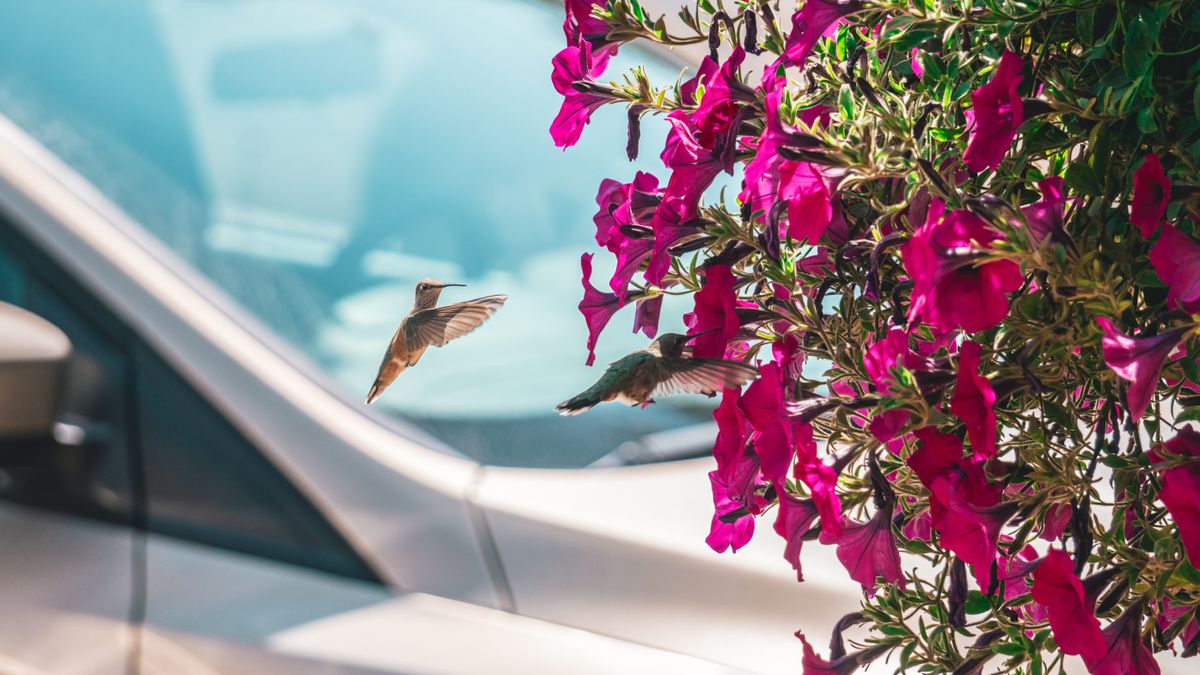
Photo by Chait Goli on Pexels
To achieve the ultimate balance of botanical charm and evening illumination, integrate a hand-blown solar glass feeder directly into your landscape design. Placed on an anti-rust shepherd's hook above native perennial beds, these feeders catch daytime sunbeams through translucent colored glass while delivering up to 8 hours of mesmerizing RGB light after dark.
Ready to transform your garden into a day-to-night hummingbird haven? Explore the LUJII Solar-Powered Hummingbird Feeder Collection at solarhummingbirdfeeder.com and give your backyard birds the 32 oz sanctuary they deserve.
Region-by-Region US Native Planting Profiles
- Southeast (Zones 7 to 10) — Combine Coral Honeysuckle on trellises with masses of Cardinal Flower along garden borders. Hang your 32 oz solar feeder in a spot that receives morning sun and light afternoon shade to protect nectar from 95°F summer heat spikes while ensuring a full 8-hour solar battery charge.
- Northeast & Mid-Atlantic (Zones 4 to 7) — Plant Wild Red Columbine for early May arrivals, followed by Bee Balm for July nectar surges. Position solar glass feeders in open southward-facing garden sectors where solar caps capture 7+ hours of sunlight during shorter northern spring days.
- Midwest & Prairie States (Zones 3 to 6) — Pair Royal Catchfly with Scarlet Bergamot to create a resilient drought-tolerant patch. Use leak-proof solar feeders with sturdy metal bases that withstand unpredictable midwestern summer thunderstorms and wind gusts.
- Southwest & Desert West (Zones 5 to 10) — Anchor your garden with Autumn Sage and Desert Honeysuckle. In high-desert environments with extreme UV exposure, the hand-blown glass reservoir maintains its brilliant translucent colors without fading, while providing critical hydration during dry spells.
Selecting Flowers & Feeders Based on Garden Footprint
Combine 3 to 5 native red/orange tubular perennial species with a 32 oz solar glass feeder positioned 10 to 15 feet from flower beds in full sunlight for maximum bird traffic.
Best choice for
- Monarda didyma (Bee Balm) paired with LUJII 32 oz Hand-Blown Solar Feeder — Bee Balm provides high-volume daytime nectar while the 8-hour solar RGB cap illuminates the vibrant red blooms at twilight.
- Lobelia cardinalis (Cardinal Flower) positioned 12 feet from a pole-mounted solar glass feeder — Thrives in partial shade where elevated solar caps can still collect 6+ hours of filtered light for ambient evening glow.
- Using non-native invasive plants like Japanese Honeysuckle which choke native flora and alter soil pH.
- Placing solar feeders directly inside dense foliage where solar panels cannot charge and sightlines are blocked.
- Potted Native Salvias on Patio Decks — Ideal for small decks; pairs excellently with a shepherd's hook mounted solar glass feeder.
Real-World Backyard Scenarios: From Urban Balconies to Rural Acreage
Urban Balcony or Small Deck (100–300 sq ft) — Plant Autumn Sage or Wild Columbine in deep 12-inch patio planters. Railing-mount a single 32 oz hand-blown solar feeder 10 feet away. The compact footprint attracts passing urban migrants while adding a glowing glass artwork anchor for evening balcony relaxation.
Suburban Quarter-Acre Yard (1,000–5,000 sq ft garden area) — Design a central 15-foot island bed filled with Bee Balm, Cardinal Flower, and Coral Honeysuckle on an obelisk. Erect a shepherd's hook 12 feet away in full sun, hanging a LUJII solar glass feeder. This creates a dual-zone feeding station that prevents dominant male birds from guarding all nectar sources.
Rural Acreage or Meadow Sanctuary (1+ Acres) — Establish multiple native plant clusters spaced 30 feet apart throughout the property. Install 2 to 3 solar glass feeders along perimeter sightlines, ensuring each solar cap receives unobstructed daily sun. The scattered RGB dusk lights turn your landscape into an illuminated night trail.
Apply these tailored planting and feeder setup scenarios to match your specific property boundaries.
Frequently Asked Questions About Native Plants and Solar Feeders
Get answers to common queries regarding plant spacing, solar lighting, bee prevention, and nectar competition.
Continue Building Your Backyard Sanctuary
Explore additional guides on garden decor, hummingbird care, and landscape lighting:
How to Hang Your Solar Hummingbird Feeder to Block Ants and Crawling Insects* Evening Garden Magic: How Dusk Bird Watching Transforms Your Sunset Wellness Routine* Hand-Blown Glass vs. Plastic Hummingbird Feeders: Why Artisan Craftsmanship Wins* Hot Weather Nectar Ratios: How to Keep Hummingbird Food Fresh in Summer*
Your Step-by-Step Spring Garden Action Plan
Your decision: Determine your region's USDA zone and select 3 native tubular flowers with staggered bloom times.
Do this next: Plant native perennials in full sun, install a shepherd's hook 12 feet away receiving 6+ hours of sunlight, and mount a hand-blown solar hummingbird feeder.
- Read next: How to Hang Your Solar Hummingbird Feeder to Block Ants and Crawling Insects
LUJII Hand-Blown Glass Solar Hummingbird Feeder (32 oz, RGB Lighting)
Ready to build your hummingbird sanctuary? Follow this simple step-by-step roadmap to prepare your soil, select your native flora, and install your solar glass feeder.
Cover photo by Chait Goli on Pexels.