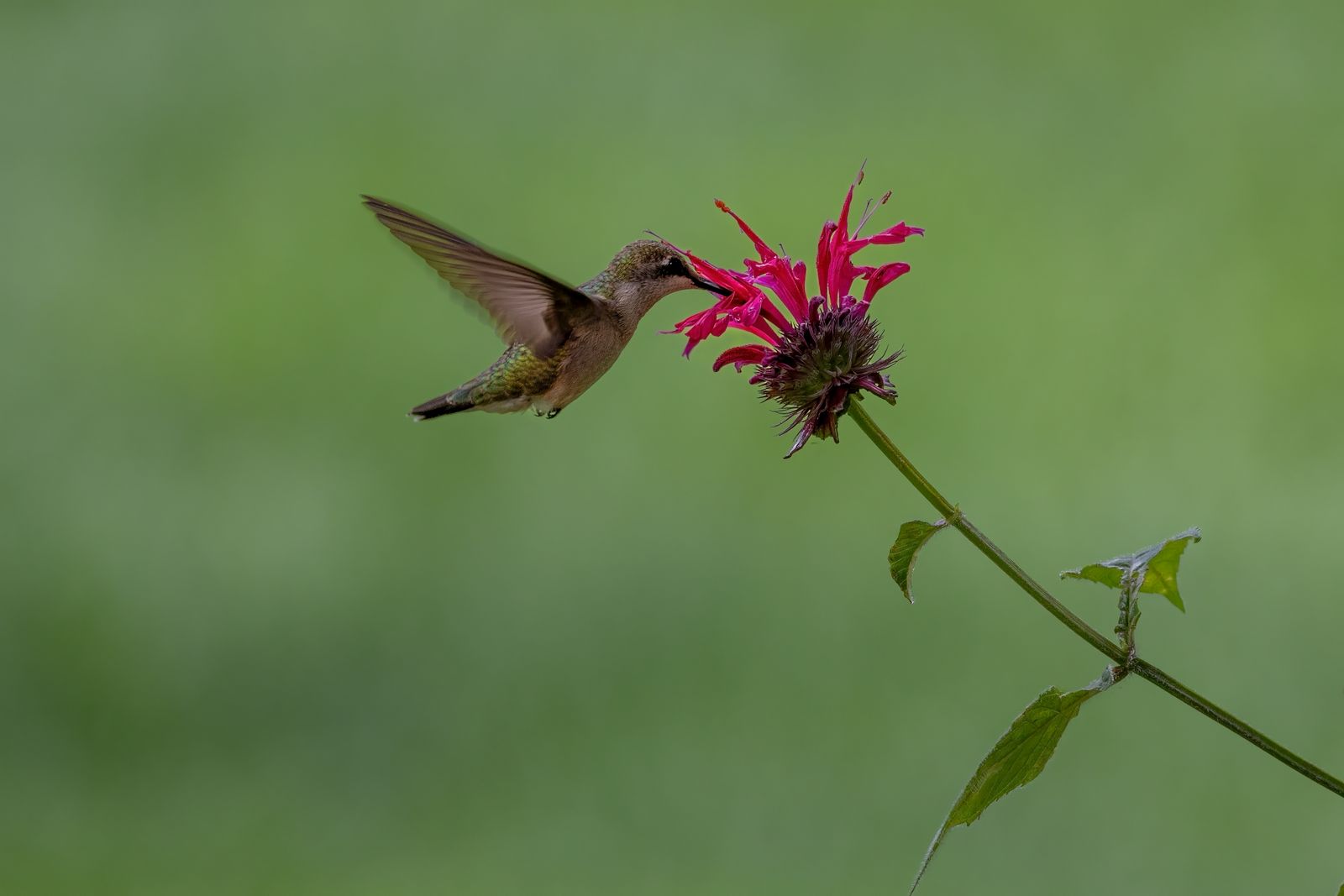
Native Flower Nectar vs. Glass Hummingbird Feeders: Do You Need Both?
Yes, you need both native flowers and a hummingbird feeder to build a truly resilient backyard sanctuary. Native flowers supply essential dietary protein through insects and micro-nutrients in natural pollen, while a handcrafted 32 fl. oz solar glass feeder provides a steady, high-calorie sucrose reserve to bridge seasonal bloom gaps and illuminate your garden at dusk with RGB lighting.
Side-by-Side Breakdown: Native Flowers vs. Solar Glass Feeder
| Evaluation Criteria | Native Flora (e.g., Salvia, Bee Balm) | LUJII Hand-Blown Solar Glass Feeder |
| --- | --- | --- |
| Caloric Reliability | Variable. Nectar output drops during mid-summer heatwaves, dry spells, or unexpected cold snaps. | 100% Constant. Holds 32 fl. oz of fresh 4:1 sucrose nectar, ensuring uninterrupted fuel. |
| Protein & Micronutrients | High. Flowers attract tiny spiders and gnats essential for hummingbird muscle development. | None. Supplemental feeders provide pure carbohydrates for rapid metabolic energy. |
| Daytime Aesthetic | Soft, organic floral foliage that shifts seasonally across the growing calendar. | Artisan centerpiece crafted at 2,300°F with vibrant, translucent hand-blown glass patterns. |
| Nighttime Garden Decor | Dark and unlit after dusk. | Integrated solar panel charges in sunlight to illuminate RGB lights for up to 8 hours at night. |
| Pest Management | Natural floral defense, but dense beds can harbour crawling insects near flight paths. | Sealed leak-proof base prevents sugar drips that attract ants and aggressive yellowjackets. |
| Territorial Radius | Clustered blooms encourage dominant male guarding over a tight, localized space. | Strategic hanging 10–15 feet away expands territory, allowing shy females peaceful access. |
Here is how native floral blooms compare directly against an artisan solar glass hummingbird feeder across core ecological, functional, and decorative criteria.
Evaluating Your Garden Nectar Options
Pros
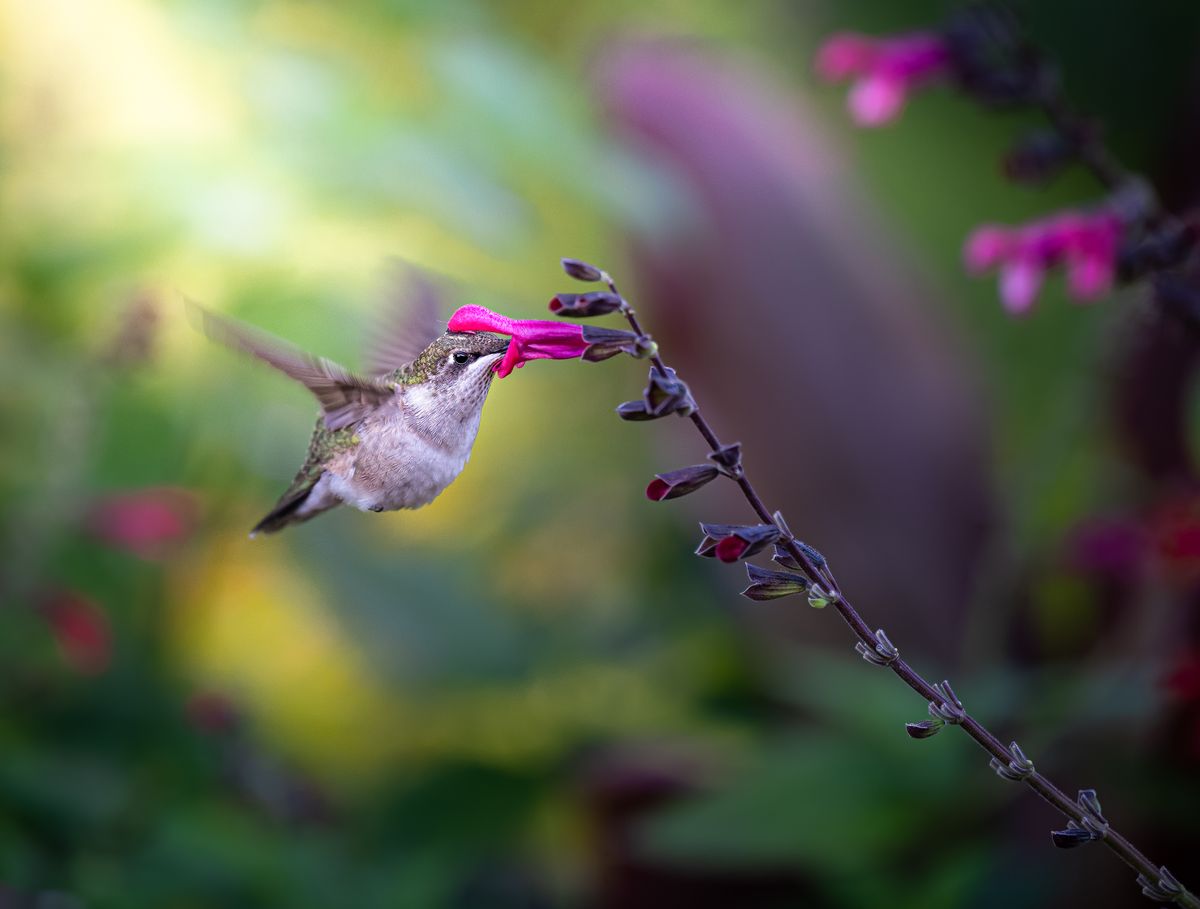
- Native plants attract small insects and spiders, delivering essential protein for nestlings.
- Hand-blown glass feeders offer easy visual monitoring of nectar levels through translucent reservoir walls.
- Solar-powered RGB feeder caps add magical evening garden ambiance for up to 8 hours without outdoor wiring.
- Supplemental feeders protect migratory hummingbirds during early spring and late fall bloom gaps.
- Relying only on flowers leaves birds vulnerable during unseasonal mid-summer droughts.
- Feeders require simple cleaning and fresh nectar refills every 3 to 5 days in warm weather.
Expert Garden Tip: Bridging Seasonal Nectar Gaps
Avian biologists emphasize that hummingbirds consume up to half their body weight in sugar daily to support a heart rate exceeding 1,200 beats per minute. Early spring arrivals often precede local flower blooms, while late August droughts cause floral nectar production to plummet. Hanging an artisan glass feeder in partial shade keeps high-energy 4:1 cane sugar nectar available precisely when native plants stall, preventing metabolic exhaustion during peak migration.
The Dual-Source Ecosystem Strategy
To achieve maximum bird activity and twilight beauty, construct a dual-source sanctuary. Plant native tubular flowers like Trumpet Honeysuckle and Cardinal Flower in sunny perimeters, and mount your LUJII Solar-Powered Glass Hummingbird Feeder 10 to 15 feet away under partial canopy shade.
This 12-foot buffer zone prevents dominant male hummingbirds from claiming ownership over both food sources simultaneously. While flowers host beneficial insects for midday foraging, the 32 oz hand-blown feeder serves as the primary high-volume refueling station. At nightfall, the solar-charged RGB lighting turns your feeding station into an illuminated art piece.
Frequently Asked Questions
Clear answers to essential garden layout and feeder care questions.
Key Takeaways for Backyard Bird Lovers
Essential lessons for balancing floral botany with supplemental feeder art.
Decision Matrix: Tailoring Your Backyard Setup
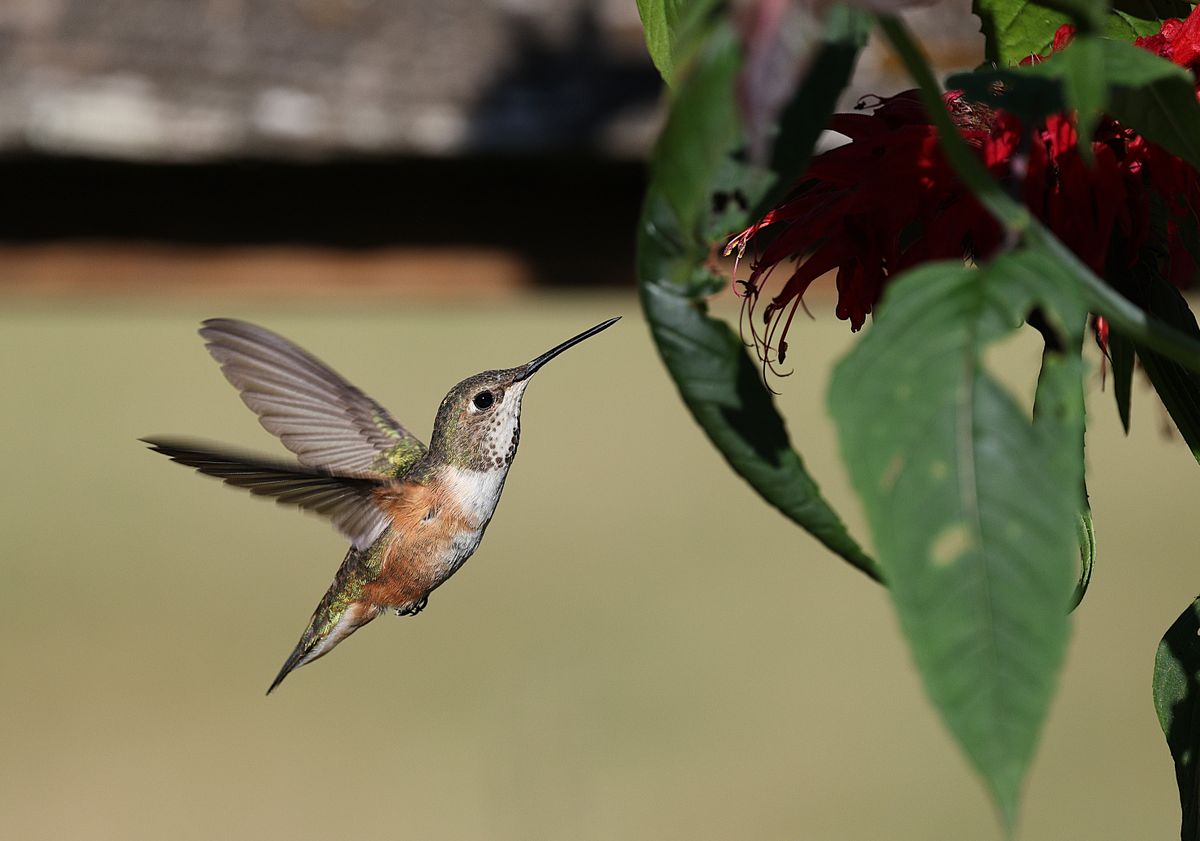
Photo by Veronika Andrews on Pexels
Combining native flowers with a hand-blown solar glass feeder creates a resilient, high-density sanctuary. Flowers supply protein, micro-nutrients, and insect habitat, while solar glass feeders provide reliable calorie refills and evening garden ambiance.
Best choice for
- Dual Sanctuary Strategy (Flowers + Solar Glass Feeder) — Offers natural insect foraging in garden beds plus a steady 32 oz feeder station 12 feet away for high-traffic feeding.
- Solar Glass Feeder Priority with Container Native Flora — Compensates for low floral bloom volume in shade by providing a bright, hand-blown centerpiece with dusk-to-dawn RGB lights.
- You are unable to refresh feeder nectar every 3 to 5 days during warm summer months.
- You intend to use store-bought nectar containing artificial red dye, which can harm bird kidney function.
- Flower-Only Approach — Suitable only if you maintain a large, multi-season native botanical patch and accept lower bird traffic during bloom gaps.
Real-World Garden Scenarios: Finding Your Ideal Balance
Urban Balcony or Small Courtyard — Space is limited for extensive flower beds. Hang a single LUJII Solar Glass Feeder from an elevated shepherd's hook paired with two potted Salvia containers. The hand-blown glass creates a striking focal point, and the solar panel catches sunlight to cast gentle RGB glow across small patios at night.
Expanded Suburban Perennial Border — Position low-lying Bee Balm and Penstemon along the sunny border. Mount the solar glass feeder 12 to 15 feet back in the dappled shade of a small ornamental tree. This layout spreads out feeding zones, reducing territorial battles between aggressive males and allowing female hummingbirds quiet access.
Woodland Edge or Shade-Heavy Yard — In yards with limited direct sun for floral blooms, place your solar glass feeder where the top cap can catch 6 to 8 hours of daylight. The bright red and blue glass patterns act as a beacon through dense shade, attracting passing hummingbirds that floral beds alone might miss.
How different outdoor spaces benefit from integrating handcrafted solar feeders with local plant life.
To appreciate why hummingbirds thrive best with both plants and feeders, it helps to look at the chemistry of nectar. Wild floral nectar consists primarily of dissolved sugars—sucrose, glucose, and fructose—ranging from 15% to 35% concentration depending on soil moisture and ambient temperature. During summer heatwaves, flowers conserve water by curtailing nectar flow, leaving birds scrambling for calories precisely when their energy demands peak.
A home-brewed solution of four parts clean water to one part pure white cane sugar creates a 20% sucrose concentration that perfectly mimics natural high-grade floral nectar. Using pure white cane sugar provides straightforward carbohydrates without electrolyte imbalances or heavy iron content found in unrefined sugars. Because the LUJII Solar-Powered Glass Hummingbird Feeder features a sealed 32 fl. oz reservoir and an anti-rust metal base, it guards this refined nectar against evaporation and dirt contamination.
The Role of Visual Cues and Evening Decor
Hummingbirds possess exceptional color vision extending into the ultraviolet spectrum. They navigate toward vivid red, orange, and deep purple hues. The handcrafted glass of the LUJII feeder—shaped by glass artists at 2,300 degrees Fahrenheit—captures sunlight during the day, producing translucent color refractions that signal safe feeding perches from long distances.
As twilight arrives, hummingbirds retreat to high branch perches to enter torpor, a low-metabolic nighttime rest. While the birds rest, your garden transitions into an evening retreat. The solar-powered cap, shielded against rain and snow by a durable protective top, automatically engages multi-color RGB lights. This ambient illumination casts soothing patterns across nearby foliage for up to 8 hours after a full day’s charge, elevating your backyard decor long after the last wingbeats fade.
Elevate Your Sanctuary: The LUJII Solar-Powered Glass Feeder
Combine artisan craftsmanship with smart solar lighting to complement your native flower garden.
Next Steps to Build Your Hummingbird Sanctuary
Your decision: Choose a dual-source strategy that pairs native nectar plants with an artisan solar glass feeder for complete ecological support and evening visual charm.
Do this next: Plant at least two native perennial species (such as Salvia or Bee Balm) in a sunny spot, and mount a 32 oz LUJII Solar Glass Feeder 10 to 15 feet away in partial shade.
- Read next: How to Hang Your Solar Hummingbird Feeder to Block Ants and Crawling Insects
- Read next: Hand-Blown Glass vs. Plastic Hummingbird Feeders: Why Artisan Craftsmanship Wins
LUJII Solar-Powered Glass Hummingbird Feeder (32 fl. oz handcrafted glass reservoir with multi-mode RGB night light)
Follow this simple setup workflow to integrate native flora with artisan solar lighting.