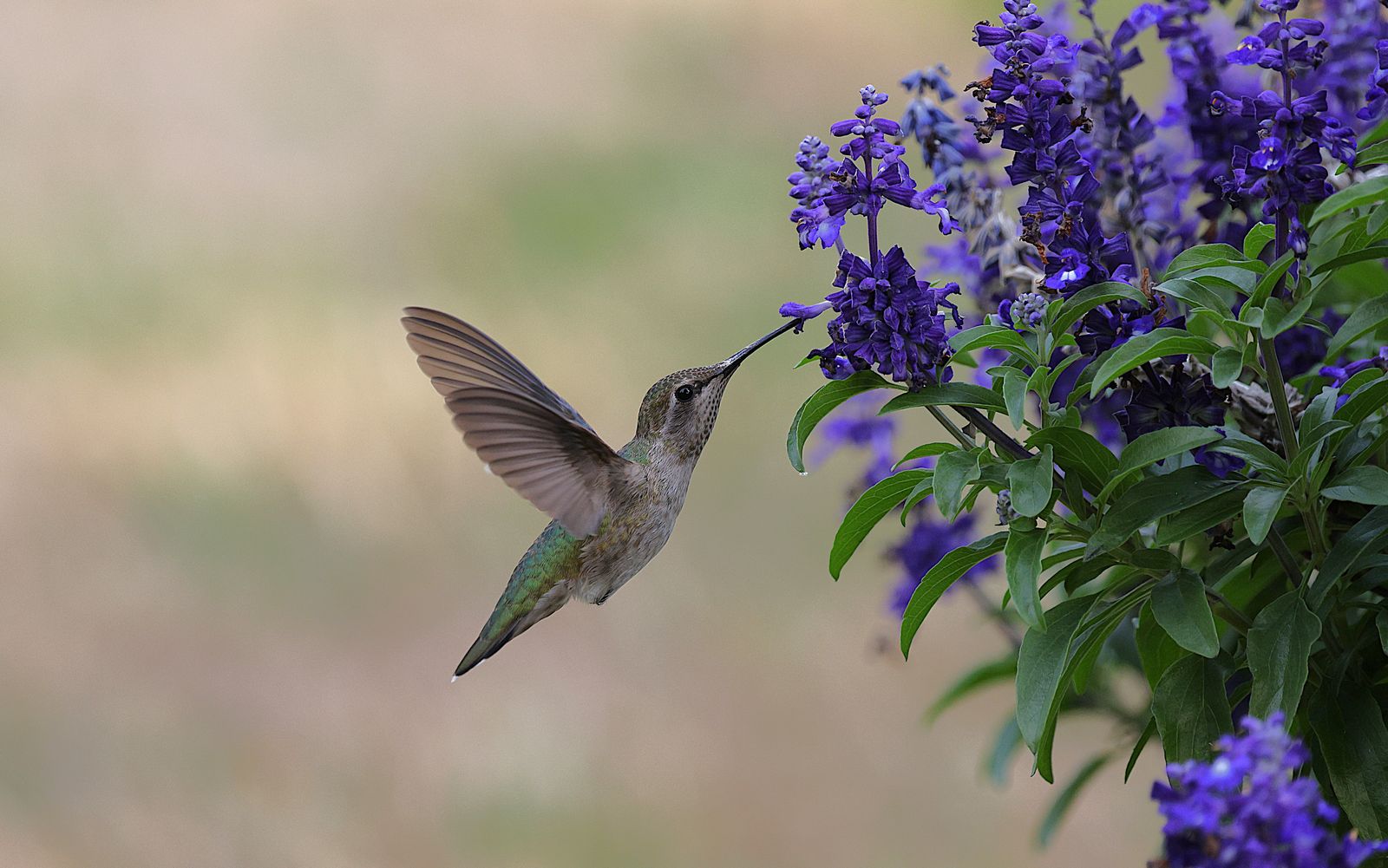
Creating a Mindful Garden Sanctuary: How Backyard Bird Watching Reduces Daily Stress
Does mindful bird watching genuinely reduce daily stress? Yes. Observing backyard birds engages "soft fascination," interrupting cognitive fatigue and lowering cortisol levels within 5 minutes. Pairing native flora with an artisan solar glass feeder creates a multi-sensory focal point that extends calming nature therapy from dawn into twilight.
Backyard Sanctuary Design Specifications for Optimal Stress Reduction
| Design Parameter | Recommended Specification | Ecotherapy Rationale |
| --- | --- | --- |
| Viewing Distance | 8 - 10 feet from primary seat | Maintains broad focal field without causing avian avoidance. |
| Feeder Elevation | 5 feet above ground level | Places visual motion directly in human eye line while deterring predators. |
| Illumination Spectrum | Gentle RGB twilight LEDs (<15 lumens) | Sustains soothing visual interest after dusk without disrupting roosting habits. |
| Nectar Capacity & Base | 32 fl. oz., sealed leak-proof metal base | Minimizes refilling friction and prevents insect-driven visual stress. |
| Material Craftsmanship | 2,300°F hand-blown translucent glass | Provides natural prismatic light refraction and easy nectar visibility. |
To maximize psychological restoration and minimize maintenance frustration, position garden elements according to these evidence-backed design thresholds.
Anatomy of a Mindful Garden Sanctuary Layout
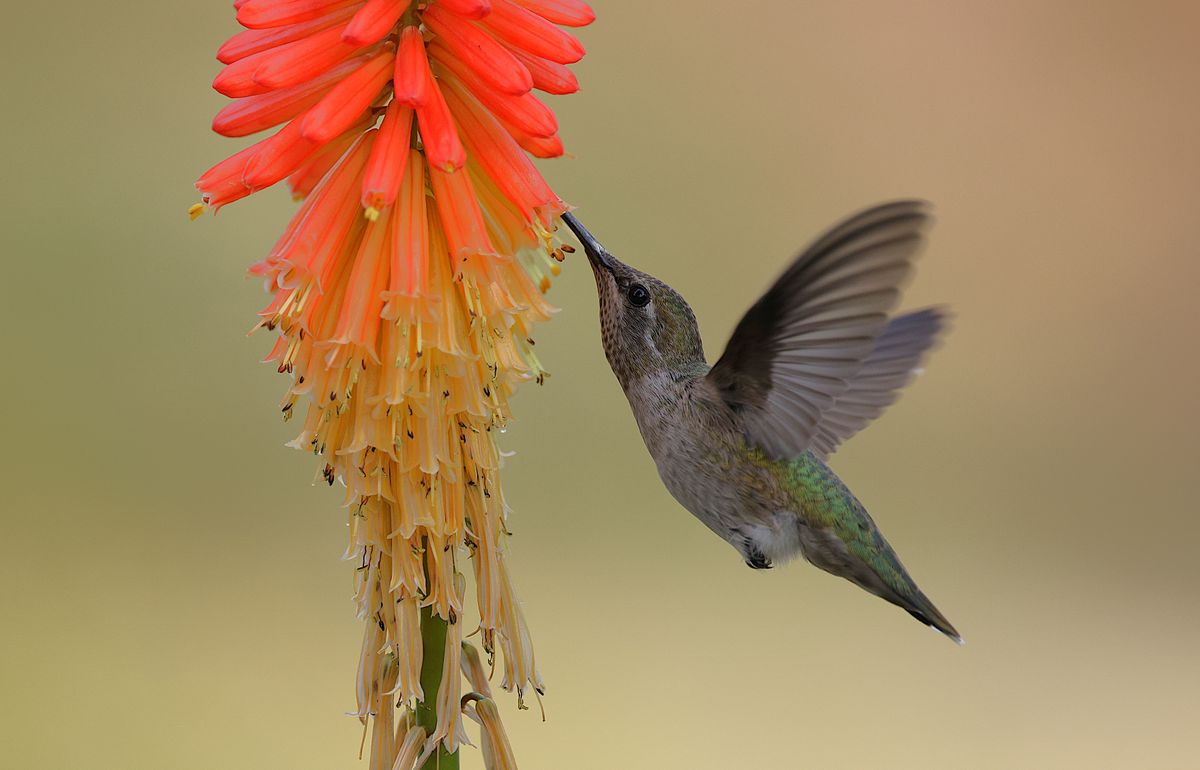
Photo by Veronika Andrews on Pexels
A harmonious garden layout balances open sightlines for human viewing with protective cover for wildlife, creating a seamless micro-sanctuary.
Recommended Sanctuary Anchor: LUJII Solar-Powered Hand-Blown Glass Feeder
For an ideal balance of functional wildlife feeding and artful garden lighting, the LUJII Solar-Powered Hummingbird Feeder serves as an effortless centerpiece. Each reservoir is uniquely handcrafted by glass artists shaping molten glass at 2,300°F. Featuring a 32 fl. oz. leak-proof capacity, anti-rust metal base, and a solar-powered RGB cap that illuminates for up to 8 hours at night, it converts any backyard seating area into a tranquil sanctuary.
5-4-3-2-1 Sensory Grounding Guide for Backyard Bird Watching
- [ ] Step 1: Sit comfortably 8-10 feet away from your feeder with screens turned off.
- [ ] Step 2: Acknowledge 5 visual details (e.g., iridescent feathers, hand-blown glass swirls).
- [ ] Step 3: Focus on 4 tactile sensations (e.g., warm sunlight, chair cushion, cool breeze).
- [ ] Step 4: Listen for 3 distinct sounds (e.g., rapid wing hums, soft chirps, rustling leaves).
- [ ] Step 5: Identify 2 scents (e.g., jasmine, fresh garden soil) and take 1 deep, restorative breath.
Expert Tip: Preventing Sensory Overload and Bird Disturbance
> Mindfulness & Wildlife Tip: Always position solar-illuminated feeders where ambient glow shines downward into your garden rather than directly toward roosting tree canopies. Hummingbirds enter torpor—a state of deep sleep—in thick foliage at night. Low-lumen RGB ambient lighting on feeders serves as relaxing garden decor and does not disturb birds when placed responsibly near open patio viewing areas.
Frequently Asked Questions About Mindful Bird Watching
Common questions regarding garden placement, bird habits, and ambient solar lighting.
Key Takeaways: Science-Backed Nature Mindfulness
- Soft Fascination Restores Attention: Watching wildlife engages involuntary attention, giving overworked brain regions dedicated to focus a chance to rest.
- 5 Minutes to Lower Cortisol: Brief daily nature breaks measurably reduce physiological markers of stress.
- Art Meets Utility: Hand-blown glass reservoirs add prismatic color by day, while solar-powered RGB LEDs transition your garden into a relaxing evening haven.
- Low Maintenance = Low Stress: Leak-proof sealed metal bases prevent drips, keeping pests away and preserving your outdoor peace.
Choosing the Right Sanctuary Elements for Your Space
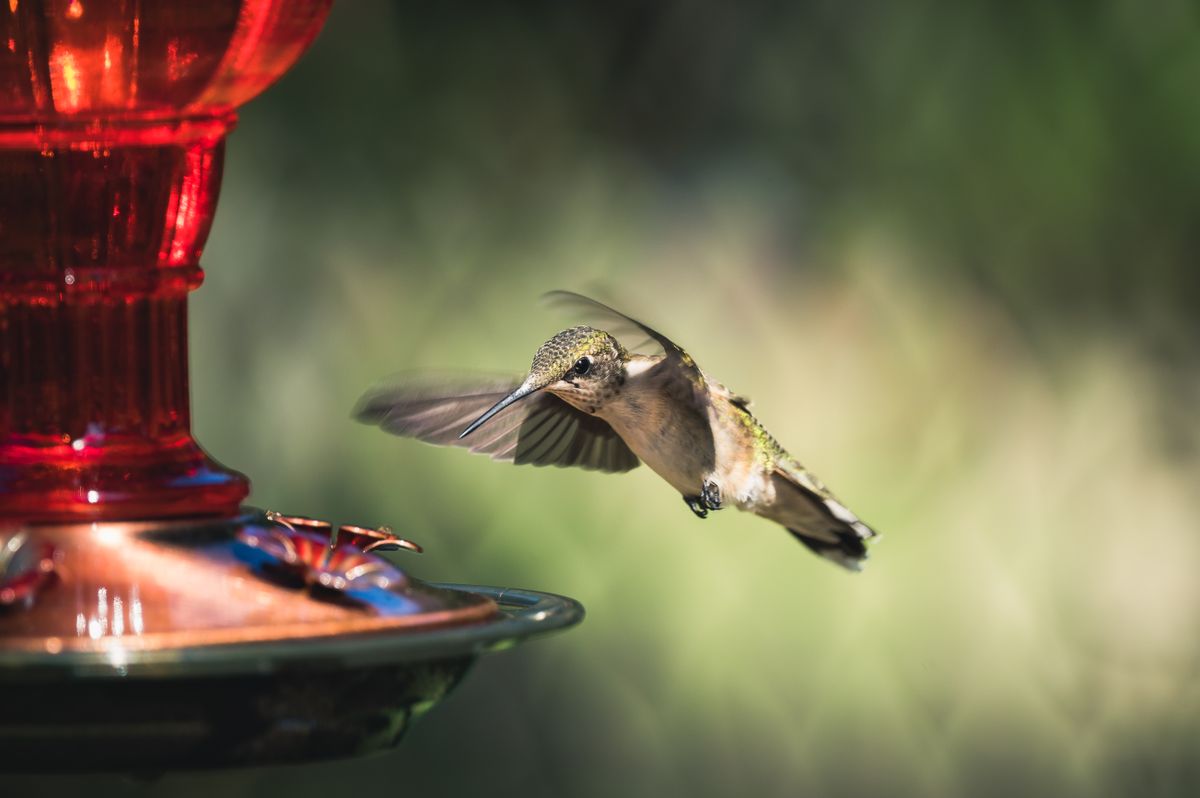
Selecting the right garden elements depends on your outdoor space, daily schedule, and desire for twilight relaxation.
Best choice for
- Hand-blown solar glass hummingbird feeder on a high shepherd hook — Provides vertical visual focus, attracts quick wildlife visits, and offers ambient LED lighting without taking floor space.
- Combination of solar glass feeder, native honeysuckle, and recirculating birdbath — Creates multi-sensory layers (sound, color, motion) for extended 15-minute ecotherapy sessions.
- You cannot clean feeders weekly (neglected feeders cause mold, which increases stress rather than relieving it).
- You place high-intensity spotlights directly facing bird resting zones.
- Solar Water Fountain with Native Potted Nectar Flowers — Ideal if you prefer gentle water movement and acoustic masking over active nectar feeding.
In modern daily life, our cognitive resources are constantly strained by digital notifications, multi-tasking, and urban noise. Psychological research on Attention Restoration Theory (ART) explains that urban environments demand directed attention, which rapidly leads to mental fatigue. Nature, however, engages soft fascination—a state where your mind is held effortlessly by rich visual patterns like flitting hummingbird wings, shimmering glass reflections, and rustling leaves.
How Avian Motion Resets the Nervous System
Hummingbirds are nature’s ultimate visual anchor. Moving at wingbeat speeds exceeding 50 flaps per second, their rapid flight and sudden hovers force cognitive presence. When you focus on the delicate iridescent throat feathers or watch a feeder reservoir refract afternoon sunlight, your brain halts ruminative thought loops.
The Transition to Evening Calm
Mindfulness does not need to end when the sun dips below the horizon. Traditional bird feeders fade into darkness, but an artisan solar feeder continues its ambient role. As dusk falls, integrated solar cells activate soft RGB light cycles across the hand-blown glass swirls. This low-lumen twilight illumination extends your connection with the outdoors, offering a calming visual anchor during evening relaxation hours.
Comparing Backyard Relaxation Elements by Stress-Relief Criteria
| Evaluation Criteria | Hand-Blown Solar Glass Feeder | Plastic Standard Feeder | Solar Water Fountain | Native Flower Patch |
| --- | --- | --- | --- | --- |
| Maintenance Friction | Low (Sealed metal base, easy rinse) | Moderate (Cracks easily, frequent leaks) | Moderate (Filter cleaning required) | Low-Moderate (Pruning and weeding) |
| Visual Fascination (Day) | High (Prismatic colors, wing movement) | Low (Plain aesthetic) | Moderate (Water rippling) | High (Seasonal bloom colors) |
| Twilight Relaxation (Night) | High (Soft RGB solar illumination) | None (Unlit at night) | Low (Requires ambient light) | None (Dark after sunset) |
| Wildlife Attraction Speed | High (Bright translucent reflections) | Moderate | Moderate (Attracts bathers) | High (Natural nectar source) |
| Sensory Diversity | Visual & Acoustic (wing hums) | Visual only | Acoustic (water sounds) | Olfactory & Visual |
Evaluate common garden investments across crucial mindfulness and maintenance factors.
Common Failure Modes in Garden Sanctuary Design
Avoid these common pitfalls that introduce stress and maintenance friction into what should be a peaceful haven.
Featured Garden Wellness Focal Points
Bring handcrafted art and gentle illumination to your outdoor sanctuary.
Next Steps to Build Your Backyard Wellness Haven
Your decision: Decide on your primary viewing area (patio seat, window nook, or balcony bench).
Do this next: Set up a shepherd's hook 8-10 feet from seating, hang an artisan glass solar feeder, and practice the 5-minute grounding routine daily.
- Read next: Learn how to choose between glass and plastic feeders for garden decor
- Read next: Discover how to style your backyard with illuminated glass feeders
LUJII Solar-Powered Hummingbird Feeder with Hand-Blown Glass and Gentle RGB Twilight Illumination.
Take these simple actions today to establish your daily outdoor grounding practice.
Further Reading for Garden Wellness & Decor
Provide targeted internal links to relevant cluster topics.
Cover photo by Veronika Andrews on Pexels.