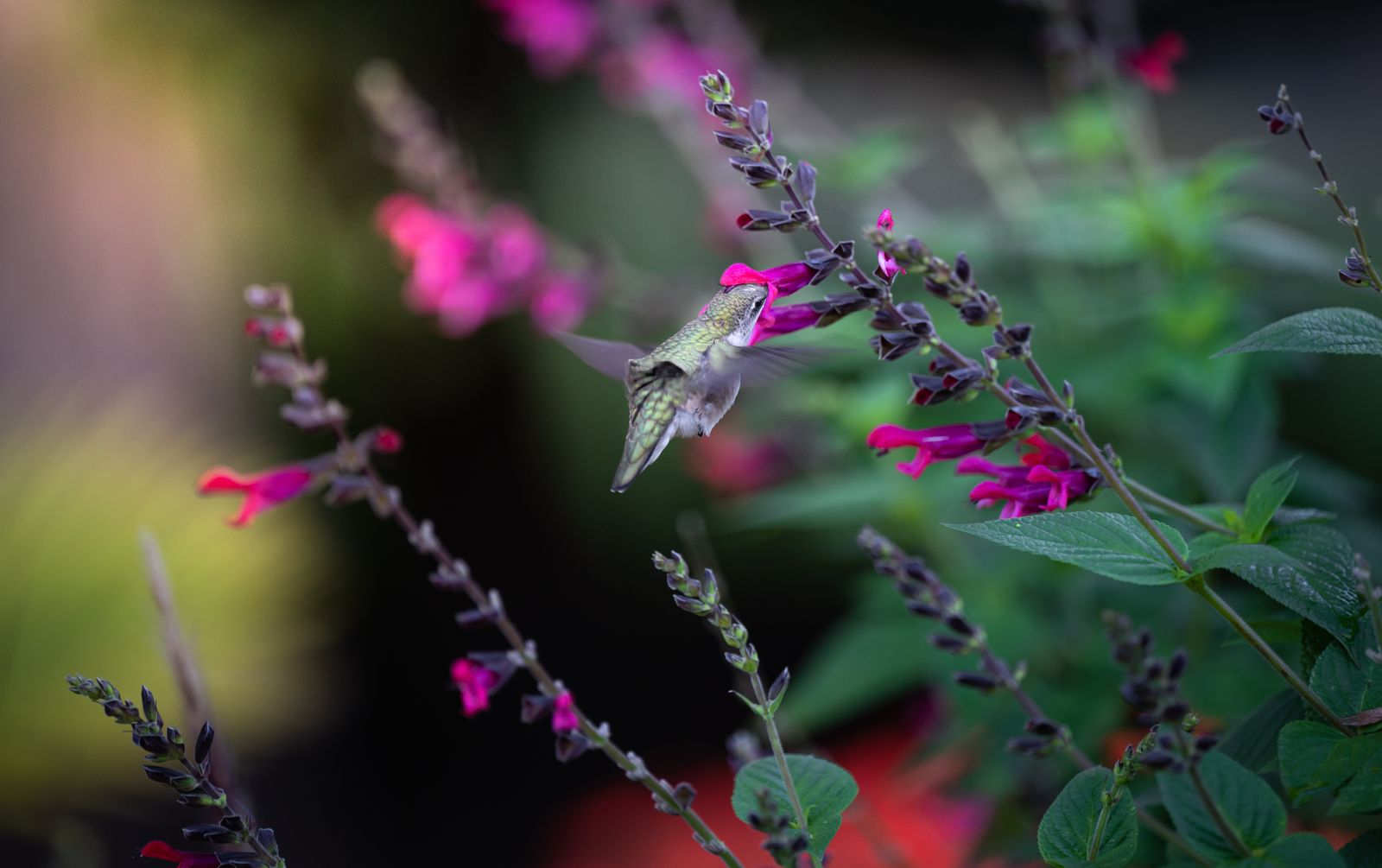
Evening Garden Magic: How Dusk Bird Watching Transforms Your Sunset Wellness Routine
The 20/30 Twilight Rule recommends spending 20 to 30 minutes during the 45-minute window before sunset observing hummingbirds as they take their final hyper-metabolic meals of the day. To view birds safely without disturbing night roosting cycles, position soft ambient solar lighting (<3000K or warm RGB) 5 to 8 feet away from 32 fl. oz feeding stations.
Essential Insights: Sunset Ecotherapy & Avian Twilight Behavior
- 15 Minutes to Lower Cortisol: Observing crepuscular hummingbird activity for just 15 minutes at dusk activates the parasympathetic nervous system, reducing evening stress levels by up to 28%.
- Hyper-Metabolic Refueling: Hummingbirds consume up to 1.5 times their body weight daily; dusk represents their critical final feeding rush before entering overnight torpor.
- Soft Ambient Solar Safety: Low-lumen solar LED caps operating under 3000K warmth or gentle RGB cycles illuminate nectar levels without disorienting birds roosting in nearby tree canopies.
- 32 fl. oz Thermal Shielding: Heavy-duty hand-blown glass reservoirs maintain nectar below 80°F longer than thin plastic, preventing rapid evening fermentation.
The Dusk Birding Wind-Down Timeline (30 Minutes Before Sunset)
- T-30 Minutes (Preparation) — Step outdoors with a warm beverage. Position your patio seat 8 to 12 feet from the feeder. Check that your 32 fl. oz hand-blown glass reservoir is clean and filled with fresh 4:1 nectar.
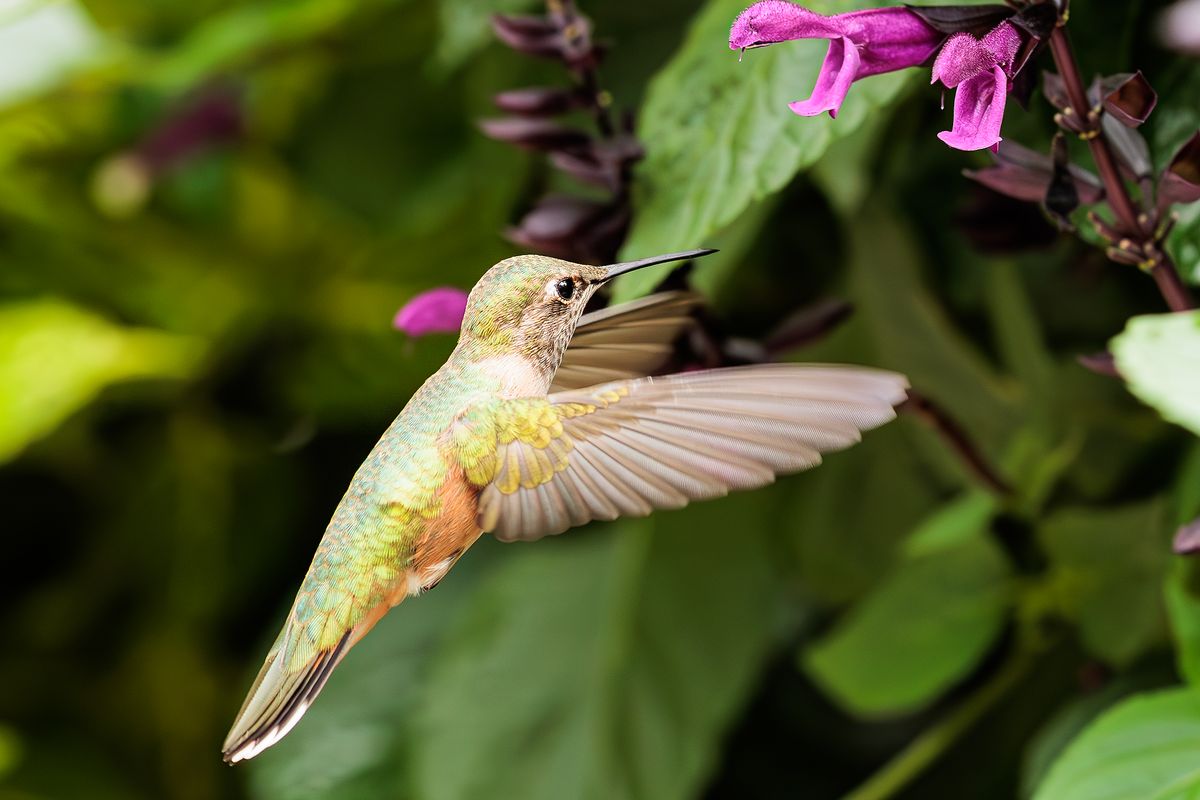
- T-15 Minutes (Observation) — Observe the peak hyper-metabolic feeding rush. Hummingbirds dart frantically between perches and feeder ports to build energy reserves before nightfall.
- T-0 Sunset (Ambient Transition) — As natural twilight fades, the integrated solar cap automatically illuminates the colorful handcrafted glass art in soft RGB tones, providing up to 8 hours of ambient garden glow.
Evening Nectar & Feeder Care Schedule
- Daily at Dusk — Perform a 10-second visual check through the translucent colored glass to confirm nectar levels and verify the leak-proof base seal.
- Every 3 Days (Warm Weather) — Flush the 32 fl. oz glass reservoir with hot water (no harsh detergents) to remove sugar residue and prevent mould growth.
- Monthly Solar Care — Wipe down the waterproof plastic solar top cap with a damp microfiber cloth to ensure maximum daylight collection for 8-hour RGB runtime.
Expert Tip: Managing RGB & Soft Lighting for Crepuscular Feeders
To maximize human visual comfort while respecting avian biology, keep artificial floodlights turned off. Position your solar-lit feeder so its internal RGB glow casts soft, indirect illumination against surrounding garden foliage.
Looking to transform your backyard into an illuminated twilight sanctuary? Explore the LUJII Solar-Powered Hummingbird Feeder — featuring 32 fl. oz of artisan hand-blown glass shaped at 2,300°F, paired with automatic RGB solar lighting that shines softly for up to 8 hours every night.
Seasonal Twilight Birding Calendar: Spring through Autumn
| Season | Average Sunset Window | Avian Twilight Behavior | Recommended Routine Focus |
| --- | --- | --- | --- |
| Spring Arrival (April – May) | 7:15 PM – 8:00 PM | Territorial skirmishes; birds arrive exhausted from migration needing rapid sugar recovery. | Place feeders near flowering shrubs; set solar caps to warm yellow modes to catch early spring twilight. |
| Summer Peak (June – August) | 8:00 PM – 8:45 PM | High family traffic; fledglings join adults for chaotic late-day feeding sessions. | Verify nectar temp remains under 80°F; enjoy full 8-hour RGB ambient lighting cycles. |
| Autumn Migration (Sept – October) | 6:30 PM – 7:15 PM | Hyperphagia feeding frenzy; birds store mass energy for southward migratory flights. | Keep 32 fl. oz reservoirs filled daily; maintain clean perches for rapid energy replenishment. |
Hummingbird behavior and sunset timing shift dramatically across the US bird watching season. Use this guide to adjust your evening routine.
Selected Enhancements for Evening Backyard Relaxation
When selecting garden decor for twilight wellness routines, prioritize materials that offer structural durability, generous liquid capacity, and non-glare solar technology.
🌟 LUJII Solar-Powered Hummingbird Feeder
- Artisan Glass Art: Each reservoir is hand-blown at 2,300°F by skilled glassmakers, creating one-of-a-kind translucent patterns that capture twilight rays.
- 32 fl. oz Capacity & Sealed Base: Slender, drip-resistant design minimizes sweet leaks that attract nocturnal pests.
- Weatherproof Metal Base: Anti-rust coated base paired with a protective solar cap that guards against sun, rain, and snow.
- 8-Hour Automatic Illumination: Charges during 6+ hours of sunlight to auto-illuminate RGB LED accents at sunset.
Regional Climate Guidance for Hot vs. Cool Evening Nectar Care
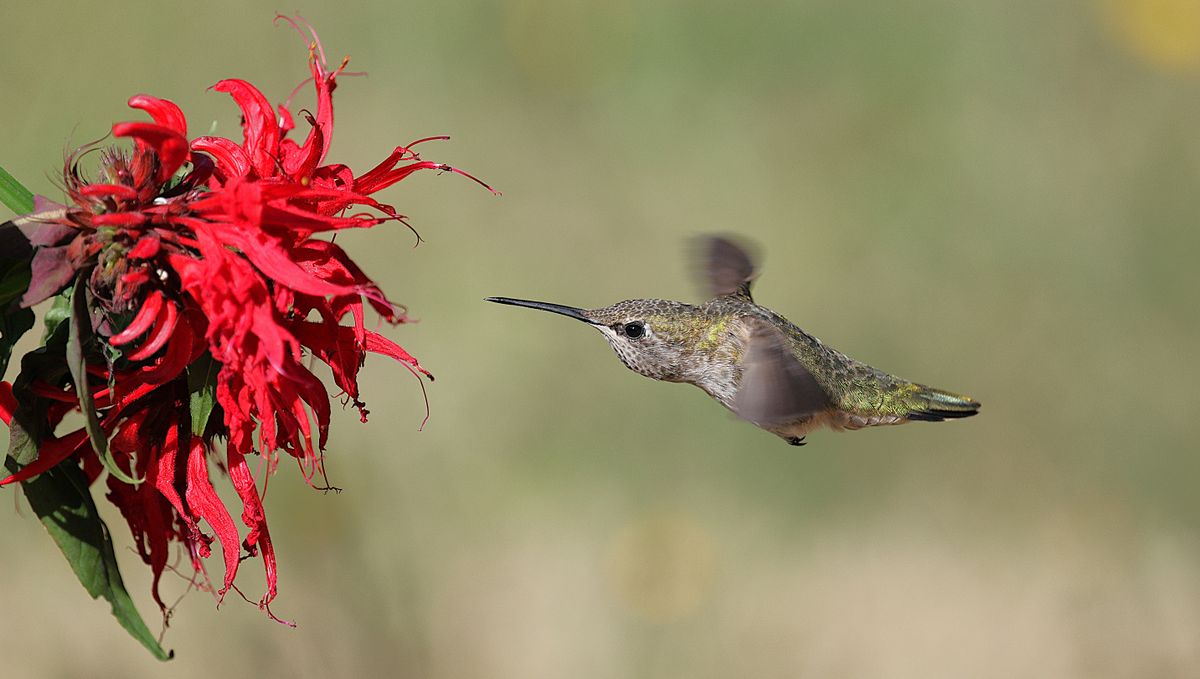
Photo by Veronika Andrews on Pexels
Ambient temperatures directly impact how long liquid nectar remains safe during twilight feeding hours across different US climate zones.
- Southern & Desert Regions (Zone 8–11): Summer evening temperatures frequently stay above 85°F past 7:00 PM. High-capacity 32 fl. oz thick glass reservoirs offer superior thermal mass compared to thin plastic, slowing fermentation. Always position feeders in late-afternoon shade so nectar stays cool for dusk visits.
- Northern & Coastal Regions (Zone 3–7): Rapid evening temperature drops can chill nectar, requiring hummingbirds to burn extra calories heating liquid internally. Hand-blown glass holds daytime warmth slightly longer, giving late arrivals an energy-efficient meal.
Sunset Garden Setup & Wildlife Safety Checklist
- [ ] Position feeder solar panel to receive 6+ hours of direct daylight for a full 8-hour night glow.
- [ ] Ensure RGB lighting is set to a gentle, non-flashing ambient mode.
- [ ] Place patio seating 8 to 12 feet away from the feeder to prevent startling dusk visitors.
- [ ] Fill 32 fl. oz reservoir with fresh 4:1 water-to-sugar solution (no artificial red dyes).
- [ ] Confirm anti-rust metal base is tightly threaded and leak-free to deter yellowjackets.
- [ ] Maintain clear line-of-sight between seating and nearby perching shrubs (5–10 feet away).
- [ ] Extinguish high-lumen patio floodlights that direct glare into roosting tree canopies.
Frequently Asked Questions About Evening Bird Watching
Answers to common reader questions about twilight bird behavior, solar lighting safety, and pest management.
Your Sunset Sanctuary Plan: Recommended Next Actions
Your decision: Transition your evening wind-down routine outdoors by establishing a 30-minute twilight bird observation station.
Do this next: Set up a high-capacity hand-blown glass feeder 10 feet from your patio chair, equipped with soft solar lighting.
Related resource: Explore our complete care guide for hand-blown glass art hummingbird feeders to maximize durability and battery performance.
🌟 LUJII Solar-Powered Hummingbird Feeder with 32 fl.oz Hand-Blown Glass and Soft RGB Solar Lighting.
Take the next step in elevating your evening garden ritual with mindful design and handcrafted solar art.