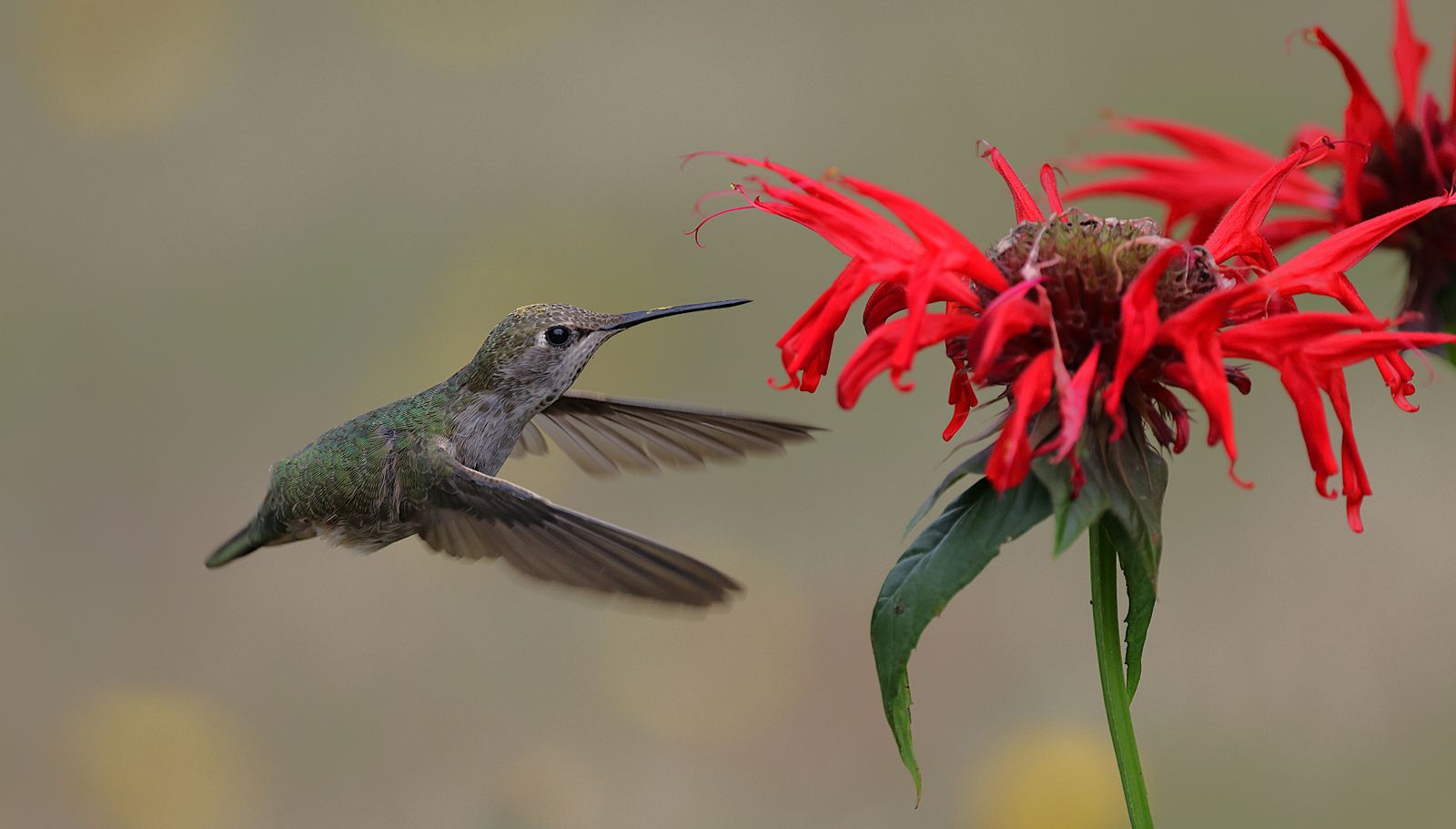
Evening Backyard Garden Decor for Bird Lovers: Twilight Sanctuary Guide
Should you illuminate your backyard bird sanctuary with solar decor? Yes, provided solar lights emit soft ambient glows under 15 lumens and sit at least 10 feet from dense roosting shrubs, ensuring late-dusk feeders find nectar without disrupting nocturnal torpor cycles essential for dawn energy.
Technical Sanctuary Specifications: Light Intensity, Wavelengths, and Distances
| Metric / Parameter | Target Specification | Avian & Sanctuary Impact |
| --- | --- | --- |
| Light Output (Lumens) | < 15 Lumens Ambient Glow | Prevents blinding late-dusk feeders while clearly illuminating perch ports. |
| Distance to Roosting Foliage | 10 to 15 Feet Minimum Buffer | Preserves dark canopy pockets required for metabolic torpor entry. |
| Solar Cap Thermal Barrier | Protective Plastic Top Shield | Dissipates solar heat upward, keeping nectar cool and fermentation-free. |
| LED Wavelength & Spectrum | Soft Warm White / Subdued RGB | Enhances twilight garden visibility without triggering night orientation issues. |
| Feeder Capacity & Base Seal | 32 fl. oz. with Anti-Rust Metal Base | Prevents sticky drips that attract nocturnal raccoons and crawling pests. |
To balance magical garden aesthetics with biological safety for local wildlife, adhere to these technical parameters when installing solar-lit feeders and landscape accents.
Layout Blueprint: Zoning Your Twilight Sanctuary for Beauty and Safety
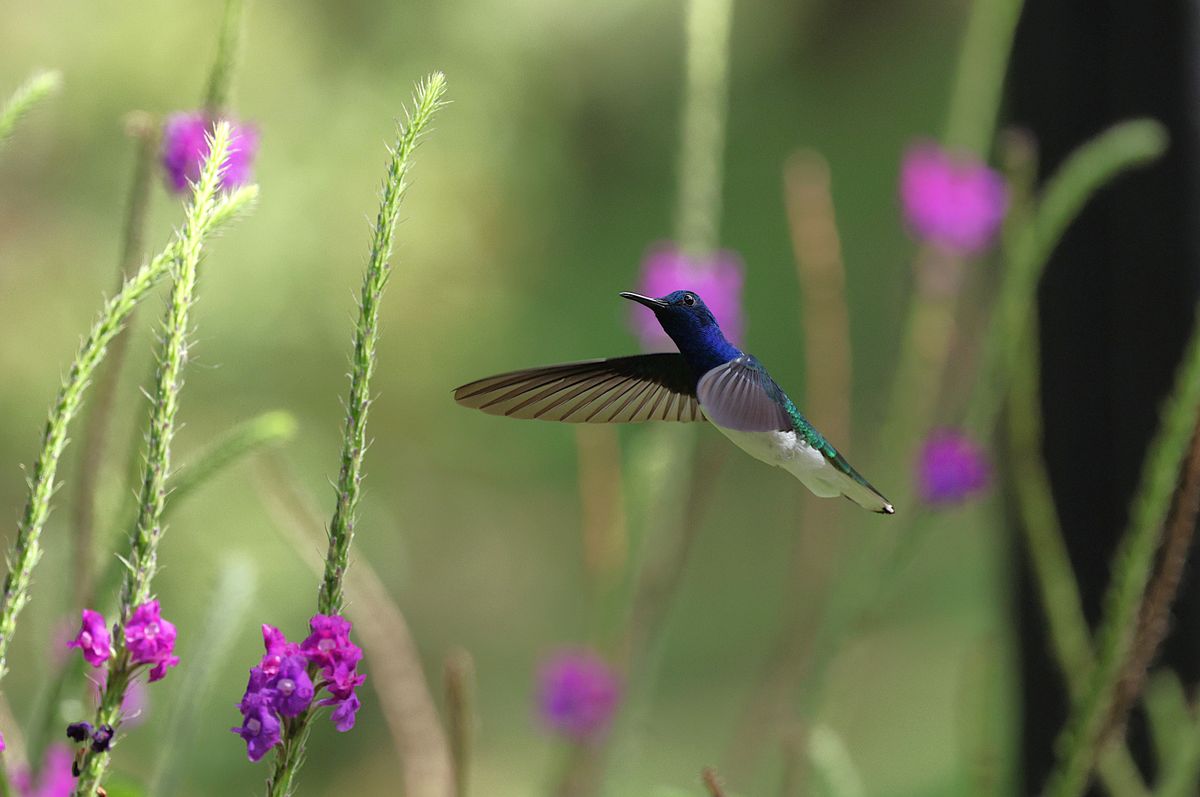
Photo by Veronika Andrews on Pexels
Proper spatial planning ensures solar-lit accents create an inviting evening focal point without intruding upon dark roosting zones.
Nightly Twilight Checklist: Preparing Nectar and Decor for Dawn Arrival
- [ ] Inspect nectar level through translucent hand-blown glass reservoir.
- [ ] Ensure solar charging cap is clean and free of morning dirt or leaf residue.
- [ ] Verify light mode is set to gentle ambient or soft RGB transition.
- [ ] Check that feeder is positioned at least 10 feet away from dark roosting trees.
- [ ] Wipe leak-proof base ports to remove sticky spills before night insect activity.
Pro Insight: Balancing RGB Illumination with Avian Torpor States
When configuring multi-mode solar lights near feeding zones, select slow ambient transitions or warm, low-kelvin glows rather than flashing dynamic modes. Hummingbirds possess tetrachromatic vision that easily detects subtle twilight illumination. Soft, steady downward lighting allows late arrivals to safely navigate perch ports without penetrating dense roosting foliage where deep metabolic sleep (torpor) occurs.
Frequently Asked Questions About Evening Garden Decor and Bird Behavior
Answers to critical questions regarding solar garden lighting, nocturnal avian biology, and feeder maintenance.
Action Plan for Building Your Twilight Bird Sanctuary
Your decision: Determine your garden's primary lighting zone and select a solar decor placement at least 10 feet from dense tree canopies.
Do this next: Install a hand-blown glass solar hummingbird feeder, set the solar cap to a warm or ambient color cycle, and establish a sunset nectar check.
Related resource: Download the Twilight Sanctuary Layout Blueprint printable PDF guide for offline garden planning.
LUJII Solar-Powered Hand-Blown Glass Hummingbird Feeder with RGB LED cap and 32 oz capacity.
Take these practical steps tonight to align your backyard decor with wildlife safety standards.
Essential Principles for Nighttime Garden Decor & Bird Care
- Ambient Glow Limits: Keep decorative lighting under 15 lumens to prevent glare during late-dusk feeding.
- Roosting Distance: Maintain a minimum 10 to 15-foot buffer between illuminated feeders and dark tree canopies where birds sleep in torpor.
- Thermal Management: Choose solar caps with upward heat dissipation to protect nectar freshness throughout sunny days.
- Artisanal Glass Benefits: Translucent, hand-blown glass reservoirs allow instant nectar visibility while elevating outdoor landscape style.
- Leak Prevention: Precision-sealed metal bases eliminate sweet drips that attract nocturnal raccoons, ants, and opossums.
Choosing the Right Evening Lighting & Decor Setup for Your Yard
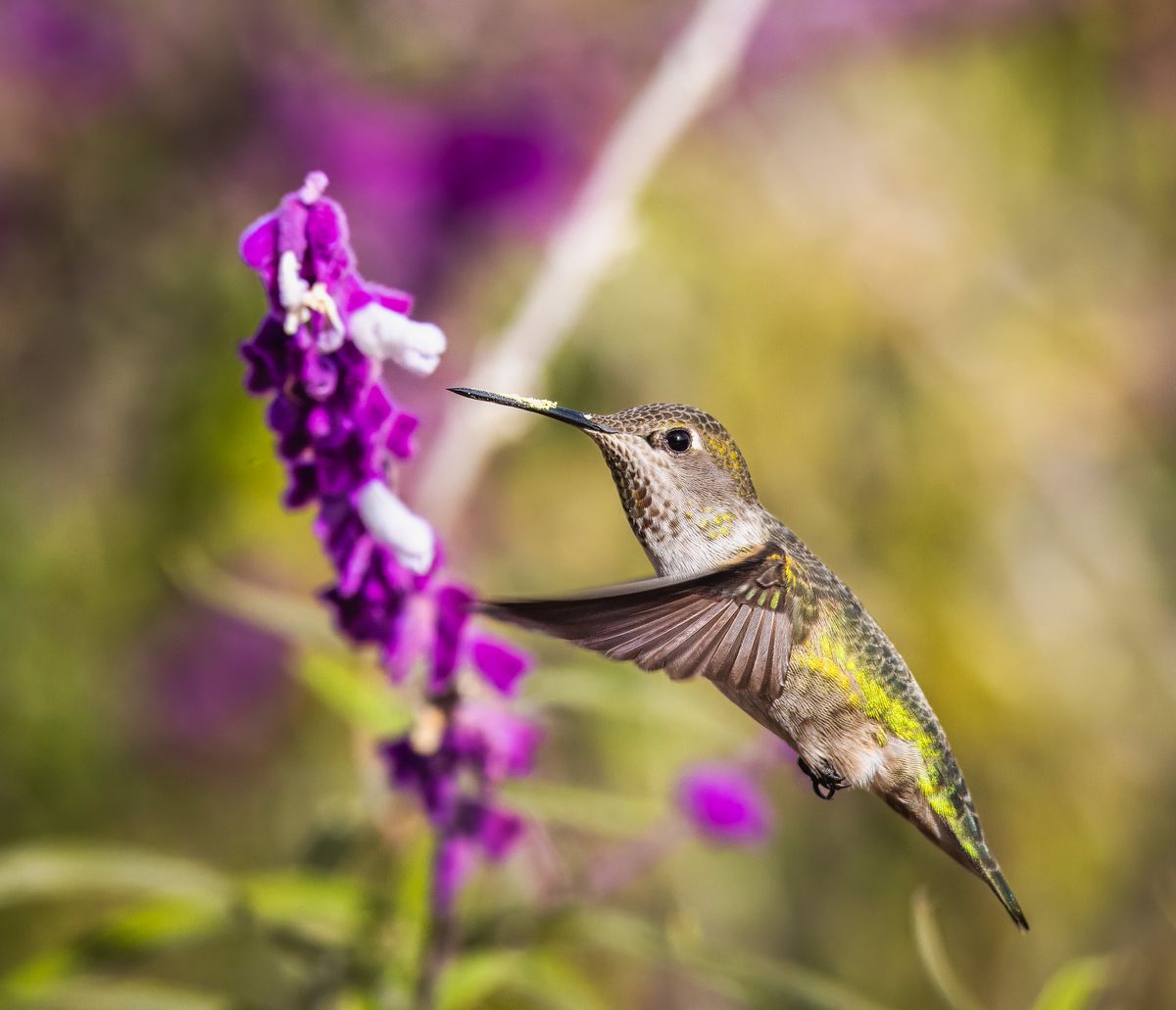
Selecting evening garden decor requires balancing soft ambient lighting with nocturnal avian safety and easy maintenance access.
Best choice for
- Solar Hand-Blown Glass Feeders with multi-mode gentle RGB LED caps — Combines focal point aesthetics with soft downward illumination that won't shine into dense roosting foliage.
- Hanging glass solar feeders paired with ground-level solar pathway stakes — Maximizes solar recharge efficiency while creating multi-layered light zones away from bird sleeping perches.
- Using high-lumen spotlight decor directed upward into dense tree canopies where hummingbirds sleep in torpor.
- Placing solar feeders near unshielded floodlights or motion sensors that trigger harsh light flashes throughout the night.
- Non-illuminated glass feeders with separate warm solar fairy lights positioned 15 feet away — Provides garden glow while keeping all light sources isolated from feeding and perching areas.
Critical Failure Modes in Unshielded Evening Lighting
Before exploring the artistic beauty of evening garden decor, it is vital to address the major failure modes that ruin backyard bird setups. Improperly designed or mispositioned solar lights cause severe operational issues:
``` +-------------------------------------------------------------------+ | TWILIGHT SANCTUARY ZONING MODEL | | | | [ ZONE 1: Dark Roosting Canopy ] <-- 10-15 ft Buffer --> | | (Dense foliage, complete darkness for torpor state) | | | | [ ZONE 2: Solar Glass Nectar Station ] | | (Soft ambient glow <15 lumens, 32 oz translucent reservoir) | | | | [ ZONE 3: Low-Level Pathway Accent Lighting ] | | (Ground stakes illuminating flowers & garden perimeters) | +-------------------------------------------------------------------+ ```
Hand-Blown Glass Artistry and Thermal Defense
To overcome the failures of plastic feeders, artisanal hand-blown glass offers both structural integrity and breathtaking visual appeal. Each reservoir is individually crafted by glass artisans who shape molten silica at 2,300 degrees Fahrenheit. Passed down through generations, this technique creates unique swirls, iridescence, and vivid color patterns embedded directly within the glass matrix, ensuring colors never fade or peel under harsh UV rays.
Beyond aesthetics, hand-blown glass provides superior thermal insulation compared to thin molded plastic. The thick glass walls buffer nectar against sudden ambient temperature swings. When paired with a protective plastic solar top shield, solar radiation is absorbed by top panels while heat dissipates upward into the open air, keeping the 32 fl. oz. reservoir cool.
Translucent glass allows homeowners to perform quick visual nectar checks at dusk without opening the feeder. Seeing clear, bubble-free nectar through vibrant colored glass guarantees that birds receive fresh, energy-dense fuel for their last feed at sunset and their first visit at dawn.
Nighttime Security and Leak-Proof Engineering
A truly safe twilight sanctuary requires precision engineering at the base connection. A slender reservoir profile paired with an anti-rust powder-coated metal base forms an airtight seal that eliminates dripping. High-quality silicone gaskets prevent seepage even during strong winds or temperature shifts, keeping ground areas beneath the feeder dry and unappealing to nocturnal pests.
Comparison: Solar Hand-Blown Glass Feeders vs. Traditional Garden Decor
| Evaluation Criteria | Hand-Blown Glass Solar Feeder | Standard Solar Pathway Stakes | Unshielded Plastic Solar Lanterns |
| --- | --- | --- | --- |
| Light Output & Distribution | Soft downward ambient RGB glow (<15 lumens) | Unidirectional upward spotlighting | Harsh omnidirectional glare (>30 lumens) |
| Nectar Thermal Protection | Protective plastic top shield dissipates heat upward | N/A (No feeding reservoir) | Unshielded solar cap directly heats nectar chamber |
| Sealing & Leak Prevention | Precision-sealed anti-rust metal base (32 oz) | N/A | Press-fit plastic joints prone to dripping |
| Avian Safety & Torpor Preservation | Safe 10+ ft placement creates isolated dusk focal point | Can illuminate roosting foliage if angled incorrectly | High risk of disrupting roosting pockets |
| Artisanal & Aesthetic Value | Unique 2,300°F hand-crafted glass artwork | Mass-produced stamped metal/plastic | Mold-injected clear plastic |
Evaluating key performance metrics across evening garden decor options.
Critical Failure Modes in Evening Bird Garden Design
Avoid these common setup errors to protect local birds and maintain pristine garden decor.
Further Guides on Seasonal Hummingbird Care and Lighting
Expand your knowledge with these essential garden and bird care resources:
- Regional Spring Arrival Timing and Nectar Station Setup
- Visual Attraction Strategies for Scout Hummingbirds
- Decorative Glass versus Molded Plastic Feeder Maintenance
- Spring Nectar Preparation and Cold Weather Care Standards
Featured Sanctuary Crafting Tools & Decor
Transform your evening yard into a magical retreat with this handcrafted solar glass centerpieces.
Final Action Steps for Your Evening Sanctuary
Your decision: Determine your garden's primary lighting zone and select a solar decor placement at least 10 feet from dense tree canopies.
Do this next: Install a hand-blown glass solar hummingbird feeder, set the solar cap to a warm or ambient color cycle, and establish a sunset nectar check.
Related resource: Download the Twilight Sanctuary Layout Blueprint printable PDF guide for offline garden planning.
LUJII Solar-Powered Hand-Blown Glass Hummingbird Feeder with RGB LED cap and 32 oz capacity.
Begin building your twilight refuge today with these core steps.
Cover photo by Veronika Andrews on Pexels.