How to Map Backyard Sightlines for Indoor Hummingbird Watching
Apply the 3-or-30 rule: position feeders within 3 feet (0.9 meters) of window glass—or beyond 30 feet—to eliminate fatal collision velocity. Align the feeder base to a 42-inch seated eye level, offset your viewing axis by 15 to 45 degrees to bypass window glare, and frame the translucent glass against a dark evergreen backdrop for maximum day and night contrast.
Essential Sightline Mapping Principles
- 3 Feet or 30 Feet Safety Zone: Placing feeders inside 3 feet prevents startle-flight momentum, keeping visiting hummingbirds safe from glass impacts.
- 42-Inch Ergonomic Target: Standard indoor seated eye height ranges from 40 to 44 inches; set your feeder hook to match this line-of-sight vector through un-screened glass.
- 15° to 45° Glare Offset: Angular positioning eliminates direct solar reflection off double-pane low-E glass during peak morning and afternoon feeding hours.
- 40% to 60% Screen Occlusion: Full window screens scatter point-source RGB lights and dull hand-blown glass colors—always align sightlines with clear glass panes.
- 8-Hour Twilight Visibility: Solar-powered RGB feeders require 6+ hours of unshaded sunlight to illuminate handcrafted art glass from dusk into the night.
3D Triangulation: Mapping Seated Eye Level to Garden Depth
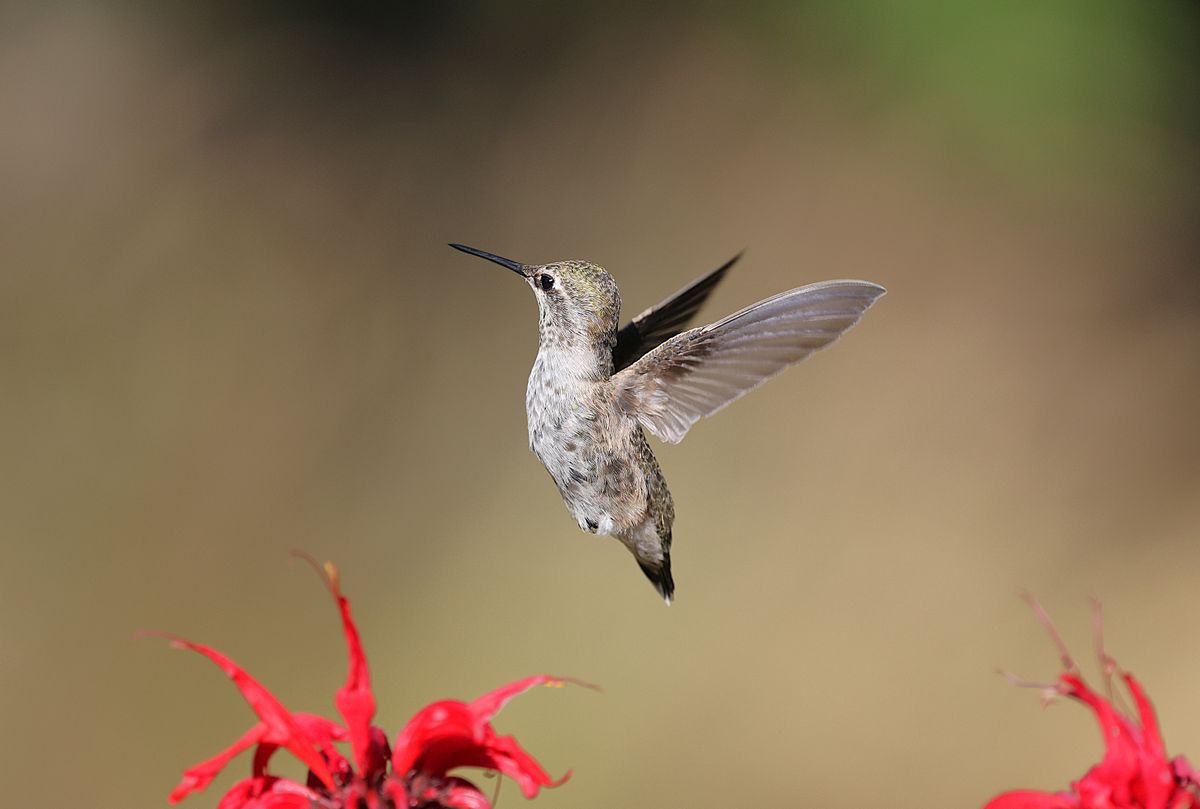
Photo by Veronika Andrews on Pexels
This cross-sectional diagram illustrates the optical laser path extending from an indoor seated viewer through a standard double-hung window to an outdoor hand-blown solar feeder.
Sightline Layouts by Room Type
Home Office Desk (40-inch Eye Level, 4–6 ft from Glass) — Mount the feeder 2.5 feet from the exterior glass using a heavy-duty suction bracket with a safety tether. Angle the feeder 15 degrees left or right of your primary computer monitor axis to eliminate screen-to-window mirror reflection.
Living Room Sofa (36-inch Eye Level, 10–14 ft Setback) — Install a shepherd's hook in the garden bed 32 feet from the window. The elevated distance compensates for the low 36-inch seating height, allowing your line of sight to clear the lower window sill without clipping.
Kitchen Standing Island (64-inch Eye Level, Downward Angle) — Extend an eave swivel arm off the patio roof 3 feet from the window top frame. A downward 15-degree sightline vector catches the top solar cap and the luminous translucent glass reservoir perfectly.
Every primary indoor viewing position presents distinct ergonomic and optical challenges. Match your room setup to the recommended sightline geometry below:
Best Feeder Aesthetic for High-Contrast Indoor Viewing
To achieve maximum visual pop through double-pane window glass both day and night, choose a handcrafted glass feeder with integrated twilight illumination.
5 Sightline Blunders That Hide Your Hummingbirds
Avoid these common errors when positioning your outdoor feeder relative to indoor living spaces:
Indoor Sightline Pre-Hanging Audit Checklist
- [ ] Measure seated eye level height at your primary chair or desk (typically 40–44 inches).
- [ ] Verify feeder placement distance follows safety rules (under 3 feet OR over 30 feet from glass).
- [ ] Check window glass reflection during peak sun hours (morning 8–10 AM and afternoon 2–4 PM).
- [ ] Ensure sightline vector passes through clear, un-screened double-pane glass.
- [ ] Confirm backdrop behind feeder location features dark foliage (boxwood, yew, holly) or dark wood fencing.
- [ ] Ensure the top solar cap receives at least 6 hours of direct, unshaded sunlight daily for optimal RGB battery charging.
Frequently Asked Questions About Sightlines & Window Optics
How close can I hang a feeder to my window without risking hummingbird window strikes?
According to bird safety research from the American Bird Conservancy, place feeders within 3 feet (0.9 meters) of the window pane or beyond 30 feet. When mounted within 3 feet, hummingbirds cannot build up enough flight momentum to suffer severe injuries if startled toward the glass.
Will window screens obstruct my view of the solar RGB lights at night?
Yes. Fine fiberglass insect screens break up point-source LED light and reduce visual clarity by 40% to 60%. Position your feeder to align with glass panes that do not have full-frame screens, or use half-screens to maintain a clear line of sight.
How do I choose a high-contrast garden background so tiny hummingbirds stand out from my desk?
Position dark green conifers (such as yews, boxwoods, or hollies) or a dark stained wooden fence 5 to 10 feet directly behind the feeder. Dark, textured backdrops highlight fast wing movement and display translucent hand-blown glass colors vividly.
What hanging hardware works best for positioning feeders off window trims or patio eaves?
Extended eave swivel brackets, heavy-duty triple-suction mounts with stainless safety tethers, or adjustable 90-inch shepherd's hooks placed 15 to 30 degrees off the window centerline offer the best stability and sightline flexibility.
Clear answers to essential questions on bird safety, glass reflection, and outdoor mounting hardware.
Gallery of Perfectly Mapped Indoor-to-Outdoor Viewing Angles
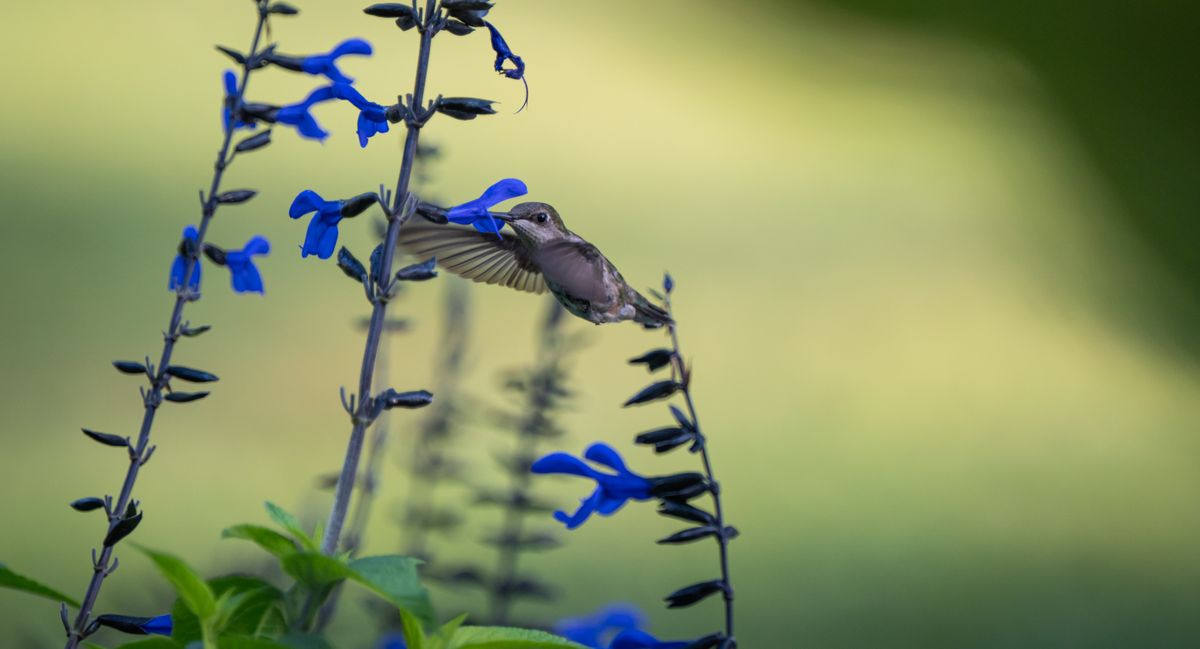
A visual guide illustrating daytime glass translucency, dark backdrop contrast, and dusk RGB light transmission through double-pane home windows.
Action Plan for Fine-Tuning Your View
Your decision: Determine your primary indoor viewing seat and measure your exact seated eye level and window frame bounds.
Do this next: Use a temporary stake or suction hook to test feeder height and background contrast from your favorite chair before permanently mounting hardware.
- Read next: How to Style Solar Accents & RGB Feeder Lights
- Read next: Artisanal Glass in the Garden FAQ
LUJII Hand-Blown Glass Solar Hummingbird Feeder for vivid daytime colors and magical dusk-to-night RGB glow.
Follow these simple steps to finalize your feeder placement and start enjoying effortless indoor wildlife watching.
Viewing Distance & Glare Mitigation Matrix
| Criteria | Home Office Desk (3–5 ft Setback) | Living Room Sofa (10–14 ft Setback) | Kitchen Standing Island (0 ft / Eave Mount) |
| --- | --- | --- | --- |
| Seated/Standing Eye Height | 40 – 42 inches | 34 – 38 inches | 62 – 66 inches |
| Optimal Outdoor Feeder Distance | 2.5 feet (Suction Mount) | 32 feet (Shepherd's Hook) | 3.0 feet (Eave Bracket) |
| Glare Offset Angle Required | 15° Left or Right | 30° – 45° Lateral Offset | 15° Downward Vector |
| Screen Mesh Occlusion Risk | High (Requires Clear Pane) | Moderate (Distance Diffuses) | Low (Top Glass Clear) |
| Ideal Garden Background | Dense Dark Shrub (5 ft back) | Dark Wood Fence (35 ft back) | Evergreen Canopy (8 ft back) |
Compare key spatial metrics across the three most common indoor viewing configurations:
Mastering the Dusk-to-Night RGB Light Transfer
Modern double-pane Low-E window glass is designed to reflect infrared and ultraviolet light. While this keeps your home energy-efficient, it can attenuate nighttime light transmission by up to 15%.
To ensure your feeder's solar RGB illumination shines brilliantly through energy-efficient glass:
Expand Your Whimsical Garden Sanctuary
Explore additional guides on enhancing your garden layout, caring for handcrafted glass, and styling solar lighting:
- Summer Evening Solar Lighting Ideas for Glowing Gardens
- Artisan Glass Garden Decor: Care & Maintenance FAQ
- How to Hang Solar Hummingbird Feeders to Prevent Crawling Insects
Featured Hand-Blown Solar RGB Feeder for Scenic Viewing
Bring your mapped sightlines to life with a handcrafted piece of functional garden art. The LUJII Solar-Powered Hummingbird Feeder combines generationally passed-down glassblowing techniques with modern solar RGB lighting.
- Handcrafted Beauty: Shaped at 2,300°F, every translucent glass reservoir features unique color swirls that catch daytime sunlight.
- Dusk-to-Night Magic: Integrated solar cap charges during the day and lights up automatically at night for up to 8 hours.
- Durable & Bird-Safe: Features a slender 32 fl. oz. leak-proof reservoir, weather-shielding cap, and anti-rust metal base.
Cover photo by Veronika Andrews on Pexels.